
27 Bead Mala Guide: Meaning, Counting, and Context
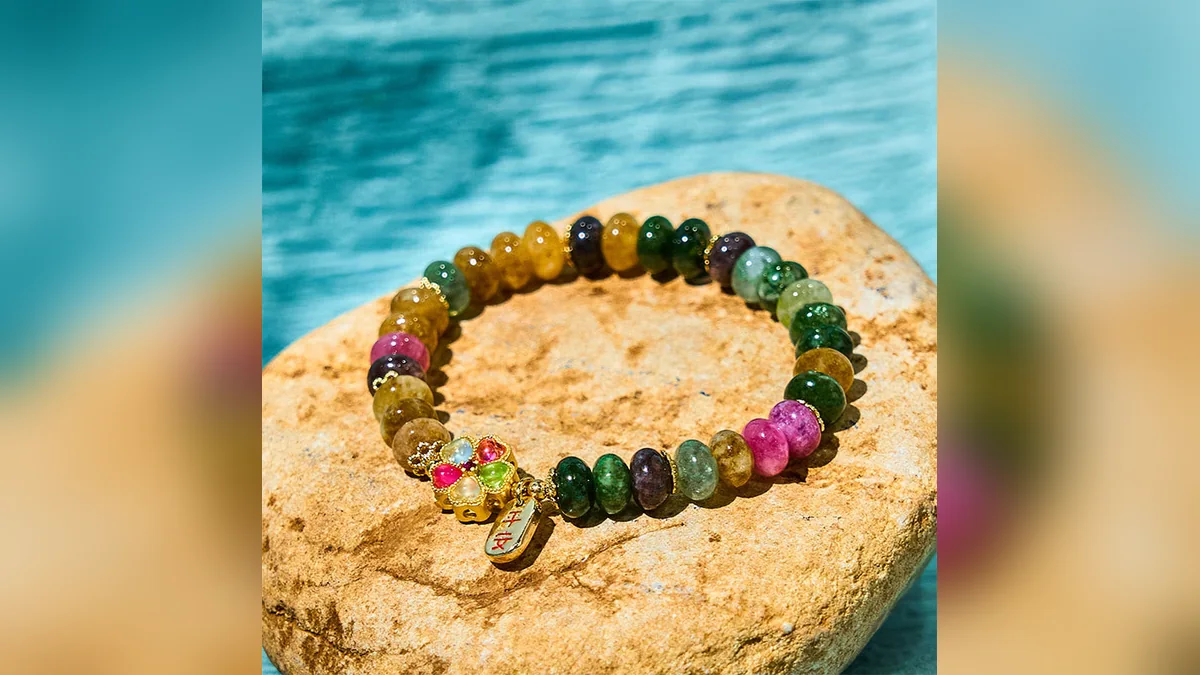
Twenty-seven counting beads form a short loop. This 27 bead mala guide explains the strand as a traditional aid for counting Buddhist recitations and a sign of devotional practice. Four rounds of 27 make 108, a customary full mala count. The number describes a counting structure; it does not promise a result. Associations with luck, wealth, or protection belong to religious or folk belief, and none is guaranteed.
At Buddha Stones, we distinguish a mala's use from its appearance as jewelry. A circular strand can be both a personal object and a religious implement, but its meaning depends on the tradition, the count, and how it is used.
A shorter strand within the mala tradition
Mala is a Sanskrit word meaning garland. Bead strands are used in Buddhist and Hindu traditions to count repeated prayers, mantras, or sacred names. Their histories overlap, but instructions and interpretations vary between communities. There is no single explanation that covers every strand worn across Asia.
The 27-bead format relates directly to the familiar 108-bead mala: it contains one quarter of that counting total. This relationship explains its practical place without requiring a separate legend about its invention. A shorter loop allows the same total to be counted through repeated circuits.
Interpretations of 108 differ. Some Buddhist explanations connect it with categories of worldly attachments or afflictions. Those explanations concern religious teaching, rather than a measurable property of the beads. It is better to name the tradition behind an interpretation than to present one numerical story as universal.
A 27-bead strand also should not automatically receive every meaning attached to a longer mala. Its clearest connection is the count. Materials, pendants, inscriptions, and the practitioner's own tradition may add other associations, but the number alone cannot establish them.
27 bead mala guide: reading the count and markers
The defining detail is 27 counting beads. A larger bead, junction bead, pendant, or tassel may sit outside that sequence. Designs differ, so the total number of visible components is not always the number used for recitation.
A junction bead is often called a guru bead in Tibetan Buddhist contexts. It can mark the beginning and end of a circuit and carry an association with the teacher. Some strands have another kind of marker; others have no visibly distinct junction at all. A tassel is not required to make a strand a mala.
The arithmetic is straightforward:
- One circuit of 27 counting beads records 27 repetitions.
- Two circuits record 54 repetitions.
- Four circuits record 108 repetitions.
That calculation assumes one complete recitation per counting bead. Instructions for handling the junction, changing direction, or recording longer totals can differ. Follow the guidance of the community or teacher connected with your practice instead of treating a jewelry diagram as a universal religious rule.
Prayer beads in paintings, textiles, and jewelry
In Buddhist art, a mala may appear in the hand of a teacher, practitioner, or sacred figure. Certain forms of Avalokiteshvara, the bodhisattva associated with compassion, hold prayer beads. The strand identifies an implement of recitation within a larger composition; its meaning comes partly from the figure holding it.
A painted string may be too small or stylized to count. It would be misleading to call it a 27-bead mala simply because it looks short. The same caution applies to a sculpture: a loop of beads can identify the object without documenting its precise counting total.
Textile images can carry this motif too. An embroidered or woven religious figure may hold beads just as a painted figure does. A border of repeated circles, however, is not enough to identify a mala. Look for a continuous strand, a recognizable hand position, or another clear connection to recitation.
Jewelry brings a different context. A wrist strand may serve as counting beads, an ornament, or both. Bead color does not determine the number, and a bracelet's rounded shape does not establish a religious use. For questions about wearing conventions, our guide to wearing mala beads discusses that separate subject.
Festivals and the objects beside the strand
At Buddhist festivals or communal observances, prayer beads can belong to an individual's recitation practice. They do not acquire one shared festival meaning simply by appearing at an event. The service, local customs, and practitioner's instructions provide the relevant context.
One meaningful pairing is a mala with a mantra. The beads record repetitions; the words carry the recitation's religious content. Om Mani Padme Hum is associated with Avalokiteshvara and is widely recited in Tibetan Buddhism. A bead count does not make every mantra interchangeable, and some practices require specific instruction.
Another pairing is the strand and its marker. A guru bead helps distinguish a circuit's boundary, while a tassel or pendant may add decoration or a tradition-specific association. These elements should be read separately before assigning a meaning to the whole object.
The distinction matters when shopping, too. A floral bag name does not establish a Buddhist emblem, and a bracelet's materials do not confirm a mala count. Our product details below describe the supplied specifications; they do not identify these items as 27-bead malas.
Product details from our bracelet and bag pages
Tourmaline and jade bracelet
Our Tourmaline Jade Safe And Well Love Bracelet uses tourmaline, jade, and alloy, with premium elastic string. This unisex bracelet has 8mm beads, a bracelet perimeter of 18cm, and a specified wrist circumference of 14-16cm. The words “Safe And Well” and “Love” express wishes in the name, without promising an outcome.
Curve Flower bag with bamboo handle
The Curve Flower Bamboo Handle Xiangyunsha Silk Crossbody Bag measures 21.5*14.5*7cm, Handle 12cm. Its materials are mulberry silk, Xiangyunsha silk, suede, leather, metal, and a bamboo handle. It has a lock closure and an adjustable strap measuring 90-108cm. The package contains one bag.
Curve Bamboo Flower Shape bag
The Curve Bamboo Flower Shape Xiangyunsha Silk Crossbody Bag measures 15.5*11*14.5cm. Materials include mulberry silk, Xiangyunsha silk, suede, leather, metal, and a bamboo handle. This bag has a zipper closure and an adjustable 90-108cm strap. One bag is included.
Embroidered canvas backpack
Our Handmade Embroidered Canvas Backpack uses canvas fabric and measures 17*19cm. Its internal structure is specified as 1 Main Pocket, 2 Pocket, 1 Hidden Pocket. Adjustable straps accompany a magnetic closure with strap. The weight is 190g, and the package contains one backpack.
Let the context carry the meaning
A short strand becomes easier to understand when its count, imagery, and purpose are considered together. Twenty-seven beads offer a traditional counting format, while art and personal practice supply further context. We describe that relationship plainly: devotion gives the object its religious significance, and the beads provide a way to keep count.
Shop the story
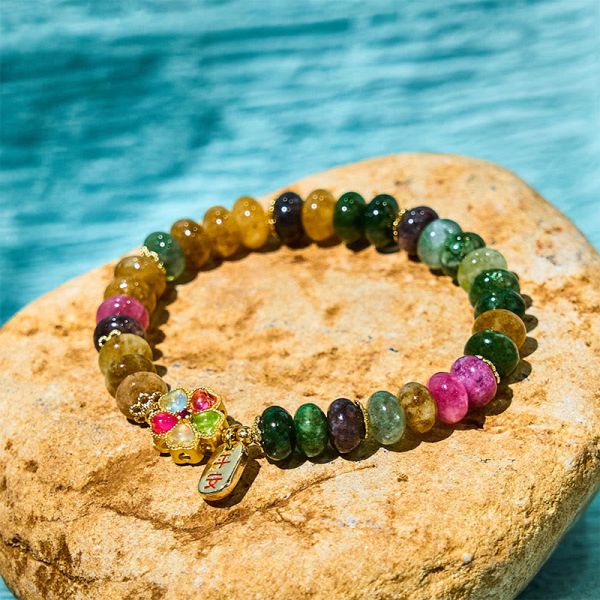 Buddha Stones Tourmaline Jade Safe And Well Love Bracelet - Tourmaline(Wrist Circumference: 14-16cm)Special Price $25.59 Regular Price $35.05
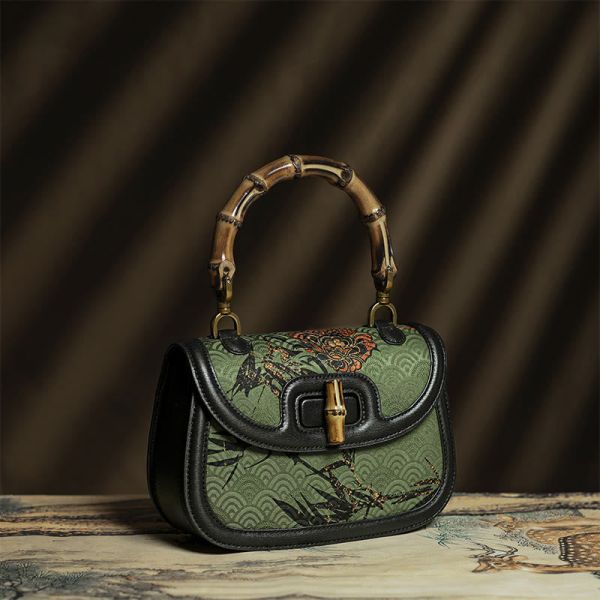 Buddha Stones Curve Flower Bamboo Handle Xiangyunsha Silk Crossbody Bag HangbagsSpecial Price $255.59 Regular Price $350.12
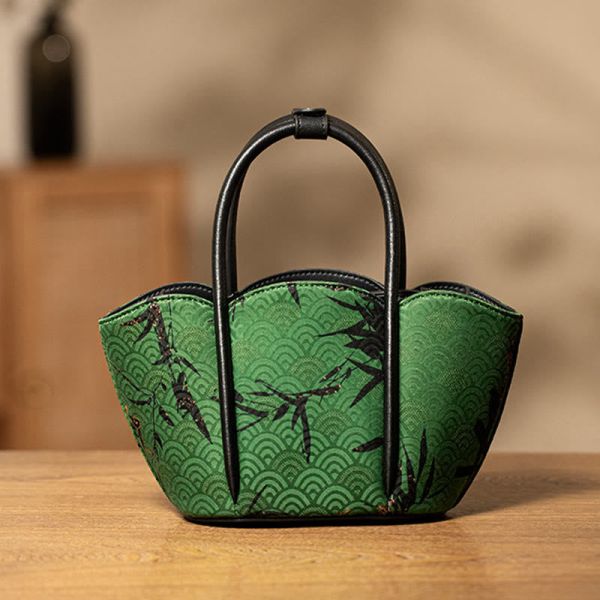 Buddha Stones Curve Bamboo Flower Shape Xiangyunsha Silk Crossbody Bag HangbagsSpecial Price $245.59 Regular Price $341.10
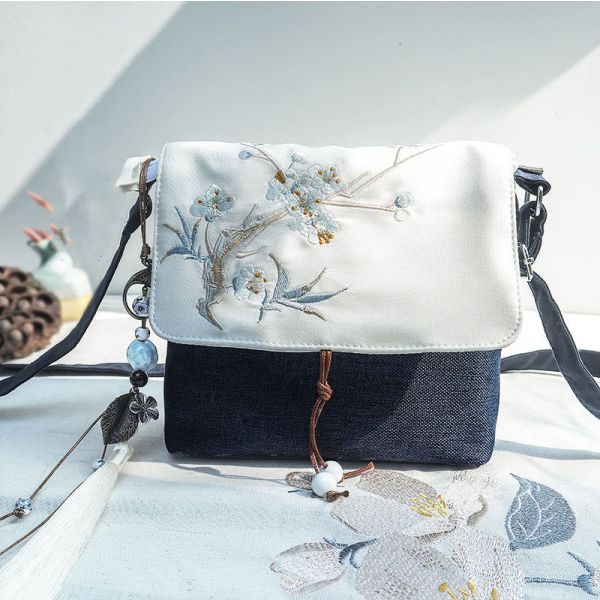 Buddha Stones Handmade Embroidered Large Capacity Polyester Canvas BackpackSpecial Price $28.59 Regular Price $38.64