Zen Style Jewelry: A Guide to Fit, Form, and Choice
A pendant can look small in a close-up photograph and still compete with a shirt collar. Choosing zen style jewelry starts with that difference between an appealing image and a piece that fits your clothes and routine. Here, the phrase means jewelry chosen for simple forms, restrained combinations, and personally meaningful details; it is a shopping description, not a religious certification. We will help you decide what to wear, which material details to check, how to assess fit, and when a related home object better matches your purpose.
Start with these questions
- Where will you wear it? Work clothes, casual layers, and occasional outfits give you different necklines, sleeves, and fastening needs.
- What should draw attention? Choose between a single visible motif and a quieter shape that sits alongside other accessories.
- What information do you need? Check the material, dimensions, closure, and included items before deciding from photographs.
- How much upkeep suits you? Consider contact with water, cosmetics, and surfaces during your usual activities.
- Are you choosing something to wear or display? Jewelry, wall art, teaware, and statues serve different purposes, even when their names share similar design language.
Choose a focal point for zen style jewelry
Start with one decision about shape: do you want a recognizable symbol, a plain outline, or a repeated form? Then compare that choice with the clothes you expect to wear. A detailed pendant may need open space around it, while a simple bracelet can sit beside a patterned sleeve without adding another large motif.
Use repetition selectively. Matching every accessory to the same symbol can make an outfit feel crowded. You might instead repeat one color or keep similar proportions across a necklace and bracelet. Leave room between visible details so their outlines remain distinct.
At Buddha Stones, we distinguish personal style from religious practice. A product name containing “Zen” does not establish a required way to dress. If you choose a religious symbol, learn its context rather than treating every Buddhist or Asian motif as interchangeable. You do not need a symbolic explanation for every design preference.
Read material details before choosing a finish
A photograph shows appearance, but it cannot establish composition. For jewelry, look for the stated base material and any information about coatings, cords, or fastenings. If a detail matters to your purchase and is absent, leave it unresolved rather than inferring it from color. A silver-colored surface, for example, does not establish silver content.
Separate three questions: what the item is made from, how its surface looks, and how you will care for it. Similar-looking pieces may require different handling. Avoid choosing solely because a material sounds more traditional; choose according to the information available and the upkeep you can accommodate.
The same reading habit helps with home accessories. Iron, ceramic, and an iron powder/resin mixture are different material descriptions. A shared lotus motif does not make their cleaning needs or intended uses equivalent.
Check scale, movement, and clothing fit
Read dimensions alongside the photograph. For a pendant, consider its full outline against your neckline, including any visible loop or attachment. For a bracelet, check the supplied sizing information and closure rather than assuming that a pictured style will fit any wrist. Our bracelet category is a place to compare designs; confirm the details on the individual product page.
Think through ordinary movements before selecting a shape. Long sleeves may catch on projecting details, while a bracelet worn near a watch needs enough room for both. For necklaces, decide where the pendant should sit relative to a collar or button opening. Fit should allow the garment and accessory to move without repeated adjustment.
For a ring, establish the size before comparing decorative details. Use our ring measurement guide for that separate step. Keeping measurement and styling decisions distinct makes it easier to reject an appealing design when its available size does not meet your needs.
Plan care around the actual material
Check care directions before applying a cleaner. For jewelry, attend to the entire construction, including cords, settings, and closures, rather than choosing a method based only on the central ornament. Remove accessories before tasks that could snag, scrape, or soak them.
For display objects, begin with gentle dry dusting. Support the object while cleaning instead of pulling on decorative details. Do not assume an iron item or an iron powder/resin decoration tolerates soaking. For ceramic teaware, use gentle handwashing and avoid abrupt temperature changes; confirm any appliance instructions before using a dishwasher or microwave. Let items dry before putting them away.
Products to consider for a related home setting
The following selections from our store are wall art, a cup, and a decoration. They belong here as alternatives when your intended purchase is for a room or tea setting. Choose by use and available space before considering a shared motif.
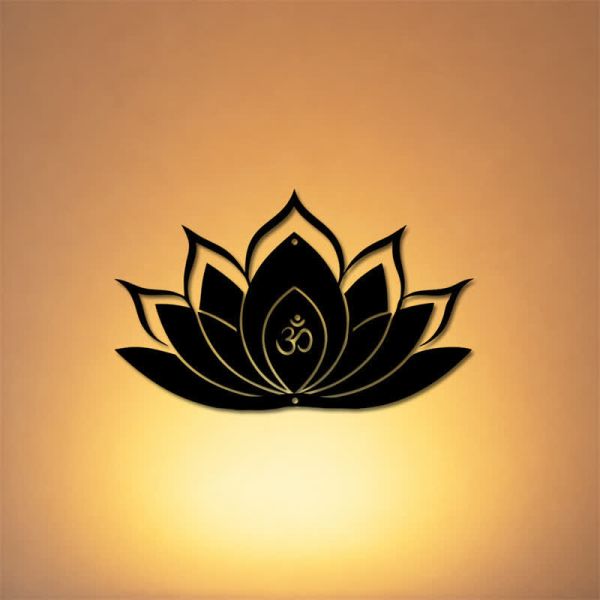
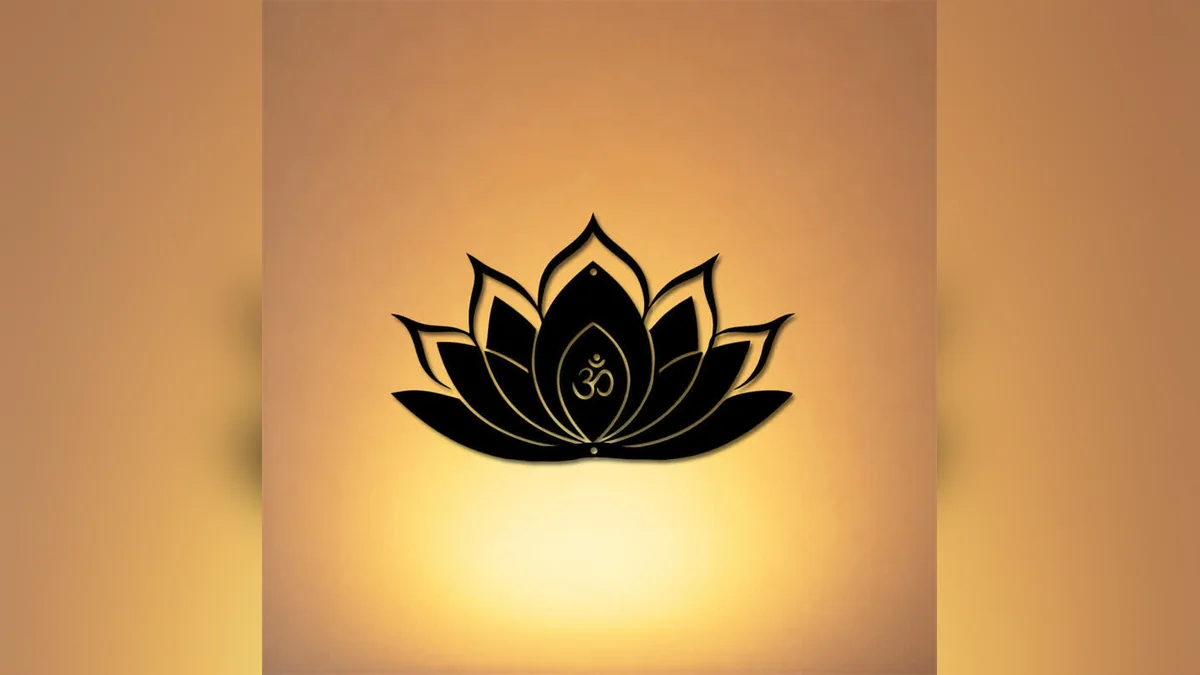
Lotus OM wall art
The Buddha Stones Lotus OM silhouette wall art is iron. One size option is 9.84in x 6.08in x 0.04in; another is 23.62in x 14.58in x 0.05in. The package contains one wall art item. Mark out the dimensions of your chosen option on paper before deciding where it will fit.
Inhale Exhale lotus wall art
The Buddha Stones Inhale Exhale lotus wall art is also iron, with options including 6.35in x 9.84in x 0.04in and 12.72in x 19.69in x 0.05in. One wall art item is included. Compare the selected dimensions with the full available wall area, allowing space around nearby shelves or furniture.
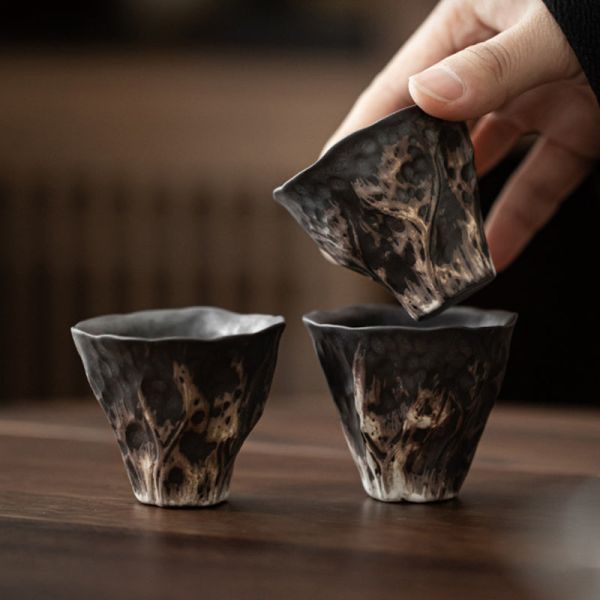
Lotus flower ceramic teacup
The Buddha Stones lotus flower ceramic teacup has a stated capacity of 50 milliliters and a size entry of 6cm*5.1cm*50ml. Other accessories shown in its photographs are display items outside the purchase. Choose this for a small tea serving rather than judging capacity from the photograph alone.
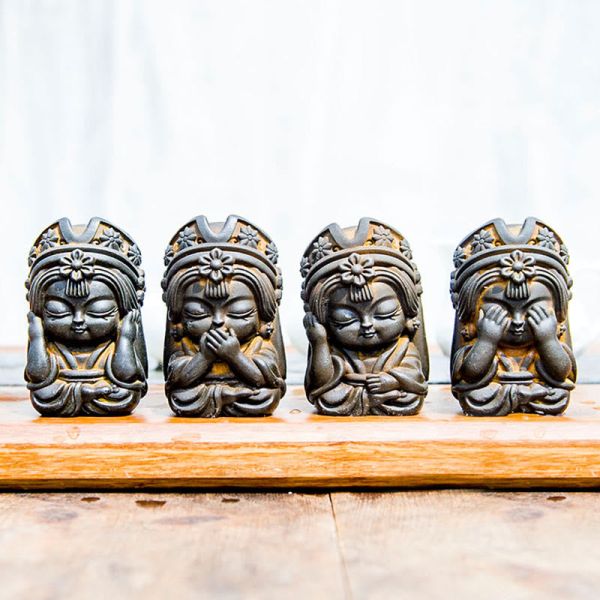
Handmade Zakiram decoration
The Buddha Stones handmade Zakiram decoration contains 80% Iron Powder and 20% Resin. Its stated size is 7*4*4cm, with weight given as About 230g(N.W.). Options include individual figures and a 4Pcs Set; package contents are Statue*1 / Statue*4. Confirm the selected option and leave sufficient display space. Handcrafted irregularities may be present.
FAQ
Does a simple outfit need a symbolic accessory?
No. Shape, proportion, and color are enough to guide a choice. If symbolism matters to you, research the specific motif and its tradition before purchasing. A decorative preference does not require a claim about what the object will do.
Can I combine several jewelry styles?
Yes. Choose one visible focal point, then compare the scale of the surrounding accessories. With zen style jewelry, restraint can mean leaving space between details rather than following a fixed rule about how many pieces to wear.
How do I choose between jewelry and decor as a gift?
Start with what you know about the recipient. Jewelry requires information about fit and wearing preferences. Decor requires suitable space, and teaware requires a useful serving size. When those details are unknown, clarify the intended use before selecting the object.
Shop the story
 Buddha Stones Lotus Flower Shape Zen Ceramic Teacup Kung Fu Tea Cup 50mlSpecial Price $25.59 Regular Price $36.04
 Buddha Stones Handmade Zakiram Iron Powder Rust Cast Resin Statue Zen Home DecorationAs low as $38.59 Regular Price $51.45