
Yoga Block Guide: Simple Setups for Everyday Practice
Yoga blocks raise the surface beneath your hands. Place one beside your mat before deciding how to use it. This yoga block guide explains how to check a block, choose its height, and position it for standing, kneeling, and seated setups. The task is practical: bring a firm surface to the place where your hand or seat needs contact, then check that the arrangement stays steady.
1. Start your yoga block guide with a surface check
Clear enough floor space to place the block fully on the mat or another firm, level surface. Keep loose fabric, jewelry, and other objects away from its base. A block that sits partly on a folded mat edge may rock even when its own faces are flat.
Inspect the block before putting weight on it. Check for cracks, crumbling edges, deep dents, or a surface that slides against your hand. Follow its maker’s use and care directions. If the block is damaged or cannot stay in place, leave it out of the setup.
Begin with the block on its broadest face. Press down with one hand while keeping the rest of your weight elsewhere. Watch for movement at the base. Repeat this check whenever you change its orientation or location.
2. Choose a height before entering the pose
A rectangular block offers different heights when you turn it onto different faces. Its broadest face creates the lowest arrangement and the widest base. Standing it on its smallest end creates the tallest arrangement with a narrower base. The middle orientation falls between those positions.
Choose the height that meets your hand without requiring you to reach farther to find the surface. More height is not a progression or an achievement. It is simply a different distance between the floor and the top of the prop.
Test the orientation before starting the pose. Put your palm where it will rest, press down gently, and check the base again. If the tallest position rocks, change the setup instead of trying to hold the block still with your fingers.
3. Place blocks for a standing forward fold
Put a block beside each foot if you have a pair. Choose matching orientations and leave enough space for your hands to land fully on the top faces. With one block, place it centrally in front of your feet only if both hands fit without crowding.
- Stand with your feet in a position you can maintain without shifting.
- Bend your knees and fold forward only far enough to place your hands on the blocks.
- Check that your palms sit within the edges and the blocks remain flat at their bases.
- Return to standing before moving the blocks or changing their height.
You do not need to straighten your knees or lower the blocks during the setup. Keep the arrangement simple enough that you can enter and leave it deliberately. If your hands push a block sideways, reset their position and test again.
4. Arrange hand supports for a kneeling half split
Begin in a kneeling position with one foot forward. Place a block on either side of the forward leg, near the places where your hands naturally reach the floor. Keep the blocks separate from your foot so that moving the foot does not knock them over.
Shift your hips back a little and extend the forward leg only as far as your chosen position allows. Rest your hands on the blocks without pulling them toward you. They should remain upright under downward contact, rather than acting as handles.
Bring the forward knee back into a bent position before rearranging the props. Repeat the placement process on the other side; do not assume the same location will work automatically. Stop the setup if you cannot keep the blocks steady.
5. Try the lowest orientation for a seated setup
Place the block on its broadest face and sit centrally on the top surface. Arrange your legs without wedging your feet beneath the block. Check that clothing does not bunch under one edge and that the block stays level as you place your hands beside you.
If the block’s edges or firmness do not suit the seat you want, choose another sitting arrangement. Our meditation cushion selection guide covers a separate type of seated prop. A cushion and a block have different shapes and surfaces, so assess the actual setup rather than treating them as interchangeable.
6. Rehearse a short sequence and reset the space
Combine only the arrangements you have already checked: a standing fold, the kneeling setup on either side, and a seat. Come out of each position before relocating the blocks. Avoid reaching across the mat for a prop while maintaining another pose.
Finish by returning the blocks to a designated spot beside the mat. Note which face and placement you used for each setup. These simple details give you a repeatable starting point next time, without requiring every position to use the same height.
Mistakes to avoid when positioning blocks
- Stacking to solve every reach: Change the pose or use a suitable taller prop instead of building an unstable tower.
- Holding an edge: Place your hand on the usable top surface rather than gripping a corner to keep the block upright.
- Turning a block under load: Remove your weight and leave the position before adjusting its orientation.
- Ignoring the floor: Recheck the base whenever you move from the mat to another surface.
- Leaving accessories in the path: Put beads and bowls beyond the area used for stepping, kneeling, and placing props.
Product details from our yoga and meditation range
Turquoise mala
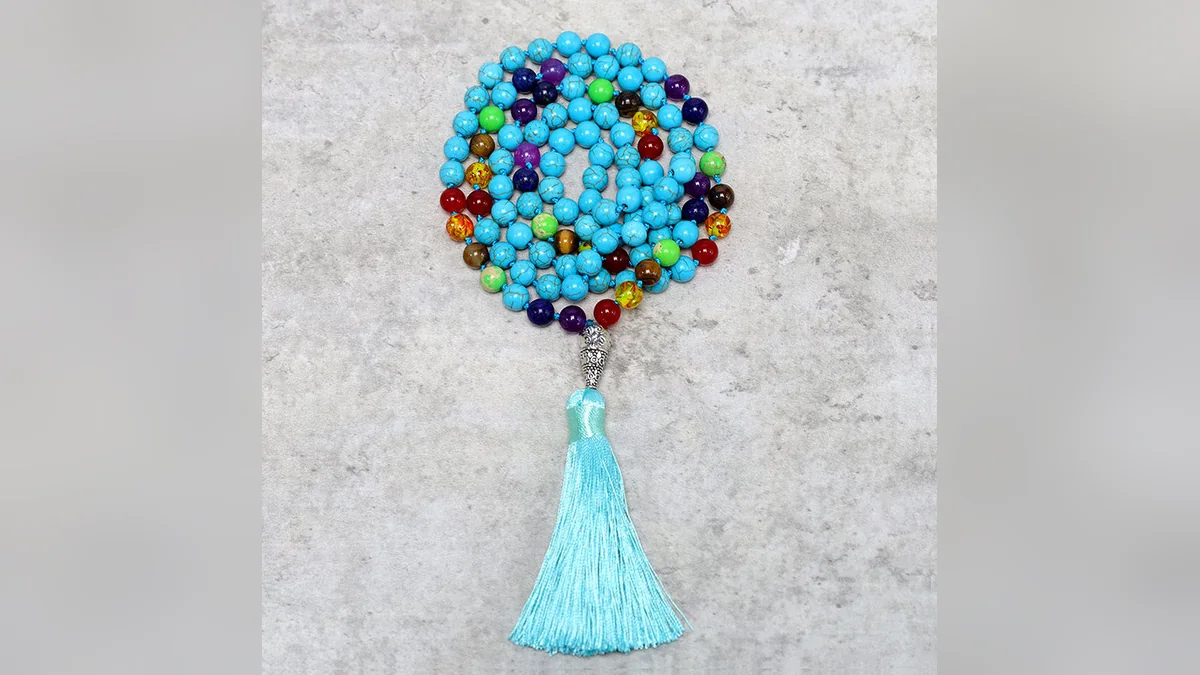
Our Buddha Stones 108 Mala Turquoise Necklace has Turquoise beads measuring 0.31 IN(8MM). Its item types are Bracelet, Necklace, and Mala. The SKU is BS0483E05C4E.
India agate bracelet
The Buddha Stones India Agate Beads Luck Yoga Bracelet uses India Agate and comes in 6mm, 8mm, and 10mm bead options. Its item type is Bracelet, and its SKU is BSP-BS064051D438. Luck in the name expresses a traditional wish and carries no promise of a result.
Amethyst mala
Our Buddha Stones Tibetan 108 Mala Necklace uses Amethyst beads measuring 0.31 IN(8MM). Its item types are Bracelet, Necklace, and Mala. The SKU is BS0481E05C4E.
Crystal singing bowl
The Tibetan Crystal Sound Meditation Singing Bowl has White Crystal (Dye) as its material. Diameter options are 8 IN (20.3CM) and 10 IN (25.4CM). The package contains one handmade meditation crystal bowl, one mallet, and one rubber ring. Its SKU is BSP-BS243270BB58. Store it in a dry, clean place and wipe it with a wet rag or cloth. Avoid soaking it, using steel wire cleaning tools, or allowing it to bump against other objects.
Keep the next setup straightforward
Choose one position, place the block, and test its base before proceeding. Keep the height that fits the task, and come out of the pose before making adjustments. A useful block arrangement is one you can place, check, and repeat without rushing.
Shop the story
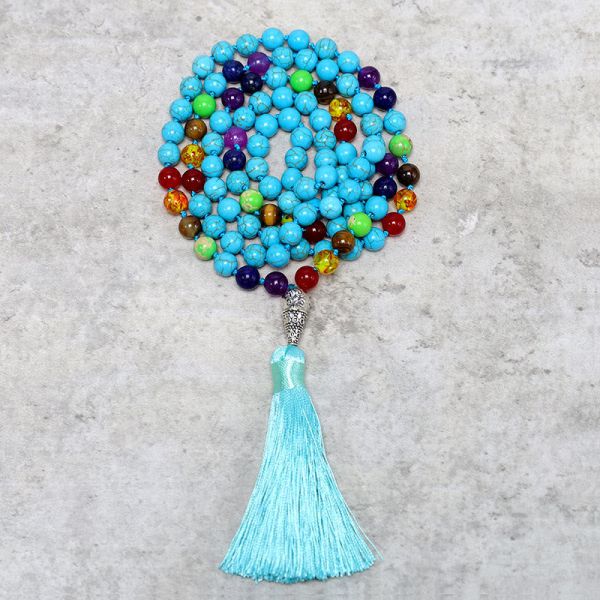 Buddha Stones 108 Mala Turquoise Beads Yoga Meditation Prayer Beads NecklaceSpecial Price $33.59 Regular Price $44.79
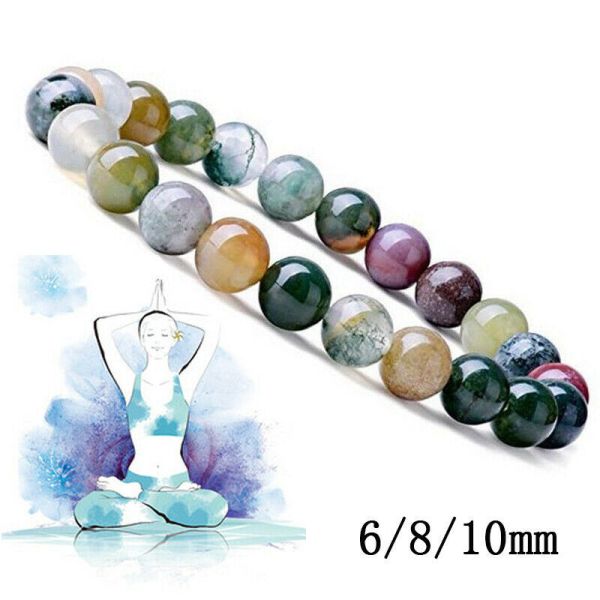 Buddha Stones India Agate Beads Luck Yoga BraceletAs low as $24.59 Regular Price $33.68
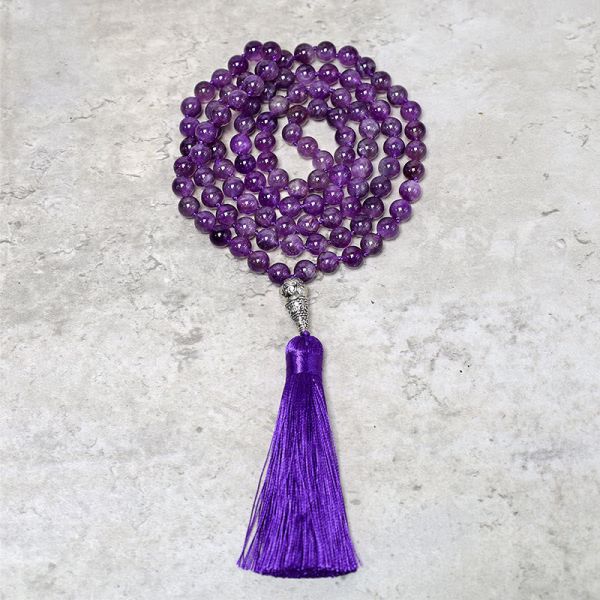 Buddha Stones Tibetan 108 Mala Beads Necklace Yoga Meditation Prayer Beads NecklaceSpecial Price $48.59 Regular Price $64.79
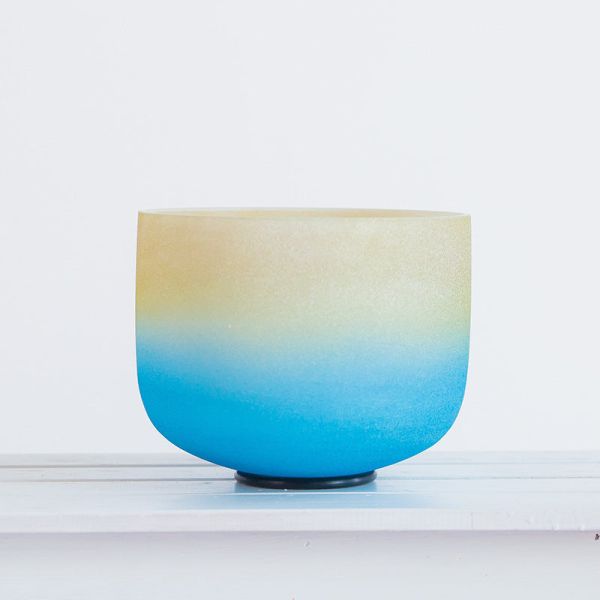 Tibetan Crystal Sound Meditation Bowl Handcrafted for Yoga and Focus Singing BowlAs low as $299.59 Regular Price $440.57