
Meditation Cushion Guide: Zafu, Zabuton and Fill Types
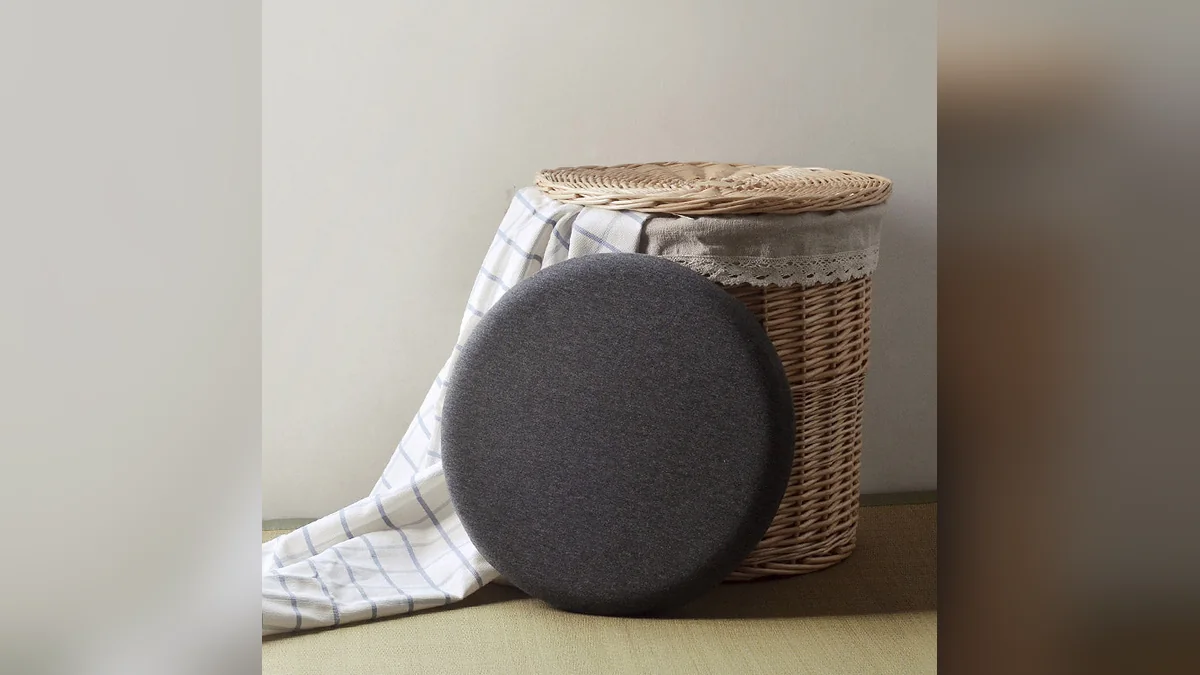
Shopping for a meditation cushion usually starts with a guess: pick whichever one looks closest to what a teacher used in a photo somewhere. A few plain questions make the choice easier than that. How do you actually sit? How much height do you need off the floor? Do you want a cushion that holds a shape, or one that springs back on its own? This guide works through those questions in order, using our own meditation cushions as the reference point.
Start with how you sit
Most people settle into one of three positions: cross-legged on the floor, kneeling with the hips resting back (sometimes called seiza), or upright on a chair. Each one asks something different of a cushion. Cross-legged sitting benefits from a round, raised cushion under the sitting bones, with the knees dropping toward the floor on either side. Kneeling spreads weight differently, with a lower, firmer support wedged between the calves. Chair sitting usually just needs a flat pad for the seat itself.
Two traditional terms come up often in cushion shopping: a zafu is the round cushion that lifts the hips, traditionally stuffed with kapok or buckwheat; a zabuton is the flat mat that goes underneath it, cushioning the knees and ankles against a hard floor. Not every setup needs both. A zabuton matters most on wood or tile; on carpet, a round cushion alone is often enough.
A meditation cushion’s height matters more than looks
Thickness changes what a cushion does. A taller, firmer cushion raises the hips above the knees, which is the main reason cross-legged sitters reach for a round cushion in the first place. A thinner, flatter cushion does not lift much at all; it is better suited to someone sitting on a chair, kneeling on a low bench, or simply wanting a bit of padding rather than a change in posture.
Among the options here, the buckwheat husk cushion is the tallest, at 15 cm thick. The Lotus Embroidery cushion and the Lotus Simple Pattern cushion are both around 10 cm, a middle ground. The memory foam seat pad is the flattest of the group at 4 cm, which places it closer to a chair pad than a floor cushion.
Firm or soft filling
Filling affects how a cushion behaves under weight, separate from how thick it measures when empty. Buckwheat husks are loose, individual pieces inside the cover. They shift when you sit, settle into a shape, and mostly stay that way until you redistribute them by hand. Foam works differently: compress it and it springs back toward its original shape once weight is removed, rather than holding the dent.
The Lotus Embroidery cushion is offered in two fill styles: a hard style using EPE sponge, described as holding its shape without deforming under sitting, and a soft style using a standard sponge filling. The Lotus Simple Pattern cushion uses EPE foam as well, sometimes called pearl cotton. Its product notes point out that EPE can compress during packing and look thinner right out of the box, then gradually return closer to its full 10 cm thickness with some patting and regular use.
Floor, chair or sofa
Not every cushion assumes a cross-legged floor sitter. The memory foam seat pad is built along the lines of a chair cushion: flat, compact, and sized to sit squarely on a dining chair, office chair, or sofa cushion rather than lift a floor sitter’s hips. It comes in two sizes, 35 x 35 cm and 40 x 40 cm, so it can be matched to a narrower or wider seat.
The round cushions behave more like a floor-sitting meditation cushion in the traditional sense, with enough diameter and thickness to support a cross-legged or kneeling position directly on the ground. If your routine moves between a cushion on the floor and a seat at a desk, it is worth having one of each rather than expecting a single cushion to do both jobs well.
Carrying it around
Weight is the clearest sign of how portable a cushion is. The memory foam pad weighs 500 g or 700 g depending on size, light enough to carry between rooms without a second thought. The Lotus Simple Pattern cushion comes in at 475 g, and the Lotus Embroidery cushion at 380 g, both easy to tuck under an arm. The buckwheat husk cushion is the heaviest by a wide margin at 2400 g, which reflects the loose fill inside rather than any flaw in the materials. A cushion that stays in one spot at home can afford that weight; one meant to travel to a class or a friend’s living room benefits from being lighter.
Four cushions compared
The table below lines up the stated specifications for each cushion side by side.
| Cushion | Filling/material | Size | Weight | Price on Nov 1, 2026 |
|---|---|---|---|---|
| Memory Foam seat pad | Memory foam, cotton | 35 x 35 x 4 cm or 40 x 40 x 4 cm | 500 g / 700 g | From $71.59 |
| Lotus Embroidery cotton linen | Cotton linen, EPE (hard style EPE sponge or soft style sponge filling) | 40 cm diameter, 10 cm thick | 380 g | From $79.59 |
| Lotus Simple Pattern linen | Blended, linen, EPE | About 40 cm x 10 cm | 475 g | From $45.59 |
| Cotton Buckwheat Husks | Cotton, buckwheat husks | 36 cm diameter, 15 cm thick | 2400 g | $165.59 |
Prices may change.
The memory foam seat pad is the flattest and most compact of the four, and its flat 4 cm profile makes sense on a chair seat rather than directly on the floor. It also comes in two sizes, so it can be matched to a narrower or wider chair.
The Lotus Embroidery cushion is a mid-height round cushion with a choice between two fill styles, which makes it one of the more flexible picks here if you are unsure whether you prefer a filling that holds firm or one with more give.
The Lotus Simple Pattern cushion has the lowest starting price in this lineup, and at 475 g it is still easy to carry. Its EPE filling needs a short settling-in period after unpacking before it reaches its intended thickness.
The buckwheat husk cushion is the tallest and by far the heaviest option, which fits a setup where the cushion has a fixed spot and does not need to travel.
Caring for the cover
Where a cushion has a removable cover, the cover is the part meant to be cleaned, not the filling inside it; the Lotus Simple Pattern cushion, for example, comes in a detachable style and a non-detachable style, and the product page marks the non-detachable one as not washable. Airing a cover outdoors or near an open window on a dry day helps keep it fresh between washes. For spot-cleaning, a damp cloth with a little mild soap on the fabric surface is usually enough; avoid soaking the inner foam, sponge, or buckwheat husks, since those are meant to stay dry.
Shop the story
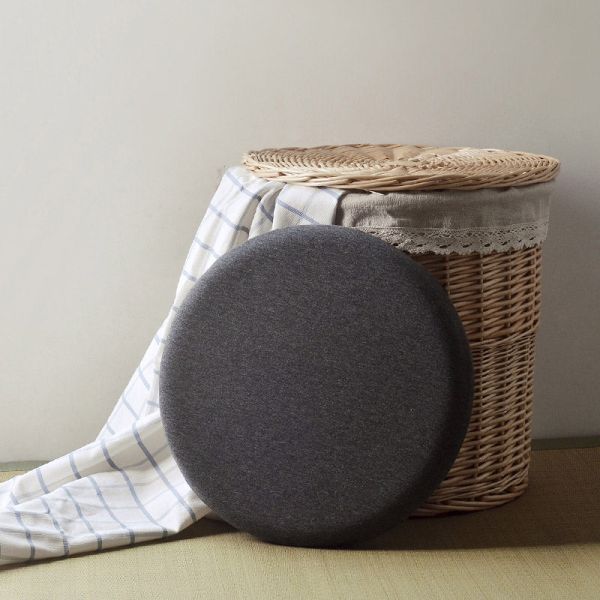 Memory Foam Meditation Seat Cushion Chair Pad Home Living Room DecorationAs low as $71.59 Regular Price $100.83
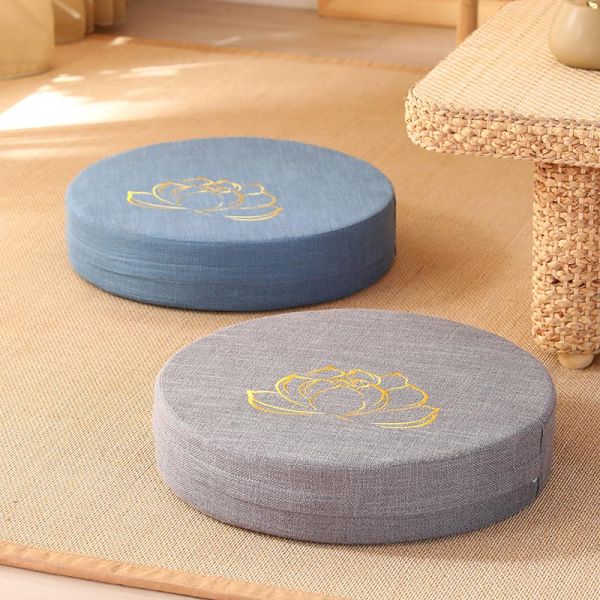 Buddha Stones Lotus Embroidery Cotton Linen Meditation Seat CushionAs low as $79.59 Regular Price $112.10
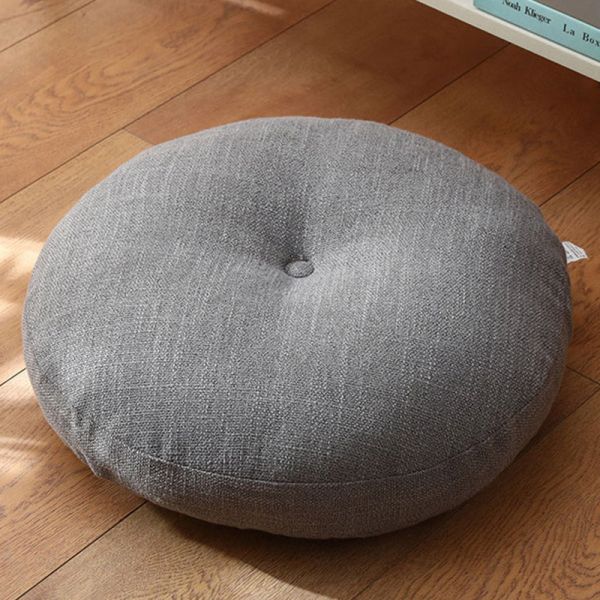 Buddha Stones Lotus Simple Pattern Linen Meditation Seat Cushion Home Living Room DecorationAs low as $45.59 Regular Price $64.21
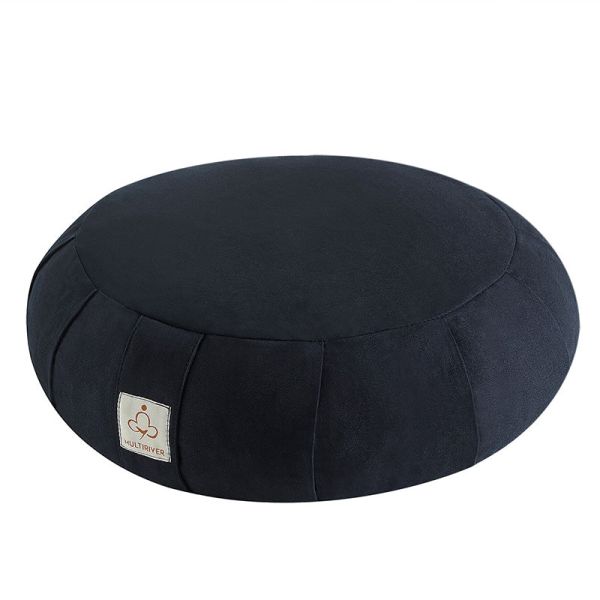 Buddha Stones Cotton Buckwheat Husks Meditation Seat Cushion Home DecorationAs low as $165.59 Regular Price $233.23