
Wood vs Gemstone Mala: A Practical Care Manual
Dust can collect between mala beads and around the cord. For wood vs gemstone mala care, the practical difference is how you handle moisture and surface finishes: keep wood cleaning dry, and identify a gemstone before choosing anything beyond a dry wipe. Both types need careful handling and regular cord checks. In this manual, we explain what to prepare, how to clean and store a strand, and when wear calls for repair or retirement.
Tools and materials for wood vs gemstone mala care
Start with a clear surface covered by a clean towel. This gives the strand somewhere to rest while you inspect it and helps contain a bead if the cord breaks. Work away from a sink or an open drain.
- A clean, lint-free cloth: Choose an untreated cloth without polishing compounds.
- A soft, dry brush: Use light strokes to remove loose dust from accessible gaps.
- A separate drying cloth: Keep this ready for accidental moisture.
- A clean pouch or divided box: Give the strand its own space during storage.
- The original material and care information: Check for finishes, mixed materials, and cleaning restrictions.
Do not assume a color identifies a gemstone or that a glossy wooden bead needs oil. Our mala bead materials guide provides background on material choices. For cleaning decisions, use the information supplied for your particular strand. When that information is missing, limit the routine to gentle dry wiping.
A step-by-step routine from handling to storage
-
Prepare your hands and work area. Wash and dry your hands before handling the beads. Allow lotion or other products to absorb fully, and remove any residue from your fingers. Lay the mala loosely on the towel rather than suspending it from one section of cord.
-
Inspect before wiping. Turn the strand slowly and look around bead holes, knots, tassel attachments, and any fastener. Check for exposed cord fibers, widening gaps, chips, or a bead that catches on the cloth. Stop if moving a damaged section appears likely to break it.
-
Remove loose dust. Support a short section in your hand and wipe the bead surfaces lightly. Rotate the beads without pulling against their knots. Use the brush only where it reaches easily; do not push bristles into bead holes or scrape at deposits with a sharp tool.
-
Keep the wood routine dry. Wipe wooden beads gently without prolonged rubbing. Do not try to restore their original color by scrubbing. Changes in sheen or color alone do not establish damage; look separately for cracks, splinters, loose finishes, and cord wear.
-
Check instructions before dampening gemstone beads. Gemstone is a broad category, and appearance does not tell you how a bead or its treatment responds to water. If the supplied instructions permit a damp cloth, use one sparingly on the bead surface. Avoid wetting knots, tassels, and cord. Otherwise, continue with dry care.
-
Dry and put away. Blot accidental moisture promptly, then leave the strand loosely arranged in a ventilated place away from direct heat. Do not seal it in a pouch while damp. Once dry, lay it in loose curves without compressing the tassel or forcing a tight bend at the knots.
During use, move the beads with light finger pressure. Avoid tugging the strand to bring the next bead forward. If you wear a mala around your wrist, remove it before washing, swimming, or tasks that could snag it. Do not stretch a strand over your hand unless its construction is intended to stretch.
What not to do when beads look dull or dirty
Do not soak an unidentified strand. A cleaning method must suit the beads, any surface treatment, and the cord together. Water suitability for one component does not establish suitability for the entire mala.
- Skip household cleaners, bleach, alcohol, and abrasive pastes unless the maker explicitly specifies a suitable product.
- Do not apply cooking oil, scented oil, wax, or furniture polish as a general wood treatment.
- Avoid steam cleaners and ultrasonic cleaners when material and construction requirements are unknown.
- Keep the strand off radiators and away from hair dryers or prolonged direct sunlight during drying.
- Do not pull a knot tighter to conceal fraying or cut loose cord ends without understanding the knot structure.
If a mark remains after gentle wiping, leave it in place until you have material-specific advice. Repeated rubbing can turn a small cosmetic concern into surface damage. A strand does not need to look newly polished before it can be used again.
When to repair, replace, or retire a strand
Inspect according to handling: check more often when a strand is used frequently, has been snagged, or has become wet. There is no single replacement interval that fits every cord and construction.
Set the mala aside for repair if the cord has visible broken fibers, elastic remains stretched, a fastening no longer holds, or a knot begins to come apart. Keep it in a closed container until it can be assessed. A qualified jewelry repairer can advise whether restringing is appropriate for its construction.
Consider replacing a damaged bead if it has a sharp chip, splinter, or crack that catches against the cord. A small surface mark is different from damage around a bead hole. Avoid testing a suspected crack by bending, squeezing, or pulling the strand.
If repair is impractical, retire the piece from regular handling. You can keep it as an object of personal significance. For a mala used within a particular Buddhist tradition, ask your teacher or community about customary ways to handle retirement.
Wooden bead bags in our product selection
A mala carried in a handbag should have its own closed pouch to limit contact with keys and other contents. The following Buddha Stones products are handbags; a separate mala pouch is something to prepare independently.
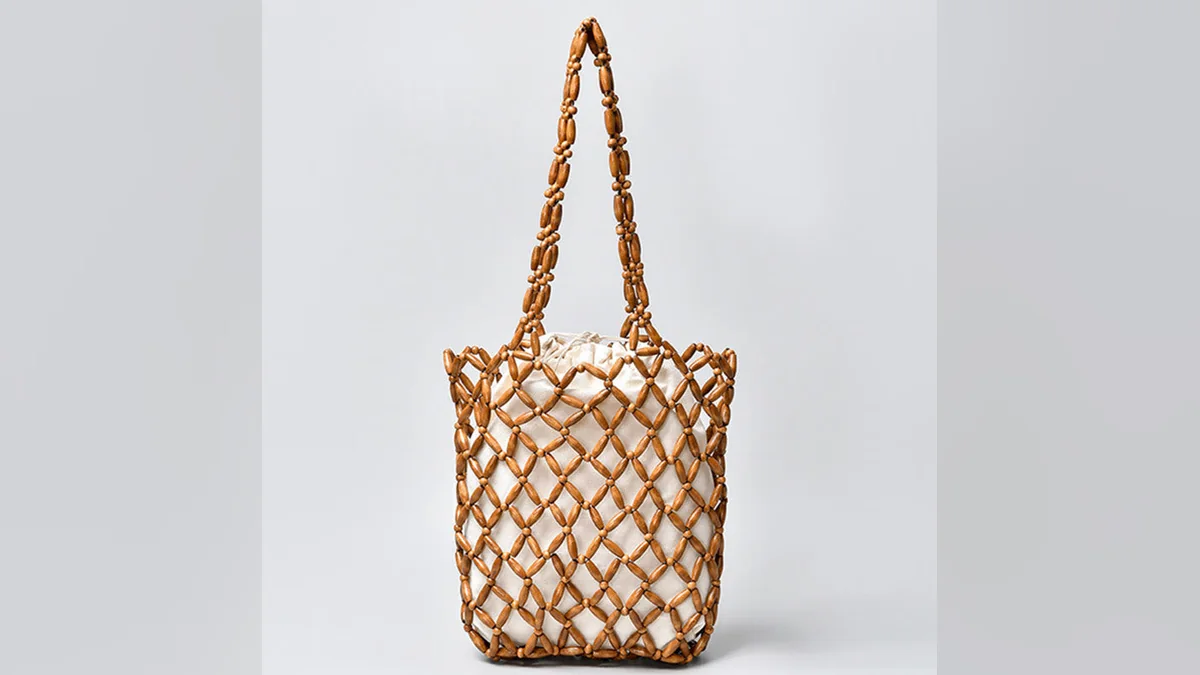
The Hand-woven Wooden Beads Shoulder Bag Handbag combines Wooden Beads and Polyester Cotton. Brown, Wheat, and White options have dimensions of 25*6*30cm(Width*Height*Thickness). Handle height is 28cm, and weight is about 350g.
For the Hand-woven Wooden Beads Bucket Shoulder Bag Handbag, the available colors are Beige, Black, Brown, and White&Black. Its size is 16.5*16.5*36cm(Length*Width*Height), with a 21cm handle height. The material is Wooden Beads and Polyester Cotton.
The Hand-woven Wooden Beads Bamboo Handle Shoulder Bag Handbag comes in Black, Brown, Ivory, and Yellow. Dimensions are 20*20*28.6cm(Length*Width*Height), and handle height is 12.5cm. It has a non-adjustable strap and strap-closure.
Black and Yellow are the options for the Hand-woven Round Wooden Beads Shoulder Bag. It measures 20*4*20cm(Width*Thickness*Height), with an 8cm handle height and weight of about 320g. Inside are one main pocket and one interior bag.
Keep the next care session simple
Return your cloth and pouch to an accessible place so routine care stays straightforward. Before putting a mala away, check that it is dry and that the cord shows no new damage. Let its known materials and present condition guide the next cleaning decision.
Shop the story
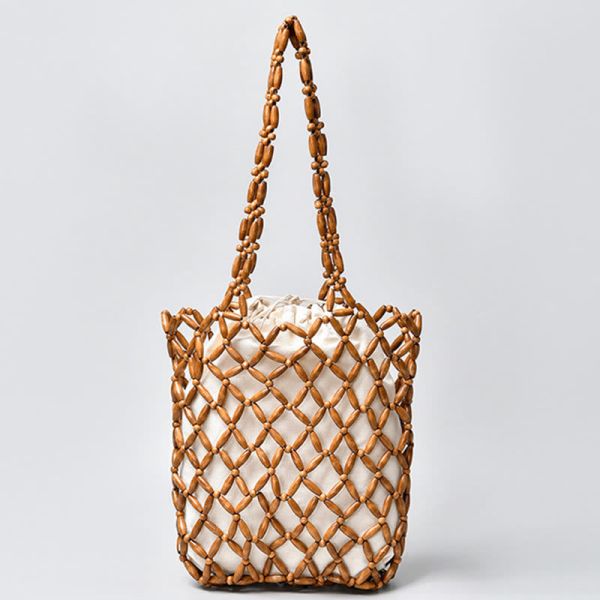 Buddha Stones Hand-woven Wooden Beads Shoulder Bag HandbagAs low as $45.59 Regular Price $60.79
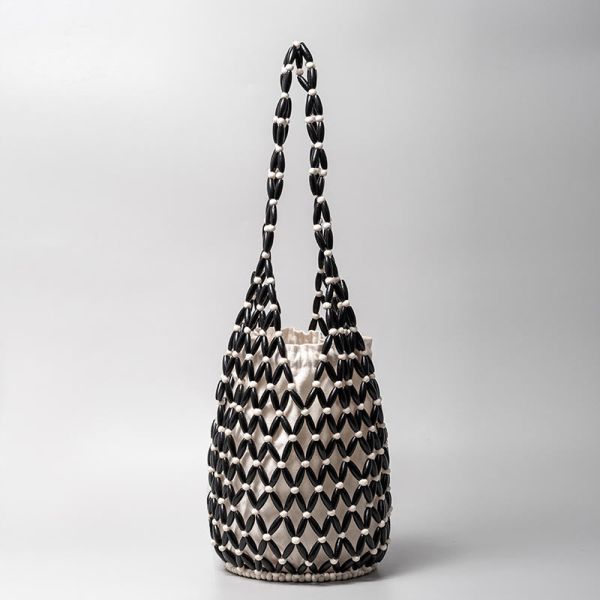 Buddha Stones Hand-woven Wooden Beads Bucket Shoulder Bag HandbagAs low as $59.59 Regular Price $83.93
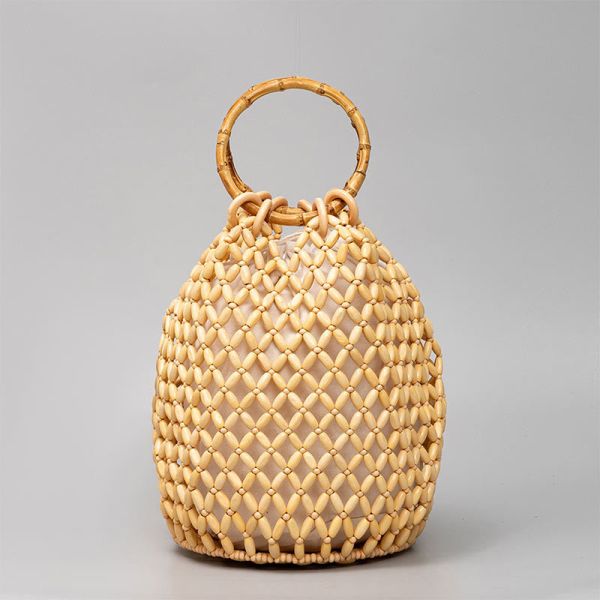 Buddha Stones Hand-woven Wooden Beads Bamboo Handle Shoulder Bag HandbagAs low as $62.59 Regular Price $83.45
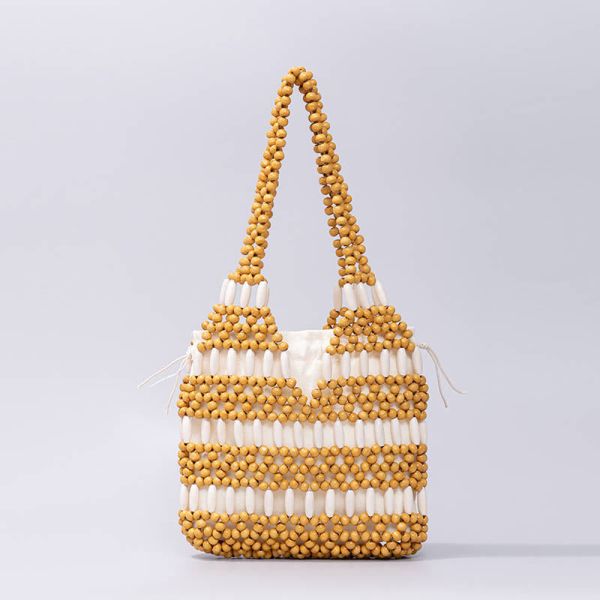 Buddha Stones Hand-woven Round Wooden Beads Shoulder BagAs low as $42.59 Regular Price $56.79