
What Is Lapis? Blue Stone Across Art and Adornment
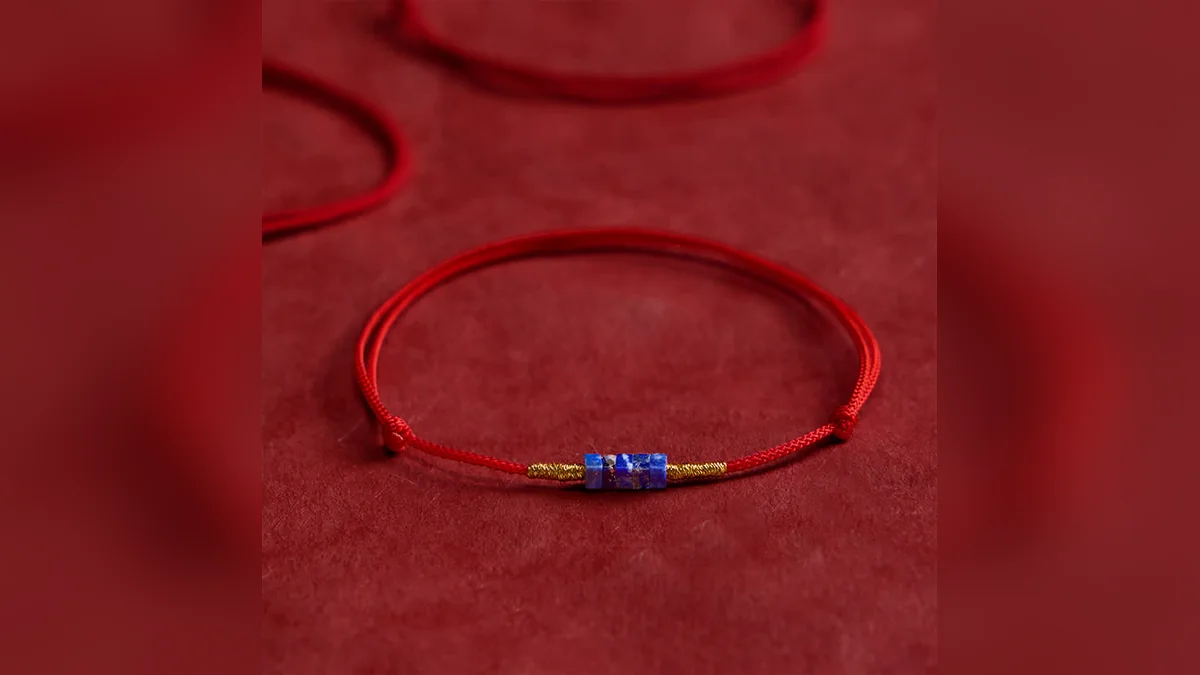
A polished lapis bead has an opaque blue surface. The short answer to “what is lapis” is lapis lazuli, a rock long used for ornaments and blue pigment. Traditionally, its blue has signified sacred presence and high status in different cultures. Beliefs connecting it with luck, wealth, or protection belong to particular traditions; wearing it cannot guarantee those results. At Buddha Stones, we find its cultural context useful: a blue bead, a painted robe, and a ceremonial ornament do not necessarily carry the same meaning.
A blue material carried along old trade routes
Lapis lazuli is a rock composed of several minerals, with lazurite responsible for its characteristic blue. It can also contain white calcite and gold-colored pyrite. Those visible differences help explain why lapis objects do not all have an identical appearance. The stone is distinct from the blue pigment made by processing it, even though both have played a part in art.
Afghanistan has been an important historical source of lapis. Trade carried the material far beyond its place of origin, including to Mesopotamia and Egypt, where it appeared in jewelry, inlays, and prestigious objects. Its presence in a surviving object can therefore tell a story about exchange and patronage as well as symbolism.
There is no single founding legend that explains every use of lapis. A royal ornament, a devotional painting, and a modern bracelet belong to different settings. Reading them together is helpful, but treating them as evidence of one universal belief would erase those distinctions.
What is lapis in different visual traditions?
Painted blue and the status of a color
Artists have used lapis to make the pigment known as natural ultramarine. Preparing that pigment required processing the stone; a painted blue passage is not simply a piece of polished lapis attached to a surface. Historical European paintings sometimes reserve costly ultramarine for important figures, including the Virgin Mary.
That context connects the color with honor and devotion. It does not establish the meaning of every blue garment in art. Artists also used other blue pigments, so color alone cannot identify the material. A museum description or an object's documented materials provides firmer evidence than a photograph.
Buddhist images and textile settings
The Medicine Buddha is commonly depicted with a blue body, and lapis lazuli appears in the language surrounding his pure land. This is a religious association within Buddhist tradition. The image expresses a devotional meaning, rather than a promised effect of wearing blue stone.
Painted devotional images and embroidered or woven versions can share blue imagery while using different materials. A blue textile does not contain lapis simply because its shade resembles the stone. The figure, surrounding symbols, inscriptions, and intended use offer context that color by itself cannot supply.
Jewelry, dress, and festival occasions
Lapis also appears as beads, pendants, and stone settings in jewelry. Here the blue is part of the object itself, rather than necessarily a reference to a painted figure. Its role may be decorative, ceremonial, or personal, depending on the setting.
Jewelry can accompany festive or ceremonial dress, but a festival setting alone does not establish a special meaning for lapis. An ornament worn for an occasion may express local custom or family preference. Its shape, accompanying materials, and relationship to the clothing can tell you more than the presence of blue stone alone.
Pairings that change how the blue is read
Turquoise and silver: Lapis and turquoise place different shades of blue beside one another, while silver adds a contrasting metallic surface. These materials appear in Himalayan adornment. Their combination belongs to a history of jewelry, although a contemporary design needs its own context before being assigned ceremonial significance.
Red cord: Blue stone beside red cord creates a different composition from blue stone in a metal setting. Red cord has its own associations in several traditions, including wishes for good fortune and protection. Those meanings should be considered separately from the identity of lapis, rather than presented as properties of the rock.
Lotus imagery: A lotus beside blue stone introduces a recognizable Buddhist symbol with its own meaning. Our discussion of the lotus flower in Buddhism explains that motif separately. A flower shape, the stone material, and the purpose of an object are three different parts of its interpretation.
Words such as Luck and Protection in our product names express traditional wishes. They promise no result. Balance is also a symbolic name, rather than a measurable effect of wearing jewelry.
Lapis jewelry: details from our product pages
A small square bead red string bracelet
Our Hand-Woven Small Square Lapis Lazuli Red String Luck Bracelet has an adjustable cord. The specifications give Wrist Circumference as 5.9–6.7 in / 15–17 cm and Bead Size as Approx. 3mm. The material field says String, and the package contains 1 × Bracelet. Its SKU is BS225026C0A15.
A bracelet page with four named options
The Natural Tiger Eye Lazurite Lapis Lazuli Protection Bracelet offers options named Lazulite, Malachite, Red Tiger'eye, and Tiger's eye. Specifications give 8mm beads, Length: 21cm, and Wrist Circumference: 7.09-7.87 in (18–20 cm). It is described as unisex. The material field names Tiger Eye, Lapis Lazuli (Lazurite), Red Tiger'eye, and Malachite. These are the page's option and material names, rather than a statement that every option contains the same combination. The SKU is BSP-BS02389744A2.
A necklace with four specified materials
Our Tibetan Turquoise Lazurite Lapis Lazuli Zebra Jasper Balance Necklace has a specified Size of 45cm. Its materials are Turquoise, Lapis Lazuli (Lazurite), Zebra Jasper Stone, and Amethyst. The item type is Necklace, and its SKU is BS1114542713.
A silver ring with two style labels
The Natural 925 Sterling Silver Lazurite Lapis Lazuli Turquoise Adjustable Balance Ring has options A Style(About 9*9mm) and B Style(About 9*9mm). The Ring Size field reads About 0.35*0.35in(9*9mm). Materials are 925 Sterling Silver, Lapis Lazuli (Lazurite), and Turquoise. Its SKU is BSP-BS13775B4D990.
Let the setting explain the symbol
Lapis becomes easier to understand when you ask where the blue appears and what surrounds it. A pigment in a sacred painting, a textile's color, and a jewelry material invite different readings. We keep those distinctions visible so that appreciation can rest on the object and its context, while traditional wishes remain wishes.
Shop the story
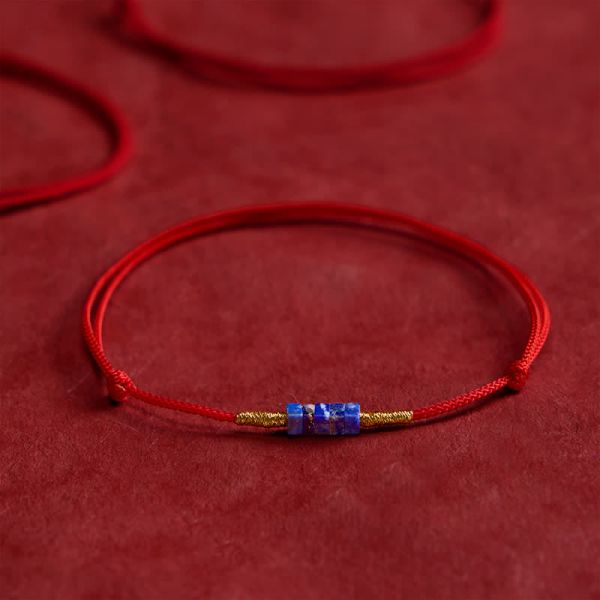 Buddha Stones Hand-Woven Ultra-fine Small Square Shape Lapis Lazuli Red String Luck BraceletSpecial Price $25.59 Regular Price $34.58
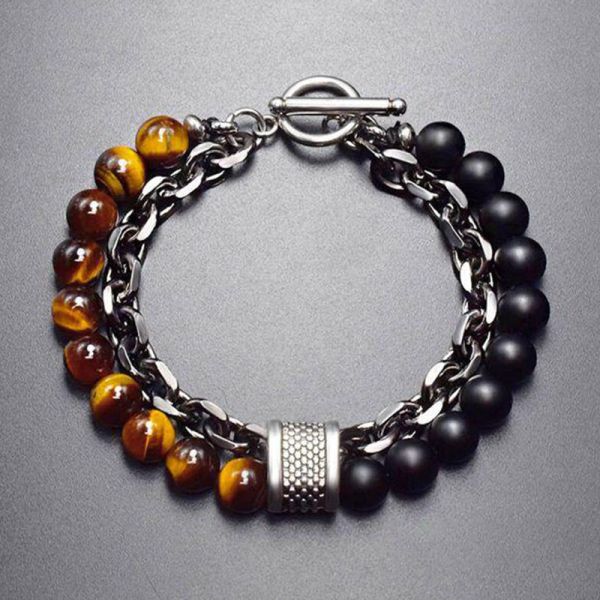 Buddha Stones Natural Tiger Eye Lazurite Lapis Lazuli Protection BraceletAs low as $25.59 Regular Price $33.67
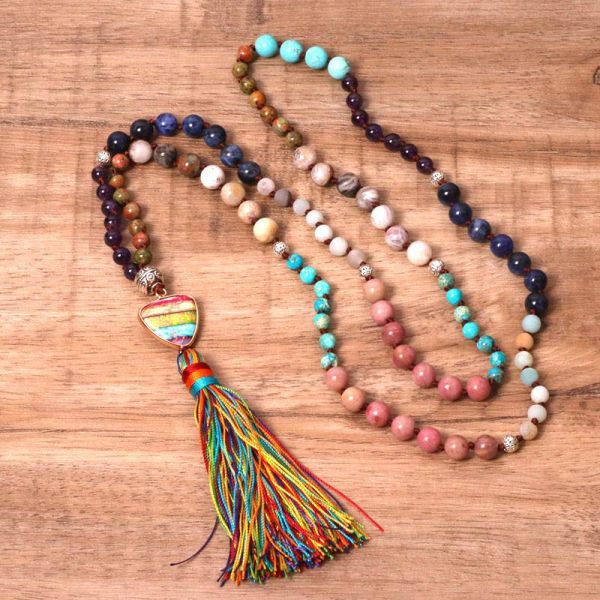 Buddha Stones Tibetan Turquoise Lazurite Lapis Lazuli Zebra Jasper Balance NecklaceSpecial Price $54.59 Regular Price $76.89
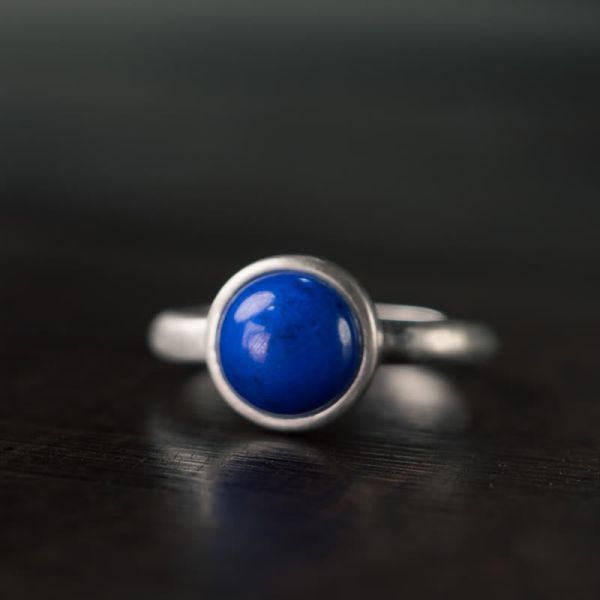 Buddha Stones Natural 925 Sterling Silver Lazurite Lapis Lazuli Turquoise Adjustable Balance RingAs low as $334.59 Regular Price $446.12