
Chinese Wedding Decor Guide: A Practical Setup Plan
A red Double Happiness sign hangs above a tea table, with cups grouped on a tray and an open space for serving. This Chinese wedding decor guide starts with that arrangement: place the main wedding symbol where it can be seen, keep the ceremony area usable, and repeat a small set of colors through the room. Red is a customary wedding color, and Double Happiness is a familiar wedding emblem. Their placement expresses celebration and traditional wishes.
Step 1: Build your Chinese wedding decor guide around the ceremony
Before buying decorations, confirm which events will happen in the space. A family tea ceremony, a meal, and a reception require different furniture arrangements. Ask the couple and participating relatives which customs they want included. Practices vary across regions, families, and communities, so avoid treating a single arrangement as compulsory.
Sketch the entrance, ceremony area, dining tables, and serving routes. Mark doors that must open fully and seats that need easy access. Give the ceremony its own clear focal point. If the room serves several purposes, plan when furniture will move and where unused items will wait.
Step 2: Choose the main symbol and a limited palette
Start with red if the couple wants a customary Chinese wedding palette. Gold can serve as an accent, while the venue's existing colors can remain visible. Test a sample of fabric or paper against the room before ordering multiples; different reds can look quite different together.
Double Happiness is commonly displayed at Chinese weddings, including on backdrops and doors. Choose one prominent location, then use smaller repetitions sparingly. Keep the character upright and readable. If you do not read Chinese, have someone who does check the design and orientation before it is attached.
For a contemporary palette with substantial white, ask the family about its preferences because white also has mourning associations in Chinese tradition. The couple can decide how to balance those associations with their chosen flowers, clothing, and venue.
Step 3: Arrange the entrance and backdrop first
Place the welcome display where arriving guests can see it without stopping in the doorway. A sign beside the entrance often leaves more usable space than a freestanding arrangement directly in front of it. Keep decorations clear of handles, hinges, exit signs, and the door's swing.
Position the main wedding emblem behind the couple's designated ceremony seats or at the center of the reception backdrop. Check its height from a seated viewpoint as well as a standing one. Leave enough plain background around it for the lettering to remain distinct in photographs.
Use venue-approved attachments for paper decorations and fabric. Support freestanding displays on stable bases, and secure overhead decorations according to venue requirements. Before adding more elements, walk the route from the entrance to the seats and check that bags, clothing, and serving trays have room to pass.
Step 4: Set the tea table for serving
Prepare the table around the actual ceremony sequence. Confirm who will serve, where relatives will sit, and where filled and used cups will go. Keep the front edge accessible, with the tea tray within the server's reach. Place the wedding emblem behind the service area so it does not compete for tabletop space.
Separate decorative arrangements from hot water, cups, and any electrical equipment. Flowers should leave room for hands and sleeves. Keep a cloth and a designated place for used cups nearby. If red envelopes form part of the family's ceremony, agree on a place to receive and hold them before serving begins.
Choose teaware according to the planned service. If a gaiwan is part of the preparation, our gaiwan handling instructions can help you plan the pouring area. Complete a dry layout with empty cups before the ceremony.
Step 5: Finish the guest tables and check the room
Carry the chosen colors to guest tables through a few repeated details, such as napkins, place cards, or small floral arrangements. Keep centerpieces low enough for conversation across the table. Leave space for shared dishes if the meal will be served that way.
Reserve a separate surface for gifts or cards if needed, and assign someone to manage it. Personal bags can have a designated spot away from the tea service and guest walkways. Avoid hanging straps over chair backs where servers need to pass.
Finish with a room check under the lighting that will be used during the event. Read signs from the entrance, pull out chairs, and trace the serving route. Photograph the arrangement for whoever will reset it later. Keep a short packing list showing which decorations belong to the couple and which belong to the venue.
Common mistakes to catch before guests arrive
- Copying an unfamiliar custom: ask the family what belongs in their ceremony before adding ritual objects.
- Covering every surface: preserve space for cups, dishes, seating, and movement.
- Reversing the wedding character: check the orientation before mounting it, especially on transparent doors.
- Mixing too many motifs: repeat a few chosen details so the main wedding emblem stays visible.
- Leaving setup decisions until serving time: decide where trays, used cups, gifts, and personal belongings will go beforehand.
Floral bags for personal wedding accessories
At Buddha Stones, our floral bags offer options for coordinating a personal accessory with the event's colors. Choose a place to keep yours during the ceremony, and check the selected option's dimensions against what you intend to carry.
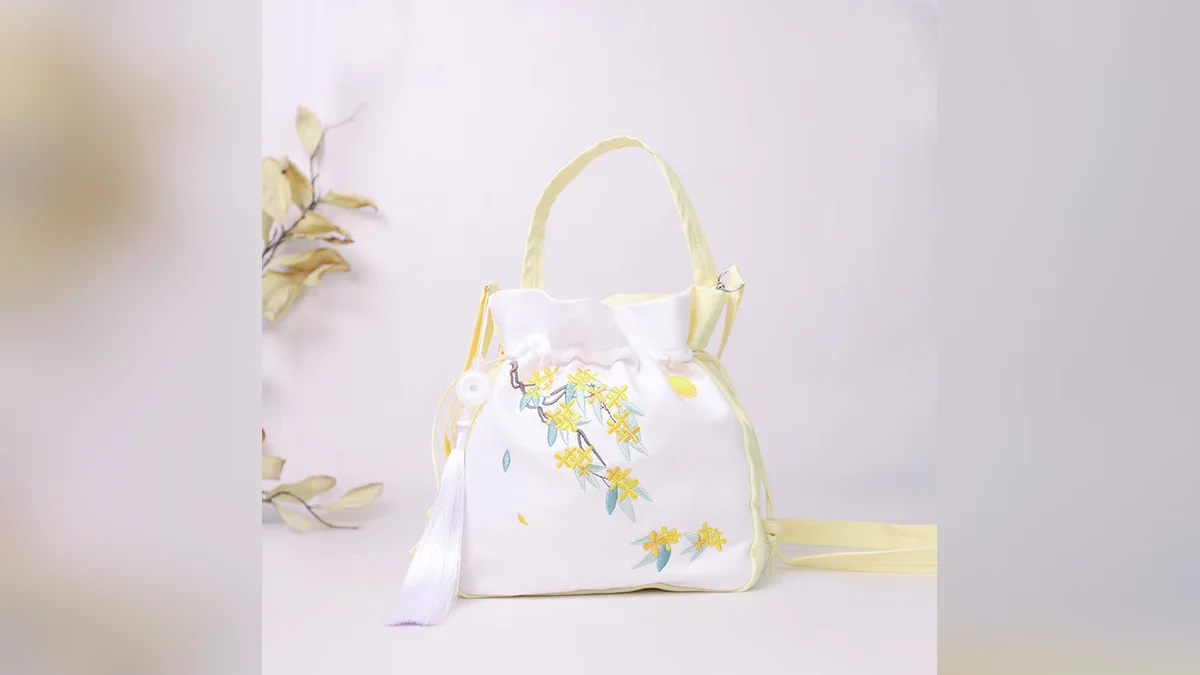
Our Embroidered Osmanthus Peony Grape Cat Bag uses cotton linen fabric with ceramic bead accessories. Its size is 20*20*7cm, with an adjustable strap, one main pocket, and one back zipper pocket. Options include Light Pink Peony and Yellow Osmanthus.
The Embroidered Grass Flowers Cherry Blossom Canvas Bag combines canvas fabric and ceramic bead accessories. Cherry Blossom Pink White and Blue White Flower are among the options. Option labels give 28*30cm, while the specification gives 20*20*7cm; confirm the dimensions before planning what to carry.
For another floral choice, the Embroidered Camellia Epiphyllum Gardenia Sakura Bag has silk and cotton linen fabric, a zipper closure, and an adjustable strap. Sizes vary by option: Light Blue Gardenia is 20*16cm, while Blue Magnolia is 20*18*6cm.
Our Handmade Embroidered Flowers Canvas Tote measures 20*20cm. It has one main pocket, one hidden pocket, and one back zipper pocket. Options include Blue White Lotus and Pink White Cherry Blossom; the shoulder bag strap length is 65cm.
Frequently asked questions
Where should Double Happiness decorations go?
Common positions include the entrance, a ceremony backdrop, and the wall behind a tea table. Choose locations that suit the family's customs and the room. Keep the character upright, visible, and clear of door hardware and serving areas.
Does every decoration need to be red?
No. Red can anchor the arrangement while other colors appear in flowers, fabrics, and personal accessories. Agree on the palette with the couple and family before purchasing decorations, particularly when a color has different associations for different relatives.
What should be set up first in a small room?
Position the seats and tea table first, then establish the serving route. Add the main wedding emblem next. Smaller decorative details come last, after you have checked that doors open, chairs move, and cups can be served without rearranging the room.
Shop the story
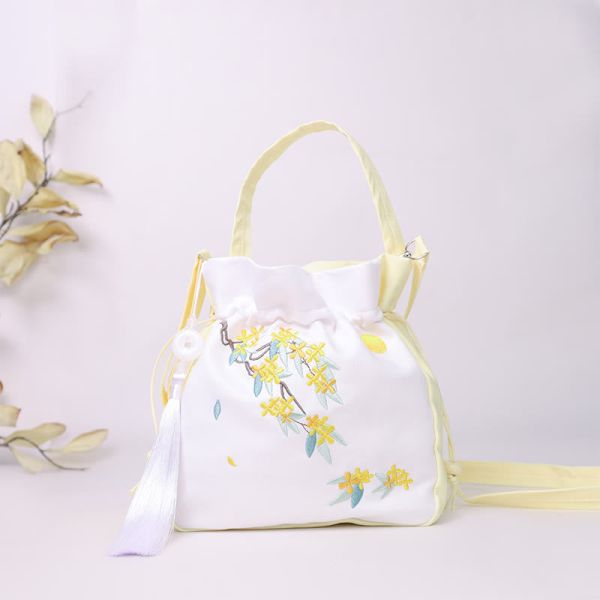 Buddha Stones Embroidered Osmanthus Peony Grape Cat Cotton Linen Tote Crossbody Bag Shoulder Bag HandbagAs low as $24.59 Regular Price $32.79
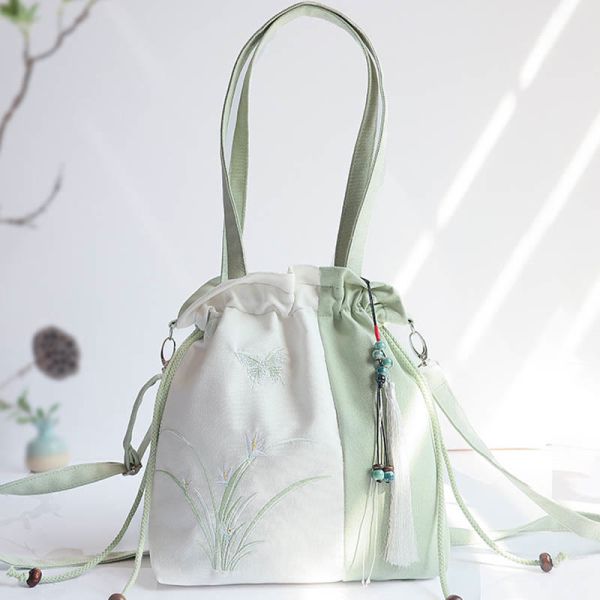 Buddha Stones Embroidered Grass Flowers Cherry Blossom Canvas Tote Crossbody Bag Shoulder Bag HandbagAs low as $38.59 Regular Price $54.35
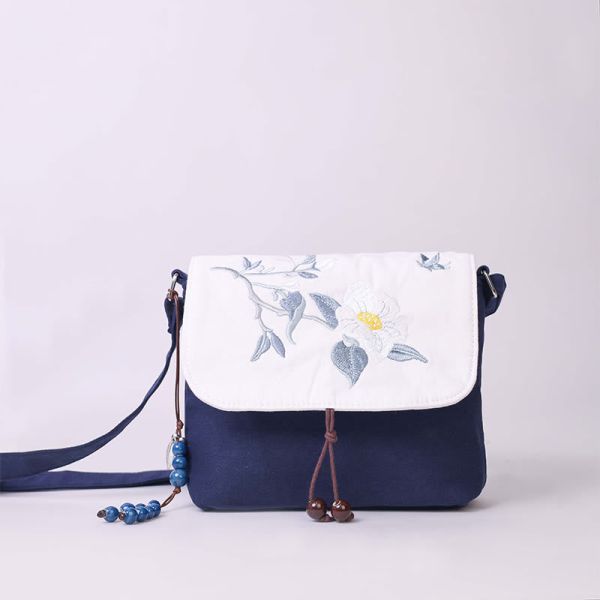 Buddha Stones Embroidered Camellia Epiphyllum Gardenia Sakura Flowers Crossbody Bag Shoulder Bag Cellphone BagAs low as $29.59 Regular Price $39.45
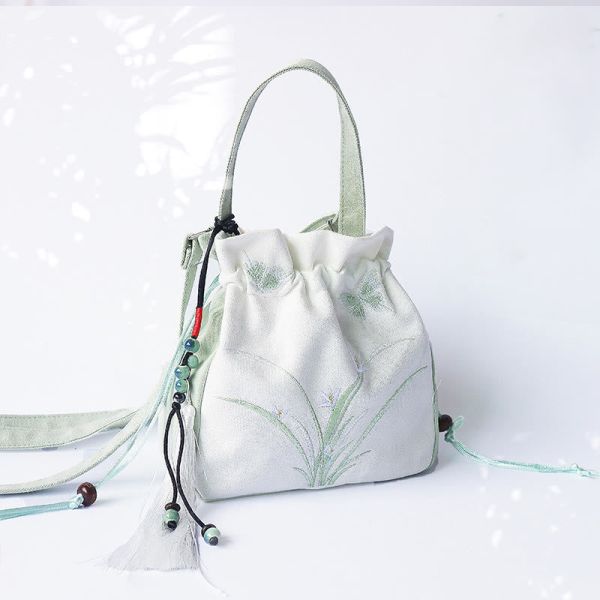 Buddha Stones Handmade Embroidered Flowers Canvas Tote Shoulder Bag HandbagAs low as $26.59 Regular Price $36.93