
Caring for Turquoise Bracelets: A Decision Guide
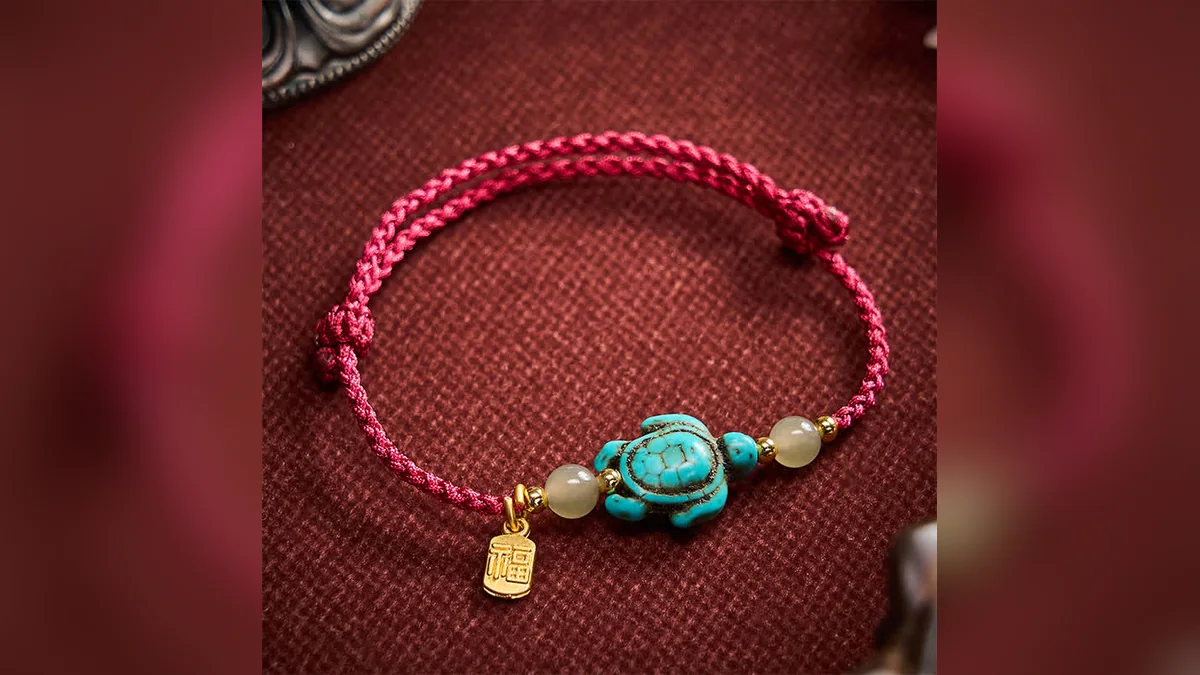
An adjustable cord and an elastic strand can give turquoise bracelets similar outlines in a shopping photo, but the fastening changes how you handle them. Turquoise bracelet care means checking the complete material description, choosing a suitable fit, cleaning gently, and keeping beads and string away from unnecessary moisture, chemicals, and pulling. This guide helps you decide which construction suits your routine and what to do before, during, and after wear.
At Buddha Stones, we recommend beginning with the materials and band type. Color alone cannot tell you how to look after a bracelet.
Start with these questions
- What does the material description specify? Check for synthetic turquoise, other beads, and metal components before choosing a cleaning method.
- Does the stated size suit your wrist? Compare your measurement with the product specifications instead of judging scale from a photograph.
- Would adjustable cord or elastic suit your routine? Consider how you will put the bracelet on and remove it without tugging.
- Will you remember to remove it around water and household products? Choose a convenient place to leave it before washing or cleaning.
- Would earrings suit the occasion better? A turquoise accessory does not have to sit against a desk, cuff, or watch.
Read the whole material description
A turquoise-colored bead is only part of the care decision. A bracelet may also contain jade, tiger eye, cord, elastic string, or metal. Choose your routine around the complete assembly: a method suitable for one component may be unsuitable for another.
Keep the distinction between turquoise and synthetic turquoise visible as you compare options. If a specification says synthetic, preserve that wording. If it simply says turquoise, do not infer a particular treatment, grade, or finish. An unspecified detail is a reason to use a cautious cleaning method.
Synthetic material still needs thoughtful handling. That label does not establish resistance to perfume, cleaning products, scratches, or prolonged wetting. Likewise, natural-material wording is not an instruction to wash or polish a piece. Save the product description so you can refer to the actual components later.
Choose a fit that avoids unnecessary pulling
Measure around the wrist where you intend the bracelet to sit, keeping the tape comfortable against the skin. Compare that measurement with the exact size information for the design. Do not treat a photograph or bead size as a substitute for wrist sizing.
For adjustable cord, check that your wrist falls within the specified limits. Adjustment gives you a way to change the fit, but it does not mean the cord should be forced. Move the adjustment gently and stop if it catches.
For elastic string, put the bracelet on with as little stretching as practical. Guide it over your hand rather than pulling one bead far away from the others. A bracelet that requires force to pass over your hand deserves another fit check.
Once it is on, bend your wrist and check where the beads sit. Persistent pinching, catching beneath a cuff, or repeated contact with a watch can make another size or construction more suitable.
Turquoise bracelet care: choose the gentlest useful step
Begin dry. After wear, wipe accessible surfaces with a clean, soft, lint-free cloth. Support the bracelet while turning it, rather than holding it by one end and letting its weight pull on the string. Check the cloth for grit before using it.
If a dry wipe does not remove a mark, avoid escalating immediately to soap or jewelry cleaner. For ordinary surface dirt, use a cloth barely dampened with plain water, working locally and keeping moisture away from knots and bead holes. Follow with a dry cloth and let any remaining moisture evaporate before storage.
Skip soaking, steam, ultrasonic cleaners, abrasive pastes, and metal-polishing cloths across the beads. Do not scrub between beads with a stiff brush. A mixed-material bracelet needs a method that respects its cord, finishes, and decorative components together.
- Apply perfume, lotion, and other personal products before putting the bracelet on; let them dry first.
- Remove the bracelet before bathing, swimming, washing dishes, or using household cleaners.
- If it gets wet, blot gently, leave it at room temperature, and avoid a hair dryer or radiator.
- Put it away only when dry, in its own compartment or pouch, away from direct sun and damp surroundings.
For a broader cleaning checklist, our gemstone jewelry cleaning guide can help you organize the steps. Keep the specific bracelet materials as your starting point.
Match our product options to your handling preferences
The Turquoise Turtle Fu jade bead cord bracelet offers Dark Red and Red options. Its adjustable cord accommodates a wrist circumference of 5.9–8.3 in / 15–21 cm. The material specification names String, Hetian Jade, Turquoise (Synthetic), Copper Alloy, and Copper Plated Gold Bead. Choose it if its adjustment and size suit your needs, and keep cleaning gentle around the mixed components. The jade may vary slightly in color, details, and overall appearance.
The Tiger Eye Cyan Jade Turquoise beaded bracelet combines Tiger Eye, Cyan Jade, and Turquoise on Premium Elastic String. Its wrist circumference specification is 5.9–6.3 in (15–16 cm), with 8mm beads. Consider it when that sizing matches your wrist and you prefer an elastic construction. Natural materials may show slight differences in color, details, and appearance.
The Turquoise Beads bracelet uses Turquoise (Synthetic) and Premium Elastic String. Its specifications give a wrist circumference of 5.9-6.3 in / 15-16cm and a bead size of Approx. 8mm. Use those measurements when comparing fit; the elastic should not be treated as permission to stretch beyond the intended sizing.
The Turquoise Beads long drop earrings provide an alternative to wrist jewelry. Their materials are Alloy and Synthetic Turquoise. Assess earring drop from the top of the hook or post to the bottom of the pendant; no numerical length is supplied in these specifications. Keep that measurement in mind when considering collars and scarves.
Words such as Luck and Protection in product names express traditional wishes. They offer no guarantee of luck, protection, or another result.
FAQ
Can I leave a turquoise bracelet on for handwashing?
Removing it first is the simpler care choice. Water and soap can reach string, knots, and spaces between beads even when the visible surfaces seem dry. Leave the bracelet somewhere dry and away from the sink edge, then put it back on after drying your hands.
What should I do if the beads look dull?
Start with a dry cloth and inspect the surface in ordinary light. Do not assume dullness requires polishing: residue, surface wear, and material variation call for different responses. If gentle wiping does not help, stop before applying a stronger cleaner or abrasive.
When should I stop wearing an elastic or cord bracelet?
Set it aside if you notice fraying, a loose knot, persistent slack, or a component that catches. Avoid pulling it repeatedly to check its strength. Keep it supported in a container until the string or fastening can be assessed for repair.
Shop the story
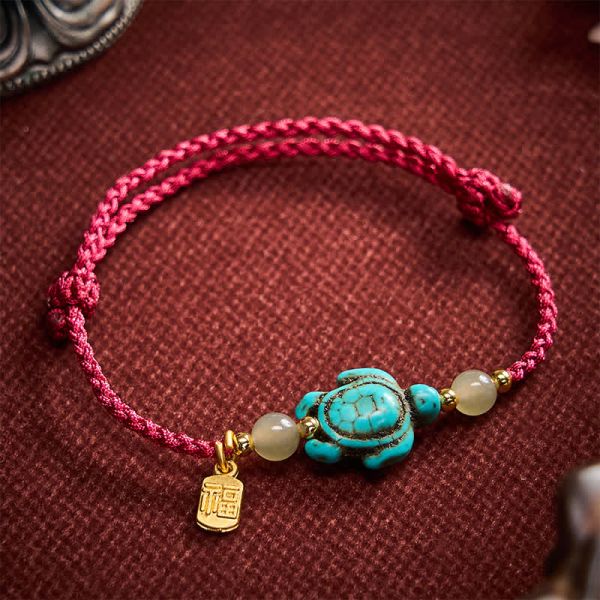 Buddha Stones Hand-Woven Turquoise Turtle Fu Character Jade Beads Luck Rope BraceletAs low as $25.59 Regular Price $34.58
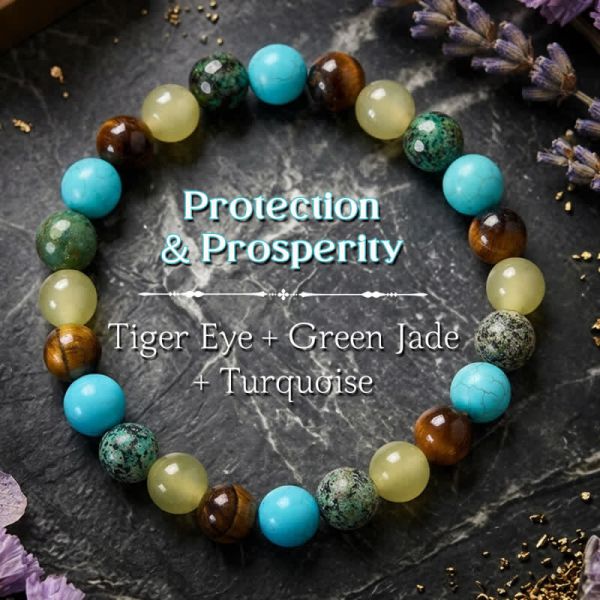 Buddha Stones Natural Tiger Eye Cyan Jade Turquoise Beaded Protection BraceletSpecial Price $25.59 Regular Price $36.04
 Buddha Stones Turquoise Beads Protection BraceletSpecial Price $25.59 Regular Price $34.12
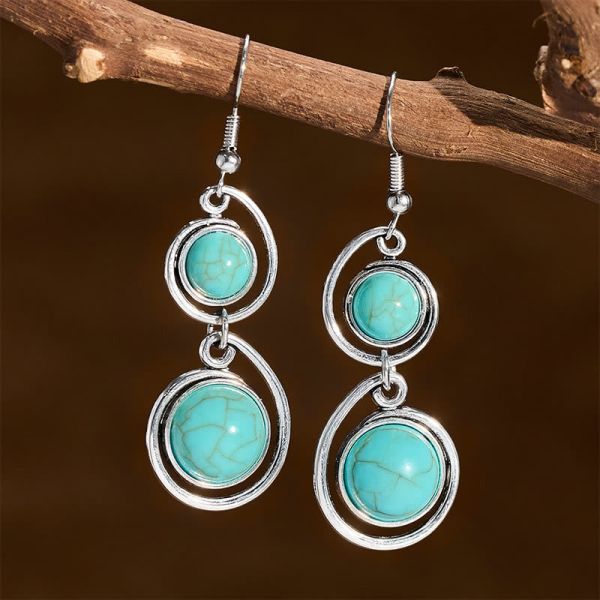 Buddha Stones Turquoise Beads Balance Long Drop EarringsSpecial Price $25.59 Regular Price $34.12