Thumb Ring Guide: Choose Your Material, Size, and Fit
A ring can pass over your thumb joint yet turn sideways once it reaches the base. That difference matters more than how it looks in a product photo. This thumb ring guide explains how to choose a material, match the size to your intended thumb, assess band shape, and check the fit during ordinary tasks. We suggest settling those decisions before choosing decorative details.
Start with these questions
- Which thumb will you use? Choose the hand first; a size that works on one thumb may not work on the other.
- What will your hands need to do? Consider writing, using a phone, handling cups, and fastening clothing.
- How much coverage do you want? A narrow band and a broad band can fit differently, even when their marked sizes match.
- Will the ring meet textured fabric? Raised edges and projecting details deserve attention if you often handle knits or fringe.
- How much upkeep suits you? Compare care requirements before choosing a finish or a design with detailed recesses.
A thumb ring guide to materials and finishes
Start with the actual material description. A silver-colored surface does not establish that a ring is silver, and a gold-colored surface does not establish that it is gold. Look for a clear distinction between the underlying material and any surface coating. If that information is missing, leave the material undecided rather than inferring it from a photograph.
Solid metal, plated metal, and rings with stones can need different care. A coating may wear at contact points, while a set stone adds edges and places where residue can collect. Choose the construction you are willing to maintain. We recommend reading the care instructions for the complete ring, including its finish and any decorative elements.
Then compare shape. A smooth interior and rounded edges are useful details to assess on a thumb, where the band sits beside the index finger.
Choose the size for the thumb you will use
Measure the intended thumb rather than borrowing the size of a ring worn on another finger. Use our ring measurement instructions for the measuring method, then compare your result with the size chart supplied for the ring. Check which sizing system the seller uses before ordering.
The joint and the resting position both matter. The ring needs to pass the joint with controlled movement, then stay reasonably steady at the base. If those two requirements conflict, changing the band shape may help more than moving repeatedly between adjacent sizes.
When possible, compare sizing bands close to the width you want. A thin measuring loop cannot fully represent a broad ring. Repeat the check on another occasion. If you fall between sizes, ask for guidance specific to that design instead of assuming that rounding up always works.
Check the band during ordinary hand movements
During a fitting, bend your thumb, bring it toward your index finger, and hold a pen or an empty cup. Check whether the edge presses against the neighboring finger or whether a raised detail rotates into your grip. The ring should stay in a usable position without requiring repeated adjustment.
A broad band may occupy more of the space between the thumb base and joint. If it interferes with bending, try a narrower profile before changing the size. Likewise, a ring that turns constantly may need a different shape rather than a tighter fit.
An adjustable band still needs checking. Follow its adjustment instructions and avoid repeatedly bending it back and forth. Before committing, confirm that you can remove the ring with a deliberate, gentle motion. Do not force a tight ring past the joint.
Care for the finish and the setting
Use care directions written for the ring’s actual materials. Do not assume that a cleaning method suitable for plain metal is also suitable for a coating, an adhesive, or a decorative insert. Start with a dry, nonabrasive cloth unless the maker gives different instructions.
Remove the ring before cleaning with household chemicals or doing work that could scrape or catch it. Put it in a dedicated compartment when it is off your hand. Check raised details and settings periodically; if an edge begins catching fabric, stop wearing it until the cause has been checked.
Scarf pairings to consider alongside your ring
The following accessories are scarves and a shawl. For an outfit pairing, choose the ring’s fit first, then consider color and pattern. Check that ring details will not catch when you arrange fabric or handle fringe.
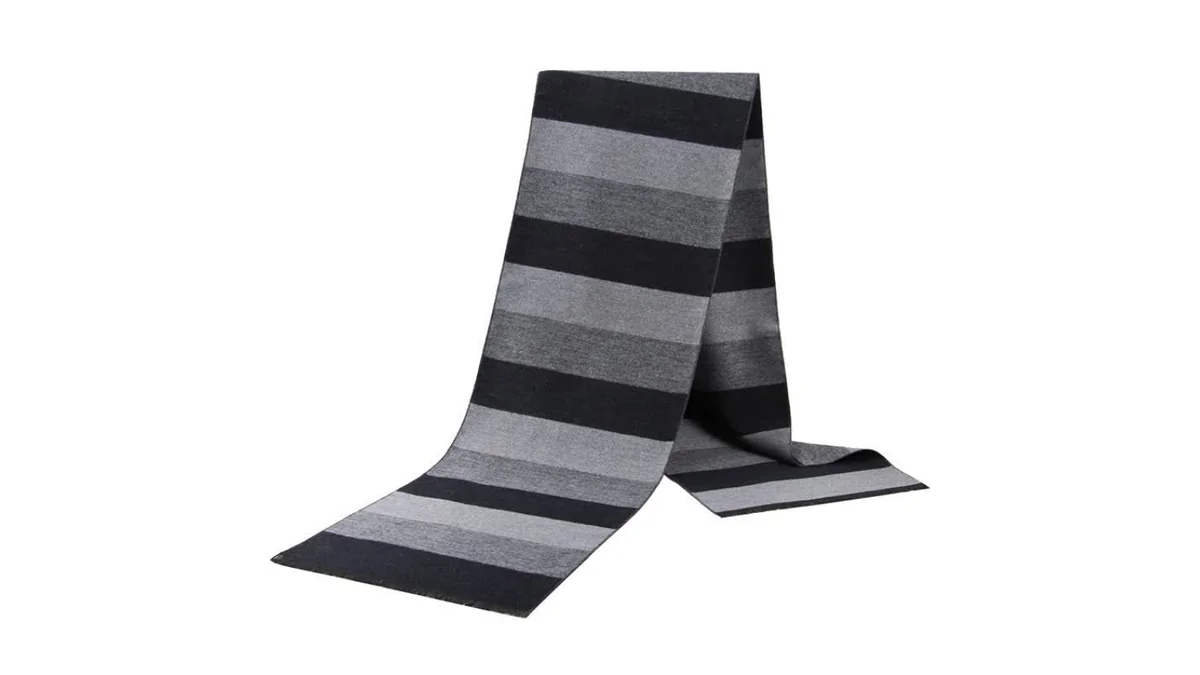
- Buddha Stones Classic Charcoal Stripe Fringe Men's Scarf is viscose, measuring Approx. 180 cm × 30 cm / 70.8 in × 11.8 in. Options are Beige, Black, Maroon, and Peru. The package contains one scarf.
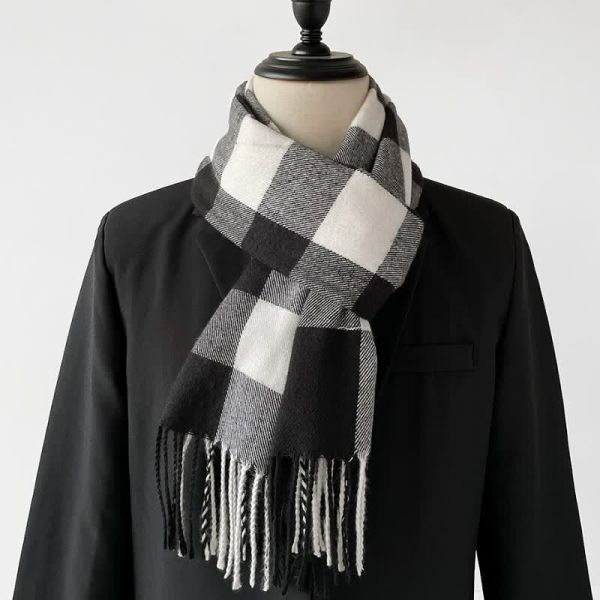
- Buddha Stones Classic Grey Plaid Fringe Cozy Men's Scarf is viscose, with dimensions of Approx. 32 cm × 180 cm / 12.5 in × 70.8 in. Available choices include Black, Gray Blue, and Gray Black Plaid. One scarf is included.
- Buddha Stones Dark Grid Tassel Layering Men's Scarf uses polyester and measures Approx. 200 cm × 130 cm / 78.7 in × 51.1 in. Color options are DarkSlateGray, DimGray, RosyBrown, and SaddleBrown. Its package contains one scarf.
- Buddha Stones Long Rectangular Plaid Fringed Men's Scarf has an item type of Shawl and a polyester material specification. Dimensions are Approx. 180 cm × 32 cm / 70.9 in × 12.6 in. Choose from Beige, Black, Crimson, or SteelBlue; one shawl is included.
Thumb ring FAQ
Does a thumb ring have a fixed meaning?
No single meaning applies everywhere. Interpretations depend on culture, setting, and personal intention. You can choose a thumb ring simply for its appearance. If a specific motif matters to you, examine that symbol separately rather than assuming that wearing it on the thumb gives it a universal message.
Should a thumb ring be larger than other rings?
Use the intended thumb’s measurement, not a rule about how many sizes to add. Your other rings can provide a visual comparison, but their size labels do not establish a thumb-ring size. Width, interior shape, and the difference between the joint and base also affect the choice.
Can I keep it on for every task?
Plan to remove it when it could catch on equipment, scrape against tools, or interfere with what you are holding. A suitable everyday fit does not make a ring suitable for every activity. Keep a designated place for it so removal becomes a straightforward part of using it.
Shop the story
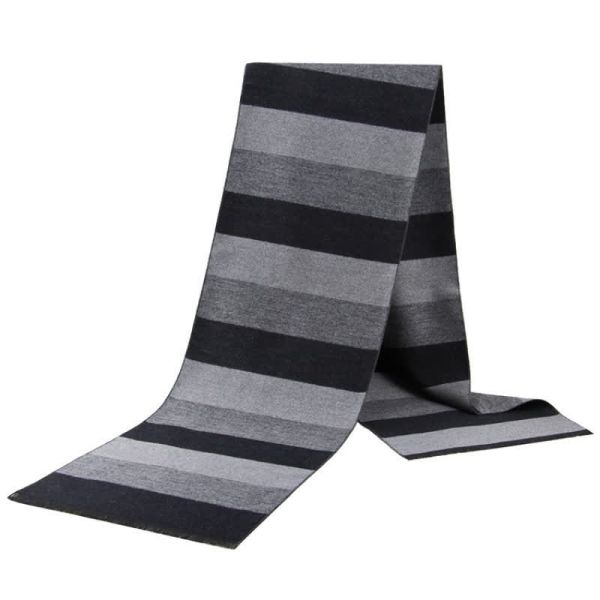 Buddha Stones Fall Winter Classic Charcoal Stripe Fringe Men's ScarfAs low as $21.59 Regular Price $30.41
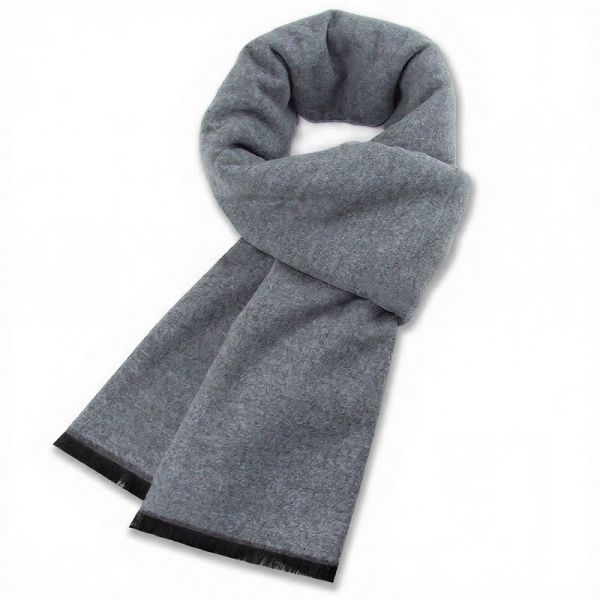 Buddha Stones Fall Winter Classic Grey Plaid Fringe Cozy Men's ScarfAs low as $22.59 Regular Price $30.95
 Buddha Stones Fall Winter Dark Grid Tassel Layering Men's ScarfAs low as $22.59 Regular Price $30.12