
Teapot Seasoning Guide for a Practical Home Tea Setup
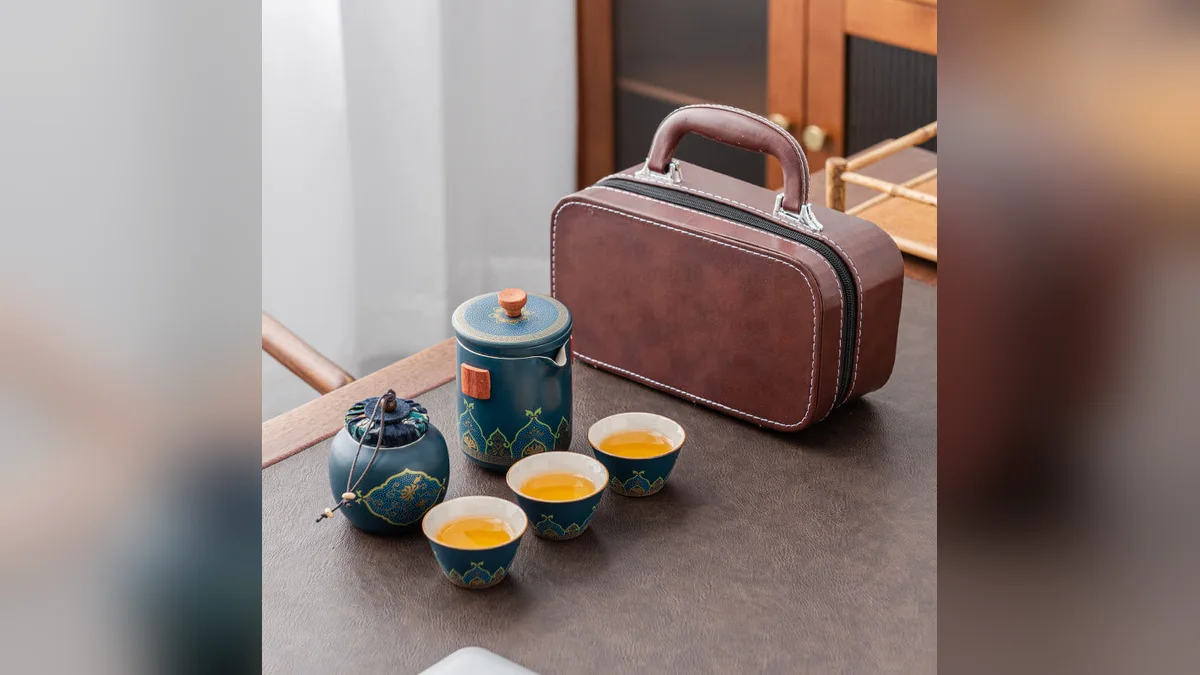
A teapot belongs on a stable table or tea tray with room to pour. This teapot seasoning guide begins with a distinction: seasoning is associated with some unglazed clay teapots, while glazed ceramic and porcelain generally need washing and rinsing before use. In traditional gongfu tea practice, arranging the brewing vessel, cups, and wastewater container makes serving orderly. At home, start by checking the material and care instructions, then prepare the pot gently and choose a practical place for it.
Choose Capacity and Material Before a Position
Begin with the amount of tea you plan to serve in one round. A small brewing vessel suits repeated short infusions into small cups. A larger pot holds more tea at once, but it also needs more clearance for lifting, pouring, and setting down. Capacity describes the vessel; tea leaves and space below the rim reduce the amount you actually pour.
Consider your cups alongside the pot. Their combined capacity should accommodate a round of tea, or you will need a separate serving vessel. Leave space for the lid, a cloth, and a container for discarded water. A shelf that holds a pot for display may still be too narrow for brewing.
Ceramic is a broad material description. It does not establish whether a pot has an unglazed interior or belongs to a particular clay tradition. Porcelain and glazed ceramic generally do not need a tea coating. Some unglazed clay pots are dedicated to one tea type because the porous material can retain aromas. Follow instructions for the specific vessel rather than assuming its color or texture tells you how to season it.
Teapot Seasoning Guide for Your Tea Tray
Place the brewing vessel where you can lift it without reaching across cups or a kettle. Keep the spout directed toward the pouring area, with the handle accessible. Traditional tea arrangements vary; there is no single household compass direction required for preparing a teapot.
A tray helps define the serving area. Use a surface that tolerates moisture and heat, and keep it away from the table edge. A decorative tray without drainage still needs a separate container for rinse water. Leave the kettle cord clear of handles and walking routes.
Prepare the vessel gently
- Read any supplied care instructions. Check the rim, lid, handle, and spout for visible damage before adding hot water.
- Wash as directed for the material. For glazed surfaces, mild dish soap and a nonabrasive sponge are generally suitable; rinse thoroughly.
- Bring the vessel toward brewing temperature gradually with warm water. Avoid pouring boiling water into a very cold pot.
- Empty the warming water, add tea, and brew according to the tea’s directions. You do not need to leave tea inside afterward.
- Remove the leaves after brewing, rinse, and let the interior dry completely before storage.
For an unglazed clay pot, use the maker’s preparation directions. Seasoning routines differ, and elaborate boiling methods are not a universal requirement. Do not simmer an unidentified ceramic vessel with its lid knocking against the pot, or add oil, milk, sugar, or fragrance to build a coating.
Separate brewing space from display space
A nearby shelf can hold dry teaware between sessions. Keep frequently used pieces within easy reach, with lids resting securely. Avoid stacking vessels unless they are designed for it. Display the pot with enough surrounding space that you can remove it without moving several other objects.
If your room also has incense or scented decor, keep those items apart from open teaware and stored tea. For a lidded bowl, our gaiwan handling instructions explain the pouring technique in more detail.
Keep the Pot Clean and Let It Dry
Daily care matters more than creating a visible stain. Empty wet leaves after the session rather than keeping them overnight. Rinse the interior, the underside of the lid, and the spout. Let the vessel cool before washing, and avoid sudden changes between hot and cold water.
For glazed teaware, use a soft sponge and mild dish soap when needed, then rinse away the soap. Avoid abrasive pads that can scratch surfaces. Treat an unglazed clay pot according to its maker’s directions; strongly scented cleaners can leave unwanted odors in porous material.
Dry the outside with a clean towel and leave the lid off while the interior air-dries. Check narrow spouts and lid recesses before putting the pot away. A closed cabinet or travel bag is suitable only after the contents are fully dry.
Do not assume a ceramic teapot is suitable for a dishwasher, microwave, stovetop, or candle warmer. Those uses require specific instructions. A base beneath a pot does not by itself establish that the vessel can be heated over a flame.
Tea stains are not a requirement for proper use. If residue remains after ordinary washing, choose a cleaning method approved for that vessel. Do not conceal cracks with continued use; set damaged teaware aside.
Four Buddha Stones Teaware Listings to Compare
Our product details below distinguish capacities, options, and stated contents. The ceramic material descriptions do not specify whether the interiors are glazed.
Flower Gongfu Travel Tea Set
The Buddha Stones Flower Chinese Gongfu Ceramic Travel Tea Set has a ceramic teapot with a capacity of 300 milliliters and cups with a capacity of 55 milliliters. Configuration options include one teapot, three cups, and one bag; some options add a tea can and specify a handbag or small bag. The tea can capacity is 180 milliliters. Color options include Black, Cyan, and Red. Cup patterns may differ slightly while retaining a similar overall appearance.
Vintage Ink Painting Mountain Teaware
The Buddha Stones Vintage Ink Painting Mountain Ceramic Teaware page offers cup, tea can, tea strainer, teapot, and six-piece tea utensil set options. The stated material is ceramic, and cup capacities range from 40 to 295 milliliters. The teapot option has a capacity of 220 milliliters; the tea can option holds 210 milliliters.
Peking Opera Mask Pattern Teaware
The ceramic Buddha Stones Peking Opera Mask Pattern Teaware has three options: a 65-milliliter cup, a 125-milliliter gaiwan teacup, and a 160-milliliter teapot. Additional cup accessories shown in the photographs are display items excluded from the cup purchase.
Retro Brown Teapot With Base
The Buddha Stones Retro Brown Ceramic Teapot With Base has a stated teapot capacity of 700 milliliters. Its material is ceramic, with Brown, Brown Beige, and Brown Green options. Additional cup accessories in the photographs are excluded from the teapot purchase, and candles are not supplied.
Leave the Tea Space Ready for Next Time
A useful home tea arrangement gives the pot a stable resting place, provides room for pouring, and allows thorough drying afterward. We recommend treating seasoning as a material-specific practice rather than a required ceremony for every new vessel. Check the instructions, prepare the teaware gently, and return it to its shelf or tray only when clean and dry.
Shop the story
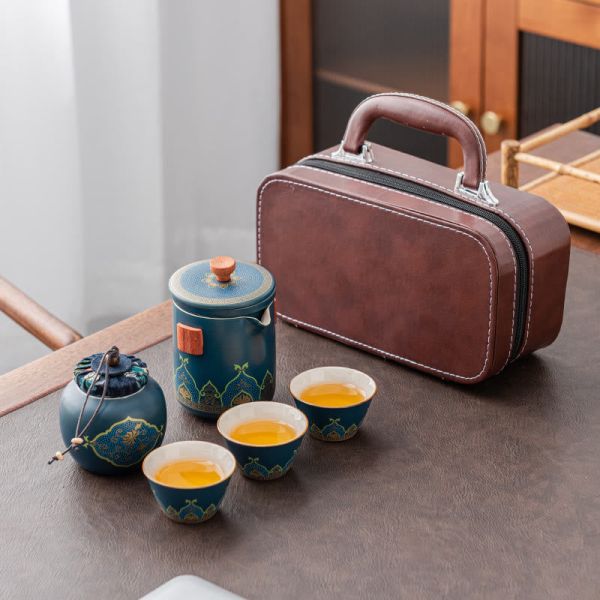 Buddha Stones Flower Chinese Gongfu Ceramic Teapot Portable Outdoor Travel Tea Set BagAs low as $73.59 Regular Price $98.12
 Buddha Stones Vintage Ink Painting Mountain White Porcelain Ceramic Gaiwan Sancai Teacup Kung Fu Tea Cup And Saucer With Lid Tea Utensil TeapotAs low as $25.59 Regular Price $34.12
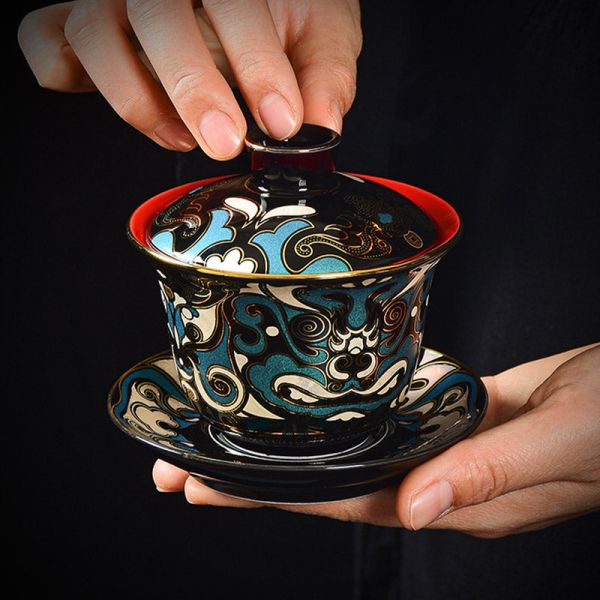 Buddha Stones Peking Opera Mask Pattern Ceramic Gaiwan Sancai Teacup Kung Fu Tea Cup And Saucer With Lid TeapotAs low as $25.59 Regular Price $34.12
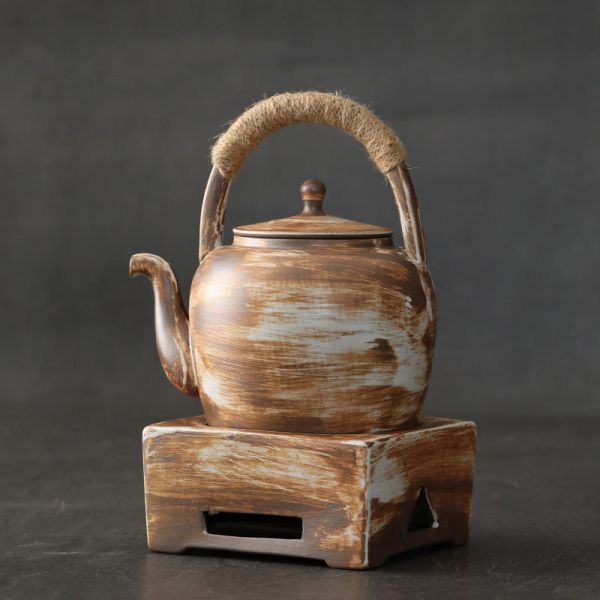 Buddha Stones Retro Brown Chinese Gongfu Tea Ceramic Kung Fu Teapot 700ml With BaseAs low as $135.59 Regular Price $183.23