
Chinese Tea Ceremony Basics: Arrange Your Home Table
Teacups rest on a tray at the center of a home tea table. Chinese tea ceremony basics begin with arranging clean vessels, steeping loose leaves, separating the brewed tea from the leaves, and serving your guests. In gongfu tea practice, a compact brewing vessel and repeated infusions often shape the service. Place the brewing vessel within the host’s reach, with drinking cups toward the guests and somewhere to collect discarded water.
Traditions vary by household and region, so there is no single arrangement to copy exactly.
Choose cup sizes and materials around your serving plan
Start with the number of people at the table and how you intend to serve them. For repeated rounds, smaller drinking cups let you divide an infusion among several guests. A larger cup suits a larger serving, but its capacity does not tell you how much tea your brewing vessel can supply. Compare those volumes before deciding how many cups to set out.
Allow room around the cups for fingers and pouring. A tray that holds everything tightly may leave nowhere to put a lid or move a hot vessel. Arrange your existing equipment on the table before choosing additional pieces.
Ceramic is a common teaware material, but appearance alone does not establish care requirements or suitability for direct heat. Follow any specific instructions supplied with a vessel. Do not assume that a drinking cup can also serve as a brewing bowl, kettle, or stovetop pot.
A practical starting arrangement includes a brewing vessel, drinking cups, and a container for waste water. A serving pitcher is useful for dividing one infusion among several cups. Decorative objects are optional.
Chinese tea ceremony basics: placement and pouring
Give the pouring area a clear boundary
Choose a stable table with enough depth to keep hot vessels away from its edge. Place a tray or suitable water-resistant surface beneath the brewing area. If your tray has no drainage system, keep a separate waste-water bowl nearby; a serving tray should not be assumed to hold spilled water.
Keep the kettle where its handle is easy to reach without crossing over cups or guests. Leave its cord clear of walking routes. Set drinking cups where guests can reach them without leaning across the kettle or brewing vessel.
Keep spare cups on a nearby shelf until needed. Return them to storage only after they are clean and dry. A shelf used for display can hold unused teaware, while the working table holds the pieces needed for that session.
There is no required compass direction for an ordinary home tea table. Let access, available space, and the movement of hot water guide placement. Keep personal jewelry and devotional items beyond the wet area; neither is necessary for brewing or serving tea.
Follow a repeatable serving sequence
- Prepare the vessels. Set out clean equipment and check that cups sit securely. If you warm the vessels with hot water, empty that water into the waste container before brewing.
- Add tea and water. Follow guidance appropriate to the tea you have chosen. Leaf quantity, water temperature, and steeping time vary, so avoid treating one recipe as a rule for every tea.
- Separate the infusion from the leaves. Pour into a serving pitcher, or distribute the tea among the cups. Avoid leaving a partly emptied brewing vessel standing between rounds, since the remaining liquid continues to steep.
- Serve manageable portions. Leave space below the rim so cups can be handled without spilling. Offer tea without requiring guests to finish quickly or accept another serving.
- Repeat as appropriate. Add fresh water for another infusion while the leaves still produce tea you wish to serve. Adjust your brewing approach according to the tea and the instructions accompanying it.
If your brewing vessel is a gaiwan, our gaiwan handling instructions explain the lid position and pouring grip. Practice the movement with cool water before handling hot tea.
Hospitality belongs in the arrangement as much as equipment does. Leave room for a guest to set down a cup, explain unfamiliar vessels briefly, and allow people to decline another round. An orderly service does not require everyone to follow identical gestures.
Clean the tea table before returning pieces to storage
Remove used leaves after the session and empty collected water. Rinse away loose residue before it dries onto the vessels. For ceramic teaware without more specific care directions, gentle hand washing with mild dish soap and a nonabrasive sponge is a conservative starting point. Rinse thoroughly so no detergent remains.
Allow hot ceramics to cool before washing; avoid moving them directly from hot water into cold water. Abrasive powders and metal scrubbers can damage surfaces. Check rims and handles for damage, and stop using a vessel for hot drinks if it has a crack or a sharp chip.
Wash any waste-water container and wipe the table beneath the tray. Let vessels dry completely before enclosing them in a cabinet. Store cups with enough separation that their rims do not knock together.
Keep wooden jewelry away from wash water and tea spills. Do not use tea-table cleaning products on beads, rope, or elastic. Handle those items separately from your teaware.
Our cups and a separate personal accessory
Auspicious Crane ceramic teacup
The Buddha Stones Auspicious Crane Ceramic Teacup comes in ceramic. Its size options are 6.2cm*4.8cm*70ml, 7.5cm*4.6cm*110ml, 7cm*4.2cm*100ml, and 7cm*5.2cm*100ml. The stated capacity range is 70-110 milliliters. Other accessories appearing beside the cup in photographs are excluded from the purchase.
Blooming Flowers Jianzhan teacup
The Buddha Stones Blooming Flowers Pattern Chinese Jianzhan Teacup has a stated size of 12.4cm*7.4cm*330ml(Diameter*Height). Its material specification is ceramic/dark iron body and unique glaze, and its capacity is 330 milliliters.
Blue Dragon ceramic teacup
The Buddha Stones Blue Dragon Design Ceramic Teacup is ceramic. Its option labels read “Cup 80ml” and “Cup With Lid 180ml,” while the capacity specifications state 80 milliliters and 100 milliliters. Those two sets of capacity information differ. Other photographed accessories do not come with the cup.
Phoebe Zhennan wood mala bracelet
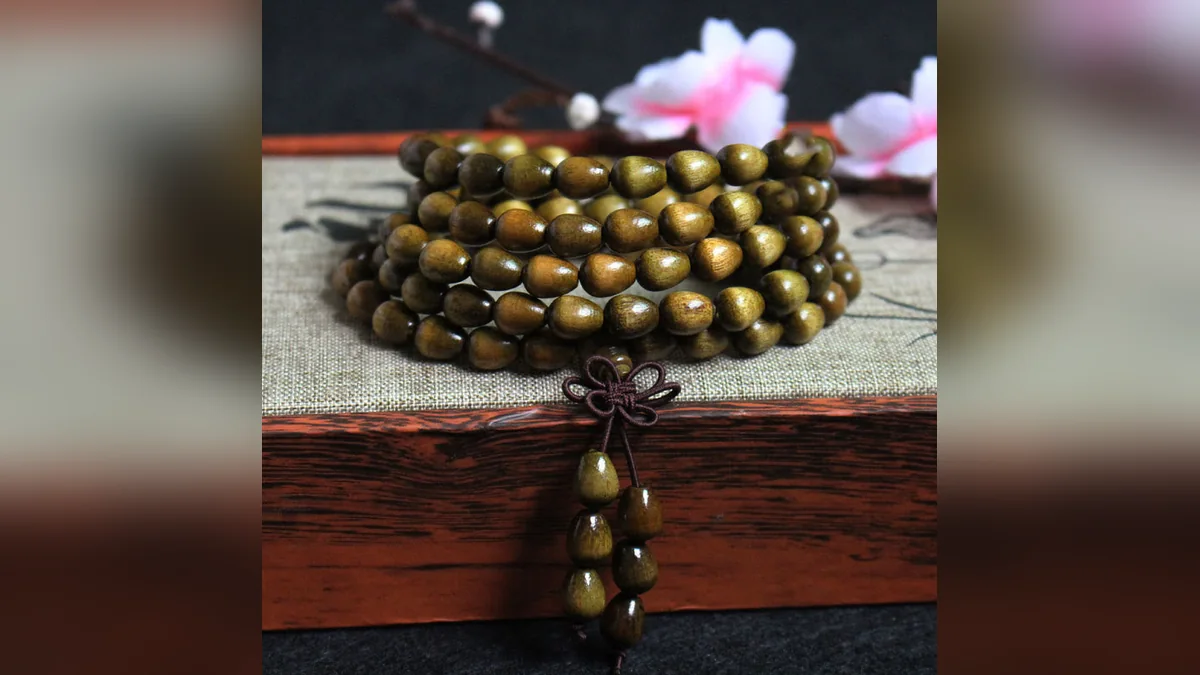
The Buddha Stones 108 Mala Teardrop Phoebe Zhennan Wood Bracelet is a unisex bracelet and mala made with Phoebe Zhennan Wood and rope. It has 108 beads measuring 7*9mm, premium elastic string, and a specified wrist circumference of 14-19cm. “Protection” in its full name expresses a traditional wish, with no protection guaranteed.
Leave the table ready for another serving
A home tea arrangement works when you can reach the vessels, pour without crowding, and clear everything afterward. Begin with the equipment your serving plan requires. Add another cup or a decorative object only when there is room for it. The practical foundation remains straightforward: clean teaware, suitable brewing instructions, orderly placement, and consideration for the people sharing the table.
Shop the story
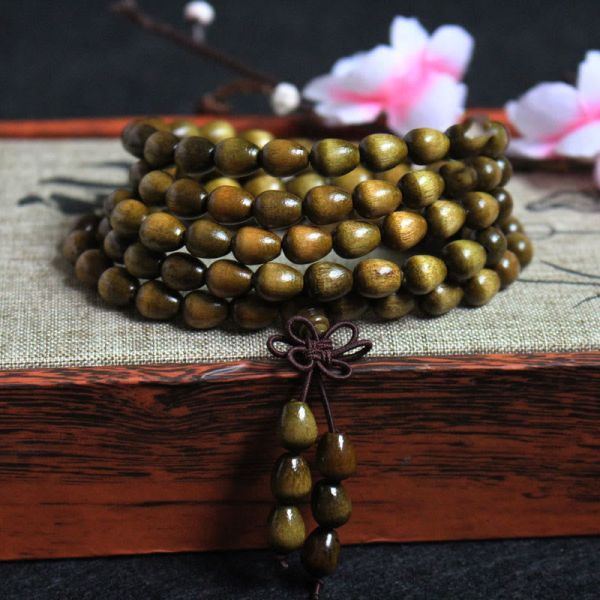 Buddha Stones 108 Mala Teardrop Beads Natural Phoebe Zhennan Wood Protection BraceletSpecial Price $25.59 Regular Price $34.12
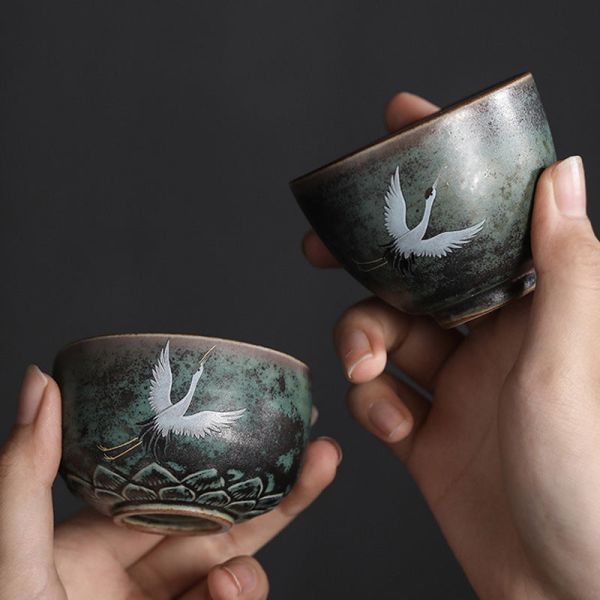 Buddha Stones Auspicious Crane Ceramic Teacup Kung Fu Tea Cup BowlAs low as $25.59 Regular Price $34.58
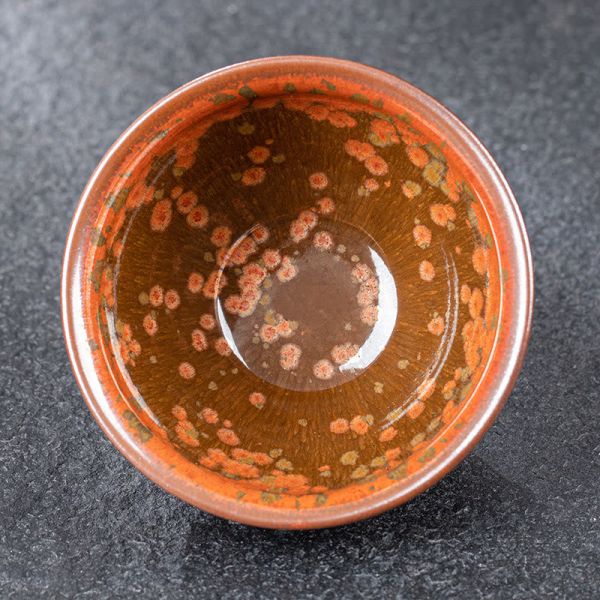 Buddha Stones Blooming Flowers Pattern Chinese Jianzhan Kiln Change Ceramic Teacup Kung Fu Tea Cup BowlSpecial Price $35.59 Regular Price $50.13
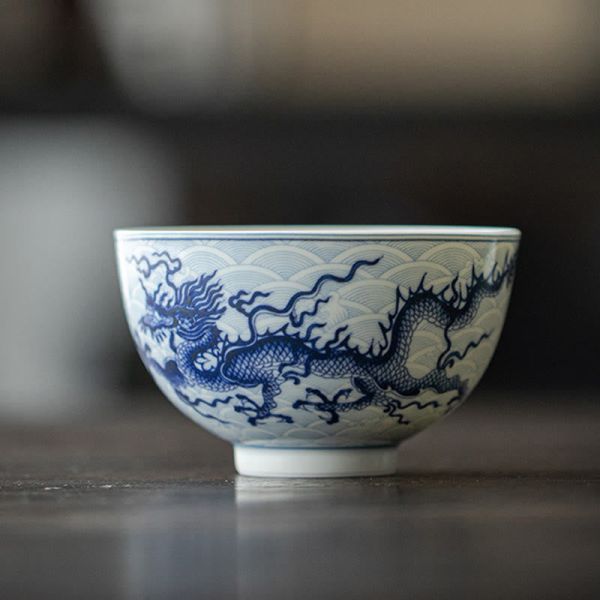 Buddha Stones Blue Dragon Design Ceramic Teacup Kung Fu Tea CupsAs low as $34.59 Regular Price $47.38