Ring Stacking Guide: Choose Bands That Work Together
Two bands that fit separately can feel tighter when stacked on one finger. Their combined width changes the fit, while raised settings may prevent neighboring rings from sitting together. This ring stacking guide explains how to choose a starting piece, compare materials and widths, check the complete arrangement, and care for rings worn side by side. At Buddha Stones, we suggest settling those practical questions before adding more pieces. A useful stack leaves room for movement and gives the details you want to show enough space.
Start with these questions
- Which ring will lead the arrangement? Choose a band, stone setting, or decorative motif that you want to remain visible, then build around its shape.
- Will the rings share one finger? A stack on one finger needs a combined fit check. Rings spread across several fingers need space between neighboring settings.
- How much width can you comfortably wear? Consider the total area covered by the bands, including any gaps created by their profiles.
- What will your hands be doing? Typing, handling fabric, and putting on gloves can help determine whether low settings suit your plans.
- Which pieces can touch? Check for exposed stone edges, projecting details, and finishes that could rub against adjacent bands.
Build your ring stacking guide around one clear detail
Start with your chosen ring by itself. Decide what you want to emphasize: its outline, its color, or the contrast between a plain band and a detailed surface. Add one neighboring ring and check whether that detail remains visible. Continue only if another piece contributes something you can identify.
For a restrained arrangement, repeat one feature, such as a metal color or a rounded band profile. For more contrast, change one feature at a time. A smooth band beside a textured ring makes the difference easier to judge than several competing textures added together.
You can also distribute the arrangement across your hand. A wider ring on one finger and a narrower band on another creates separation without requiring the pieces to nest together. Leaving a finger bare is a valid part of the composition.
Choose materials and finishes with contact in mind
Metal color is a styling choice; material information is a buying check. Read the description for the underlying metal, any plating, and any stones or decorative additions. Similar colors do not establish that two rings have the same composition or care requirements.
Mixed metal colors can work together when you repeat them deliberately. You might pair two plain bands in different colors, then stop there. If a ring already combines metal colors, use one of those colors elsewhere to connect the arrangement.
Look beyond the top view. An exposed stone edge or a projecting setting may rub against a neighboring ring. Plated surfaces can also show wear where bands repeatedly touch. If two pieces scrape or catch against each other, place them on separate fingers. A spacer band changes the contact points, so it still needs its own careful check.
Check total width, finger space, and setting height
A ring size describes only part of the fit. Band width, interior shape, and the number of rings sharing a finger also matter. Avoid buying every component solely because one narrow ring in that size fits you.
If you need a starting measurement, our instructions on how to measure ring size explain that separate step. For a stack, follow it with a fitting check of the intended combination whenever possible.
- Put the rings in the order you plan to wear them. Notice whether their edges sit together or leave uneven gaps.
- Open and close your hand, then bend your fingers as you would for ordinary tasks. The stack should allow normal movement.
- Check neighboring fingers. Wide shoulders and projecting settings should not knock together whenever your hand closes.
- Remove the rings in order. If removal becomes difficult, reduce the stack and reassess the fit before wearing it again.
Do not assume that a raised setting will fit neatly over another band. Its underside may block the adjacent ring. Contoured bands can accommodate some shapes, but the actual pairing determines whether they sit together.
Care for the places where rings meet
Separate your rings before cleaning so you can reach the surfaces hidden within the stack. Follow the care directions for the specific metal, finish, stones, and settings. A method suitable for one component may be unsuitable for another.
Before putting the arrangement back together, inspect contact edges for rough spots and check whether settings catch on fabric. If a stone moves or a setting appears damaged, set that ring aside for professional assessment.
Remove rings before tasks involving abrasive materials or cleaning chemicals. During storage, keep pieces from rubbing together by using individual compartments or pouches. Check fabric care labels separately when jewelry and clothing share an outfit.
Scarf options for coordinating the rest of your outfit
Once the rings work together, use clothing color to connect the wider outfit. A scarf can provide a color reference without requiring another ring. Keep raised settings clear of fringe when arranging fabric. Our options below give you specific materials, dimensions, and colors to compare.
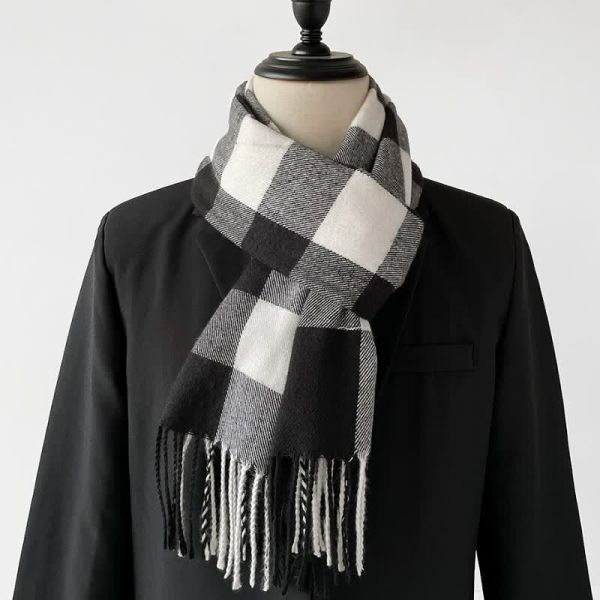
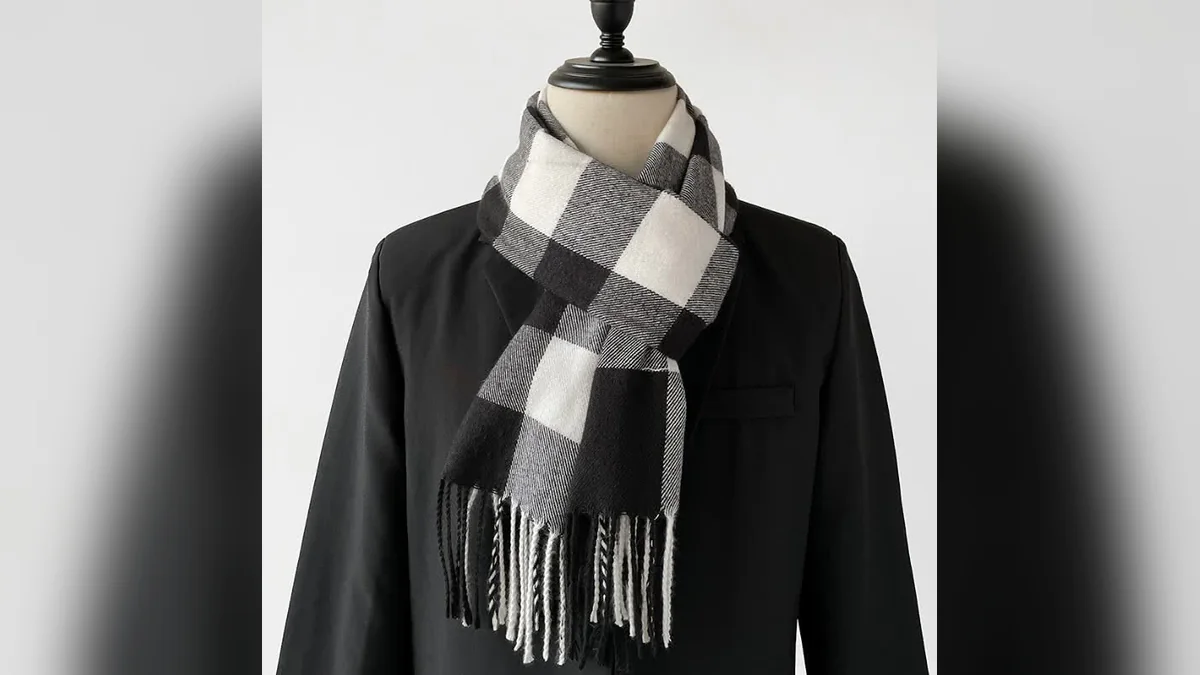
The Buddha Stones Fall Winter Long Rectangular Plaid Fringed Men's Scarf is polyester, with dimensions of Approx. 180 cm × 32 cm / 70.9 in × 12.6 in. Its options are Beige, Black, Crimson, and SteelBlue. Start with your preferred clothing color, then decide whether repeating a ring's metal color elsewhere adds anything useful.
The Buddha Stones Fall Winter Plaid Fringe Cozy Knit Men's Scarf is polyester and measures Approx. 200 cm × 60 cm / 78.7 in × 23.6 in. Choose among Black, DarkOliveGreen, MidnightBlue, and Sienna. Consider these color options alongside the clothes you already plan to wear.
The Buddha Stones Fall Winter Soft Drape Fringe Edge Men's Scarf has polyester as its material and dimensions of Approx. 200 cm × 60 cm / 78.7 in × 23.6 in. Available options are DimGray, OliveDrab, Peru, and SteelBlue.
The Buddha Stones Spring Fall Artful Textured Everyday Men's Scarf is viscose, measuring Approx. 200 cm × 70 cm / 78.7 in × 27.6 in. Its options are Beige, Black, DarkOliveGreen, DimGray, SaddleBrown, SteelBlue, and Tan. Compare the stated dimensions with your preferred scarf proportions before choosing.
FAQ
How many rings should you stack on one finger?
There is no required number. Begin with two and judge their combined width, movement, and contact points. Two broad bands may occupy more space than several narrow ones. Stop adding pieces when the arrangement restricts movement, crowds a joint, or hides the detail you intended to feature.
Should every ring in a stack be the same size?
Not necessarily. Width and interior profile affect fit, and rings placed on different fingers need their own sizing decisions. Avoid automatically ordering a larger size for every stacking band. Ask about the intended combination and check it together when possible.
Can you stack rings with different setting heights?
Yes, provided the shapes leave enough room for one another. Inspect the underside and sides of the taller setting. If it presses against another ring or exposes a stone edge to repeated contact, separate the pieces across different fingers. Keep the arrangement that fits and moves freely.
Shop the story
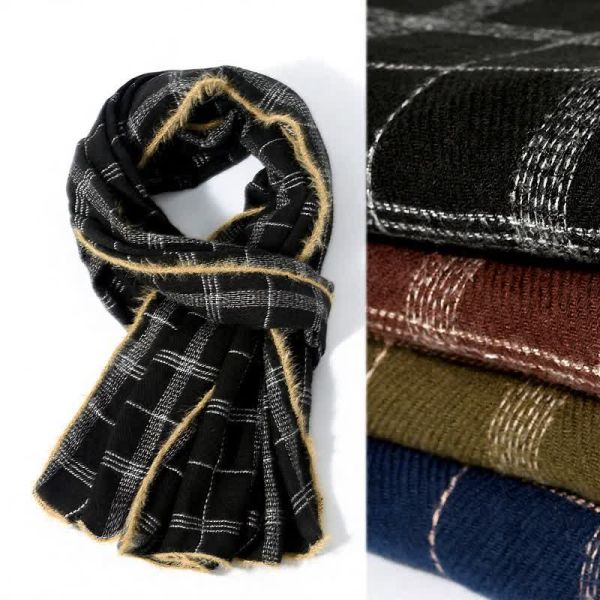 Buddha Stones Fall Winter Plaid Fringe Cozy Knit Men's ScarfAs low as $21.59 Regular Price $29.99
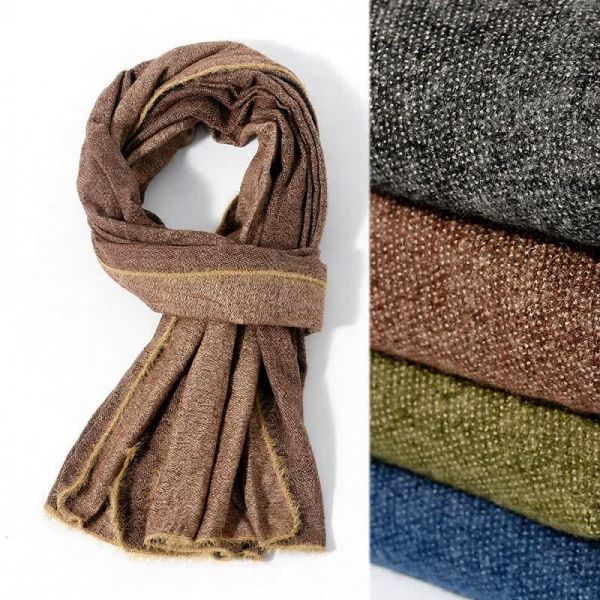 Buddha Stones Fall Winter Soft Drape Fringe Edge Men's ScarfAs low as $22.59 Regular Price $30.12
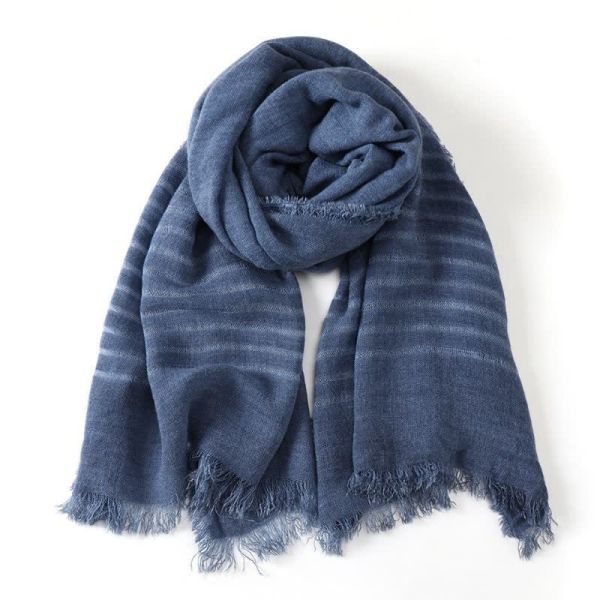 Buddha Stones Spring Fall Artful Textured Everyday Men's ScarfAs low as $22.59 Regular Price $31.38