
Peony Meaning: From Chinese Gardens to Gift Motifs
The peony is called the king of flowers, huawang, in China. Known as mudan, it stands for wealth and honor, fu gui (富贵), as well as beauty, spring, and a full, flourishing life. This peony meaning appears on wedding textiles, porcelain, and paintings as a cultural wish for a prosperous life.
Its associations developed across centuries of cultivation, admiration, and artistic use. A flower celebrated in gardens became a familiar motif on objects used, displayed, and given. These meanings are traditions: a peony design can express a wish, but it cannot guarantee prosperity or another result. Following its history helps explain why the same blossom belongs on both a wedding textile and an everyday accessory.
A short history
- Early cultivation: Peonies have been cultivated in China for well over a thousand years. Long attention to the living flower provides the background for its place in decorative art. Its meaning grew alongside appreciation for the plant itself.
- Tang dynasty, 618–907: The capital, Chang'an, became famous for a peony craze. Admiration for the flower was part of urban culture, helping explain its lasting connection with splendor and social distinction.
- The era of Wu Zetian, around 700: A popular legend says the empress ordered flowers to bloom in winter. When the peony refused, she banished it to Luoyang. This is a legend about the flower, rather than a documented account of its arrival there.
- Song dynasty, 960–1279: Ouyang Xiu wrote Luoyang Mudan Ji, an account of Luoyang's peonies. His work reflects the attention paid to the city's flowers and their cultivation, beyond their use as a decorative motif.
- Today: Luoyang still holds a peony festival each spring. The seasonal celebration continues the city's association with the flower, connecting present-day gardens with the reputation recorded centuries earlier.
Why the peony means wealth and honor
The full bloom gives the association an immediate visual language: abundant petals suggest fullness and flourishing. Its celebrated place in Chinese gardens and art adds another layer. Wealth and honor here belong to a cultural vocabulary of good wishes, where a flower can stand for the kind of life someone hopes another person will enjoy.
The phrase guo se tian xiang (国色天香), meaning “national beauty and heavenly fragrance,” is often used for the peony. It expresses admiration for the flower's beauty and the high regard in which it has been held.
On a wedding textile, a peony can offer a wish for a flourishing shared life. On porcelain or in a painting, it may express admiration, abundance, or honor. Context matters: an inscription, an accompanying bird, or the occasion for a gift can make the intended message more specific. A blossom alone does not tell you everything about an object's meaning.
Peony pairings in Chinese art
Peony and phoenix. This pairing often appears in wedding motifs, bringing the flower's associations with wealth and honor into a celebratory composition. Look at the whole design before assigning a precise message. A phoenix among blossoms can carry several related wishes, and the same pairing need not have an identical purpose on every object.
Peony and magpies. Magpies traditionally suggest joy and happy news. Beside peonies, they can turn a floral scene into a wish combining happiness with prosperity. Their presence gives the composition a different emphasis from a picture centered only on the flowers.
Peony in a vase. Chinese decorative art often uses words that sound alike to build a message. The word for vase, ping, sounds like the word for peace. A peony arranged in a vase can therefore join wishes for peace with those for wealth and honor. The vessel contributes to the symbolism rather than serving only as a container.
These combinations reward looking beyond the largest bloom. Birds, vessels, and written words can explain why an artist chose the peony for a particular scene.
Tree peony or garden peony
The distinction starts with the stems. Tree peonies are woody shrubs; their branches remain above ground through winter. Garden peonies, usually meaning herbaceous peonies, die back each winter and send up new growth in spring. The word “tree” can be misleading if you picture a tall trunk rather than a shrub.
This difference is useful when reading descriptions of living plants. A stylized flower on fabric or jewelry, however, may not show enough botanical detail to identify the plant confidently. Overlapping petals alone do not settle the question. You can discuss the design as a peony motif without assigning a species or assuming that its symbolism depends on a precise botanical identification.
Giving peony motifs as gifts
A peony motif can accompany a wedding gift, a birthday present, or a gesture of congratulations. Keep the message personal and plain: “A wish for a full and flourishing life” explains the tradition without making a prediction. For a wedding, you might connect that wish to the couple's shared future.
Consider the recipient's preferences alongside the symbolism. Someone who likes floral accessories may appreciate a brooch; someone who enjoys tea may prefer a cup. The meaning adds context, while the object should suit the person receiving it.
Peony meaning in everyday objects
Our peony designs place the motif on accessories, teaware, and decor. The details below distinguish the available forms, so you can consider their practical features alongside the flower's traditional associations.
A flower brooch
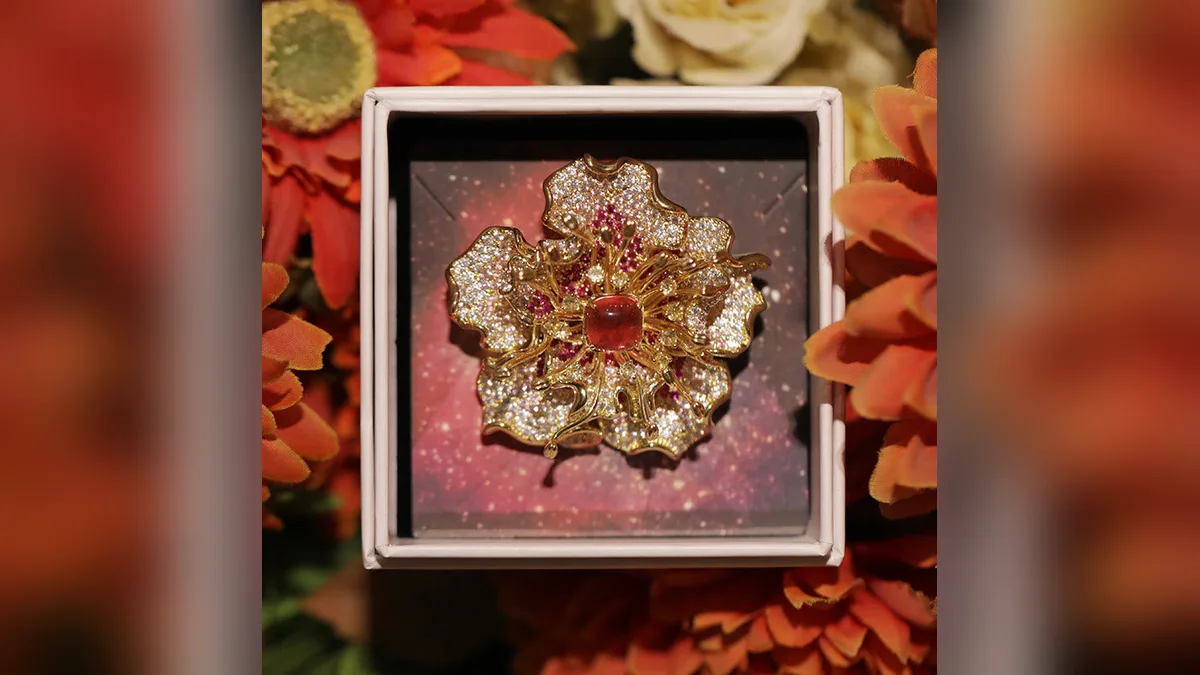
The Peony Flower Copper Brooch comes in green peony and red peony options. Made of copper and metal, it measures about 5.5 × 5.2 cm / 2.17 × 2.05 in. Like the flower, “Prosperity” in the title is a wish in the old decorative sense. Avoid crushing or pressing the brooch, and keep it in a dry, dust-free place. For placement ideas, our brooch styling article covers ways to wear this type of accessory.
An embroidered long purse
The Peony Flower Su Embroidery Long Purse combines polyester with handmade embroidery. Su embroidery means Suzhou-style embroidery. The purse measures 20 × 10 cm and weighs about 320 g. It has one zippered pocket, multiple card slots, and a magnetic buckle. Eleven color options are available.
A ceramic teacup
The Vintage Lotus Peony Plum Blossom Chrysanthemum Ceramic Teacup offers four capacities: 65, 95, 120, and 140 ml. The material is ceramic. Choose the capacity according to the amount of tea you prefer to pour at a time.
A liuli flowerpot decoration
The Peony Lotus Liuli Flowerpot Decor includes pink peony and purple peony options, alongside lotus colors. Made of liuli, it measures approximately 6.5 × 6.5 × 9 cm and weighs about 200 g. Its handmade production means color, shape, and size can vary slightly between pieces. The peony options offer the familiar floral wish in a decorative form that can remain on display beyond the flowering season.
Shop the story
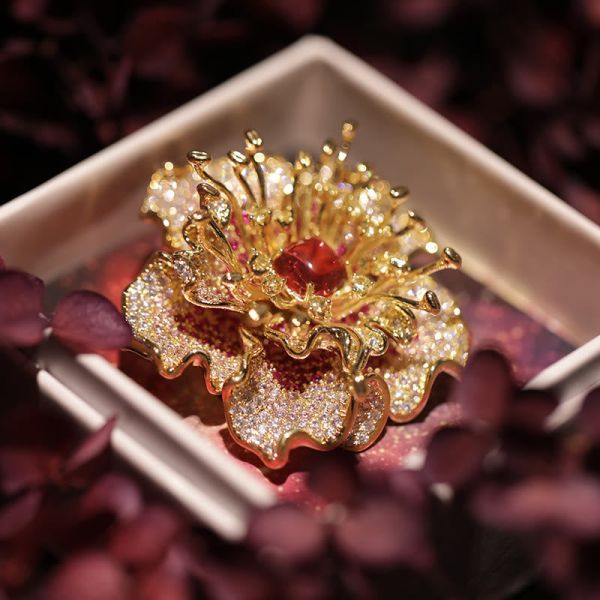 Buddha Stones Peony Flower Prosperity Copper BroochAs low as $96.59 Regular Price $132.32
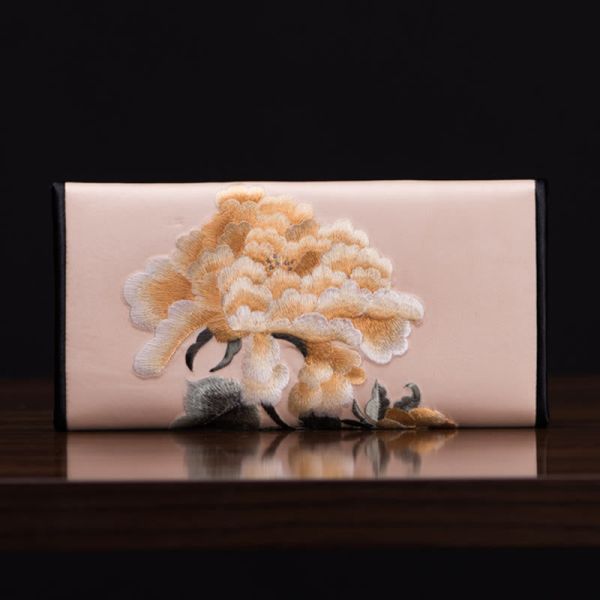 Buddha Stones Peony Flower Su Embroidery Journey Shopping Long Purse HandbagAs low as $73.59 Regular Price $102.21
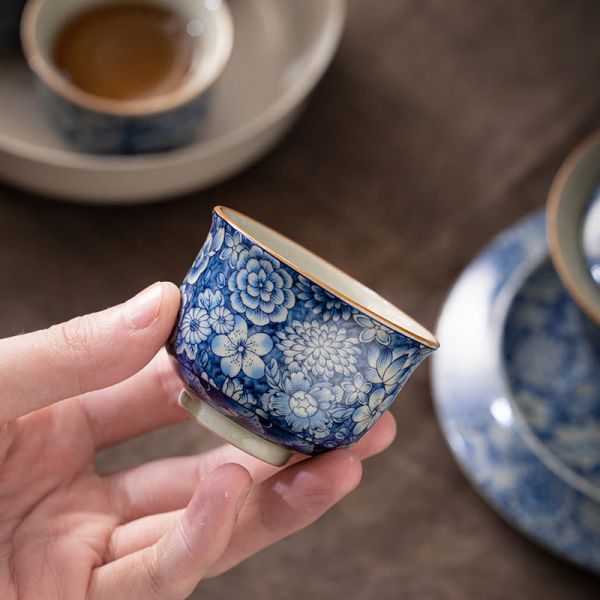 Buddha Stones Vintage Lotus Peony Plum Blossom Chrysanthemum Ceramic Teacup Tea CupsAs low as $21.59 Regular Price $29.58
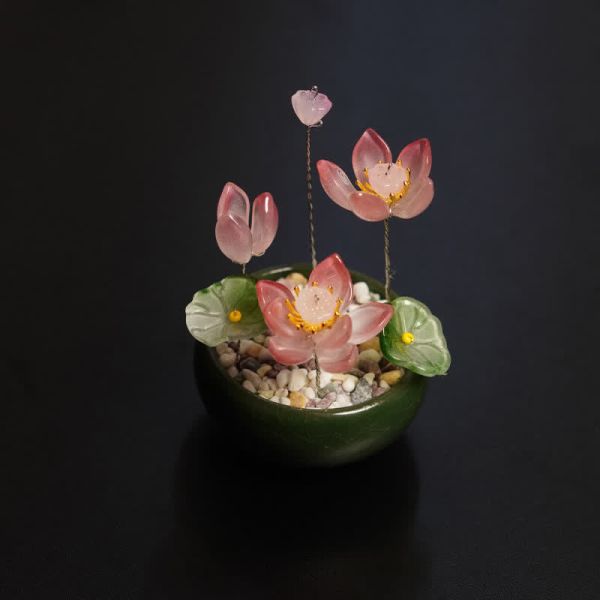 Buddha Stones Peony Lotus Liuli Flowerpot Handmade Mindful Living DecorAs low as $39.59 Regular Price $54.23