
Meditation Session Setup Through the Dharma Wheel
Eight spokes radiate from the center of a Dharma wheel. In Buddhist tradition, this motif represents the Buddha’s teaching, with eight spokes commonly standing for the Noble Eightfold Path. A meditation session setup can give that meaning a visible place through a chosen image and a few relevant objects. No particular arrangement is required. Associations with luck, wealth, or protection belong to traditional belief; symbols cannot guarantee these outcomes.
At Buddha Stones, we distinguish a symbol’s meaning from a product’s stated details. Understanding the wheel also means noticing its surroundings: a pair of deer, a lotus, a textile border, or the objects placed beside it.
The first teaching and the turning wheel
The Sanskrit name dharmachakra combines the terms for teaching or law and wheel. Buddhist tradition describes the Buddha’s first teaching at the Deer Park in Sarnath as setting the wheel of Dharma in motion. The image refers to teaching being shared and continued.
An eight-spoked version commonly represents right view, intention, speech, action, livelihood, effort, mindfulness, and concentration. These belong to a connected path of Buddhist practice. The spokes share a center and meet a common rim, making the wheel a useful visual expression of their relationship.
Not every historical Dharma wheel has eight spokes. Artists have used different forms across Buddhist cultures, so counting spokes alone does not establish an object’s meaning. A surrounding scene, inscription, or place of display can provide essential context. The familiar eight-spoked design is a starting point for recognition, rather than a rule covering every example.
Reading the motif in art, textiles, jewelry, and festivals
In Buddhist art, a wheel can stand for the teaching without a full narrative scene. When deer appear beside it, the composition points more specifically toward the first teaching at the Deer Park. Look at the whole arrangement before interpreting a small detail in isolation.
On textiles, the wheel may appear within a group of auspicious emblems or as part of a repeating border. A repeated design gives the motif a different visual role from a single wheel placed at the center of an image. Repetition does not establish a separate doctrine or a stronger promise.
In jewelry, a wheel motif brings a public religious emblem into a smaller, personal format. Some people choose it to express an affiliation with Buddhist teachings; others value its symbolic reference. A pendant’s outline cannot tell you the wearer’s beliefs, practice, or level of religious knowledge.
During festivals and communal observances, Buddhist emblems can appear on banners and temporary decorations. Their presence places them within a shared religious occasion. Local customs differ, and a wheel on a festival banner should not be treated as a universal instruction for decorating a home practice space.
Deer, lotus flowers, and other companions
Two deer beside a wheel identify a different context from a wheel surrounded by the Eight Auspicious Symbols. In Tibetan Buddhist imagery, this group includes the wheel, lotus, parasol, paired fish, treasure vase, conch, endless knot, and victory banner. They may appear together or separately. Their grouping is a traditional visual vocabulary, not a list of results that owning an object will produce.
A lotus beside the wheel adds another familiar Buddhist reference: purity and awakening. Its presence need not imply that the two motifs are interchangeable. The wheel refers to the teaching, while the flower carries its own associations.
A prayer wheel is also distinct from a flat, spoked Dharma wheel emblem. It is a rotating ritual object associated with mantra practice. Our explanation of Om Mani Padme Hum discusses the six-syllable mantra commonly associated with Tibetan prayer wheels.
A bell and dorje form another traditional pairing in Tibetan Buddhist ritual, commonly associated with wisdom and method. Their use belongs to particular practices; displaying them does not establish that a ritual has been performed.
A meditation session setup centered on meaning
Start by deciding what the wheel represents in your space. If your purpose is to acknowledge Buddhist teaching, one clearly visible image can express that choice. You do not need to arrange eight objects around it to match the spokes.
- Choose a readable position. Place the image where its outline and surrounding symbols remain visible. Avoid covering an inscription or separating elements that belong to one composition.
- Give objects separate places. Leave enough room to pick up anything you plan to use without moving the rest of the arrangement.
- Follow the practice you know. If a teacher or community provides instructions for ritual objects, use those instructions. Their placement and handling can vary by tradition.
- Keep ordinary items practical. A seat belongs where you intend to sit. Jewelry can remain something you wear rather than becoming part of a display.
The arrangement can be modest. A session does not require a complete collection of symbols, matching colors, or a prescribed number of accessories. The distinction between an image you display and an instrument you use helps keep your choices clear.
Words such as “Protection” in our product names express traditional wishes only. They do not describe a guaranteed property of the item.
Product details: necklace, prayer wheel, bell set, and seat
Lotus necklace specifications
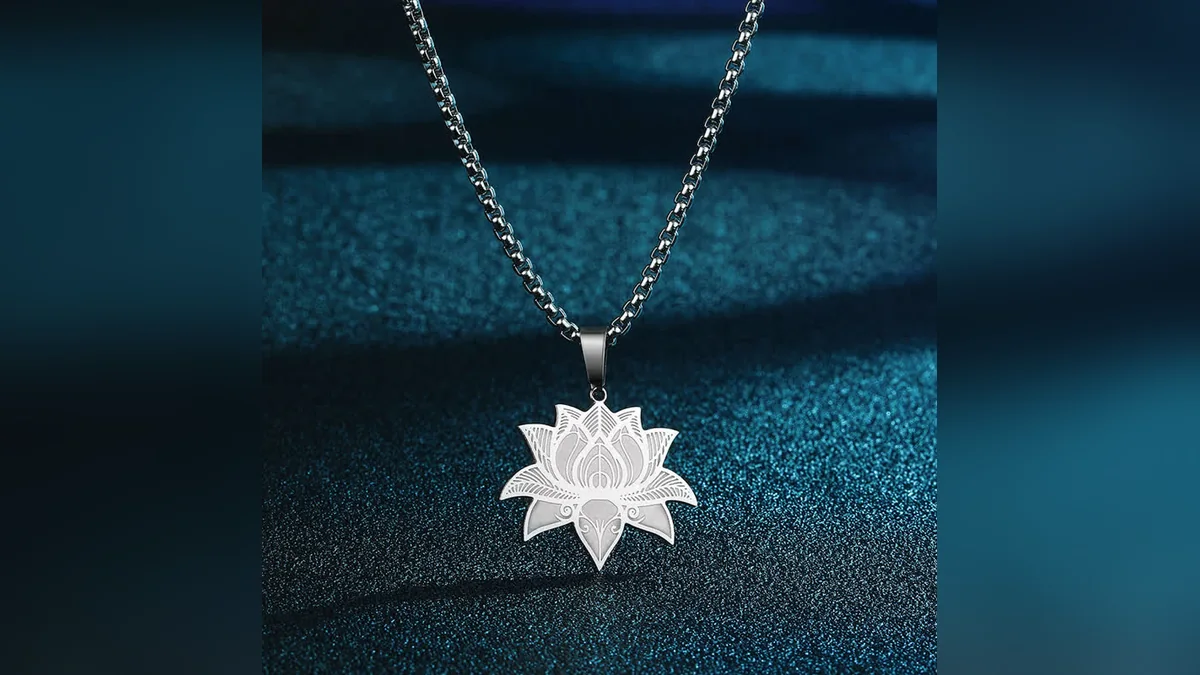
Our Meditation Lotus Titanium Steel Chain Necklace is a titanium steel necklace with Gold and Steel options. Its necklace length is Approx. 23.6 in / 60 cm, and its pendant size is Approx. 1.0 × 0.9 in / 2.7 × 2.5 cm. The package contains 1 × Necklace. SKU: BSP-BS232208E64A1.
Six True Words prayer wheel specifications
The Tibetan Prayer Wheel Six True Words Copper Meditation Decoration has Black and Gold options. Its material specification is Copper, Electroplated, and its item types are Decoration and Prayer Wheel. The size is 5cm*19cm (Diameter*Height), with Handle 12cm. The separate Prayer Wheel measurement is 5*5cm. Weight: 266g. Gender: Unisex. SKU: BSP-BS157465E200.
Copper bell and dorje set specifications
The Tibetan Meditation Bell and Vajra Dorje Copper Decoration Set is copper. Its item types are Decoration, Meditation Bell and Dorje. The package contains one meditation bell and one dorje. Available option labels are Gold, Large, Medium, Silver, and Small. The stated weight is 430g-445g. SKU: BSP-BS1658CA8D40.
Memory foam seat pad specifications
The Memory Foam Meditation Seat Cushion Chair Pad has Memory Foam and Cotton materials and the item type Decoration. Sizes are 35*35*4cm and 40*40*4cm; stated weights are 500g and 700g. Color option labels are Gray, LightGrey, LightSteelBlue, and PowderBlue. SKU: BSP-BS2097D11ECC.
Let context guide the arrangement
A wheel gains meaning from the teaching it represents and the symbols around it. For your meditation session setup, let that context guide what you display and what you use. A clear arrangement can acknowledge a tradition without turning its imagery into a promise.
Shop the story
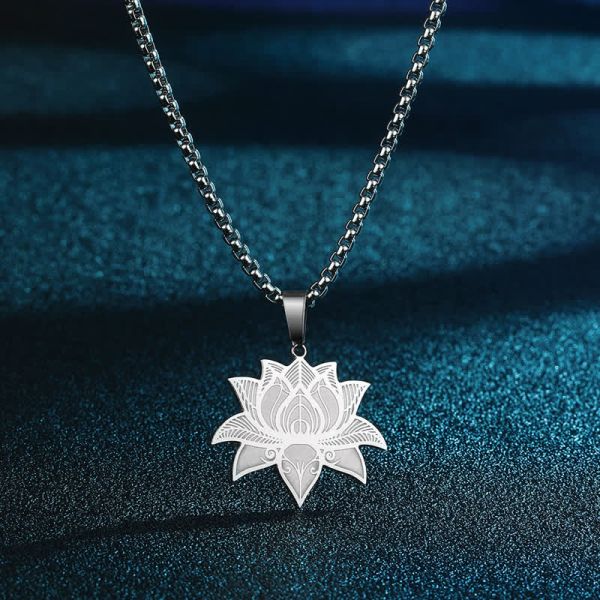 Buddha Stones Meditation Lotus Titanium Steel Chain Protection and Purity NecklaceAs low as $25.59 Regular Price $35.54
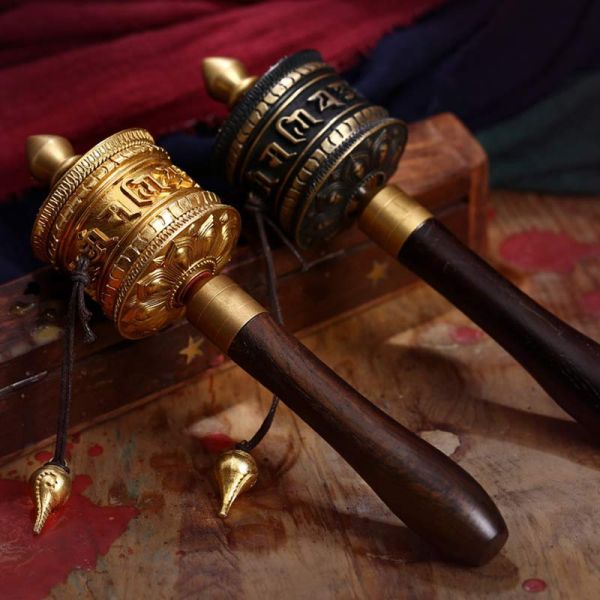 Tibetan Prayer Wheel Six True Words Copper Meditation DecorationAs low as $129.59 Regular Price $168.44
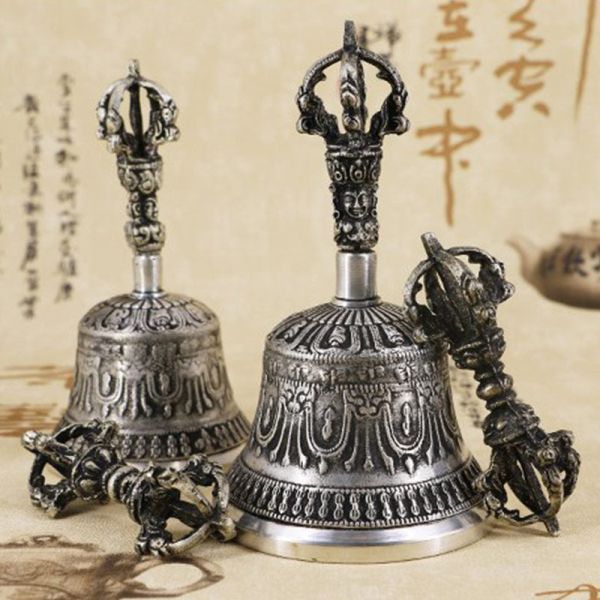 Buddha Stones Tibetan Meditation Bell and Vajra Dorje Copper Decoration SetAs low as $72.59 Regular Price $102.24
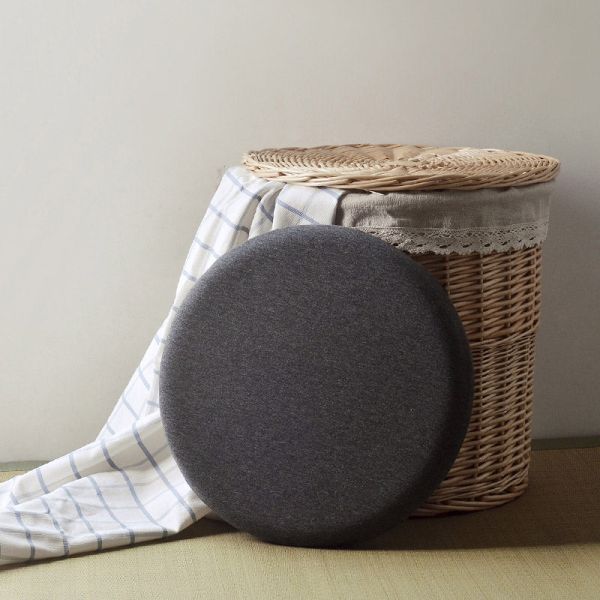 Memory Foam Meditation Seat Cushion Chair Pad Home Living Room DecorationAs low as $71.59 Regular Price $100.83