Mandala Meaning: Sacred Diagrams and Everyday Patterns
Mandala is the Sanskrit word for circle. In Hindu and Buddhist traditions, a mandala is a circular, symmetrical diagram that maps a sacred space or the universe and serves as a support for ritual and contemplation. Understanding mandala meaning begins with that religious purpose. The word also appears on patterned clothing, teaware, and practice accessories, where it describes a decorative design.
These uses deserve a clear distinction. A ritual mandala belongs to a particular tradition, with prescribed forms and ways of working with it. A repeating flower printed on a yoga block may borrow its circular arrangement without serving the same role. Our mandala pattern products are decorative pieces; the religious forms give the term its context.
Mandala meaning: the word and the basic form
The circle gives a mandala its broad outline, but the interior may contain squares, triangles, petals, and other shapes. Many designs arrange these elements around a center, repeating them across balanced sections. A square within a circle is therefore entirely consistent with a mandala. The word does not mean that every line inside the diagram must curve.
What matters in a traditional example is the relationship between its parts. The center, surrounding spaces, boundaries, and entrances belong to an ordered whole. Its geometry expresses a sacred arrangement rather than simply filling an empty surface with ornament.
That distinction also explains why a circular pattern alone cannot identify a particular ritual mandala. Similar outlines can appear in different contexts. To understand a religious example, look for its tradition, central figure, and intended use alongside its shape.
Mandalas in Tibetan Buddhism: a palace with four gates
Many Tibetan Buddhist mandalas present a sacred palace viewed from above. A square palace sits within surrounding circles, and four gates face the four cardinal directions. A deity occupies the center. Other figures, symbols, and architectural details may appear around that central presence according to the particular mandala.
This arrangement is a religious map. The central deity and the palace belong together within a specific Buddhist practice; they are not interchangeable decorative elements. Practitioners use the mandala as a support for ritual and contemplation under the guidance of their tradition.
The outer rings often show fire, vajras, or lotus petals. Their repeated forms mark successive boundaries around the palace. Their meanings depend on the mandala and the teachings associated with it, so a single explanation should not be applied to every example.
A mandala may also appear within a Tibetan religious painting. Our introduction to what a thangka is explains that broader painting format. A thangka and a mandala describe different things: one is a type of painting, while the other is a sacred diagram that can take several material forms.
Sand mandalas and the teaching of impermanence
Tibetan monks build sand mandalas grain by grain over several days. Colored sand forms the boundaries, palace, figures, and intricate details of the prescribed design. The finished image can be elaborate, yet its completion does not mean it will be kept as a permanent object.
At the close of the ritual, the monks sweep the mandala away. They often pour the gathered sand into flowing water. In Buddhist tradition, this deliberate dismantling teaches impermanence: even something made with sustained care is subject to change.
The building and the sweeping away belong to the same ritual. Looking only at a photograph of the completed surface leaves out that ending. The temporary form matters precisely because it will not remain intact. A decorative print, by comparison, preserves a pattern for continued use; it does not reproduce the ceremony simply by resembling its geometry.
Mandalas beyond Buddhism: yantras and circular drawings
Hindu traditions also use sacred diagrams, including yantras. These can combine circles, squares, triangles, and a central point in arrangements associated with particular deities and ritual practices. Yantra and mandala are related terms in discussions of sacred geometry, but they should not be treated as interchangeable names for any symmetrical design.
Carl Jung also took an interest in circular drawings and interpreted mandala forms in relation to wholeness. That was a modern interpretive approach, distinct from the ritual roles of Hindu and Buddhist diagrams. His interest helps explain the word's wider modern use without replacing its religious context.
Ritual mandalas versus decorative mandala patterns
A ritual mandala is defined by more than appearance. Its prescribed design, religious setting, and use within a tradition are part of what it is. Some practices involve consecration or specific instruction. Copying the visible pattern onto an everyday object does not give that object the same ritual status.
Our products discussed below are decorative pattern pieces, not consecrated objects. The mandala wording identifies their designs. It does not establish that they reproduce a particular deity's palace or have been prepared for a religious ceremony.
You can appreciate the repetition, color, and central arrangement without assigning a ritual meaning to every petal. When discussing a design whose religious identity is unknown, calling it a mandala-inspired pattern is a clear description. If you want to study a specific traditional mandala, seek an explanation connected to that tradition rather than inferring its meaning from a similar retail pattern.
Mandala pattern products for practice, tea, and dress
The practical choice here concerns the object itself: a block for seated practice, a ceramic cup for tea, or a patterned shawl. Pattern may sway the decision, yet material, size and daily use still deserve their own look.
A foam block with six mandala print colors
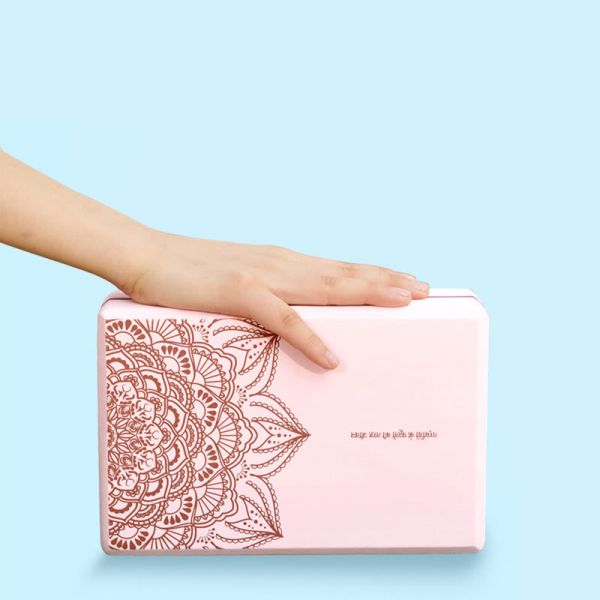
Our Tibetan Mandala foam yoga block is made of high-density ethylene vinyl acetate (EVA). It measures 23 × 15 × 7.5 cm and weighs 220 g. Mandala prints come in black, blue, gray, pink, purple, and red. A block can serve as a firm seat or prop during seated practice.
A cork block with four design options
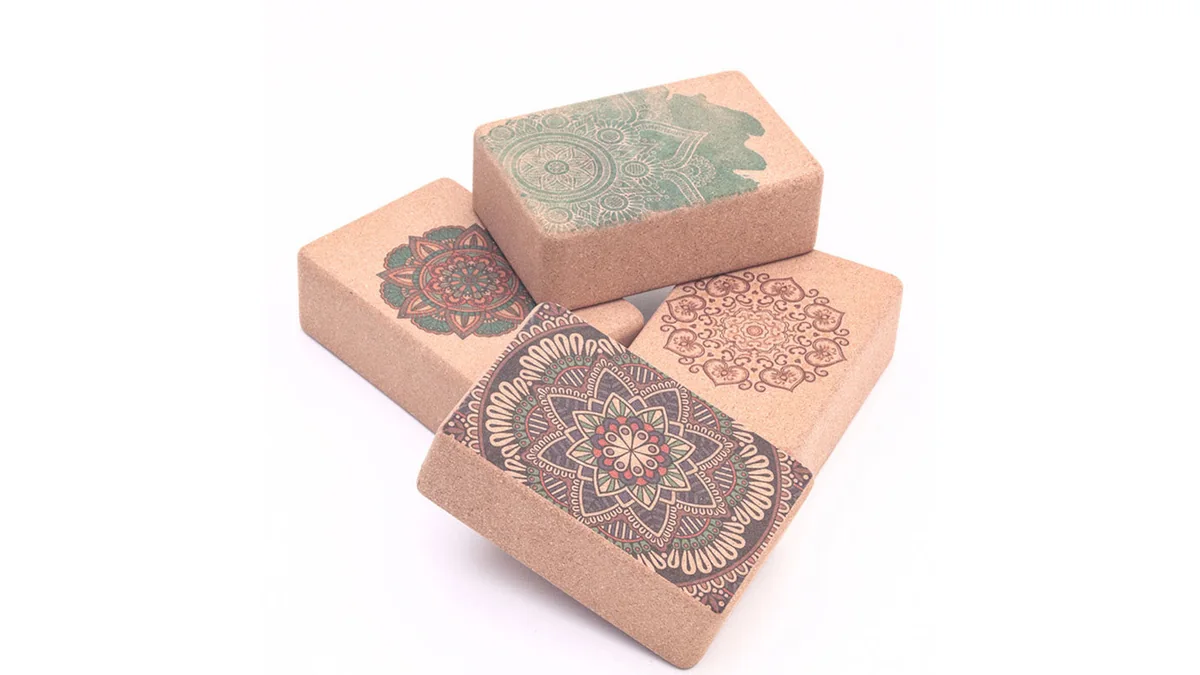
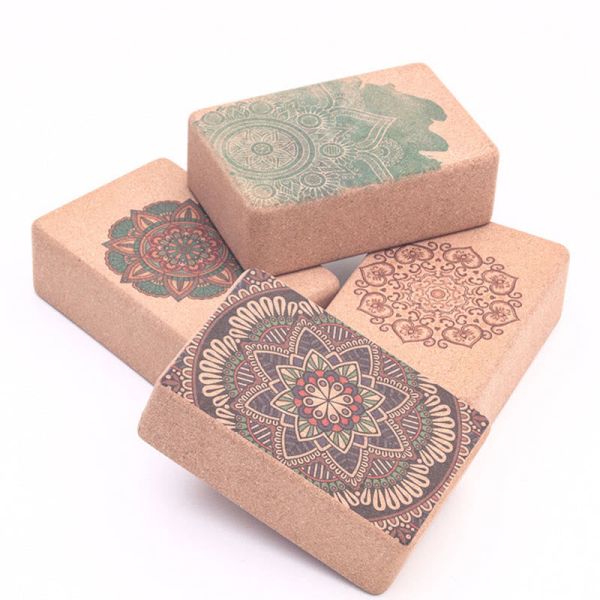
The Tibetan Mandala cork yoga block is made of cork, measures approximately 22.5 × 15 × 7.5 cm, and weighs approximately 750 g. Its options are Green Mandala, Green Mandala Flower, Green Red Mandala, and Love Heart Mandala. These names distinguish the available decorative designs.
A mandala flower option among ten teacup patterns
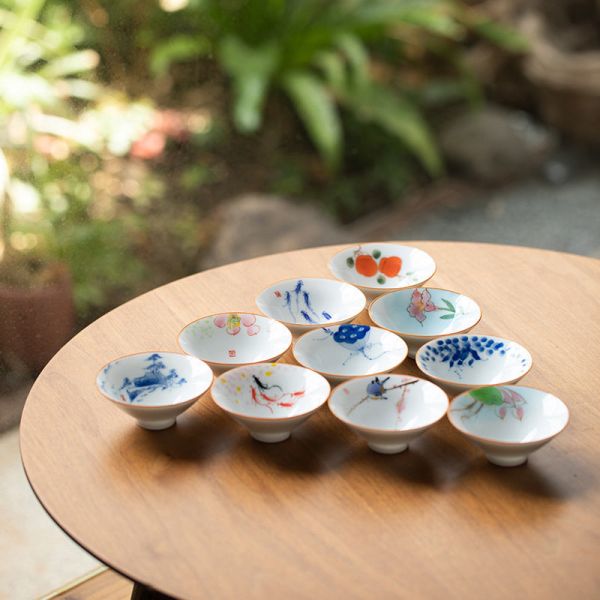
Our Mandala Flower teacup is ceramic, measures 8.3 cm × 3.3 cm, and holds about 50 ml. Mandala Flower is one of ten pattern options in this cup range. Select that option if the circular flower pattern is the detail you want; the other options have different subjects.
A mandala geometric border shawl
The Mandala geometric border print tassel shawl is polyester and measures approximately 185 cm × 65 cm / 72.8 in × 25.6 in. Its color options are Firebrick, Khaki, Orange, and Peru. Here, the mandala-inspired pattern belongs to an item of dress, rather than a ritual diagram.
Keeping the context in view
Mandala meaning rests first in the traditions that use these diagrams to represent sacred space. Knowing that context leaves room to appreciate a decorative pattern for its own qualities. A printed object can accompany an ordinary activity while the ritual mandala retains its distinct religious purpose.
Shop the story
 Buddha Stones Tibetan Mandala Mindful Soft Non-Slip Foam Yoga BlockAs low as $23.59 Regular Price $33.23
 Buddha Stones Tibetan Mandala Mindful Yoga Cork BlockAs low as $49.59 Regular Price $68.88
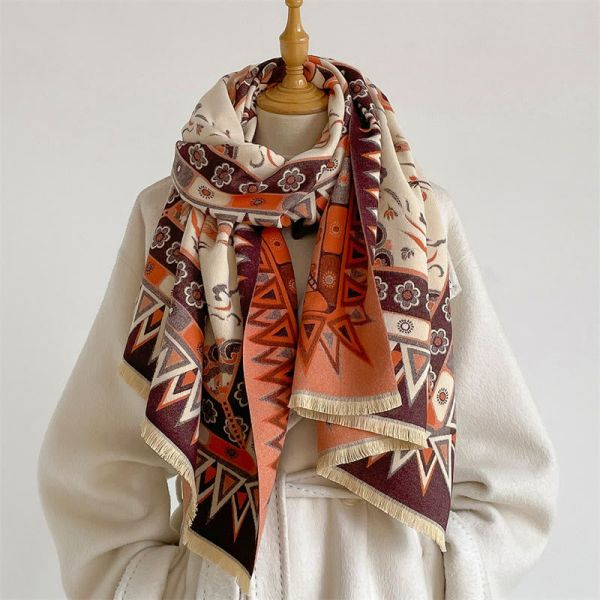 Buddha Stones Spring Fall Mandala Geometric Border Print Tassel Boho ShawlAs low as $33.59 Regular Price $45.39