
Mala Counting Guide: Choose a Practical Daily Setup
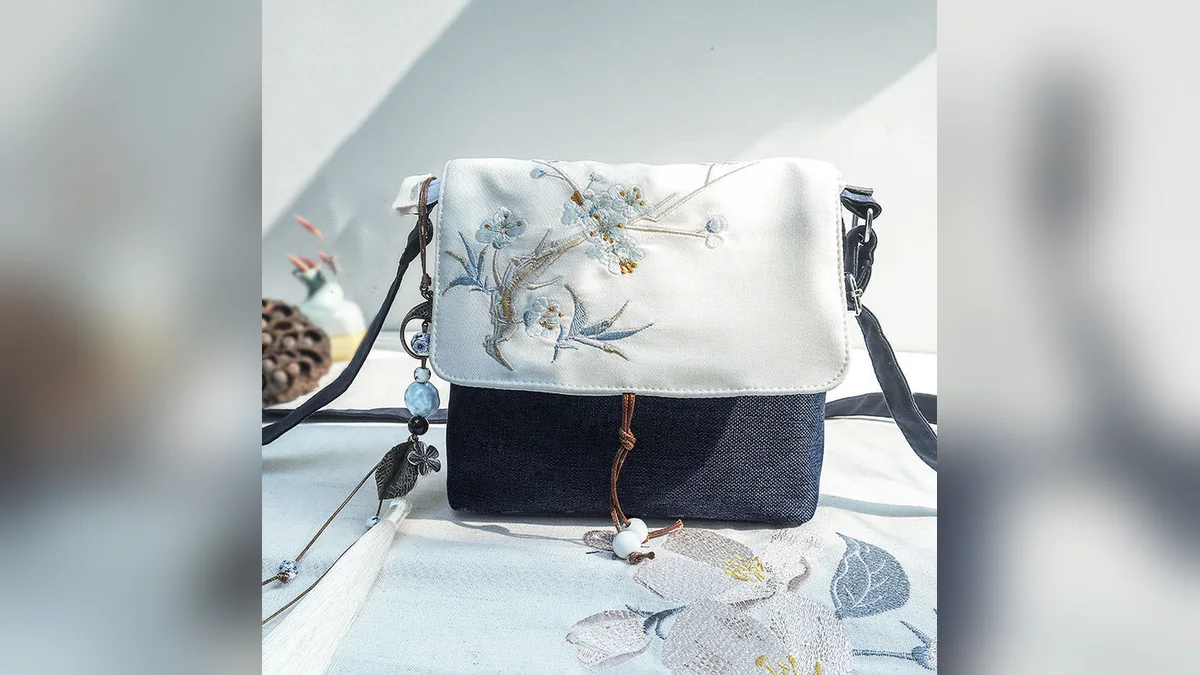
A tassel and a larger end bead can make a strand’s counting total harder to read in a shopping photo. Before choosing by appearance, check which beads belong to the counting sequence. This mala counting guide explains how to choose a workable strand, move one bead per recitation, recognize the end of a round, and keep a clear tally. At Buddha Stones, we suggest settling those details before choosing how to carry your beads.
Start with these questions
- What are you counting? Decide on a complete mantra or prayer so that one bead represents one repetition.
- Does your practice specify a count? Follow your teacher or tradition when it gives instructions; otherwise, choose a manageable number before starting.
- Can you identify the counting beads? Check whether a larger guru bead, spacers, or decorative elements sit outside the sequence.
- Can your fingers move one bead at a time? Consider bead spacing, surface texture, and room in the cord, rather than appearance alone.
- Where will the strand go afterward? Plan a separate place for it in your bag, away from keys, loose coins, and anything that could catch the cord.
Your mala counting guide: establish one repeatable round
A mala is a strand of beads used to count repetitions in Buddhist and other religious traditions. A common full mala has 108 counting beads, often with a separate guru bead marking the meeting point of the strand. Shorter strands also exist. These are general conventions, so check the actual arrangement instead of assuming that every visible bead contributes to the total.
Before beginning, count the ordinary beads once by hand. Identify any separators and decide how they function according to the instructions for your strand or practice. Do not automatically treat a tassel attachment or decorative pendant as another counting position.
- Choose one complete repetition. If you are reciting a multiword mantra, finish the whole phrase before advancing.
- Start beside the guru bead. A common method is to support the strand on the middle finger and use the thumb to draw each counting bead toward you. Hand conventions vary.
- Advance once per repetition. Let one completed recitation correspond to one bead, keeping the movement consistent throughout the round.
- Recognize the endpoint. In many traditions, you stop before counting the guru bead, turn the strand around, and begin the next round in the opposite direction.
- Record completed rounds separately. Make a mark on paper after finishing a round so that the strand tracks repetitions and the paper tracks rounds.
If your tradition teaches a different hand position or turning method, use that instruction. For context on one widely recited mantra, our explanation of Om Mani Padme Hum discusses its meaning; choose your wording before assigning it to a bead.
Choose a count and size you can handle
For straightforward arithmetic, four rounds of 27 counting beads equal 108 repetitions, and two rounds of 54 equal 108. That calculation does not establish a religious requirement. A shorter strand means more round changes for the same total, so consider how you will record them.
Bead diameter and total strand length answer different questions. Diameter concerns how an individual bead fits between your fingers; strand length concerns how much cord and beadwork you need to handle. Neither measurement alone tells you whether the beads have enough movement for counting.
When comparing listings, look for the stated bead count, bead dimensions, and strand measurements. If a detail is missing, leave it unresolved rather than estimating from a photo. For carrying, compare the gathered strand and its separate pouch with the bag opening and usable interior. Exterior dimensions alone cannot confirm fit.
Judge materials by handling requirements
Keep the material decision tied to counting. Look for a surface you can distinguish bead by bead, spacing that lets your thumb advance, and a cord arrangement that does not require pulling hard. A decorative strand may need closer inspection before you can tell how its counting sequence works.
Check care instructions before choosing wood, seed, stone, or other bead materials. Different finishes, cords, and attachments can require different handling. A material name alone does not establish washability. Carrying materials matter too: pockets, closures, and strap measurements help you decide how you will access and put away the strand.
Care for the strand between rounds
Handle beads with clean, dry hands. Advance them gently instead of tugging on the tassel or stretching the cord. Before another session, inspect knots, exposed cord, and attachments; stop using the strand if a damaged section could let beads fall.
Use the cleaning method specified for your particular mala. Avoid soaking a complete strand when the cord, finish, or attachments have no water-care instructions. Let any approved cleaning process finish fully before putting the beads away.
A separate pouch can keep the strand from tangling with bag hardware. Lay the tassel loosely rather than trapping it in a closure. Treat the bags below as carrying options to assess, without assuming that their purchase includes beads or a separate mala pouch.
Four bags to compare for carrying your setup
Our Handmade Embroidered Canvas Backpack uses canvas fabric and measures 17*19cm. It has one main pocket, two pockets, and one hidden pocket, with adjustable straps and a magnetic closure with strap. Its stated weight is 190g. Consider its pocket arrangement when planning where to place your separately contained strand.
The Handmade Magnolia Embroidered Canvas Backpack also measures 17*19cm and uses canvas fabric. Its specifications give one main pocket, two pockets, one hidden pocket, adjustable straps, and a magnetic closure with strap. The weight is 190g; the package contains one backpack. Choose between these backpack designs by preference after checking your carrying requirements.
For a zipper closure, consider the Magnolia Embroidery Shoulder Bag. Its materials are canvas, polyester, and metal, and its dimensions are 33*32*32cm. The package contains one bag. The measurements provide a comparison point, but they do not establish the opening width or a dedicated compartment for beads.
The polyester Plum Bossom Tulip Su Embroidery Crossbody Bag measures 24*5.5*11cm(Length*Width*Height). It has one main pocket and a metal magnet buckle, with a 120cm metal strap and a 60cm pearl strap. The stated weight is about 800g including the box, so it is not a bag-only weight. One bag and a box are included.
FAQ
Do I count the guru bead?
In many traditions, the guru bead marks the start and end rather than a repetition. Turn the strand when you reach it. If your practice provides another method, follow that method consistently.
What should I do if I lose my place?
Choose a rule beforehand: restart the current round, or record only rounds you know you completed. Avoid guessing an exact total. A written tally helps distinguish finished rounds from an interrupted one.
Can a bracelet work for counting?
Yes, if you can identify its counting beads and move them individually. Verify the count instead of assuming it from the bracelet’s appearance. Record additional rounds separately when working toward a larger total.
Shop the story
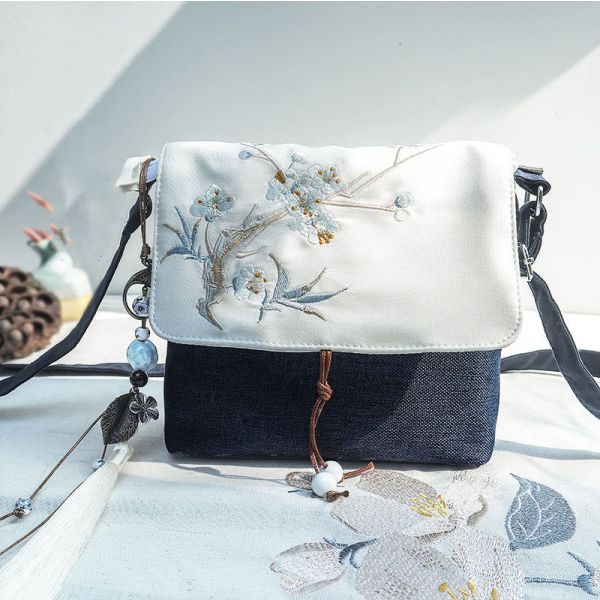 Buddha Stones Handmade Embroidered Large Capacity Polyester Canvas BackpackSpecial Price $28.59 Regular Price $38.64
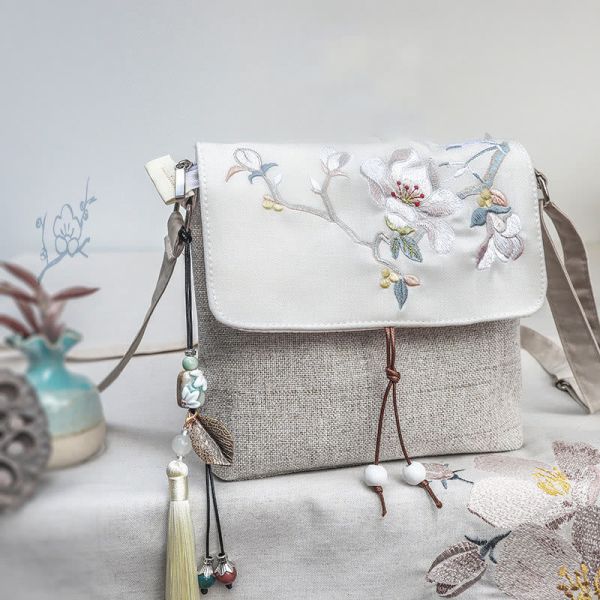 Buddha Stones Handmade Magnolia Embroidered Large Capacity Polyester Canvas BackpackSpecial Price $28.59 Regular Price $38.12
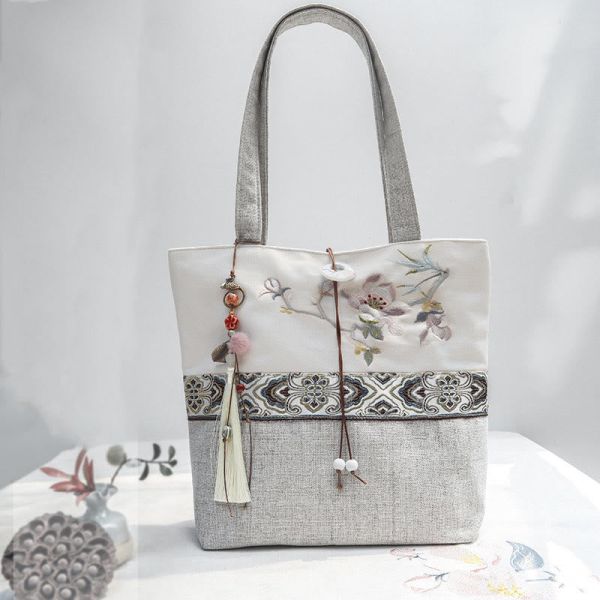 Buddha Stones Magnolia Embroidery Canvas Polyester Shoulder BagSpecial Price $35.59 Regular Price $50.13
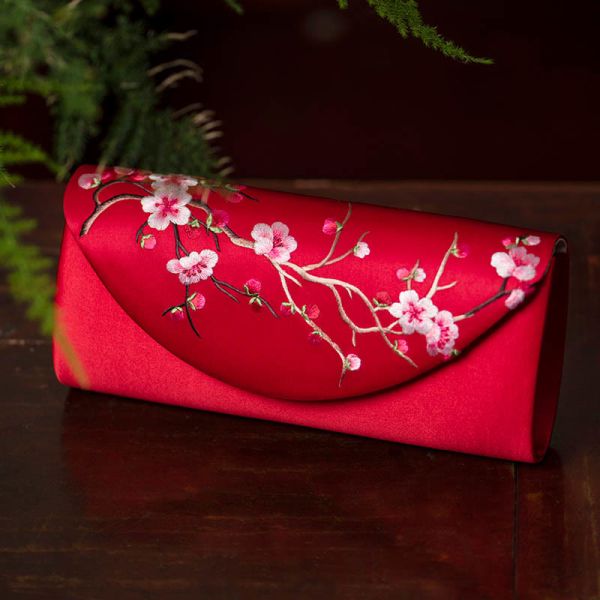 Buddha Stones Plum Bossom Tulip Su Embroidery Wedding Shopping Purse Handbag Crossbody BagSpecial Price $154.59 Regular Price $208.91