
Liuli Figurine Guide: A Practical Home Setup Plan
A liuli figurine stands on a clear shelf, its outline visible against a plain wall and its base set back from the edge. This liuli figurine guide starts with that practical arrangement: choose a stable surface, leave room for cleaning, and give the subject an appropriate setting. For a Buddhist sacred figure, a clean, elevated position is customary in many households. Placement expresses respect; it does not promise a particular result.
Step 1: Plan your display with this liuli figurine guide
Identify what the figurine represents before deciding where it belongs. A Buddha figure, an animal, and an abstract ornament can share a material without sharing a purpose. Use the product description to confirm the subject rather than guessing from a small photograph. If identification remains uncertain, keep the display simple until you know more.
Decide whether you want a decorative arrangement or a setting for religious observance. For the latter, follow your household or Buddhist community's customs. We treat traditional associations as cultural context, never as a promise that an object's location will change events.
Step 2: Check the surface before arranging anything
Choose a level shelf, cabinet, or tabletop that does not wobble. Check its load capacity against the weight supplied for the specific object. The entire base should rest on the surface, with enough space behind and beside it for your hands. Avoid an overhang, even if the arrangement looks balanced from the front.
Keep the figure away from swinging doors, shelf edges, and places where bags or sleeves regularly pass. If you use a display pad, choose one that lies flat and does not let the base rock. A raised fold of fabric can make a broad base unstable.
Step 3: Set a respectful position and viewing direction
For a sacred Buddhist image, many households choose a clean, elevated place facing into the room. Avoid the floor and locations beside shoes or household waste. Customs differ, so take guidance from your own tradition when a figure is part of religious practice.
For a decorative animal or abstract figure, start with visibility and safe access. Face the main detail toward the usual viewing position, then check the arrangement from a seated position as well as standing. There is no single compass direction that applies to every liuli subject. Treat directional advice in feng shui as tradition, not a guarantee of results.
Step 4: Adjust the light and surrounding space
Use steady, indirect light that lets you see the figure's outline. Move a nearby lamp if its reflection hides the face or other important detail. Keep glass decor away from concentrated sunlight, strong heat sources, and abrupt temperature changes. Do not put a candle immediately behind it to create a glowing effect.
Leave enough open space to lift the object without striking neighboring items. One figure and a restrained background make details easier to see. If a nearby sand tray shares the shelf, our mini zen garden setup guide can help you plan that separate activity; keep raking space clear of the figurine's base.
Step 5: Establish a handling and cleaning routine
Before moving the figure, clear its destination. Lift from the base or main body with both hands as needed, rather than pulling on a projecting detail. Never slide it across a gritty surface. Inspect the base and surrounding area for dust before setting it down again.
Begin routine care with gentle dusting using a clean, nonabrasive cloth. Follow the care instructions for the specific object before using water or cleaning products, especially if it has added finishes or attached components. Avoid abrasive pads. Do not assume a figurine can hold water, receive hot tea, or support burning incense simply because other liuli objects have those uses.
After rearranging the shelf, check stability again. Keep the original placement practical enough that cleaning does not require dismantling a crowded display.
Common mistakes to catch before finishing
- Choosing direction before stability. A customary orientation cannot make an unsuitable shelf secure.
- Treating all subjects alike. A sacred image may call for different handling customs than an ordinary ornament.
- Using protruding details as handles. Support the main body and base when lifting.
- Adding heat for visual effect. Keep flames and hot equipment away from the display.
- Confusing a figure with a vessel. Confirm the intended function before adding liquids or incense.
- Expecting outcomes from placement. Symbolic arrangements express traditions and preferences; they offer no guarantee.
Related liuli products for a coordinated setting
Our selected products here include vessels and bracelets. The vessels offer functional forms to consider alongside a figure; the bracelets are wearable accessories and should be assessed separately for fit.
The Buddha Stones Lotus Liuli Art Piece comes in Incense Burner, Offering Plate, Vase, and Water Purification Cup options. Its material specification is Liuli Glassware/Crystal Glass. Choose the option by its named purpose, and check its dimensions and weight before reserving shelf space. These are vessel options rather than freestanding figurines. The lotus is traditionally associated with purity in Buddhism; that symbolism does not establish a functional use.
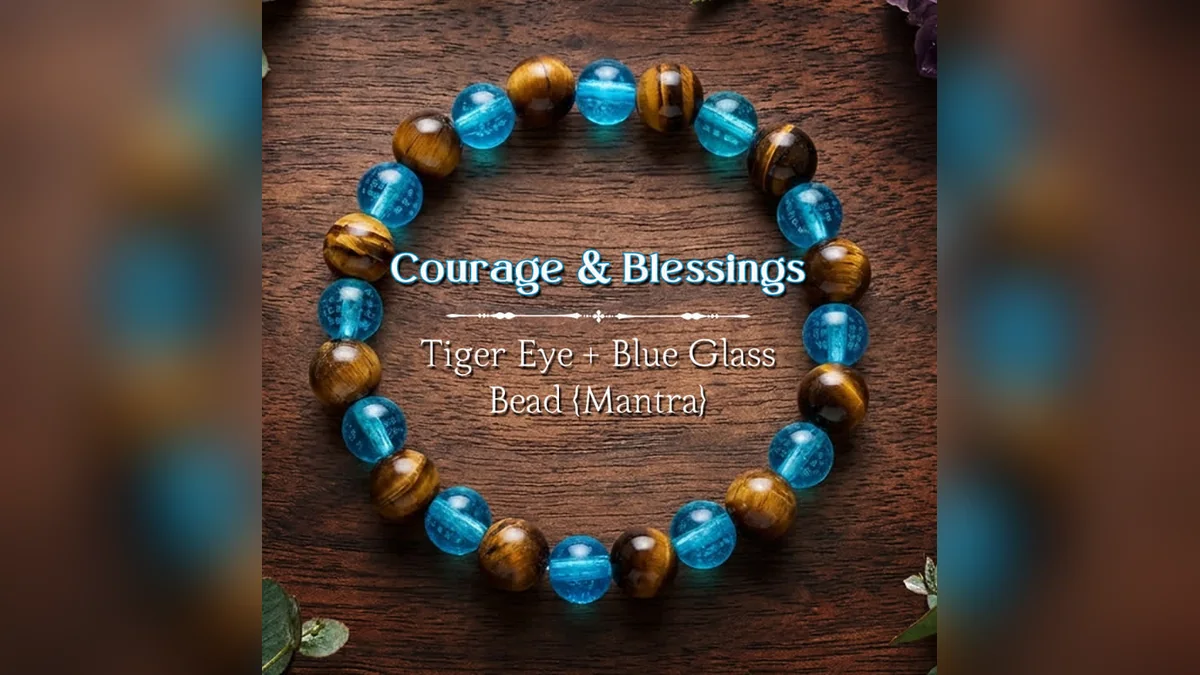
For jewelry with blue liuli, the Buddha Stones Tiger Eye and Blue Liuli Bracelet combines Tiger Eye and Blue Liuli Glass Bead materials on Premium Elastic String. Check the 5.9–6.3 in (15–16 cm) wrist sizing against your own measurement. Color, details, and overall appearance may vary slightly because of the natural materials.
The Buddha Stones Titanium Steel Liuli Om Mani Padme Hum Bracelet has Blue, Green, and Red options. Titanium Steel and Liuli are the specified materials, with a bead size of 4mm and Premium Elastic String.
The Buddha Stones Liuli Yin Yang Black and White Beads Bracelet uses Acrylic and Liuli with Premium Elastic String. Compare its 6.3–6.7 in (16–17 cm) wrist sizing with your measurement before selecting it. Keep the distinction between a wearable accessory and a display object clear when planning your arrangement.
Frequently asked questions
Can a liuli figurine go on a work desk?
Yes, provided the surface is stable and the object stays clear of moving equipment, cables, and the desk edge. Leave room for ordinary work without repeatedly shifting the figure. For a sacred image, consider whether the position suits the respectful handling customs you follow.
Does a figurine need to face the entrance?
There is no universal entrance-facing rule for every subject. Some traditional arrangements favor particular orientations, while Buddhist household practices vary. Identify the figure first, consult the custom relevant to it, and keep practical concerns such as secure support and access for cleaning central to your decision.
Can bracelets rest beside the display?
A bracelet can sit nearby as jewelry awaiting wear, provided it does not crowd the figure or interfere with offerings. Give it its own shallow dish or designated spot. If the figure is sacred, follow your household's practice about placing everyday belongings beside it.
Shop the story
 Buddha Stones Tiger Eye Blue Liuli Glass Bead Courage Round Beaded BraceletSpecial Price $25.59 Regular Price $34.58
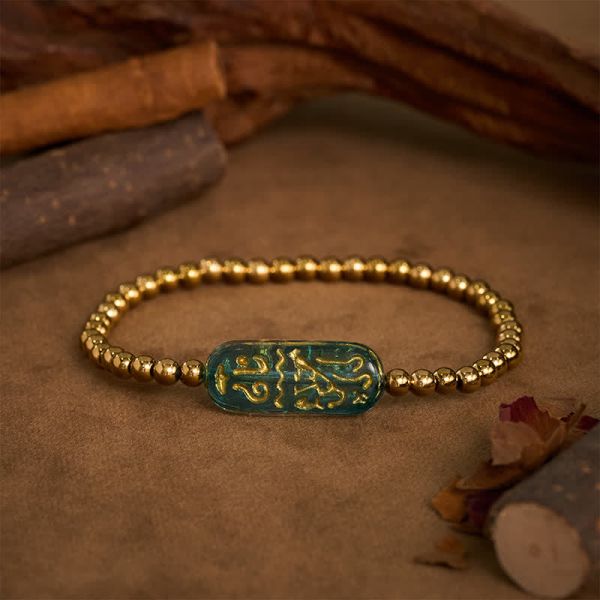 Buddha Stones Titanium Steel Liuli Om Mani Padme Hum Stimulation BraceletAs low as $25.59 Regular Price $34.12
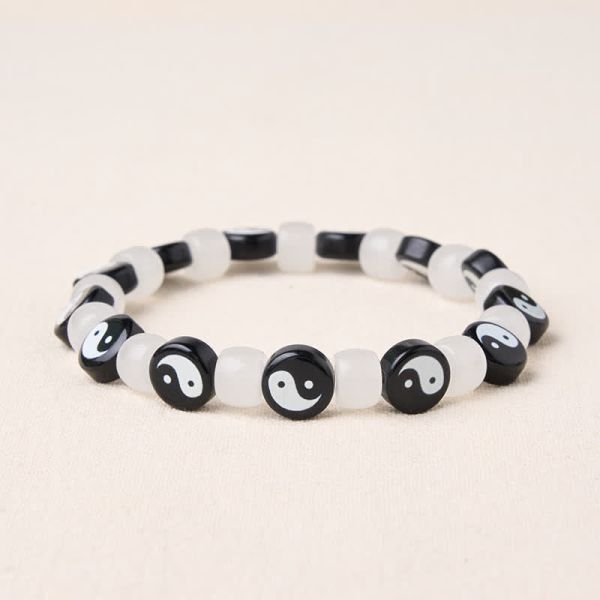 Buddha Stones Liuli Yin Yang Black And White Beads Balance BraceletSpecial Price $25.59 Regular Price $34.10
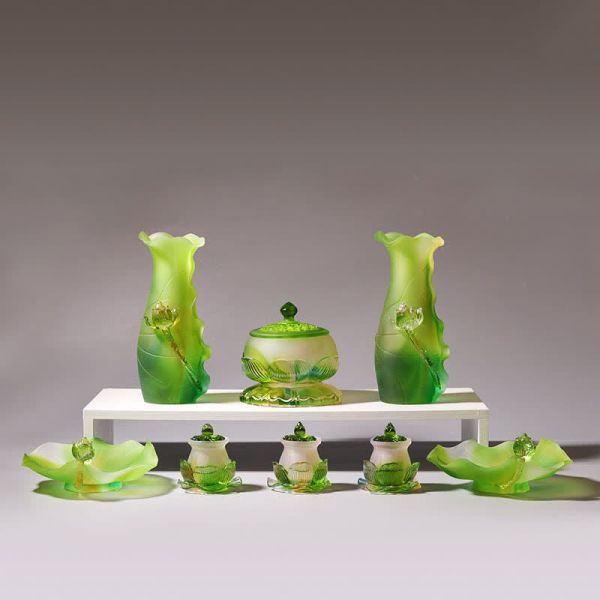 Buddha Stones Feng Shui Lotus Handmade Liuli Crystal Art Piece Home Office Offering DecorationAs low as $219.59 Regular Price $292.79