
Laughing Buddha Placement: Set Up a Respectful Space
A Laughing Buddha figure sits on a clear entryway console, its face visible from the doorway and its base well back from the edge. For practical laughing buddha placement, choose a clean, raised, stable surface in an entryway or living room. Facing the entrance is a familiar choice in popular feng shui traditions; it is a symbolic arrangement, not a promise of results. Start with a suitable shelf, then adjust the position around doors, daily traffic, and the way the room is used.
Step 1: Identify the figure before arranging the space
The rounded, smiling figure commonly called the Laughing Buddha is Budai, who is distinct from Shakyamuni, the historical Buddha. In popular tradition, Budai is associated with generosity and contentment. Those associations describe the figure’s meaning, rather than anything a statue will do for its surroundings.
We suggest making this distinction before planning a display. An elephant figure, a Ganesha image, and a dragon have different identities. Their presence in the same home decor category does not make their traditions interchangeable. If the figure belongs to a religious practice you follow, let that practice guide its treatment.
Step 2: Choose a surface for laughing buddha placement
Consider a console, a dedicated shelf, or a cabinet top where the figure can stand securely. A raised position is a common expression of respect in Buddhist image display. There is no need to invent an exact height: choose a surface that allows the face to remain visible without placing the statue where it could fall.
Check the support before adding other objects. The entire base should rest on a level surface, with room between it and the edge. Open nearby drawers and cabinet doors to check clearance. Keep the figure out of a door’s swing and away from a spot where bags, coats, children, or pets could knock it over.
A narrow entrance may offer no suitable surface. In that case, a stable living room shelf is a more practical choice than a crowded ledge beside the door.
Step 3: Set the facing direction within the room
If you are following the familiar entrance-facing arrangement, turn the figure toward the doorway from inside the home. Check the view with the door open and closed. A door panel should not strike the display, and the statue should not obstruct a switch or something you need to reach.
For a living room arrangement, make the figure visible from the main seating area. Do not force a doorway-facing position if that leaves its base partly unsupported or hides the face behind another object.
Specific compass recommendations vary among feng shui approaches. We treat directional associations as traditions, not universal instructions. You do not need to assign a prosperity corner to make a respectful display, and a direction cannot guarantee wealth or luck.
Step 4: Leave space around the figure
Begin with the statue on its own. Leave enough open surface to see its outline and reach around the base for routine dusting. Add another object only if it fits without touching the figure or crowding the shelf. A display does not require coins, incense, food, or a collection of additional symbols.
If the furniture also holds everyday items, give those items a separate area. Keys and mail should not accumulate against the statue. Keep drinks and flower water where a spill cannot run underneath its base.
For a nearby tabletop activity, our mini zen garden setup guide covers a separate arrangement. Give a sand tray its own working space rather than squeezing it around the figure.
Step 5: Check the arrangement during ordinary use
Look at the display from the doorway, from a seated position, and while passing the furniture. Check that the face remains visible and the walking route stays clear. A position that looks balanced from across the room may still interfere with opening a drawer.
Follow any care instructions supplied with your particular statue. Materials and finishes differ, so do not assume that water, polish, or a household cleaner is suitable. Move nearby objects before cleaning the shelf, and lift the figure by a secure part of its body rather than an extended detail.
Use this common-mistake checklist before calling the setup complete:
- Choosing a direction before a secure surface. Resolve stability and clearance first.
- Using the floor as a permanent display. A raised surface better reflects customary respect for Buddhist images.
- Positioning the figure beside shoes or bathroom clutter. Choose a clean, dedicated area suited to respectful display.
- Stacking symbols around the base. Additional objects need their own space and do not guarantee additional results.
- Assuming a display must include incense. A statue can stand alone; keep it separate from flame, ash, and hot vessels.
Related decor: four distinct figures from Buddha Stones
The following products represent other subjects, rather than the Laughing Buddha. We present their specifications here so you can consider them separately. Words such as Wealth, Lucky, Blessing, and Protection in their product names express traditional wishes; there is no guarantee that displaying a figure will fulfill them.
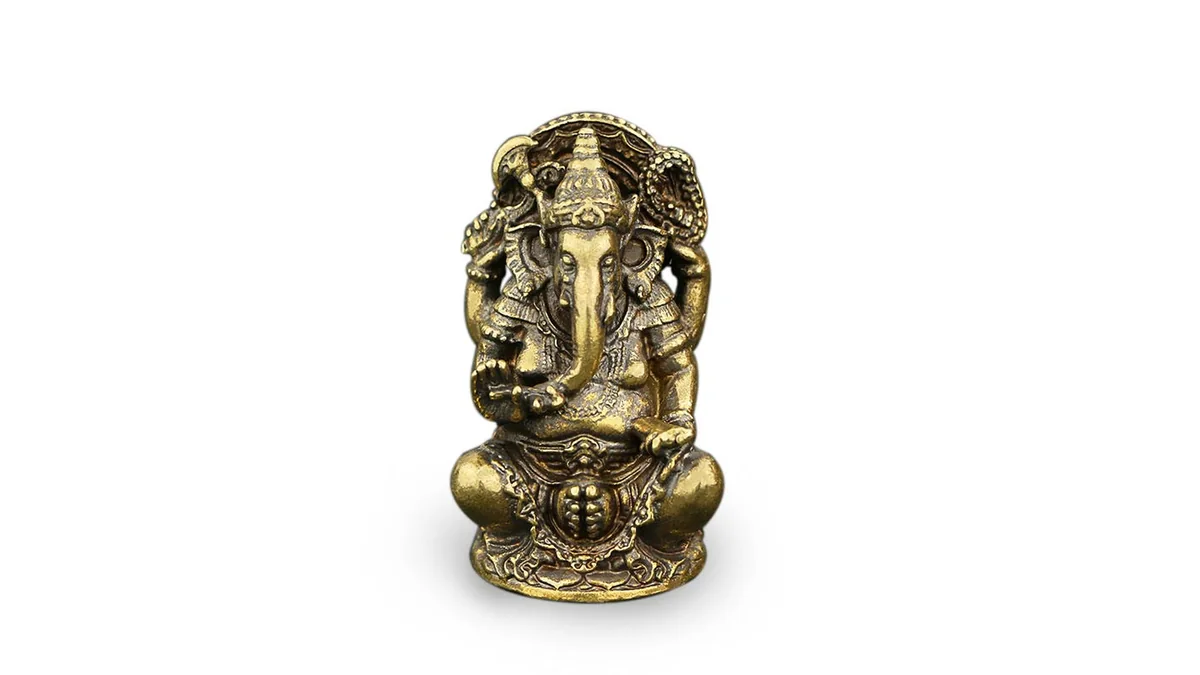
Our copper Ganesh Ganpati statue is Home Decor in a Bronze color. Its size is 1.18*1.18*1.96 inches (3*3*5cm), and its weight is About 70g. Use those measurements when checking the available shelf space.
The green elephant statue is a Resin decoration with Small, Medium, and Large options. The sizes are Small: 3.54*3.54 IN (9*9cm); Medium: 4.13*4.13 IN (10.5*10.5cm); and Large: 5.5*5.5 IN (14*14cm). Check the selected option before planning its position.
For a different Ganesha image, our Ganesh Ganpati Blessing Protection statue is Resin Home Decor. Its dimensions are 16*14*16cm (6.29*5.51*6.29IN). Compare that stated size with the depth and clearance of the intended surface.
The Brass Copper Dragon statue has a stated material of Brass/Copper and a weight of 330g. Brown and Gold options are available. Dimensions are not supplied in these specifications, so weight alone should not determine whether it fits a shelf.
FAQ: final decisions before setting the figure down
Does the figure have to face the front door?
No. Facing the entrance is a familiar popular arrangement, but it is not a universal Buddhist requirement. A visible position on a clean, stable living room shelf is a practical alternative. Follow your own religious community’s guidance when the image is part of devotional practice.
Can I place it in a bedroom?
Customs differ, and some households reserve religious images for shared or dedicated spaces. If you are uncertain, choose an entryway or living room. Wherever it stands, keep the figure raised, secure, and separate from laundry or other clutter.
Should I rub the belly or add coins?
Neither is necessary to set up the display. Belly rubbing and coins appear in popular customs, but they are not required setup steps and cannot guarantee good fortune. Leaving the figure untouched also avoids unnecessary handling. A clear shelf and a secure base are enough for a simple display.
Shop the story
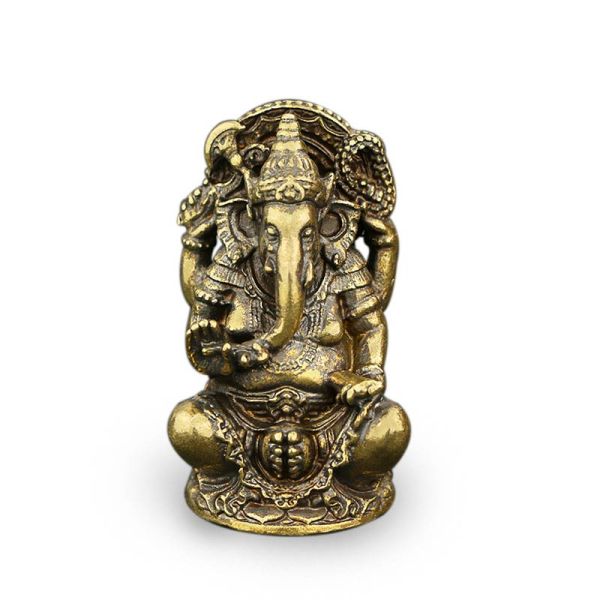 Buddha Stones Ganesh Ganpati Elephant Statue Wealth Home DecorSpecial Price $28.59 Regular Price $38.12
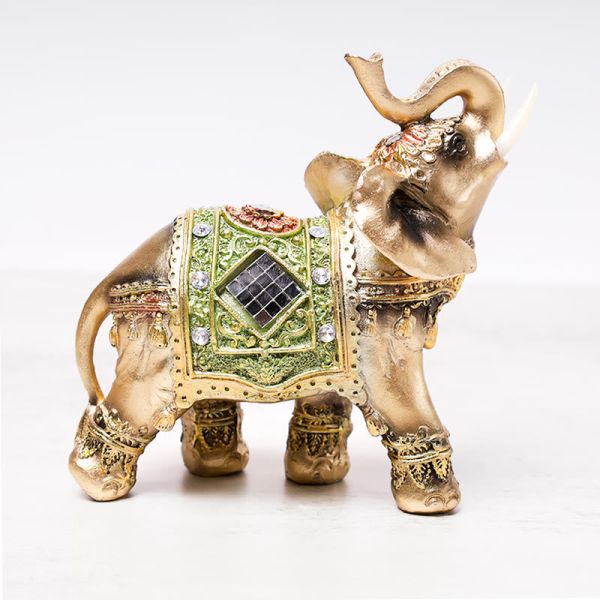 Buddha Stones Lucky Feng Shui Green Elephant Statue Sculpture Wealth Figurine Gift Home DecorationAs low as $23.59 Regular Price $31.45
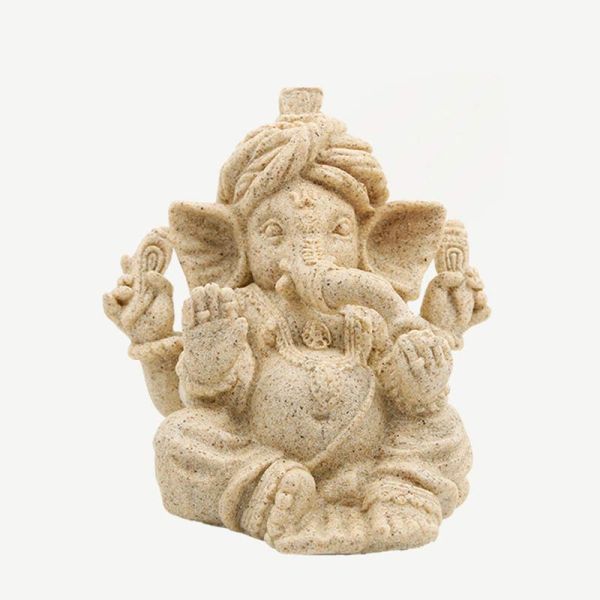 Buddha Stones Ganesh Ganpati Elephant Statue Blessing Protection Home DecorationSpecial Price $79.59 Regular Price $112.10
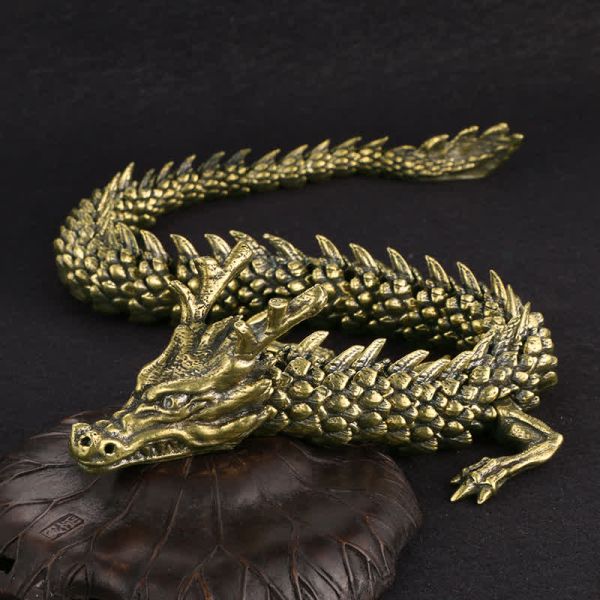 Buddha Stones Brass Copper Dragon Wealth Luck Protection Statue Figurine Home DecorationAs low as $86.59 Regular Price $117.01