
Lapis Symbolism: A Visual Guide to Blue Motifs
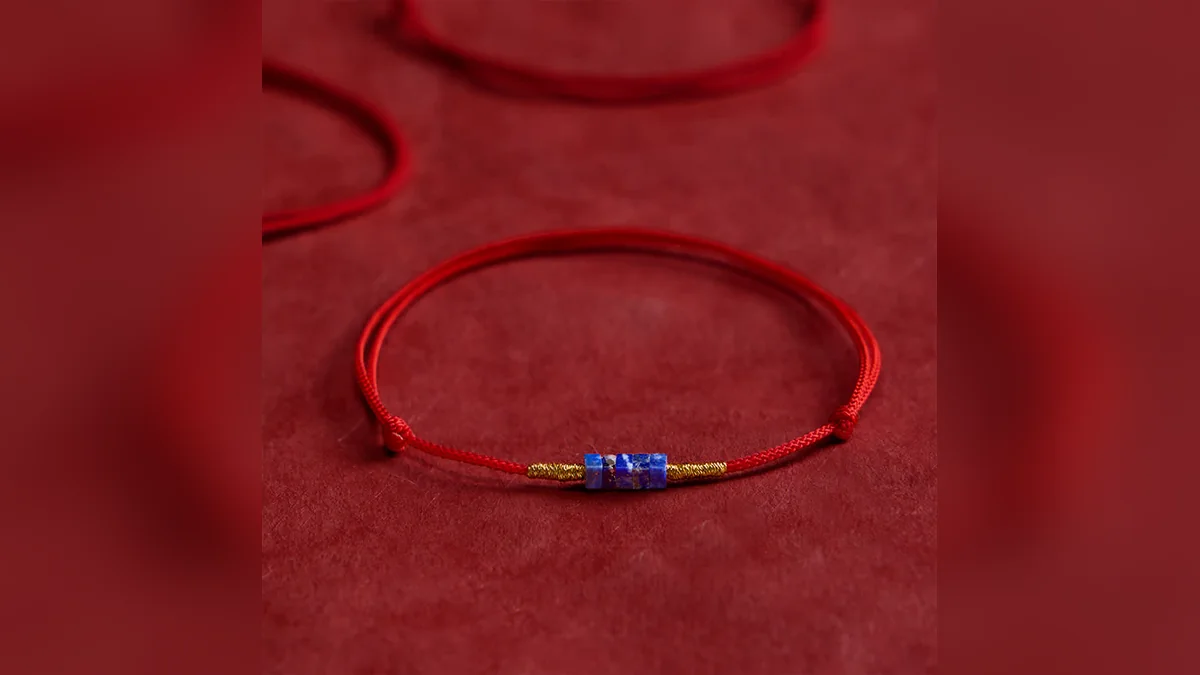
A blue square interrupts a red cord, its straight edges setting it apart from the thread. In a visual field guide, that contrast is the starting point. Lapis symbolism traditionally centers on wisdom, truth, and sacred significance, with meanings that vary across cultures. Luck, wealth, and protection belong to the language of belief; owning or wearing lapis guarantees none of them. At Buddha Stones, we read the blue alongside its shape, setting, and neighboring symbols, so a familiar color does not become a catchall explanation.
How to recognize the motif
Lapis is a material rather than a single drawn emblem. Here, the motif means the recurring use of its blue appearance within jewelry or decoration. These cues help you describe what you see before deciding what it might mean:
- A blue field with visual depth. Lapis commonly appears opaque and richly blue. Begin with the main color, then notice whether the blue occupies a small accent or dominates the object. Color alone cannot establish the material.
- Gold-colored flecks or pale patches. These can occur in lapis, but their amount varies. They are useful descriptive details, not proof of authenticity or a symbolic message assigned to every mark.
- A repeated shape. A square accent, a row of beads, or a stone held in a ring creates a different outline. Shape belongs to the design; it does not automatically change the traditional meaning of lapis.
- Neighboring colors and materials. Red cord, lighter blue stones, or silver-colored borders can make the blue easier to distinguish. Read those elements separately before giving the whole arrangement one interpretation.
- A recognizable surrounding image. A flower, figure, or inscription may carry its own meaning. Identify that image on its own terms instead of assuming that every blue detail stands for lapis.
For photographs, compare more than one view if available. Reflections and lighting can alter the apparent shade. A photograph supports a description of appearance; the product specifications supply the stated material.
Lapis symbolism in traditional visual language
Wisdom and truth are traditional associations, not effects produced by the stone. You can understand them as subjects represented by a material, much as a written word represents an idea. A blue accent may be chosen to express respect for those values without making any claim about what the jewelry will do.
Sacred significance also depends on context. An object used within a religious tradition has a setting, purpose, and vocabulary that a blue fashion accessory may not share. We avoid treating an ordinary lapis bead as evidence of a particular ceremony, blessing, or religious authorization. Those details require their own documentation.
There is also a difference between recognizing a traditional association and assigning a fixed translation. A blue stone beside a floral motif does not create a universal sentence. If the flower is a lotus, its meaning deserves separate attention; our article on the lotus flower in Buddhism addresses that symbol in its own context.
Names can carry wishes as well. When Luck or Protection appears in a product name, we understand it as a traditional wish. Neither term promises a result. The same care applies to Balance: it is part of a symbolic description, not a claim that an accessory changes its wearer.
Where the blue motif appears
Use this field key to distinguish the position of the blue from the meaning you may associate with it. These are general design contexts, rather than specifications for the products below.
| where you see it | how it usually appears |
|---|---|
| Beaded jewelry | Blue repeats along a strand, either as the main color or between contrasting beads. |
| Cord bracelets | A small blue detail sits against visible thread, making the outline of the accent easy to notice. |
| Rings and framed settings | A defined border separates the blue area from the surrounding metal or other design elements. |
| Painted or decorative motifs | A lapis-like blue appears within a larger image; the color does not establish that actual lapis is present. |
Read across a row before moving toward interpretation. Repetition tells you about arrangement, a border tells you about framing, and surrounding imagery supplies context. None of those observations, by itself, identifies an object's cultural origin. A material name and an image name answer different questions.
Four product references for comparing form
Our jewelry pages offer several ways to compare scale and format. Read the dimensions alongside the shape, and check the selected option when a design has more than one choice.
A square accent and adjustable cord
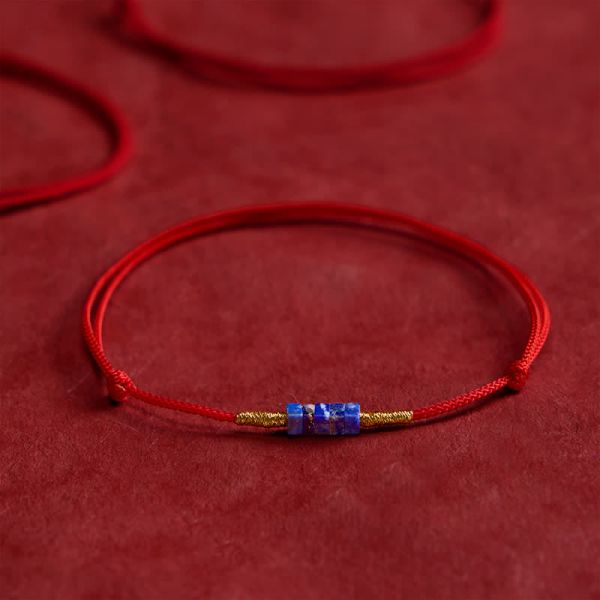
The Buddha Stones Hand-Woven Small Square Lapis Lazuli Red String Luck Bracelet gives this guide its square-and-cord reference. Its band type is Adjustable Cord, its bead size is Approx. 3mm, and its wrist circumference is 5.9–6.7 in / 15–17 cm. The package includes 1 × Bracelet.
For a visual comparison, focus on the small square form identified in the name and the cord construction. Luck expresses a traditional wish here, without a promised result.
A bracelet with named stone options
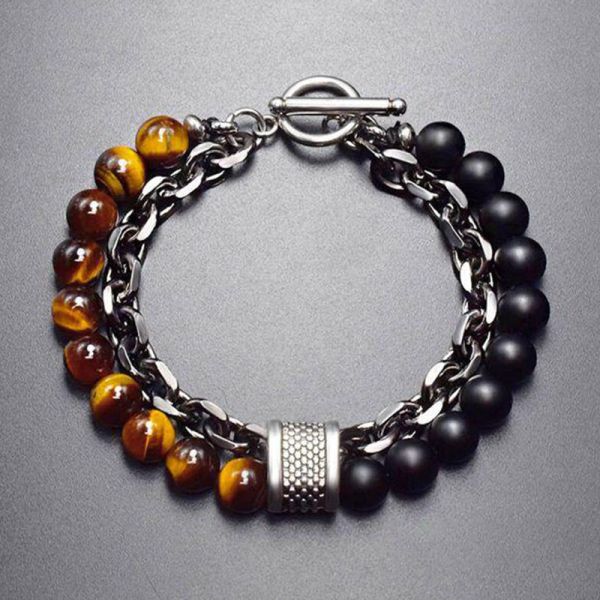
The Buddha Stones Natural Tiger Eye Lazurite Lapis Lazuli Protection Bracelet has an 8mm bead size, a length of 21cm, and a wrist circumference of 7.09-7.87 in (18–20 cm). It is unisex. Its options are Lazulite, Malachite, Red Tiger'eye, and Tiger's eye.
The material specification names Tiger Eye, Lapis Lazuli (Lazurite), Red Tiger'eye, and Malachite. Keep the selected option in view when comparing product photographs; the available choices should not be read as a promise that one bracelet combines every named material. Protection in the name expresses a traditional wish only.
A necklace with several material references
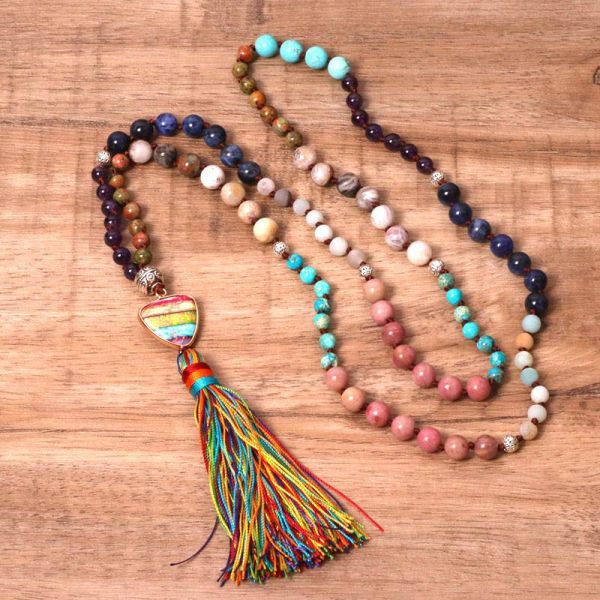
The Buddha Stones Tibetan Turquoise Lazurite Lapis Lazuli Zebra Jasper Balance Necklace has a size of 45cm. Its materials are Turquoise, Lapis Lazuli (Lazurite), Zebra Jasper Stone, and Amethyst.
This entry gives you a necklace format to compare with the bracelets. Read the material names individually rather than assigning the entire necklace the meaning of lapis alone. Balance belongs to its symbolic naming, not to a guaranteed effect.
A ring with two style choices
The Buddha Stones Natural 925 Sterling Silver Lapis Lazuli Turquoise Adjustable Balance Ring names 925 Sterling Silver, Lapis Lazuli (Lazurite), and Turquoise as materials. The ring-size field reads About 0.35*0.35in(9*9mm). Its options are A Style(About 9*9mm) and B Style(About 9*9mm).
The two style labels provide a concrete starting point for comparing the available designs. Keep the published dimensions beside the photographs rather than estimating size from an enlarged image.
Let the visible details lead
A useful description begins with what is present: blue color, a particular outline, a cord, a setting, or neighboring stones. Traditional meaning comes next, attached to the relevant culture or symbol. You can appreciate lapis as a reference to wisdom or truth while leaving room for an object's other details. The blue is one part of the design; careful looking gives the rest of it space.
Shop the story
 Buddha Stones Hand-Woven Ultra-fine Small Square Shape Lapis Lazuli Red String Luck BraceletSpecial Price $25.59 Regular Price $34.58
 Buddha Stones Natural Tiger Eye Lazurite Lapis Lazuli Protection BraceletAs low as $25.59 Regular Price $33.67
 Buddha Stones Tibetan Turquoise Lazurite Lapis Lazuli Zebra Jasper Balance NecklaceSpecial Price $54.59 Regular Price $76.89
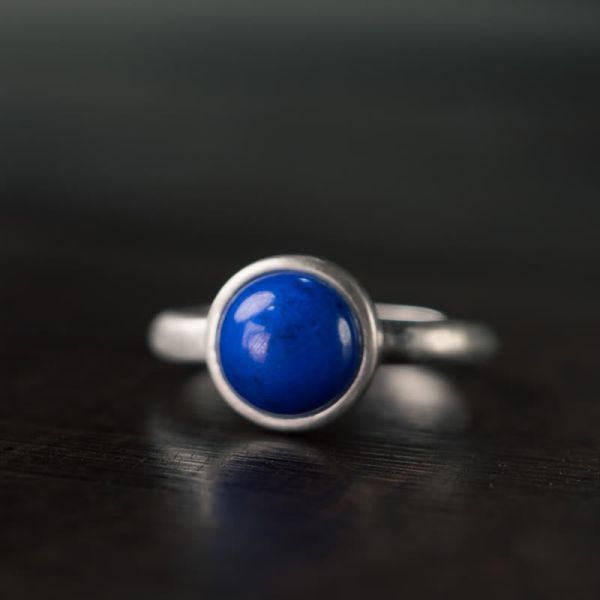 Buddha Stones Natural 925 Sterling Silver Lazurite Lapis Lazuli Turquoise Adjustable Balance RingAs low as $334.59 Regular Price $446.12