
Hetian Jade Meaning: A Guide to Quality and Care
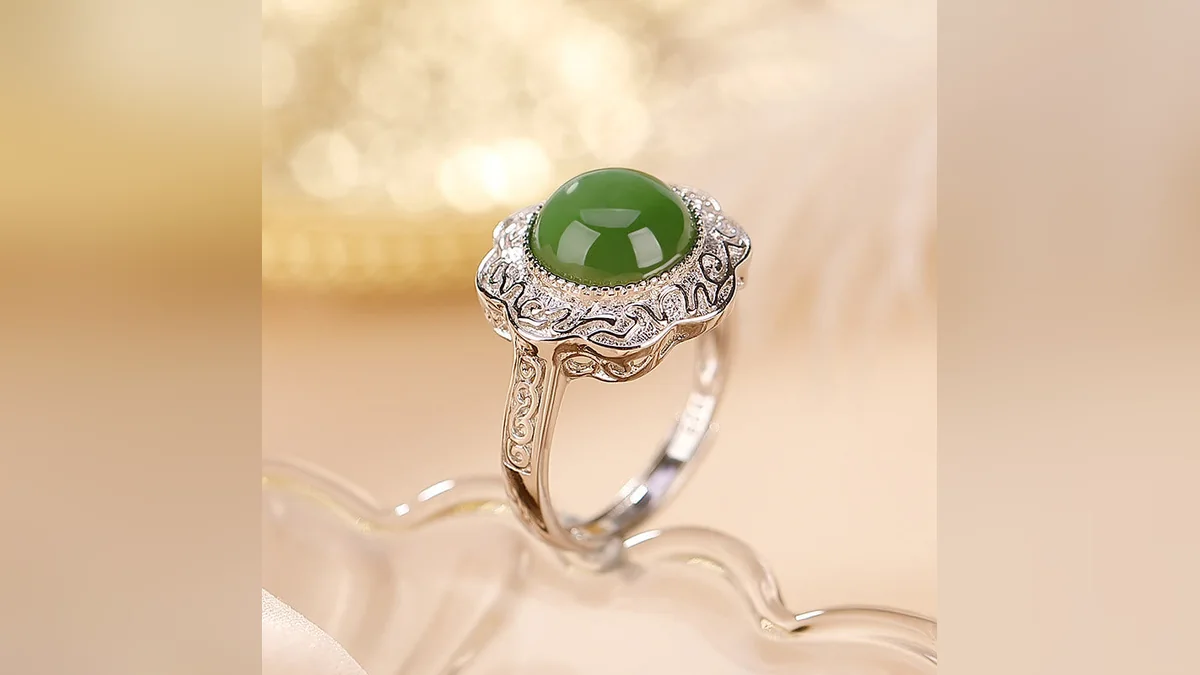
Hetian jade has a soft, waxy-looking luster rather than a glasslike sparkle. Hetian jade meaning centers on nephrite, a jade material traditionally associated in Chinese culture with purity, virtue, and enduring worth. These associations describe cultural values, not results a stone can produce. For buying, the useful questions concern mineral identity, texture, treatment disclosure, and construction. We use those distinctions below to help you compare jewelry beyond its color or symbolic name.
Hetian jade meaning begins with nephrite
Nephrite consists of tightly interlocking minerals in the tremolite-actinolite series, part of the amphibole family. Jadeite is the other main material called jade, but it belongs to a different mineral family. The two names should not be treated as interchangeable when you read a material description.
The name Hetian is historically connected with Hotan in Xinjiang, China. In jewelry terminology, however, it can refer to nephrite beyond that locality. A product title containing the name does not by itself establish a mine, country of origin, or particular quality level.
Nephrite colors include white, cream, gray, green, yellow, brown, and black. Some pieces appear opaque; others transmit light, especially through thinner edges. White does not automatically mean superior quality, and a darker color does not establish treatment.
Nephrite measures about 6 to 6.5 on the Mohs scale. Its interlocking structure gives it considerable toughness, although it can still scratch or suffer damage from a hard impact. Neither toughness nor appearance can authenticate an individual piece.
Read texture, finish, and treatment disclosure together
Quality assessment starts with how the material and finish work together. Fine texture, a consistent polish, pleasing color, and the absence of concerning fractures matter more than an impressive descriptive label. A waxy-looking surface is a visual characteristic; it does not tell you whether wax has actually been applied.
- Examine the surface: Look for an even polish without obvious pits, rough patches, or chipped edges.
- Separate inclusions from damage: Color patches and internal markings can occur in nephrite. An open crack needs different consideration from a dark spot within the material.
- Compare similar photographs: Neutral backgrounds and consistent lighting make color comparisons more useful. A photograph cannot establish treatment status.
- Read the description closely: A specific mineral identification is more informative than a color name or an unsupported quality grade.
Wax finishing occurs in the jade trade. Dyeing, coatings, and impregnation are also possible treatments; some nephrite surface colors may be altered. These processes are different from cutting and polishing, which shape and finish the stone. Ask what treatments are disclosed rather than assuming a smooth finish means untreated material.
Color concentrated around cracks can warrant closer examination, but it is not a dependable home diagnosis. Feeling cool, producing a particular sound, or looking translucent also cannot prove identity. Avoid scratch tests and chemical experiments. When identification matters, an independent gemological report can provide evidence beyond photographs and sales language.
From rough material to drilled jewelry beads
Bracelet beads generally begin as pieces cut from larger rough material. Abrasive tools shape them into rounds or other forms, holes are drilled for stringing, and the surfaces are polished. This describes usual stone-bead production, rather than a confirmed manufacturing process for the products below.
Matching a strand involves choices about color, diameter, shape, and visible markings. Slight variation can remain even among beads selected to look similar. Very uniform appearance alone proves neither authenticity nor treatment.
Construction deserves a separate check. Examine bead holes for chips or rough edges that could abrade the string. Elastic strands stretch over the hand, while adjustable cords change their opening through a sliding arrangement. Their fit depends on the finished bracelet, not simply the bead diameter.
Compare the offered measurements with your wrist before choosing an option. Our wrist measurement guide explains the measuring process. Do not assume an adjustable bracelet has an unlimited opening or that two bracelets using the same bead size will fit alike.
Clean the whole piece according to its materials
Jade jewelry often includes components that need gentler handling than the stone alone. Cord, elastic, plated metal, and silver should influence your cleaning method. A mild approach is especially useful when treatment information is unavailable.
- Start with a damp cloth. Wipe away surface residue without immersing a mixed-material bracelet.
- Use mild soap when needed. For accessible stone surfaces, apply a little lukewarm soapy water with a soft cloth, then remove the residue with a clean damp cloth.
- Dry before putting jewelry away. Pay attention to moisture around bead holes, knots, and metal settings.
Avoid steam, ultrasonic cleaning, harsh cleaners, and sudden temperature changes when you do not know a piece's treatment history. Remove jewelry before swimming, bathing, or chores involving chemicals. Keep it in a padded compartment or individual pouch so pieces do not knock against one another. Check cords, elastic, and settings periodically; visible fraying or a loose setting calls for repair before further wear.
Reference for nephrite hardness and gentle washing advice: [GIA's jade care guide](https://www.gia.edu/jade-care-cleaning).
Compare four Buddha Stones Hetian jade designs
Our product specifications below separate materials, sizing, and construction. The word “Luck” in a product name expresses a traditional wish only. Jewelry does not guarantee luck or any other outcome.
Cyan jade flower ring
The Buddha Stones Hetian Cyan Jade Flower Design Adjustable Ring combines Cyan Jade and 925 Sterling Silver. Its size is 54-60mm(Adjustable), and the Cyan Jade Size is 10mm. Width is 3mm, thickness is 2mm, and weight is 4g. SKU: BS61602F4D02.
The flower design offers an alternative to a bead bracelet. Check the stated ring measurement before selecting it; the adjustable description does not establish a universal fit.
Yin yang cord bracelet
The Buddha Stones Yin Yang Hetian Jade Bead Bracelet has an Adjustable Cord and comes in Black String and DarkRed String options. Materials are String, Hetian Jade, Copper Alloy, and Zinc Alloy. Wrist Circumference: 6.3-7.1 in (16-18 cm). The package contains 1 × Bracelet. SKU: BSP-BS22147DE411B.
A note about natural materials describes possible slight differences in color, details, and overall appearance.
Blue tiger eye round-bead bracelet
The Buddha Stones Blue Tiger Eye Hetian Jade Round Beads Bracelet offers 6mm and 8mm options. Its specifications identify Blue Tiger Eye, Jade, and Gold Plated Copper, with Premium Elastic String. The material field uses “Jade” without a more specific identification.
Bead Size: 6mm / 8mm. Wrist Circumference: 5.5–5.9 in (14–15 cm) / 5.9–6.3 in (15–16 cm). The package contains 1 × Bracelet. Slight variations in color, details, and overall appearance are noted because of the natural materials. SKU: BSP-BS21199A38A20.
Turtle and Fu character cord bracelet
The Buddha Stones Turtle Fu Character Hetian Jade Red String Bracelet uses String, Copper Alloy, and Hetian Jade, with an Adjustable Cord. Wrist Circumference: 5.5–7.1 in (14–18 cm). The package contains 1 × Bracelet. Its note about natural materials describes possible slight variations in color, details, and overall appearance. SKU: BS22497055331.
Understanding Hetian jade meaning gives you cultural context; a careful purchase also needs clear specifications. Choose the color and form you enjoy, check fit, and distinguish documented material information from assumptions about origin or treatment. Those details give you a sound basis for comparing pieces.
Shop the story
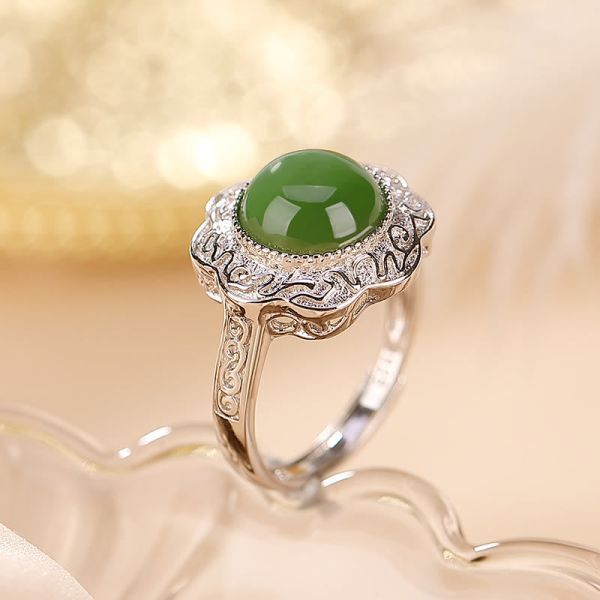 Buddha Stones 925 Sterling Silver Hetian Cyan Jade Flower Design Luck Adjustable RingSpecial Price $92.59 Regular Price $126.84
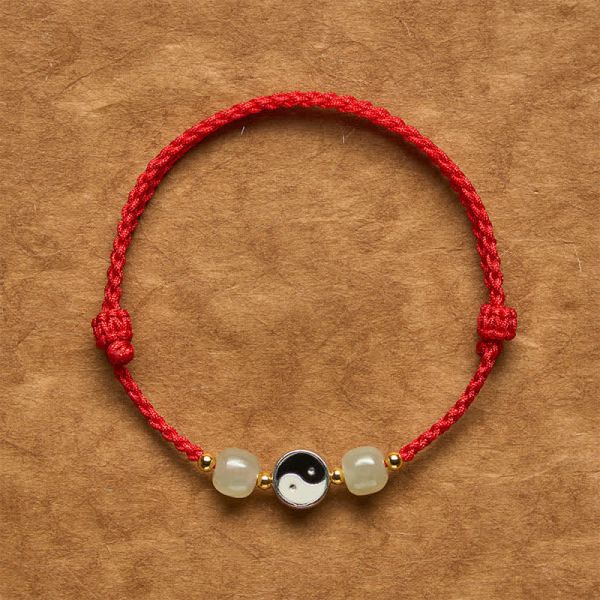 Buddha Stones Alloy Yin Yang Hetian Jade Bead Red String Balance BraceletAs low as $25.59 Regular Price $35.05
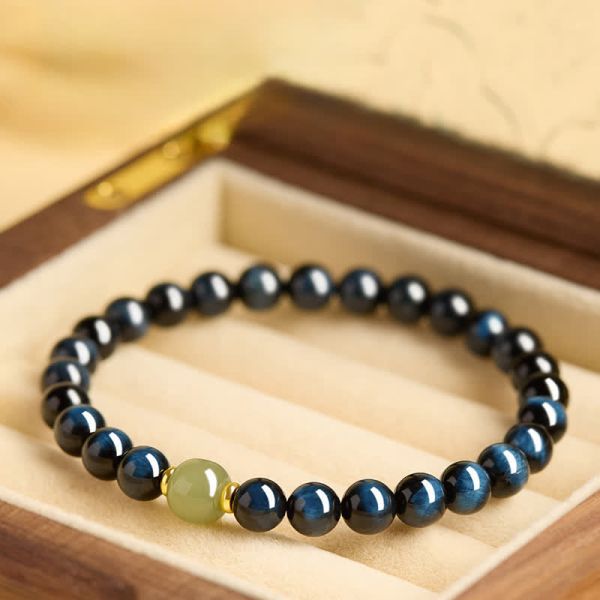 Buddha Stones Blue Tiger Eye Hetian Jade Round Beads Intuition BraceletAs low as $39.59 Regular Price $52.79
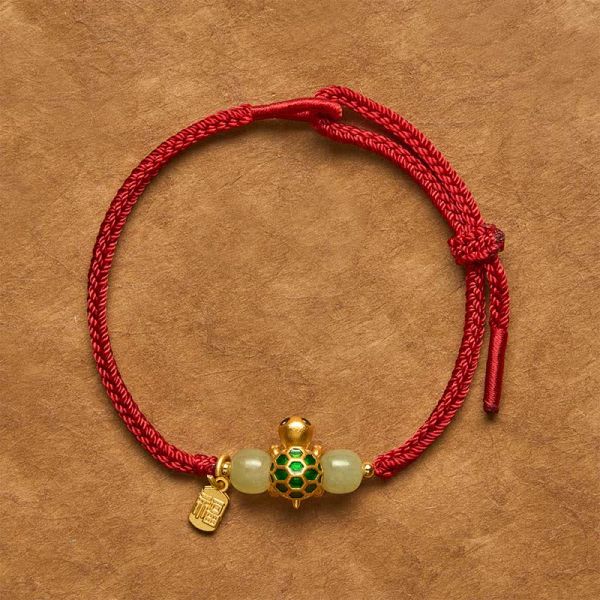 Buddha Stones Copper Turtle Fu Character Hetian Jade Red String Luck BraceletSpecial Price $25.59 Regular Price $34.58