
Enamel Brooch Guide: Everyday Care and Safe Storage
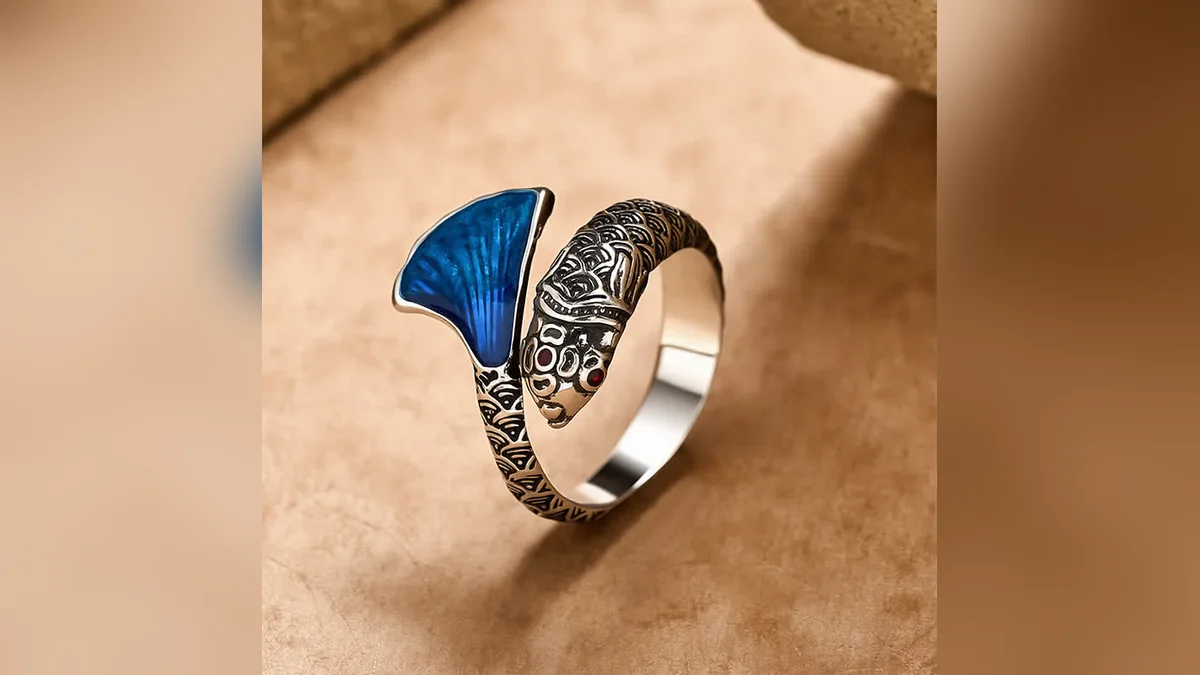
Dust can collect around a brooch’s edges while fingerprints dull its colored surface. This enamel brooch guide explains how to check a pin, remove light surface dirt, fasten it without strain, and recognize damage that needs professional attention. At Buddha Stones, we recommend choosing care by the materials present, especially when a piece combines metal with fabric or pearl.
Enamel is a colored surface applied to a base, often metal. The word alone does not identify its exact composition or construction, so avoid choosing a cleaning method from appearance alone. Begin with gentle, dry care and follow any instructions supplied for your particular piece.
Enamel brooch guide: tools and materials
Set up a clear workspace before opening the pin. A folded towel helps cushion an accidental drop and keeps small jewelry from sliding across a hard surface. Use enough light to examine the edges, back, and fastening without repeatedly turning the piece in your fingers.
- A clean, soft, lint-free cloth for lifting fingerprints and loose dust.
- A separate cloth for drying if a permitted cleaning method uses moisture.
- Plain water for minimal spot cleaning only when the piece’s care instructions allow it.
- A divided jewelry box or individual pouch that keeps the brooch from rubbing against other objects.
- A small magnifier, if helpful, for checking chips and the fastening.
Avoid starting with jewelry dip or polishing paste. A product suitable for exposed metal may be unsuitable for the colored surface beside it. For an unidentified finish, keep the routine dry until you can confirm compatible care.
A step-by-step routine from removal to storage
- Remove the brooch before treating the garment. Support the back while opening the fastening, then guide the pin out along its entry path. Pulling the decoration away from the cloth can bend the pin or catch threads. Unpin jewelry before laundering, steaming, or taking clothing for professional cleaning.
- Inspect before wiping. Place the brooch face up on the towel. Check for lifting edges, chipped color, loose decorative elements, and a pin that sits crookedly. Turn it over while supporting the main structure. If a section moves unexpectedly, stop; wiping can catch a loose edge and enlarge the damage.
- Lift dust with light pressure. Fold the cloth to expose a clean section and gently wipe accessible surfaces. Do not push fabric into narrow gaps or drag it across a raised, cracked edge. If grit remains in a recess, leave it for a jeweler instead of probing with a pin or toothpick.
- Spot-clean only where permitted. If the care instructions allow water, barely dampen a corner of the cloth and touch it to the affected surface. Keep moisture away from openings and attached fabric. Follow with the dry cloth. If the material or attachment method is unknown, skip this step and ask a jeweler about the specific piece.
- Check the fastening before wearing. Open and close it gently without forcing any movement. The pin should sit securely in its catch. Choose fabric that can support the brooch without sagging, and avoid placing it where a bag strap or seat belt will repeatedly press against it. For placement ideas, our brooch wearing instructions cover garment choices.
- Put it away without pressure. Make sure any permitted surface moisture has dried, close the fastening, and place the brooch in its own compartment. Keep the pin from touching the decorative face. Choose a dry location away from direct sunlight, heaters, and crowded drawers where objects may press against it.
Use this routine according to condition rather than polishing on a fixed schedule. A brief inspection after removal may be enough when there is no visible dirt. Repeated rubbing adds handling without necessarily improving the surface. Apply fragrance, lotion, and hair products before putting jewelry on, and let those products dry first.
What not to do around enamel and mixed materials
Do not soak a brooch to loosen dirt. Moisture can reach joints and attachments that are difficult to dry. Avoid ultrasonic machines, steam cleaners, and hot water unless the maker specifically approves them for the complete piece.
Skip toothpaste, baking soda pastes, abrasive pads, and household cleaning sprays. Do not use a metal polishing cloth over enamel unless its instructions explicitly permit that use. Treated cloths can contain polishing compounds; a plain wiping cloth serves a different purpose.
Never bend a pin back and forth to make it fit, scrape away a stain, or add household glue to a loose ornament. A repair attempt can obscure the original attachment and complicate later work. Remove the brooch before washing, swimming, or activities where it may be struck or snagged.
When to replace a fastening or retire a brooch
Stop wearing a brooch if its catch opens unexpectedly, its pin is sharply bent, or a decorative part has become loose. Flaking enamel and sharp chips also call for inspection before further use. Keep any detached fragment in a separate small container so it cannot scratch the remaining surface.
A jeweler can assess whether a fastening can be replaced and whether the surrounding structure can support a repair. Ask about the colored surface before authorizing heat or polishing work. Do not assume a chipped area can be invisibly restored.
If repair is impractical, retire the brooch from clothing and keep it as a stored keepsake. Ordinary darkening on metal does not automatically require replacement; unstable parts and unreliable fastening are the more useful reasons to pause wear.
Related Buddha Stones pieces and material-specific care
Our selection below includes enamel jewelry and two brooches with different stated materials. Use the material information to decide which parts of the routine apply; enamel care alone cannot cover silk or pearl.
Blue enamel koi ring
The Vintage Koi Fish Blue Enamel Adjustable Ring is a unisex copper alloy ring. Its approximate ring size is US 8, and it is adjustable. Measure the widest part of your finger, including the knuckle, before choosing a size. Avoid repeatedly opening and closing an adjustable ring merely to take it off.
Silk iris brooch
The Handmade Silk Art Dark Red Velvet Iris Brooch uses silk and copper. Hold it by the base or main structure, avoid pressing the flower, and keep fingers away from the silk surface. Give it storage space that prevents crushing; do not apply the damp enamel wiping step to the fabric.
Enamel charm cord bracelet
The Tibetan Multicolor Rope Enamel Om Mani Padme Hum Charm Bracelet combines string, copper alloy, and enamel with an adjustable cord. Cord color tones, shades, and pattern distribution can vary slightly between batches as part of handmade production. Keep any permitted spot cleaning on the charm separate from care of the cord.
Silver lotus and pearl brooch
The 925 Sterling Silver Lotus Flower Pearl Brooch measures 23*28mm and weighs 8.6g. Its materials are 925 sterling silver and pearl. Choose care suitable for pearl as well as silver, and avoid letting silver polishing compounds touch the pearl.
References to success, blessings, or good fortune in product names express traditional wishes. These names do not promise results.
Close the routine with a final check
Before returning a brooch to its box, confirm that the fastening is closed, the surface is dry, and nothing presses on the decoration. Leave stubborn marks for informed assessment rather than increasing pressure or trying stronger products. A gentle routine gives you regular opportunities to notice changes while keeping unnecessary handling to a minimum.
Shop the story
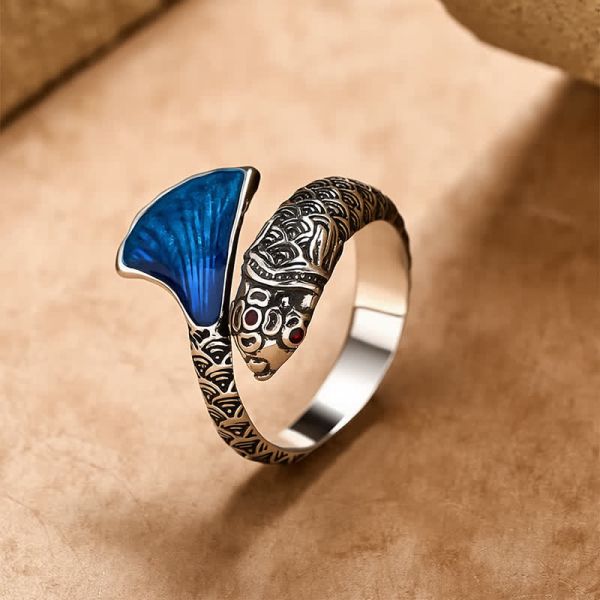 Buddha Stones Vintage Koi Fish Blue Enamel Adjustable Success Adjustable RingSpecial Price $25.59 Regular Price $35.05
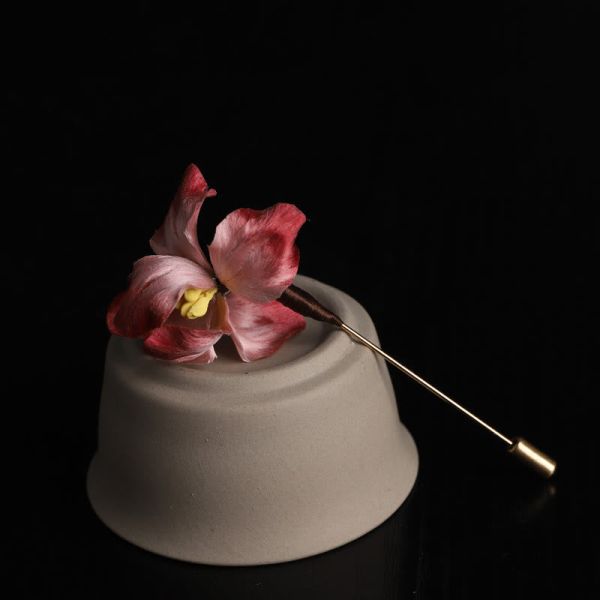 Buddha Stones Handmade Silk Art Dark Red Velvet Iris Blessing Good Fortune BroochSpecial Price $25.59 Regular Price $35.05
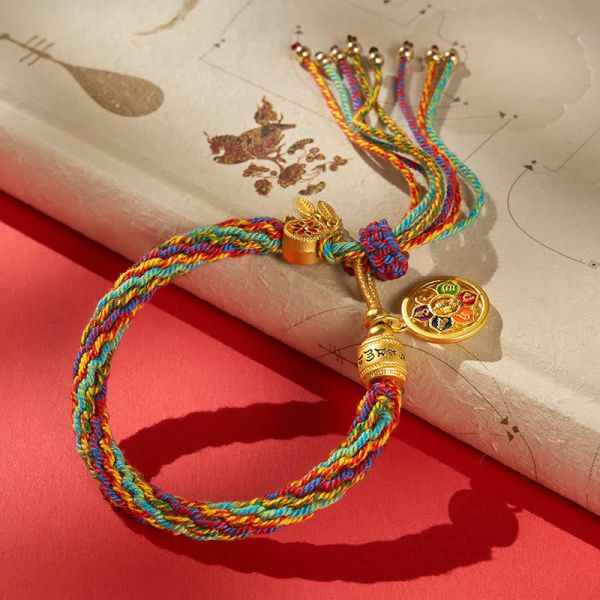 Buddha Stones Tibetan Multicolor Rope Enamel Om Mani Padme Hum Charm BraceletSpecial Price $25.59 Regular Price $34.58
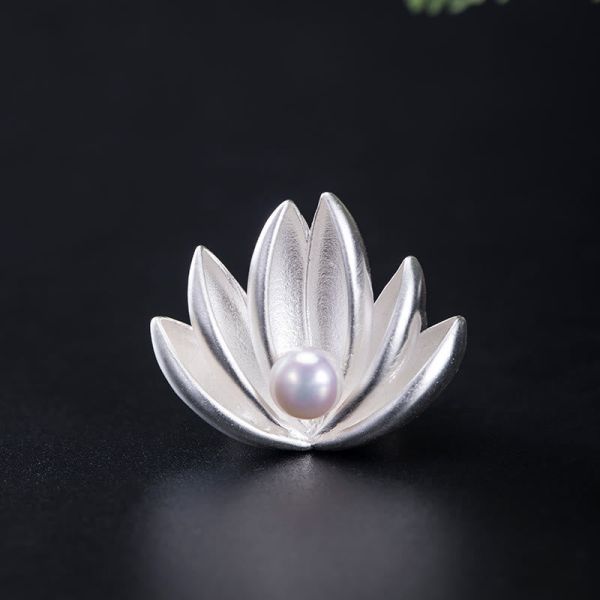 Buddha Stones 925 Sterling Silver Lotus Flower Pearl New Beginning BroochSpecial Price $164.59 Regular Price $222.42