
Embroidery Scarf Guide: Fold, Wear, and Care Gently
A flat surface lets you inspect an embroidered scarf before folding it. This embroidery scarf guide explains how to check the stitching, place the pattern, make loose folds, and follow the care label. We focus on the places where raised threads can catch or become compressed, so you can choose a way to wear and put away your scarf that suits its construction.
Embroidery scarf guide, step 1: check the fabric
Spread the scarf on a clean, dry surface with its embroidered side facing up. Look for loose thread ends, lifted stitches, attached decorations, and areas where the fabric puckers. Avoid pulling a thread to find out where it leads. If a stitch has come loose, keep that area out of the fold until you can arrange a suitable repair.
Read the care label before using water, detergent, steam, or an iron. The background fabric and the embroidery may need different treatment, and appearance alone cannot identify either material reliably. If the scarf has no readable label, ask the seller for care instructions rather than choosing a washing method from the color or texture.
Step 2: Choose which part of the embroidery to show
Identify one section you want visible: a flower near an end, a stitched border, or a central motif. Place that section toward the front of your proposed fold. A border can follow the outside edge, while an end motif can sit below a loose knot. Keep dense embroidery away from the point where the fabric will be tightened.
Fold once on the flat surface and check the result before putting the scarf on. If the design disappears inside the fold, move the fold line instead of pulling the embroidered section through. You can leave a plain section behind the neck and let the decorated ends hang forward.
Step 3: Make a broad fold and a loose fastening
Begin with broad folds that follow areas without raised stitches. Do not press a sharp crease through a dense embroidered patch. For a rectangular scarf, bring the long edges inward loosely until the decorated section remains visible. For a square scarf, try a diagonal fold only if it does not place bulky stitching directly along the fold.
Drape the folded scarf around your neck and cross the ends once. If the length allows, pass one end loosely over and through to make a simple overhand knot. Position the knot on plain fabric and leave room to slide it open without tugging. If the scarf is too short or heavily decorated for that arrangement, leave the ends hanging instead of forcing a knot.
Step 4: Check contact with jewelry and bag hardware
Check where the scarf meets earring hooks, necklace clasps, jacket zippers, and bag buckles. Lift the fabric clear of anything that could hook a stitch. A scarf that lies neatly while you stand still can shift as you reach for a bag, so check the overlap with the strap as well.
Choose a placement that keeps raised embroidery outside the area pressed beneath a shoulder strap. If you add a brooch, use a plain section where the fabric can support it, and never push a pin through an embroidered motif. Our brooch placement instructions explain how to consider fabric and fastening together.
Step 5: Put the scarf away without crushing the stitching
Undo the fastening by loosening the plain fabric first. Lay the scarf out and check for caught threads before folding it for storage. Use broad folds, changing their position occasionally so the same embroidered area does not always sit at a crease. Avoid placing heavy objects on raised decoration.
Follow the care label for cleaning, drying, and pressing. Do not assume that hand washing is suitable simply because the scarf has embroidery. If ironing is permitted, follow the specified temperature and avoid direct pressure on raised stitches. Let the scarf dry completely before putting it away, and choose a clean storage space where hooks and rough edges cannot catch the threads.
Mistakes to avoid around embroidered details
- Tightening a knot over stitching. Move the knot onto an undecorated section and loosen it before removing the scarf.
- Cutting an unfamiliar thread end. It may belong to the embroidered design; identify the problem before trimming or repairing it.
- Copying another scarf’s care routine. Similar colors and patterns do not establish matching fabric or cleaning requirements.
- Pulling against a snag. Stop and release the thread from the clasp or zipper before moving the fabric.
- Using embroidery as a carrying loop. Do not knot a scarf around bag handles to carry weight or pull on stitched areas to open a fastening.
Four embroidered bags from Buddha Stones
A flower-pattern bag set
Our Handmade Embroidery Pattern Canvas Shoulder Bag Tote Bag Set comes in Blue Flower and Multicolored Flower options. The materials are Canvas Fabric, Chenille Fabric, and Nylon. The large size is 31cm*11cm*38cm (Length*Width*Height); the small size is 32.5*20.4cm. The large bag has one main pocket, while the small bag has one main pocket and one zipper interior pocket. Specifications give non-adjustable straps, a Buckle/Zipper closure, and a weight of 500g. The package contains one large bag and one small bag.
A floral and bamboo canvas tote
The Pear Flower Plum Peach Blossom Bamboo Embroidery Canvas Tote Bag has options including Beige White Peach Blossom, Blue White Plum Bamboo, and Green White Pear Flower. Its materials are Canvas Fabric, Polyester, and Nylon Zipper. Size: 28-33*12*32cm(Length*Width*Height). The tote bag strap length is 27cm, and the straps are non-adjustable. It has one main pocket, one zipper interior pocket, two pockets, and one back zipper pocket. The closure is a zipper, the weight is 350g, and one bag is included.
A peacock embroidery bag
The Peacock Double-sided Embroidery Tote Shoulder Crossbody Bag uses Canvas Fabric and Polyester. Options include Black Peacock, Dark Blue Peacock, and Wine Red Peacock. Size: Approx. 25*37*10cm(Length*Height*Width). Strap length is approximately 120cm; specifications include adjustable and non-adjustable straps. The interior has one main pocket, one zipper pocket, and one pocket. It closes with a zipper, weighs 350g, and comes as one bag.
A cotton linen floral bag
The Suzhou Embroidery Lotus Epiphyllum Magnolia Cotton Linen Bag has Green Epiphyllum, Green Lotus, Green Magnolia, and Pink Beige Magnolia options. Materials are Cotton Linen Fabric and Ceramic Bead Accessories. Its size is 20*20*7cm, with a shoulder bag strap length of 130cm. It has an adjustable strap, a strap closure, one main pocket, and one zipper interior pocket. The package includes one bag.
Keep the next fold simple
Use this embroidery scarf guide whenever you change the fold or fastening: check the label, place the motif, and keep pressure away from raised stitches. A loose arrangement makes the design visible while leaving the fabric easy to unfold and put away.
Shop the story
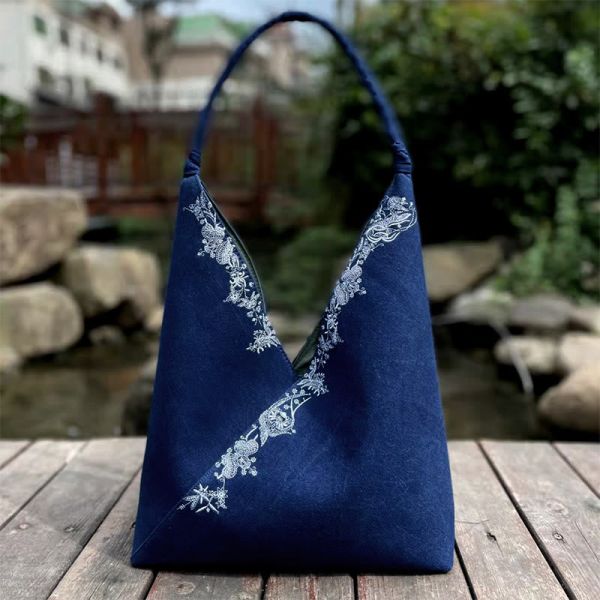 Buddha Stones Handmade Embroidery Pattern Canvas Shoulder Bag Tote Bag SetAs low as $52.59 Regular Price $70.12
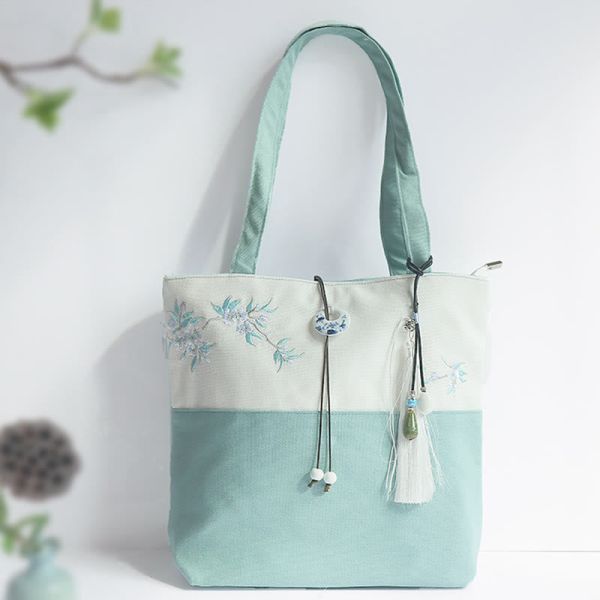 Buddha Stones Pear Flower Plum Peach Blossom Bamboo Embroidery Canvas Large Capacity Shoulder Bag Tote BagAs low as $46.59 Regular Price $65.62
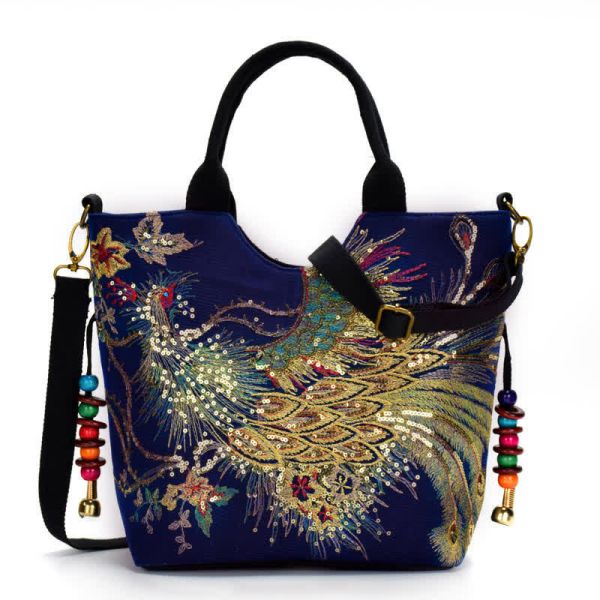 Buddha Stones Peacock Double-sided Embroidery Tote Bag Shoulder Bag Crossbody BagAs low as $29.59 Regular Price $41.10
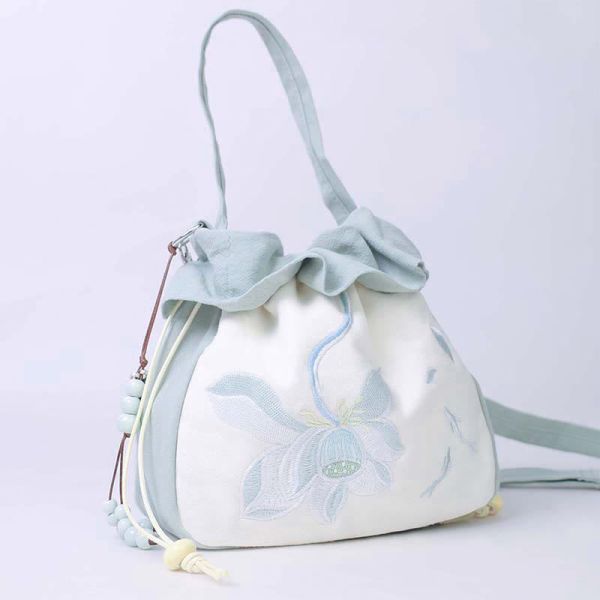 Buddha Stones Suzhou Embroidery Lotus Epiphyllum Magnolia Cotton Linen Tote Crossbody Bag Shoulder Bag HandbagAs low as $23.59 Regular Price $31.88