
Crane Jewelry Guide: Care, Wear, and Safe Storage
A crane pendant can collect dust where its wings meet the chain loop. This crane jewelry guide explains how to inspect small details, remove loose surface dirt, prevent snags during wear, and decide when a piece needs repair. The crane is the motif; the material and construction determine its care. We also include crane-patterned fans and a bag from our range, with their specifications kept separate from jewelry instructions.
Begin by checking the material information supplied with your piece. If you cannot identify a metal, stone, coating, cord, or adhesive, limit home care to gentle dry dusting until you have suitable instructions. A bird-shaped outline alone tells you nothing about which cleaning products are appropriate.
Tools and materials for careful handling
Set up a clear surface away from a sink edge. Good lighting helps you distinguish trapped lint from a bent connection or loose setting. Place a clean cloth underneath the piece so that a dropped clasp or bead is easier to find.
- A clean, lint-free cloth: Use it for light surface dust. Keep a separate cloth for anything that has touched polishing compounds.
- A very soft, clean brush: Reserve it for accessible recesses. Skip brushing if threads, loose settings, or lifting surface details could catch.
- A shallow dish: Keep removable components together while inspecting them.
- Separate storage compartments: Give projecting wings, long legs, and chains enough room to rest without pressure.
- The supplied care information: Consult this before choosing water, soap, polish, or any cleaning device.
You do not need a chemical cleaner for a routine visual check. Start with the least intervention the condition requires, and stop if the surface changes or a component moves unexpectedly.
Crane jewelry guide: a step-by-step routine
- Remove the piece carefully. Open its fastening before taking it off. Support a pendant or pin by its main body rather than pulling an extended wing, tail, chain, or cord. Set it down instead of dropping it into a crowded dish.
- Inspect the attachment points. Look at the clasp, connecting loops, cord ends, and any settings. Check crane details for bends or rough edges. A chain that repeatedly catches in the same place deserves attention before further wear.
- Lift away loose dust. Use the cloth with light pressure on accessible surfaces. If the construction permits, guide a soft brush out of recesses rather than pushing dirt farther inside. Do not scrape around the beak or feather details with a pin.
- Decide whether cleaning can continue. Follow instructions specific to the identified materials. A suitable method for one component may damage another. For an unidentified finish or mixed-material piece, stop at dry dusting and ask a jeweler about remaining marks.
- Check before putting it away. If an approved cleaning method involved moisture, let the piece dry fully as directed. Recheck the fastening without tugging hard. Lay chains loosely and leave projecting details free of pressure.
- Plan the next wear. Choose clothing that gives the motif clearance. Check for contact with loose knit loops, scarf fringe, bag straps, or a neighboring pendant. Fasten the piece securely before moving away from your preparation surface.
For a crane brooch, support the garment while opening and closing the pin. Our brooch placement instructions explain positioning on clothing. During removal, release caught fabric gently rather than pulling the brooch through it.
Make inspection part of putting the piece away. After a snag or impact, check it again before wearing it. Cleaning more often cannot correct a damaged attachment.
What not to do around delicate crane details
Do not choose a cleaner by the bird design. Crane motifs can appear on many materials. Avoid treating an unknown piece as solid metal or assuming that a shiny surface can tolerate polishing. Abrasive cloths and pastes can alter finishes.
Do not soak mixed-material jewelry, use an ultrasonic cleaner, or apply steam without instructions confirming compatibility. Avoid household bleach, scouring powders, and stiff brushes. More pressure is not a reliable answer to a stubborn mark.
Keep jewelry away from cosmetics and cleaning sprays during application. Remove it before activities where it could catch, be struck, or encounter water contrary to its care instructions. Do not use a projecting wing as a handle for opening a clasp.
When carrying crane accessories together, keep pins and exposed chain ends away from fabric and fan surfaces. A bag pocket is not automatically a suitable jewelry compartment. Wrap or contain the jewelry separately so its outline cannot catch on neighboring items.
When to replace or retire a piece
Pause wear if a clasp opens unexpectedly, a connecting loop has a visible gap, a setting shifts, or a cord is fraying. Sharp edges and cracked components also need attention. Put the piece aside with any detached parts, and have its condition assessed before using it again.
A jeweler may be able to replace a fastening or repair a connection. Avoid bending a crane’s legs or wings back yourself; repeated bending can worsen the damage. Do not glue a loose component without knowing how it was originally attached.
Surface wear alone does not always require retirement. Decide whether the remaining finish suits your preference, while treating structural faults separately. If repair is impractical, keep the piece out of regular wear. For a fan, split ribs or a damaged pivot warrant the same pause; for a bag, inspect failing strap attachments before carrying it again.
Crane accessories from Buddha Stones
These selections are fans and a bag rather than jewelry. Use their material information to plan handling and storage; do not transfer jewelry polishing methods to bamboo, silk, tassels, or fabric.
Vintage cloud and crane folding fan
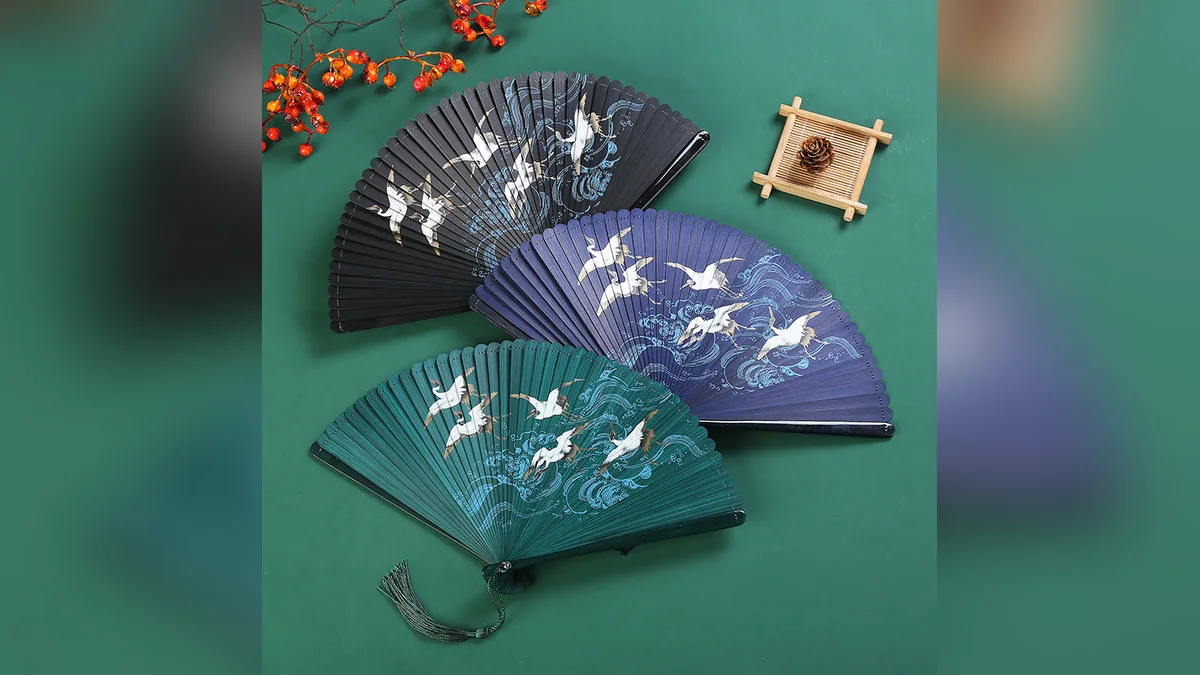
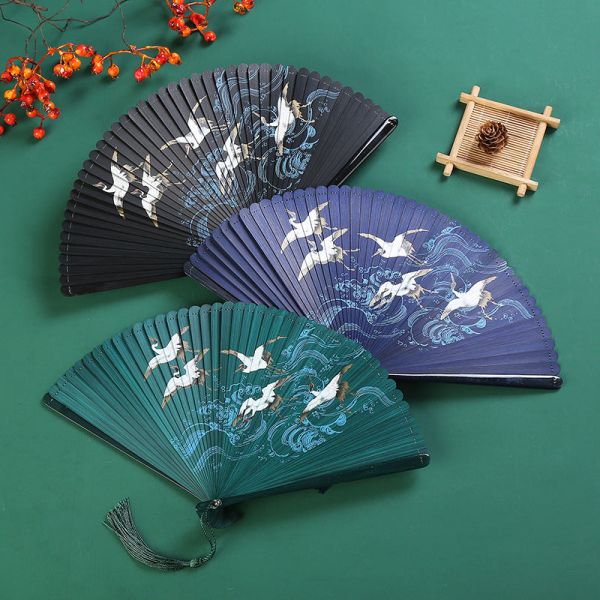
Our Vintage Cloud Crane Maple Leaf Bamboo Folding Fan has a folded length of 18.5cm and an unfolding size of 37cm. Its specified material is bamboo. Crane options are Crane Black 18.5cm, Crane Blue 18.5cm, and Crane Green 18.5cm; Maple Leaf Black 18.5cm is another option. Keep the folded fan clear of jewelry points during storage.
White crane curlable fan option
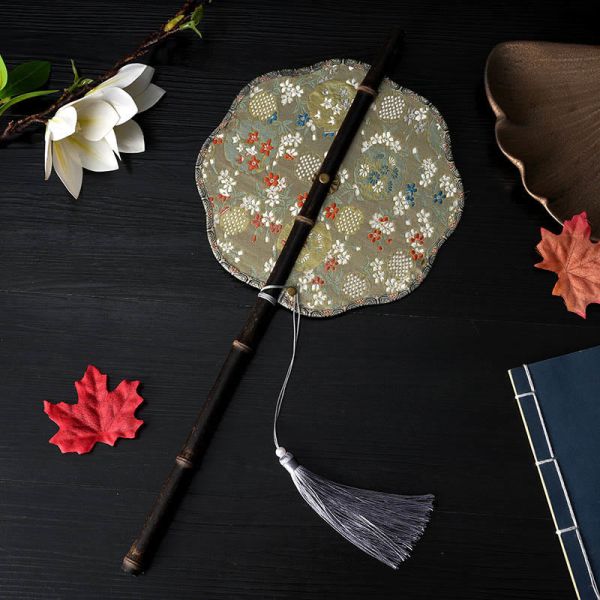
The Handmade Flower and Bird Purple Bamboo Handle Curlable Fan includes a White Crane 22*50cm option. Specifications give a fan diameter of about 22cm and a handle length of about 50cm. Materials are bamboo, purple bamboo, and tassels. Tassel color is random. Leave room for the handle and tassels when putting it away.
Mountain river crane silk folding fan
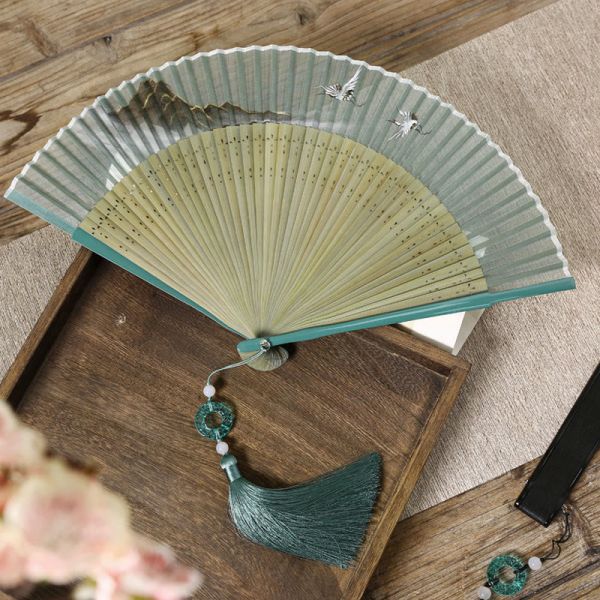
The Retro Mountain River Crane Silk Bamboo Folding Fan uses silk, bamboo, tassels, and bead accessories. Folded length is 22.5cm; unfolding size is 40cm. Black Mountain River Crane and Turquoise Mountain River Crane options come with a gift box measuring 25*10*2.5cm. Avoid trapping tassels between the ribs when closing it.
Navy blue crane bag option
Our Embroidered Lotus Koi Fish Crane Camellia Bag offers a Navy Blue Crane 20*20*7cm option. Materials are cotton linen fabric and ceramic bead accessories. The bag measures 20*20*7cm, with a 130cm adjustable shoulder strap and strap closure. It has 1 main pocket and 1 back zipper pocket. The package contains 1 bag. Keep loose jewelry contained before placing it inside.
Keep the next check simple
Use this crane jewelry guide as a repeatable sequence: inspect, dust gently, follow the material instructions, and put away without pressure. Leave repairs to an appropriate professional when an attachment or projecting detail is damaged. A brief check before storage gives you a clear starting point the next time you choose the piece.
Shop the story
 Buddha Stones Vintage Cloud Crane Maple Leaf Pattern Handheld Bamboo Folding FanAs low as $25.59 Regular Price $34.58
 Buddha Stones Handmade Flowers Peach Loquat Bird Crane Butterfly Pattern Long Purple Bamboo Handle Portable Curlable FanAs low as $39.59 Regular Price $52.79
 Buddha Stones Retro Mountain River Crane Silk Handheld Bamboo Folding FanAs low as $97.59 Regular Price $131.88
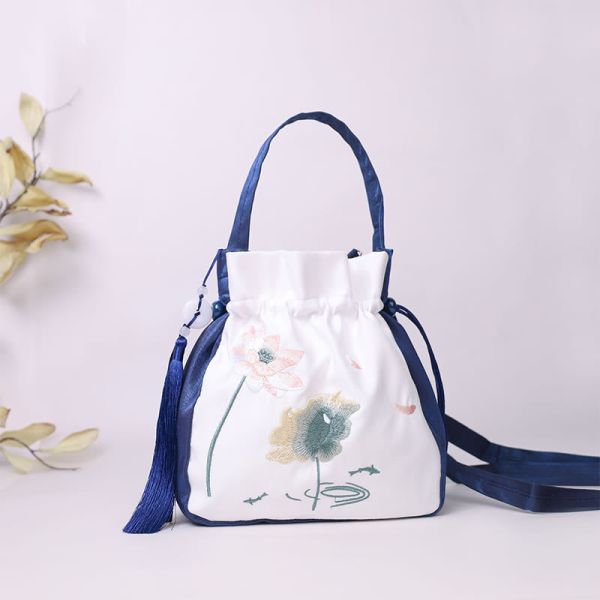 Buddha Stones Embroidered Lotus Koi Fish Crane Camellia Cotton Linen Tote Crossbody Bag Shoulder Bag HandbagAs low as $24.59 Regular Price $33.23