Couple Rings Guide: Daily Wear, Cleaning, and Care
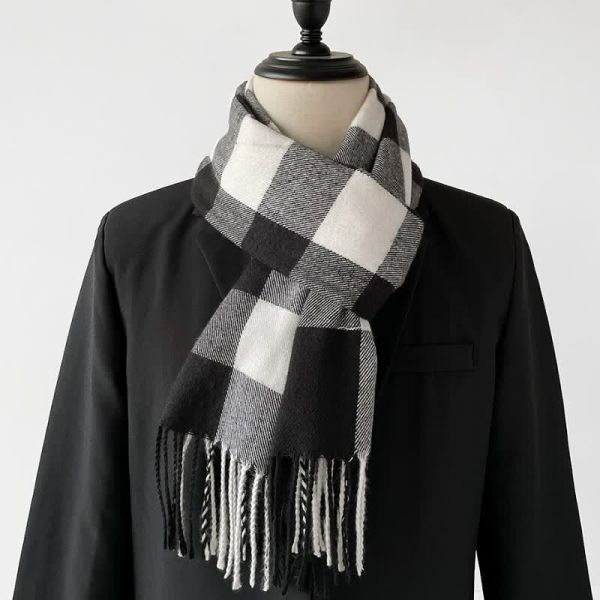
Ring edges can catch on scarf fringe as you pull fabric through your hands. This couple rings guide explains how to put on, inspect, clean, and store a pair of rings, with care choices based on the materials and settings of each piece. At Buddha Stones, we recommend treating a matching pair as two separate care tasks: a shared design does not establish identical cleaning requirements.
Tools and materials for a careful setup
Prepare a clear surface before taking either ring off. Work away from an open sink, and keep the rings apart so they cannot knock together. You need only a few basic supplies for an initial inspection and dry wipe:
- A clean, plain, lint-free cloth without polishing compounds.
- A shallow dish or tray to keep a removed ring in view.
- Separate lined compartments or individual pouches for storage.
- The care instructions for the particular ring, including any information about its finish and settings.
Soap, water, brushes, and commercial cleaners are conditional supplies. Use them only when the ring's instructions permit them. If you cannot identify the material, coating, or decorative components, keep the first session dry and ask a jeweler how to proceed.
Your couple rings guide: a repeatable care routine
-
Check the instructions for both rings. Confirm what you know about each band, finish, and setting before cleaning. Do not assume that similar colors mean the same metal or that matching designs contain the same components. Keep a short care record for each ring so you do not have to reconstruct the instructions later.
-
Look over the ring before putting it on. Under good light, check for a bent band, a lifted edge, a crack, or a stone that appears displaced. Look at the inside of the band as well as the visible face. If a setting looks uneven or catches fabric repeatedly, put the ring aside for inspection rather than pushing the edge down yourself.
-
Finish dressing before adding rings. Arrange scarves, fasten buttons, and handle fringe first. Then put on your ring. Reverse that order when undressing: remove the ring before pulling fabric past it. This keeps settings and loose threads from meeting during movements that are easy to overlook.
-
Give each person a separate fit check. A pair does not need identical sizes. The ring should stay in place during ordinary hand movements and come off without forcing it. If the fit is uncertain, use our ring measurement instructions before ordering another size, and ask a jeweler about the existing piece. Never squeeze an adjustable band repeatedly to chase a precise fit.
-
Remove rings before demanding tasks. Put them in their designated dish before lifting weights, handling tools, gardening, or using household cleaning products. Take them off before swimming, too. Choose one storage location for these interruptions instead of leaving a ring on a counter edge or wrapping it in a tissue that could be discarded.
-
Wipe gently after wear. Use a clean section of the cloth for each ring, working lightly around the band without tugging at settings. A dry wipe removes loose surface residue; it is not a reason to scrub a stubborn mark. Stop if the cloth catches or if a component moves.
-
Use wet cleaning only when approved. Follow the ring's own directions for the cleaning agent, water temperature, and drying method. Clean one ring at a time in a contained area. Do not improvise soaking times or assume another ring's instructions apply. If the directions are missing, postpone wet cleaning until you have reliable guidance for that piece.
-
Inspect again before storage. Make sure an approved wet-cleaning process is complete and the ring is fully dry before putting it away. Give the pair separate spaces, with enough room that settings do not rub against another piece. Keep any care card with your records rather than loose beneath the rings.
What not to do when marks or snags appear
Do not use toothpaste, abrasive powders, kitchen scouring pads, or a polishing cloth with an unidentified treatment. A mirror finish, a textured surface, and a plated finish can require different care. Trying to make them look alike can remove details you intended to preserve.
Avoid ultrasonic and steam cleaning unless a jeweler confirms that the complete ring is suitable. Approval for the band alone does not settle the question for its stones, adhesives, or decorative parts. Likewise, do not combine cleaning products or use household bleach as a shortcut.
If a ring catches a thread, stop moving your hand and release the fabric gently. Do not yank the scarf away, cut the ring's setting, or bend a raised edge back with pliers. Repeated snagging calls for inspection, even when the ring still looks presentable from above.
When to repair, replace, or retire a ring
A change in appearance does not automatically require replacement. Minor surface marks may be acceptable signs of ordinary use, while a loose component or distorted band deserves attention. Judge the structure separately from the finish. Set aside a ring with a visible crack, an open join, or a setting that no longer holds its component securely.
Ask a jeweler whether repair or resizing is practical before making changes. Construction and decoration can limit what can be altered. If repeated repairs leave the piece unreliable for daily wear, retiring it to a keepsake box may be preferable to continuing to wear it.
One partner can replace a ring while the other keeps theirs. Decide together which details you want to retain, such as the general shape or an inscription. Keeping a pair meaningful does not require both pieces to wear out on the same schedule.
Scarf products to keep clear of ring settings
The following scarves are wardrobe accessories, not ring-cleaning cloths. Keep jewelry care supplies separate from clothing, and arrange fringe before putting your rings on.
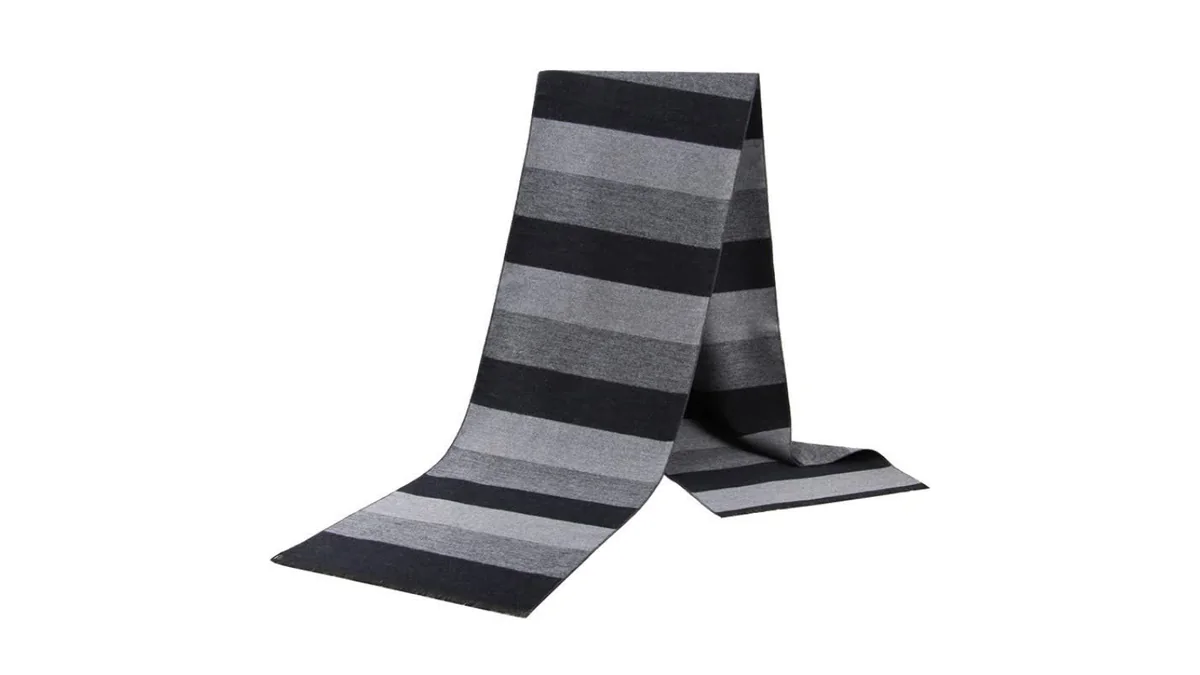
The Buddha Stones Fall Winter Classic Charcoal Stripe Fringe Men's Scarf is viscose. Its size is Approx. 180 cm × 30 cm / 70.8 in × 11.8 in. The package contains one scarf.
The Buddha Stones Fall Winter Classic Grey Plaid Fringe Cozy Men's Scarf is viscose, with a size of Approx. 32 cm × 180 cm / 12.5 in × 70.8 in. One scarf is included.
The Buddha Stones Fall Winter Dark Grid Tassel Layering Men's Scarf is polyester. Its size is Approx. 200 cm × 130 cm / 78.7 in × 51.1 in. The package contains one scarf.
The Buddha Stones Fall Winter Long Rectangular Plaid Fringed Men's Scarf has the item type Shawl and is polyester. Its size is Approx. 180 cm × 32 cm / 70.9 in × 12.6 in. One shawl is included.
Keep the routine small enough to repeat
Use this manual as a standing checklist: dress first, inspect, remove rings for chores, wipe gently, and store separately. Keep specific cleaning directions with each ring, and pause whenever its construction or condition is uncertain. A clear place for removal and a short inspection make the next care decision easier for both of you.
Shop the story
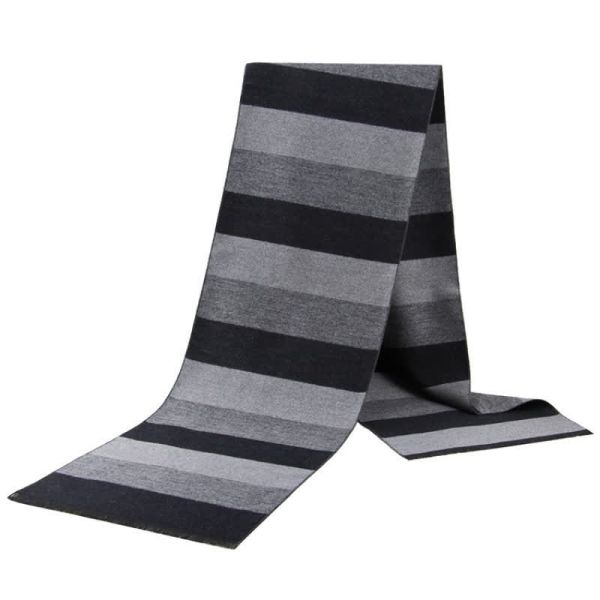 Buddha Stones Fall Winter Classic Charcoal Stripe Fringe Men's ScarfAs low as $21.59 Regular Price $30.41
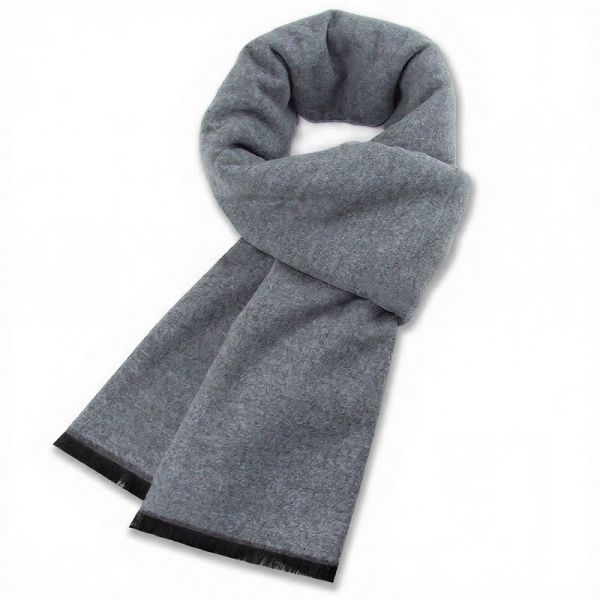 Buddha Stones Fall Winter Classic Grey Plaid Fringe Cozy Men's ScarfAs low as $22.59 Regular Price $30.95
 Buddha Stones Fall Winter Dark Grid Tassel Layering Men's ScarfAs low as $22.59 Regular Price $30.12