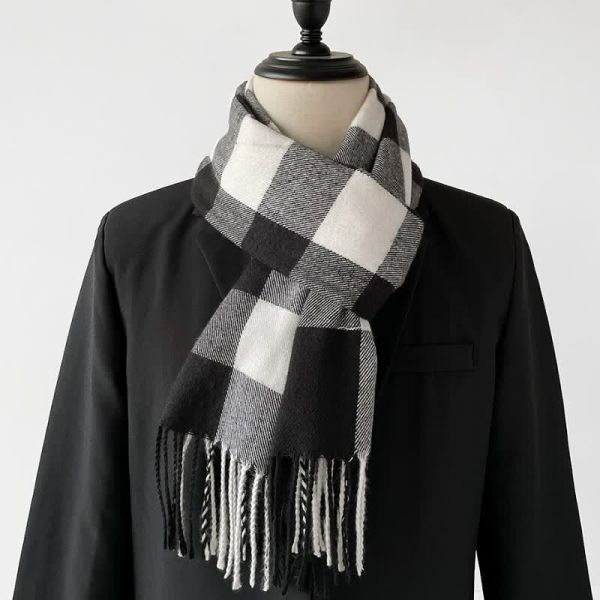
Copper Ring Guide: Check, Wear, Clean, and Store
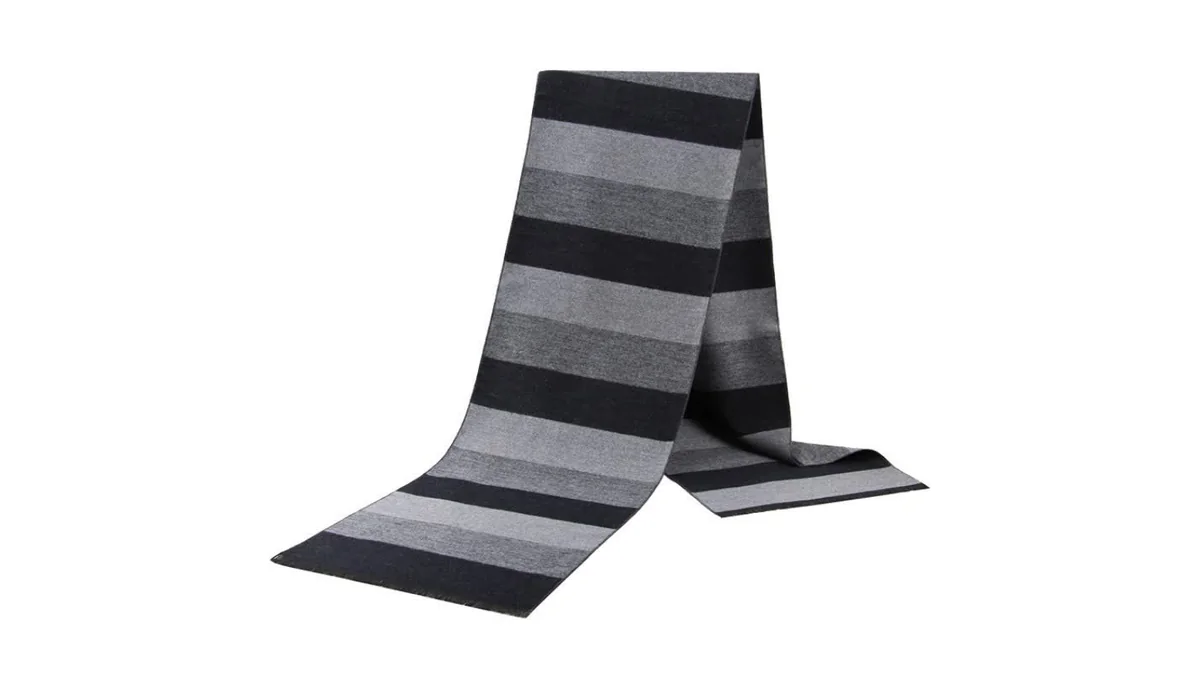
A copper ring needs a surface check before you clean it. This copper ring guide explains how to identify the finish, check the fit, coordinate accessories, remove everyday dirt, and store the ring without unnecessary rubbing. Start with the seller’s care instructions, because bare copper, coated surfaces, and rings with added details may need different treatment.
At Buddha Stones, we suggest separating two decisions: how you want the ring to look and how its actual construction allows you to care for it. A darker surface may be welcome on one design and something you want to polish on another. Decide that before reaching for a cleaning product.
1. Copper ring guide basics: check the finish
Read the material description and any care information supplied with the ring. Check whether the description identifies solid copper, copper plating, a coating, or a deliberately darkened finish. Color alone cannot establish the metal beneath the surface. If the description is unclear, ask the seller before using polish or attempting to remove discoloration.
Look closely at the inside of the band, its edges, and any recessed decoration. Notice loose components, rough spots, or an uneven coating. Do this over a clear surface so you can set the ring down without losing track of it.
Bare copper can darken as its surface reacts with its surroundings. That surface change is often called patina. You can choose to retain it, but first distinguish an intended dark finish from dirt that needs removing. Avoid treating every dark area as a cleaning problem.
2. Confirm the fit and inspect the opening
Check fit before planning regular wear. The ring should pass over the knuckle without forcing, then stay in place during ordinary hand movement. If you need a size reference, our ring measurement instructions explain the measuring process separately. Compare the result with the size information for the particular ring.
For an open band, inspect the gap and the ends. Do not assume an open design can be adjusted indefinitely. Follow any adjustment limits supplied by the seller, and avoid repeatedly bending the band back and forth. If no adjustment guidance is available, get advice before changing its shape.
Run a clean cloth lightly along the edges to check for catching. A snag deserves attention before you handle fringed fabric or other accessories. Keep the ring off until a rough edge or loose detail has been assessed.
3. Arrange nearby accessories before adding layers
Decide whether you want the copper color to be the main visible metal or one part of a mixed-metal arrangement. Neither choice requires a fixed symbolic meaning. Begin with the ring alone, then add one accessory at a time so you can judge the spacing and proportions.
Leave room between pieces that would otherwise strike or scrape each other. Check the ring beside a bracelet with your hand resting flat, then gently bend your fingers. The useful question is whether the pieces collide during movement. Adjust their positions or wear them separately if they do.
Fasten clothing and arrange scarves before putting on a ring with projecting details. When removing a scarf, take care around fringe and loose threads. If fabric catches, stop pulling, set down what you are holding, and ease the thread free. Pulling harder can tighten the snag.
4. Clean according to the surface you identified
Begin with a clean, dry, nonabrasive cloth. Wipe the inside and outside of the band gently, using a fresh part of the cloth as it picks up dirt. Avoid pushing debris into grooves or rubbing repeatedly at one small spot.
If the care instructions permit washing, use a little mild soap with lukewarm water and clean gently. Remove soap residue as directed, then dry thoroughly. Do not assume permission to wash a plain band also applies to a ring with attached decorations, coatings, or other materials.
Use a copper polish only when it is suitable for the ring’s stated construction and intended finish. Follow both the ring’s care directions and the polish instructions. Abrasive polishing can change a surface you meant to preserve. Stop if color transfers unexpectedly or the finish begins to look uneven.
Keep kitchen cleaning recipes out of your first attempt. An acidic paste or gritty powder may be unsuitable for plating, coatings, or decorative details. When construction remains uncertain, limit care to gentle dry wiping until you have reliable instructions.
5. Dry, separate, and record the care details
Check the inner band and any recesses for remaining moisture before putting the ring away. Choose a dry compartment or an individual pouch with a clean interior. Give it enough space that other jewelry cannot rub across it when you move the container.
Remove the ring before tasks involving cleaning chemicals or abrasive surfaces. Put it in a designated dish away from a sink edge, then return it to storage when the task is finished. A consistent location makes the care routine easier to follow.
Keep the material description and care directions with your purchase records. Add a brief note identifying any finish you intend to preserve. Before future cleaning, check those details again instead of relying on the ring’s current color.
Mistakes to avoid when handling a copper ring
- Polishing before checking the finish. Confirm what the surface is and whether darkened areas are intentional.
- Scrubbing harder when a mark remains. Pause and identify the mark before changing methods or applying more pressure.
- Forcing an open band into a new size. Use the seller’s adjustment guidance rather than repeated trial bends.
- Pulling caught fringe through a ring detail. Loosen the thread carefully instead of tugging the fabric.
- Putting the ring away damp. Finish drying the inside and any recessed areas before storage.
Products: four scarf specifications for outfit planning
Our scarf product details below provide the materials, dimensions, and color options you can use when planning clothing alongside your jewelry.
Classic charcoal stripe scarf
The Buddha Stones Fall Winter Classic Charcoal Stripe Fringe Men’s Scarf is viscose. Its size is Approx. 180 cm × 30 cm / 70.8 in × 11.8 in. Options are Beige, Black, Maroon, and Peru. The item type is Scarf, and the package includes one scarf.
Classic gray plaid scarf
The Buddha Stones Fall Winter Classic Grey Plaid Fringe Cozy Men’s Scarf uses viscose and measures Approx. 32 cm × 180 cm / 12.5 in × 70.8 in. Options include Black, Blue Gray Black Plaid, Blue Gray Plaid, Blue Gray Squares, DarkGray, Gray Black, Gray Black Plaid, and Gray Blue. The item type is Scarves; one scarf is included.
Dark grid tassel scarf
The Buddha Stones Fall Winter Dark Grid Tassel Layering Men’s Scarf is polyester, with a size of Approx. 200 cm × 130 cm / 78.7 in × 51.1 in. Its options are DarkSlateGray, DimGray, RosyBrown, and SaddleBrown. The item type is Scarves, and the package contains one scarf.
Long rectangular plaid scarf
The Buddha Stones Fall Winter Long Rectangular Plaid Fringed Men’s Scarf has the item type Shawl. It is polyester and measures Approx. 180 cm × 32 cm / 70.9 in × 12.6 in. Choose from Beige, Black, Crimson, and SteelBlue. The package includes one shawl.
Return to the same sequence whenever your ring needs attention: identify the finish, check its condition, choose a suitable cleaning method, and dry it before storage. Keep care decisions tied to the ring’s construction and the appearance you want to preserve.
Shop the story
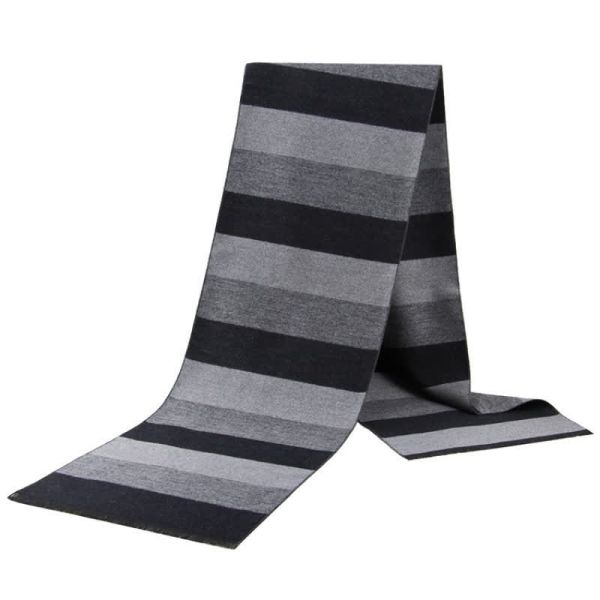 Buddha Stones Fall Winter Classic Charcoal Stripe Fringe Men's ScarfAs low as $21.59 Regular Price $30.41
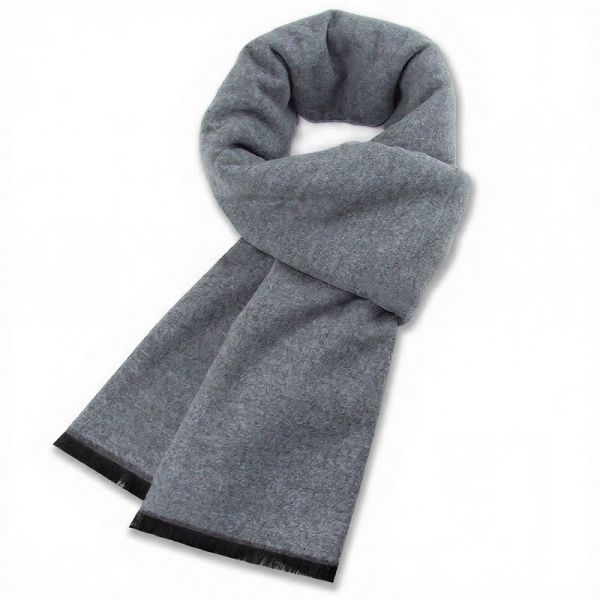 Buddha Stones Fall Winter Classic Grey Plaid Fringe Cozy Men's ScarfAs low as $22.59 Regular Price $30.95
 Buddha Stones Fall Winter Dark Grid Tassel Layering Men's ScarfAs low as $22.59 Regular Price $30.12