
Chrysanthemum Meaning: Autumn Flowers and Chinese Art
Tao Yuanming picks chrysanthemums beside the eastern fence in his poem, with the southern mountain in view. The flower belongs to an ordinary outdoor scene, yet it became closely associated with the Chinese poet and his life away from official service. In Chinese tradition, chrysanthemum meaning centers on longevity, endurance, and integrity. Wishes for luck, wealth, or protection belong to cultural belief; an object bearing the flower cannot guarantee them.
The poem offers a useful starting point for understanding the motif. A chrysanthemum on a cup or pendant carries more than a general message about flowers. It recalls autumn, a poet’s chosen way of life, and the dignity traditionally found in blooming late in the year.
Chrysanthemum meaning at autumn gatherings
The Double Ninth Festival falls on the ninth day of the ninth lunar month. Chrysanthemum viewing, climbing to higher ground, and drinking chrysanthemum wine are among its traditional customs. The flower’s seasonal presence links it to the festival, while its association with longevity connects it with respect for older people.
These customs give the blossom a setting beyond a decorative border. It belongs to gatherings shaped by the season: looking at flowers, recognizing the passing year, and expressing good wishes to family members. Practices vary among communities and households, so a single festival description should not become a rule for everyone.
A chrysanthemum gift can therefore express respect for an elder or a wish for a long life. That is a symbolic message between people. We describe longevity as a traditional association, never as something a cup, flower motif, or piece of jewelry can confer.
Context also changes how a flower is received. White chrysanthemums often appear in Chinese funeral and remembrance settings. For a celebratory gift, consider the recipient’s customs and the occasion rather than assuming every flower color communicates the same message.
The autumn flower in the scholar’s brush
Chinese painting groups the chrysanthemum with plum blossom, orchid, and bamboo as the Four Gentlemen. These plants serve as subjects through which painters express admired qualities. The chrysanthemum represents autumn and is commonly associated with integrity and endurance, drawing on its flowering season.
Its place in this group helps explain why it appears beside other plants in decorative traditions. A flower can be part of a larger conversation about seasons and character. The chrysanthemum’s connection with Tao Yuanming adds a literary layer: withdrawal from official ambition and the value placed on a simpler life.
The motif also changes as it moves between forms. A painted branch can include leaves and several blossoms; a compact ornament may concentrate on petals around a center. Neither arrangement supplies a universal code. The surrounding design and the object’s cultural setting help establish what the flower means.
Our discussion of plum blossom symbolism considers another member of the same painting group. Reading the flowers together gives their seasonal roles more definition without treating them as interchangeable signs.
A blossom worn in modern jewelry
On a pendant, ring, or brooch, the chrysanthemum can carry these older associations into contemporary dress. Someone may choose it to acknowledge an autumn birthday, honor a family connection, or express admiration for integrity. Those are possible personal meanings, rather than fixed instructions about who should wear the flower.
Scale affects how a floral motif reads. A larger design gives the petals more space; a smaller one may appear first as a circular floral shape. When comparing jewelry, look for a clear description of the motif and use the item’s own specifications for material and dimensions. A flower’s symbolism cannot establish those details.
It is also helpful to distinguish Chinese literary symbolism from Buddhist symbolism. A chrysanthemum motif does not by itself make an object a Buddhist ritual item.
Chrysanthemums at the tea table: our ceramic options
The tea table gives this flower another everyday setting. Our options below place chrysanthemum among named floral and plant designs. Choose the motif and capacity separately: a symbolic preference tells you which design interests you, while the stated size helps you compare the actual vessel.
Blue lotus, peach blossom, and chrysanthemum designs
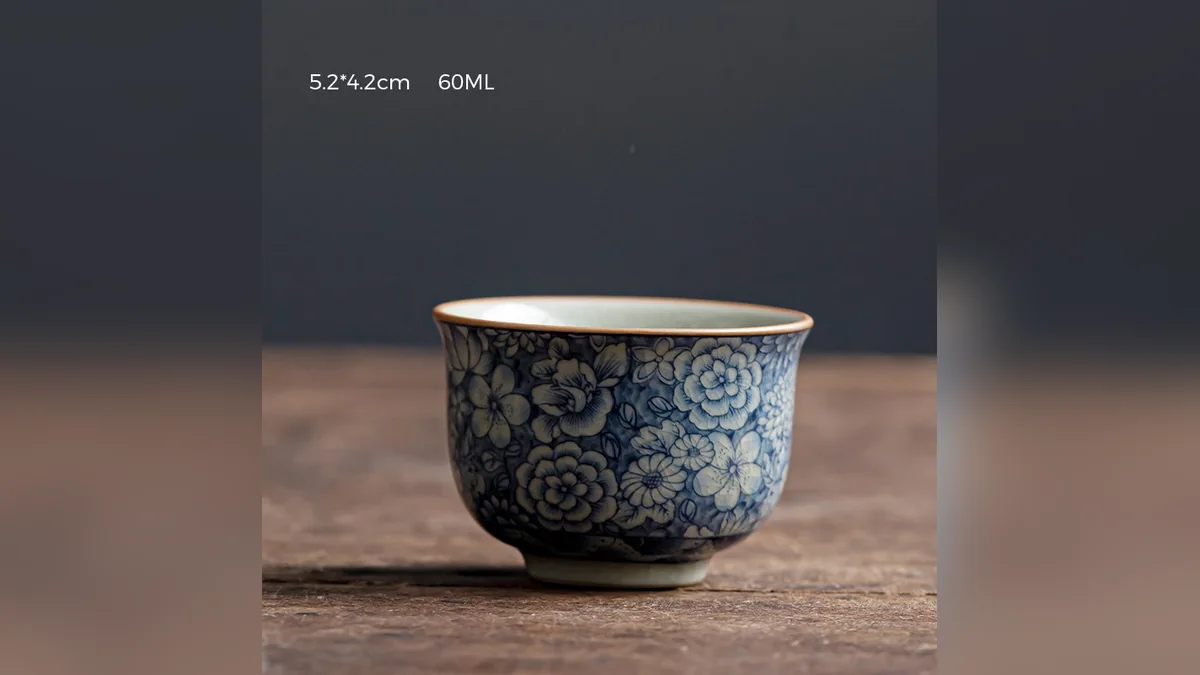
The Buddha Stones Blue Lotus Peach Blossom Chrysanthemum Design Ceramic Teacups have a stated capacity range of 60-150 milliliters. The ceramic cup options are 5.2cm*4.2cm*60ml, 5.7cm*6cm*95ml, 7.5-8.2cm*4.7-5cm*140-150ml, and 7.5cm*5cm*140ml. Compare the selected option rather than treating that range as one cup’s capacity. Accessories appearing beside the cup in photographs are excluded from the purchase.
Chrysanthemum and Flowers options
Our Buddha Stones Chrysanthemum Flowers Ceramic Teacup offers options named Chrysanthemum and Flowers. Both names appear with 8.6cm*5.3cm*165ml and 8.7cm*4.7cm*100ml sizes. The material is ceramic, and the capacity range is 100-165 milliliters. The distinction between the two option names matters if you specifically want the chrysanthemum rather than a general flower selection.
A page with cup and teapot choices
The Buddha Stones Lotus Chrysanthemum Plum Blossom Flower Teacup and Teapot has ceramic options labeled Cup 3.5cm*6cm*60ml, Cup 4cm*6.5cm*55ml, and Teapot 7.5cm*13cm*140ml. These are separate vessel choices; select the cup or teapot option you intend to buy. Other accessories used in the photographs do not come with the selected cup or teapot.
A chrysanthemum among several named motifs
The Buddha Stones Vintage Plum Orchid Bamboo Chrysanthemum Lotus Koi Fish Ceramic Teacups includes a Chrysanthemum option measuring 8.5cm*3.5cm*60ml. Its material is ceramic and its capacity is 60 milliliters. Other named options include Bamboo, Lotus, and Lotus Pod. Photograph accessories are outside the cup purchase, so use the selected option to identify the vessel you are choosing.
FAQ: reading the chrysanthemum motif
What does a chrysanthemum symbolize in China?
The flower commonly symbolizes longevity, integrity, and endurance. Its autumn flowering, connection with Tao Yuanming, and place among the Four Gentlemen give those associations their cultural setting.
Is chrysanthemum jewelry considered lucky?
Some people choose the motif as an auspicious personal symbol. That interpretation is a belief, and wearing the design cannot promise good fortune or any other result.
Can a chrysanthemum cup be a respectful gift?
It can express a traditional wish for longevity or appreciation for the recipient. Consider the occasion and the person’s customs, especially where white chrysanthemums have a role in mourning. A short explanation of the autumn flower’s meaning can make the intended message clear.
Shop the story
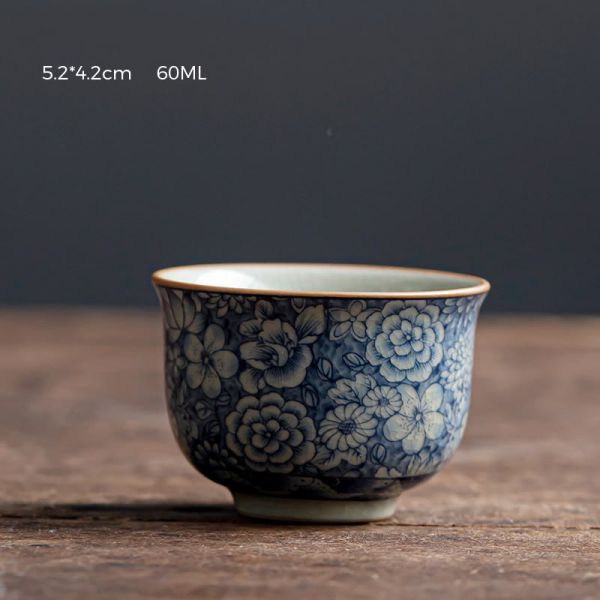 Buddha Stones Blue Lotus Peach Blossom Chrysanthemum Design Ceramic Teacup Kung Fu Tea CupsAs low as $24.59 Regular Price $34.15
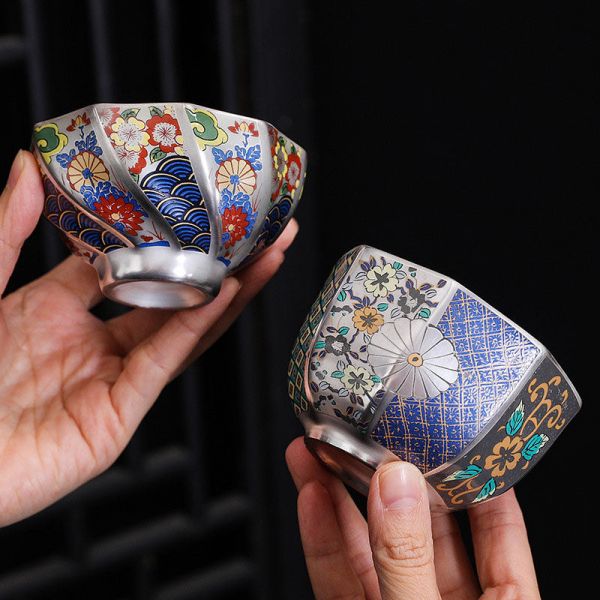 Buddha Stones Chrysanthemum Flowers Ceramic Teacup Kung Fu Tea CupAs low as $49.59 Regular Price $67.01
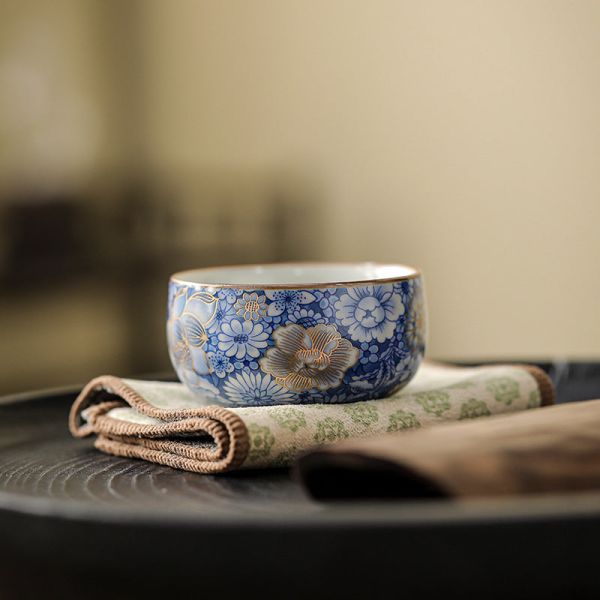 Buddha Stones Lotus Chrysanthemum Plum Blossom Flower Teacup Kung Fu Tea Cup TeapotAs low as $27.59 Regular Price $38.32
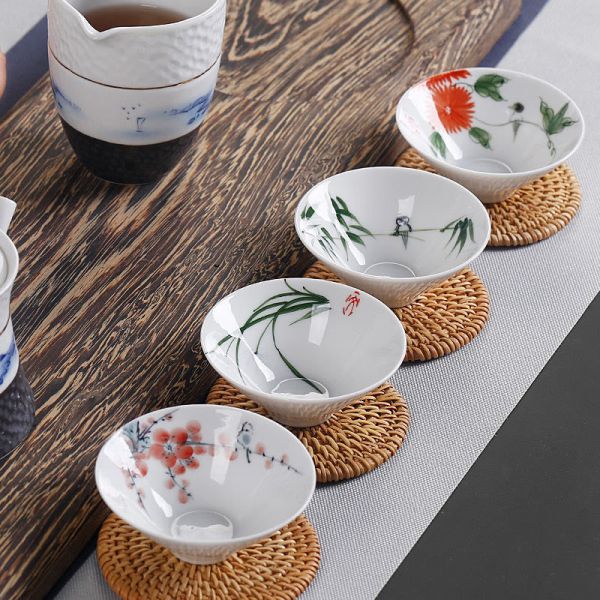 Buddha Stones Vintage Plum Orchid Bamboo Chrysanthemum Lotus Koi Fish Ceramic Teacup Kung Fu Tea CupsAs low as $21.59 Regular Price $30.41