
Bedroom Feng Shui Decor: A Practical Setup in 5 Steps
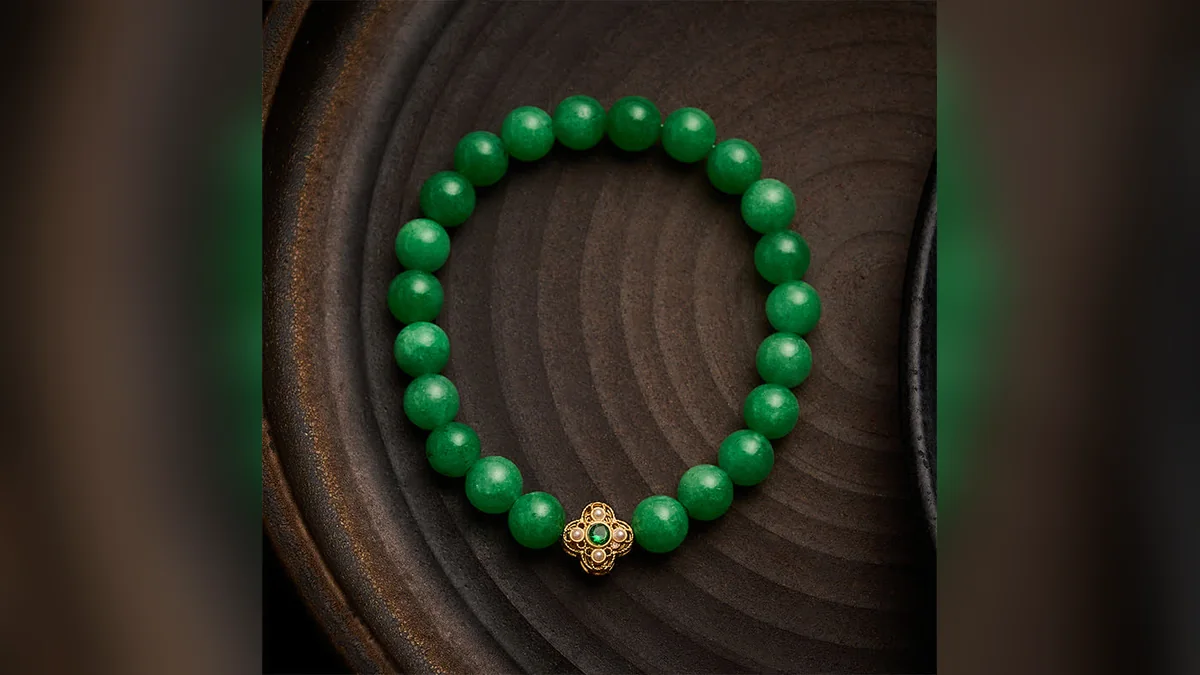
A small dish holds a bracelet beside the bedside lamp, leaving room for a book and a glass of water. This is a useful starting point for bedroom feng shui decor: clear walking routes, deliberate bedside storage, and a bed positioned with reference to the door. Traditional feng shui often favors a solid wall behind the headboard and a view of the entrance without direct alignment with it. At Buddha Stones, we approach these conventions as layout and decorating references. Start with the furniture, then give smaller objects a specific place.
Step 1: Clear space for bedroom feng shui decor
Begin at the doorway. Open the door fully, then follow the route to the bed, closet, and window. Move baskets, spare chairs, and floor decorations that interrupt those routes. You should be able to reach drawers and curtains without shifting a display first.
Next, empty the bedside surfaces and return only what belongs there. A lamp, an everyday item, and a small jewelry dish may be enough. Put spare packaging and occasional accessories into a drawer. In a small room, give storage priority over another decorative object. Leaving part of a surface empty also makes its edges and contents easier to see.
Step 2: Position the bed before choosing accents
In common feng shui practice, the commanding position means that the door is visible from the bed while the bed sits outside its direct line. Use that as a starting arrangement if the room allows it. Place the headboard against a solid wall, and leave access on both sides when practical.
Real bedrooms have fixed constraints: radiators, closet doors, outlets, and awkward corners. Keep those usable before trying to follow a diagram. If the bed must face the doorway, you can still clear its surroundings and organize the bedside surfaces. There is no need to buy a symbolic object to compensate for the floor plan.
For a shared bed, consider how both sides function. Two usable surfaces and reachable lamps can establish visual balance even when the furniture does not match. Avoid forcing identical tables into spaces that cannot accommodate them.
Step 3: Coordinate color, lighting, and reflections
Choose a small palette from things already in the room: bedding, curtains, a rug, or the wall color. Repeat one color in a smaller accent rather than adding several unrelated finishes. Treat stone jewelry as a personal accessory within that arrangement, without assigning it a required compass direction.
Check mirrors from the bed and the doorway. Some feng shui traditions discourage mirrors that reflect the bed; if you follow that convention, angle or relocate the mirror. Keep a dressing mirror where it remains useful. Also check whether a lamp reflects directly in it, and adjust the arrangement if the reflection is intrusive.
Step 4: Give jewelry and symbolic objects a defined place
Choose one stable surface for jewelry storage, away from the edge and separate from drinking glasses. A shallow dish or divided organizer keeps a bracelet from being lost among papers. Position it where opening a drawer or reaching for a lamp will not knock it over.
If you include religious imagery, place it respectfully and avoid using it as a catchall for keys or loose accessories. Keep devotional arrangements distinct from everyday storage according to your practice.
A small sand arrangement needs its own level surface, away from bedding and passing sleeves. Our mini zen garden guide covers that separate setup if you have room for one. Leave it out if maintaining another display would make the bedside area crowded.
Step 5: Review the room during ordinary use
Before adding anything else, check the setup with the closet open and the bedside drawers extended. Confirm that the jewelry dish, lamp, and books still fit. Look at the room after switching on the evening lighting; an arrangement that suits daylight may need a different lamp position.
Give incoming objects a destination. Return jewelry to its container, put books on a shelf, and remove empty cups. If a surface repeatedly becomes crowded, reduce its contents or add appropriate closed storage. A decorating plan should fit the tasks the room actually contains.
Common mistakes to avoid during setup
- Buying symbols before arranging furniture. Resolve access, door clearance, and storage first.
- Treating symmetry as an exact match. Balance can come from proportion and placement.
- Filling every available surface. Reserve space for the things you use regularly.
- Applying compass rules to every bracelet. Jewelry storage can follow practical access and personal preference.
- Putting loose beads or sand near an edge. Use stable containers and suitable surfaces.
- Expecting a decorative purchase to guarantee an outcome. Symbolic associations belong to tradition and belief.
Bracelets to include in your bedside storage plan
Our Natural Quartzite Jade Flower Peace Bracelet uses Quartzite Jade and Premium Elastic String. The specifications give a wrist circumference of 5.9–6.3 in (15–16 cm) and a bead size of Approx. 0.31 in (8 mm). Choose its storage spot as you would for another personal accessory.
The Rose Quartz Rhodonite Amethyst Peace Bracelet combines Rose Quartz, Rhodonite, Amethyst, and Copper. It has 8mm beads, Premium Elastic String, and a wrist circumference of 5.9–6.3 in (15–16 cm). Natural materials may produce slight differences in color, details, and overall appearance, so allow for variation when coordinating accessories.
For an Amethyst option, our Amethyst Peace Buckle Round Bracelet has Approx. 8mm beads and Premium Elastic String. Its wrist circumference is 5.9–6.3 in (15–16 cm). Natural Amethyst can vary slightly in color, details, and overall appearance. Displaying the bracelet is optional; a dedicated drawer compartment works too.
The Black Obsidian Pi Xiu Peace Buckle Bracelet contains Black Obsidian and Copper Alloy, with Approx. 12mm beads and Premium Elastic String. Its wrist circumference is 6.7–7.1 in (17–18 cm). The word “Wealth” in its full product name expresses a traditional wish, not a guarantee of financial results.
Frequently asked questions
Where should a bracelet go in the bedroom?
Use a stable dish, jewelry box, or drawer compartment with enough room to retrieve it easily. A bedside table is optional. A dresser may be more practical if the table already holds a lamp, books, or water.
Do bedroom decorations need to come in pairs?
Pairs are a familiar way to express balance in feng shui decorating, but they are not a purchasing requirement. Work with the available space. A single jewelry container can serve its purpose without a matching second display.
What if the bed cannot follow traditional placement?
Keep the door and necessary furniture usable, then arrange smaller items around those constraints. You can still organize storage, coordinate colors, and adjust reflections. Traditional placement offers a reference; an awkward floor plan does not require a corrective purchase.
Shop the story
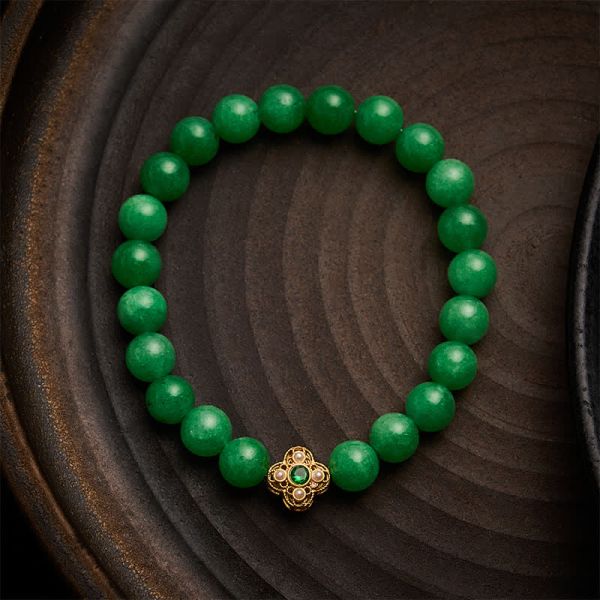 Buddha Stones Natural Quartzite Jade Beads Flower Peace BraceletSpecial Price $25.59 Regular Price $34.58
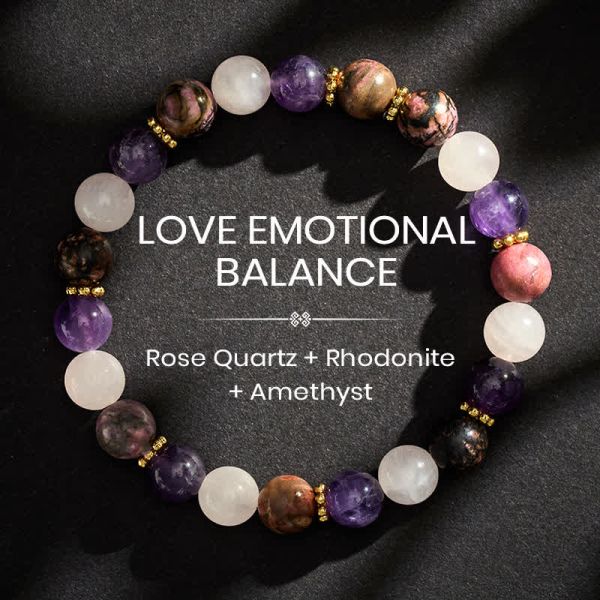 Buddha Stones Rose Quartz Rhodonite Amethyst Beads Peace BraceletSpecial Price $25.59 Regular Price $35.05
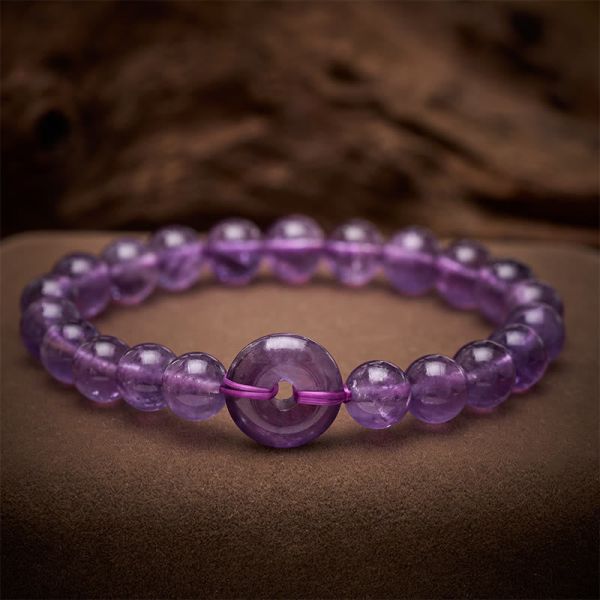 Buddha Stones Amethyst Peace Buckle Stress Relief Hand-Polished Round BraceletSpecial Price $79.59 Regular Price $109.03
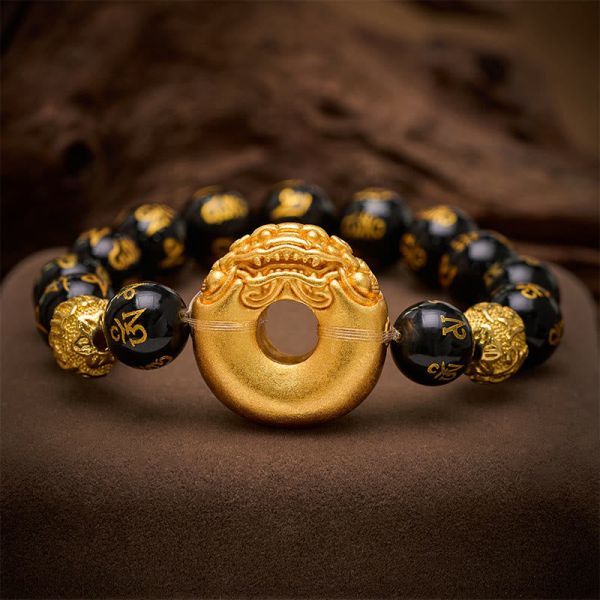 Buddha Stones Black Obsidian Pi Xiu Peace Buckle Om Mani Padme Hum Wealth BraceletSpecial Price $34.59 Regular Price $46.12