
Small Space Altar Setup: A Guide to Shared Surfaces
A clear shelf gives your altar a defined place. Our answer to “altar setup small space” is a compact arrangement with room for the objects you use and a practical place to store them afterward. This guide focuses on shared shelves, desks, and tables: choosing a boundary, arranging a few objects, and creating a repeatable packing routine. At Buddha Stones, we suggest planning the available space before adding accessories. Start with what fits safely, then decide what belongs in your daily arrangement.
1. Altar setup small space: establish the boundary
Choose a stable surface that does not wobble when you touch it. A shelf, cabinet top, or section of a desk can work if you can reach it without stretching over other belongings. Avoid spots where opening a door, pulling a curtain, or moving a chair could knock objects down.
Measure the usable width and depth, including the space needed to reach the back. Mark the proposed boundary temporarily with paper. Keep everything inside that outline during planning. If the arrangement extends into a walkway or leaves nowhere to place your hands, reduce the number of objects before choosing another surface.
2. Decide what stays out and what gets packed away
Give the surface a clear schedule. A dedicated shelf may hold an arrangement continuously; a dining table needs a defined setup and removal routine. On shared furniture, decide where the altar objects will go before bringing them out. Nearby storage should be accessible without moving several unrelated belongings.
Separate your objects into three groups: those displayed during practice, those needed only occasionally, and replacements or supplies. Display only the first group. Keep the others off the surface. You do not need to fill an empty corner simply because it exists; leave enough room to lift an object without brushing its neighbor.
3. Arrange a small number of objects in a usable order
Choose the central object according to your practice. If you follow a Buddhist community or teacher, use their guidance for religious images, offerings, and placement. A compact layout should accommodate those instructions. Avoid treating a decorative arrangement as a universal model for Buddhist practice.
Place the central object first, then add only what you intend to use. Keep frequently handled objects within easy reach and leave a clear area in front. Check the arrangement from your usual seated or standing position. You should be able to see the central object and remove nearby items without lifting them over one another.
Decorative additions also take up working space. If you are considering a small sand arrangement nearby, our mini zen garden guide covers that separate subject. Give it its own footprint instead of crowding the altar boundary.
4. Plan for water, flame, and fabric before use
Water vessels need a level position away from edges, books, and electrical equipment. Carry them separately when setting up or packing away. Empty and dry them before storage. A cloth covering should lie flat, with no loose edge hanging where a hand, chair, child, or pet could catch it.
You can keep the arrangement free of flame and incense. If your practice includes either, use a suitable holder on a stable, heat-resistant surface with clearance from shelves above and combustible materials nearby. Follow the holder and incense instructions, provide ventilation, and never leave burning materials unattended. Extinguish them completely and let holders cool before moving anything into storage.
5. Make a storage map that matches your objects
Write a short inventory before selecting a container or bag. Record the dimensions of the objects you plan to put away, including any separate wrapping or protective cases. Bag measurements alone do not establish whether a particular statue, bowl, or other object will fit through the opening.
Assign a place to each item. Keep dry textiles separate from vessels that may retain moisture, and prevent hard objects from knocking together. Use appropriate individual protection for fragile pieces. Do not pack loose ash, hot holders, or damp cloths into a fabric bag. Store unused incense so it cannot scatter among other belongings.
A small written packing list can help you account for removable pieces. Keep it with the stored arrangement so you can check the contents without laying everything out.
6. Set a repeatable setup and closing sequence
Follow the same order whenever the altar shares a surface with another activity. Clear and wipe the surface, place the central object, add the remaining objects, and bring water last. Keep the storage container nearby until the arrangement is complete, then put it in its assigned place.
Reverse the process when closing. Remove water first, check that nothing remains hot, and return dry objects to their designated compartments or cases. Finish by checking the surface and floor for small pieces. If packing requires repeated rearranging, simplify the layout or change the storage plan. The routine should fit the room you actually have.
Mistakes that consume space or complicate storage
- Choosing objects before measuring: establish the usable surface and storage space before deciding what to add.
- Filling the front edge: preserve an accessible area for placing and removing objects.
- Relying on a bag as fragile-object protection: assess wrapping and protective cases separately from the bag itself.
- Leaving straps across a walkway: tuck stored bag straps away from feet, chair legs, and cabinet doors.
- Packing everything immediately: allow vessels to dry and holders to cool completely before storage.
- Adding objects without an assigned place: decide where a new item will sit and where it will go afterward.
Canvas bags: four products to compare for your storage plan
Our product details below provide dimensions, pockets, and strap information for comparison. Measure your intended contents separately and account for any protective cases when planning storage.
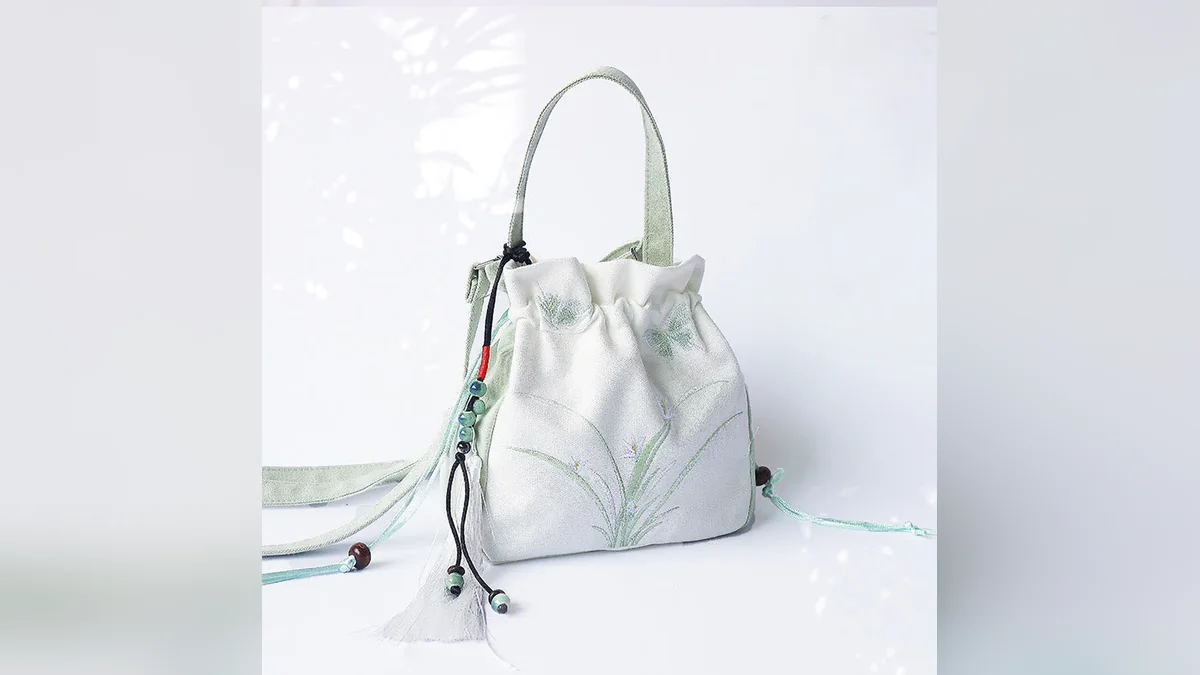
Embroidered Flowers Canvas Tote and Shoulder Bag
This canvas fabric bag measures 20*20cm and weighs 200g. Its internal structure includes one main pocket, one hidden pocket, and one back zipper pocket. It has an adjustable strap, a shoulder bag strap length of 65cm, and a tote bag strap length of 8cm. Options include Blue White Lotus and Pink White Cherry Blossom.
Tibetan Embroidered Camellia Canvas Crossbody Bag
The Camellia crossbody bag comes in Blue Camellia and Red Camellia. Made from canvas fabric, it measures 33*28cm and weighs 190g. It has one main pocket and a non-adjustable strap with a stated length of 130cm. The package includes one bag.
Embroidered Plum Flowers Canvas Crossbody Bag
This canvas fabric bag has size options of 17*19cm / 20*23cm. Some options are Brown Red Plum 17*19cm and Light Blue Plum Bamboo 20*23cm. Its internal structure includes one main pocket and one zipper pocket. The strap is adjustable, its stated length is 63cm, and the bag weighs 200g.
Embroidery Pattern Canvas Shoulder and Tote Bag Set
This set includes one large bag and one small bag, with canvas fabric, chenille fabric, and nylon specified as materials. The large size is 31cm*11cm*38cm (Length*Width*Height); the small size is 32.5*20.4cm. The large bag has one main pocket. The small bag has one main pocket and one zipper interior pocket. Options are Blue Flower and Multicolored Flower.
Keep the arrangement easy to return to
A workable small altar has a clear boundary, accessible objects, and an assigned storage place. Begin with a limited arrangement and follow a consistent closing routine. Add an object only when you can give it enough room on the surface and a suitable place afterward.
Shop the story
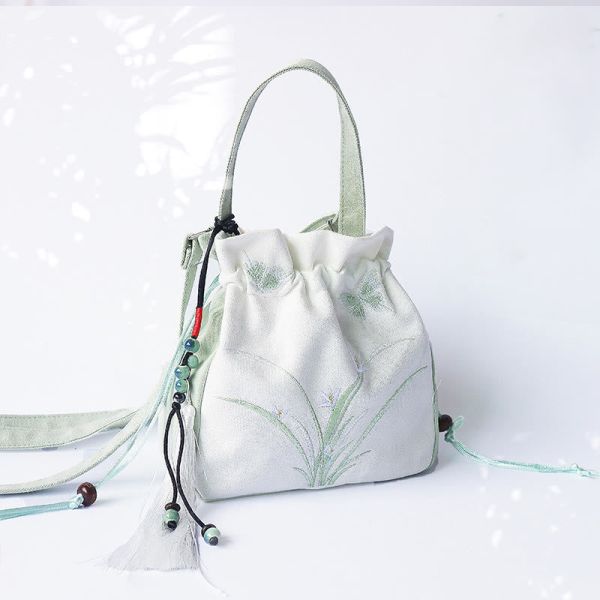 Buddha Stones Handmade Embroidered Flowers Canvas Tote Shoulder Bag HandbagAs low as $26.59 Regular Price $36.93
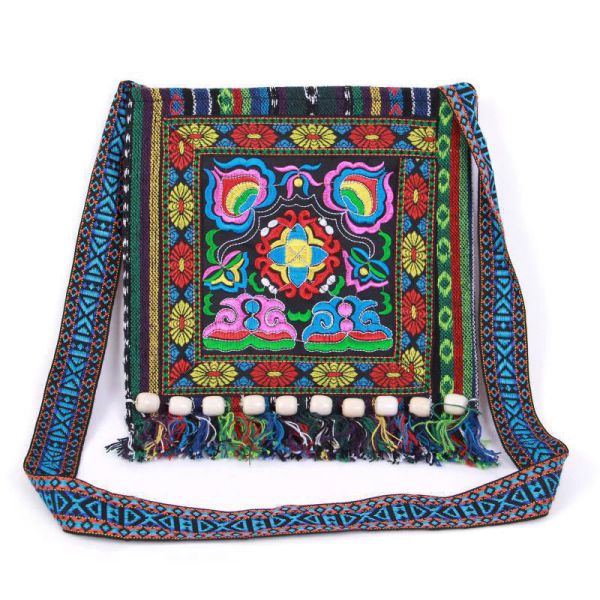 Buddha Stones Tibetan Handmade Embroidered Camellia Canvas Shoulder Bag Crossbody BagAs low as $17.59 Regular Price $24.77
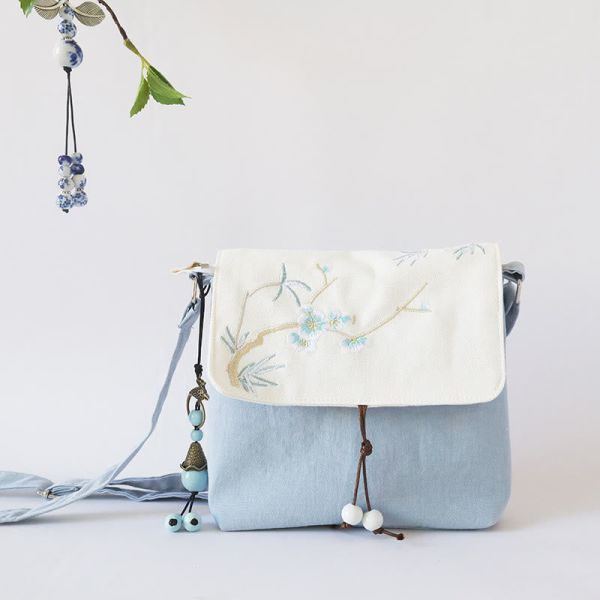 Buddha Stones Handmade Embroidered Plum Flowers Canvas Crossbody Bag Shoulder Bag HandbagAs low as $26.59 Regular Price $36.42
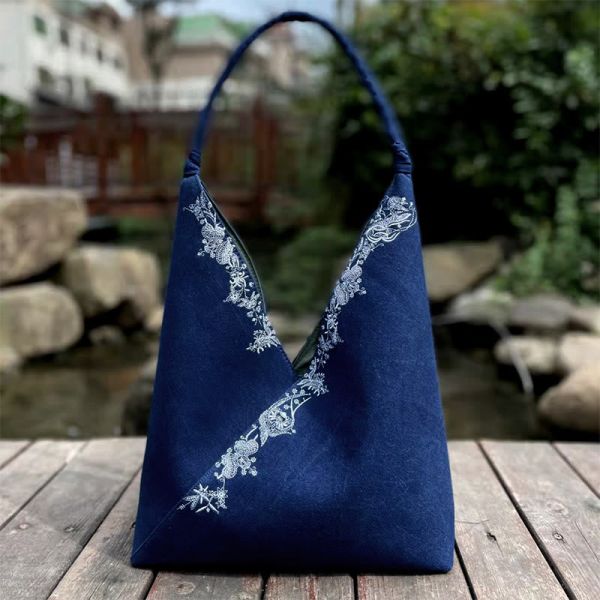 Buddha Stones Handmade Embroidery Pattern Canvas Shoulder Bag Tote Bag SetAs low as $52.59 Regular Price $70.12