
Adjustable Bracelet Guide: Fit, Care, and Daily Use
Bracelet cords often collect lotion near the sliding knot. This adjustable bracelet guide explains how to identify a fastening, set a wearable fit, remove surface residue, and recognize wear before a closure fails.
Keep the routine simple. Check the closure before putting the bracelet on, adjust only where movement is intended, and put it away dry. The steps below concern bracelets; the product section separately covers adjustable rings and their published specifications.
Tools and materials for a careful check
Work over a clean, folded towel so a loose component cannot roll far. Good light matters more than a specialized cleaning kit. Assemble a few basic supplies:
- A clean, lint-free cloth for wiping surfaces.
- A second dry cloth for absorbing moisture after an appropriate damp wipe.
- A shallow tray for holding the piece during inspection.
- A flexible measuring tape if you need to compare your wrist measurement with a stated bracelet size.
Water, soap, polishing cloths, and brushes are conditional supplies. Use them only when care instructions permit them for the entire piece, including cord, finishes, and decorative parts. A treatment suitable for an exposed metal section may be unsuitable for an adjoining material.
For the measuring method, use our wrist measurement instructions. A wrist measurement helps you compare dimensions; it does not tell you how far an unspecified adjustment mechanism can travel.
Adjustable bracelet guide: the step-by-step routine
- Identify what moves. Look for cord ends passing through a sliding knot, a movable metal slider, a clasp with extension links, or an open cuff. An elastic bracelet stretches rather than adjusts through a closure. Do not treat these constructions as interchangeable.
- Inspect before applying force. Check cords where they enter knots or fittings. Look for fraying, loose ends, bent links, cracks, and missing end stops. On a cuff, examine the opening and any area that appears sharply bent. Put a damaged piece aside before adjusting it.
- Open the intended fastening. For a sliding cord closure, hold the knot or slider and gently ease the cord through it, following the existing path. Work gradually if the two sides move separately. Use an extension chain through its clasp. For a cuff, follow its adjustment instructions rather than assuming the gap should be widened.
- Set the fit without a hard pull. A bracelet should allow ordinary wrist movement without gripping tightly or repeatedly slipping over the hand. Move the closure a little at a time. If a cord tail, bead, or charm starts taking the pulling force, reposition your grip on the intended adjustment parts.
- Check the closure again. Move your wrist gently and watch whether the adjustment holds. Confirm that an extension clasp is fully closed. If a slider drifts or a knot loosens during this check, remove the bracelet and address the fastening before wearing it.
- Wipe after removal. Begin with a dry cloth and light pressure. Where the care directions allow a damp wipe, apply moisture to the cloth, then wipe the approved surface. Keep liquid away from openings and cords unless their care directions specifically permit wet cleaning.
- Dry and put away. Remove remaining surface moisture with the dry cloth. Let any permitted damp-cleaned section dry completely before enclosing it. Place the bracelet in its own pouch or compartment, with cord tails arranged loosely and the closure free of pressure.
Remove bracelets before showering, swimming, household cleaning, or tasks where a closure could catch. Apply lotion and fragrance before putting jewelry on, and wait until the skin surface is dry. These habits limit residue and reduce the need for repeated cleaning.
Actions that strain closures and finishes
Repeatedly opening and closing a metal cuff can weaken the same bend. Adjustable does not mean unlimited reshaping. Stop when resistance increases, and never twist the ends sideways to make the opening larger.
A stubborn knot needs inspection, not a stronger tug. Pulling a decorative bead or cord tip can load a connection that was not intended as a handle. Avoid picking knots apart with needles, cutting cord tails shorter, or adding glue to make a slider hold. Such changes can prevent proper adjustment or complicate repair.
Do not use toothpaste, abrasive powders, household cleaners, or an automatic cleaning device as a default jewelry treatment. Avoid soaking an unidentified combination of materials. When instructions are incomplete, limit care to a gentle dry wipe and ask a jeweler about the uncertain component.
Keep adjustment and cleaning separate. Trying to move a wet or slippery fastening makes its behavior harder to judge. Finish the permitted cleaning, allow drying, and then reassess the closure.
When to replace a component or retire the bracelet
Look at changes in function, not only appearance. A closure that repeatedly slips, a cord thinning at its contact point, or a clasp that no longer closes fully needs attention. Stop wearing the bracelet until the fault is resolved.
A jeweler may be able to replace a clasp or cord while retaining suitable decorative components. Have cracked fittings, distorted metal, or a loose setting assessed before deciding on repair. Do not assume that tightening the bracelet will compensate for a failing closure.
Retire a piece from wear when a sound repair is unavailable or would require further bending of damaged metal. It can be kept in a labeled box as a memento. Surface discoloration alone is different from structural failure; inspect the fastening before deciding what action is needed.
Products: adjustable rings with separate fit details
The following products are rings. Use their finger-fit specifications rather than the bracelet routine above. Wealth, blessing, love, new beginning, and protection in our product names express symbolic ideas or traditional wishes. There is no guarantee that wearing a design will produce the named outcome.
Copper Coins design
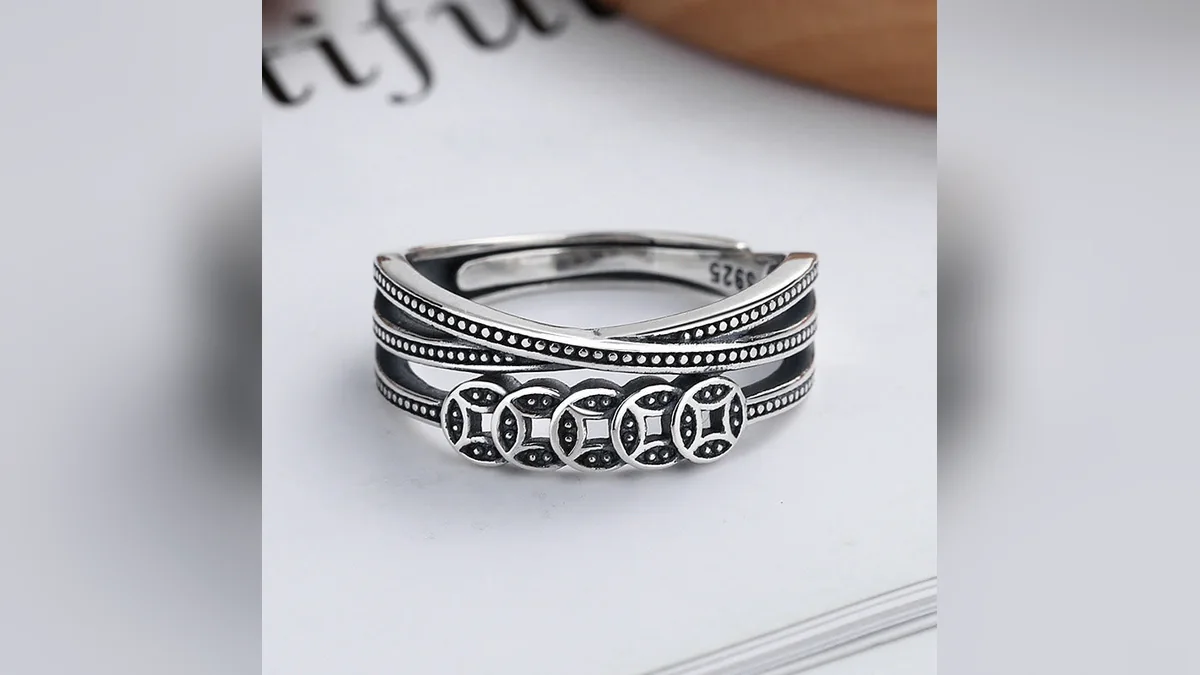
Our Buddha Stones Copper Coins Wealth Blessing Adjustable Ring has an adjustable size, an 8mm ring width, and a weight of About 3.2g. Its specified material is 925 Sterling Silver. The coin motif belongs to the design name; use the material specification when planning care.
Lotus Flower design
The Buddha Stones Lotus Flower New Beginning Adjustable Ring is 925 Sterling Silver, with adjustable sizing. Its width is 1.2cm, thickness is 0.15cm, and weight is 2.9g. The specifications describe it as unisex.
Pink Cat's Eye Heart design
Our Buddha Stones Pink Cat's Eye Heart Design Adjustable Love Ring combines Pink Cat's Eye and 925 Sterling Silver. Its stated inner diameter is Approx. 0.67 in (17 mm), and ring size is US 6. Follow its sizing tip: measure the widest part of the knuckle and consider sizing up between sizes. An adjustment range is not supplied.
Sanskrit design
The Buddha Stones Sanskrit Design Carved Protection Adjustable Ring has adjustable sizing, a width of 1.6cm, and a weight of 12.8g. Its materials are 925 Sterling Silver and Copper/Brass. Account for both stated materials before selecting a cleaning treatment.
A short check before the next wear
Return to three questions: does the fastening move as intended, does it hold its position, and is the piece dry? Keep adjustment gentle and cleaning specific to the materials. If the closure changes its behavior, pause wear and inspect it before making the fit tighter.
Shop the story
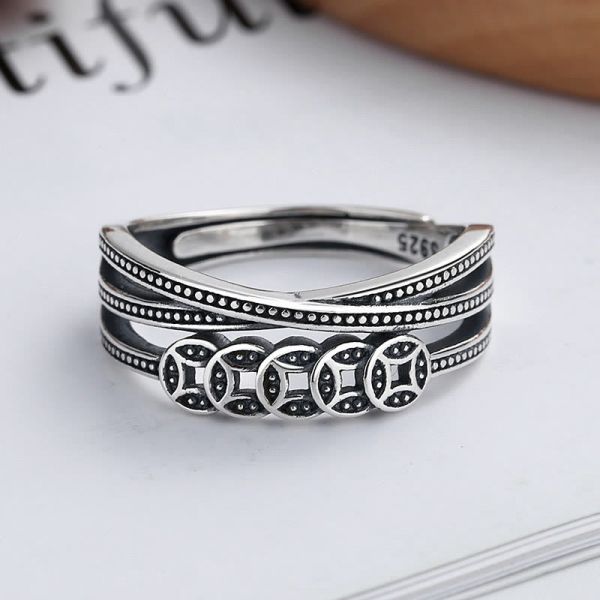 Buddha Stones 925 Sterling Silver Copper Coins Wealth Blessing Adjustable RingSpecial Price $122.59 Regular Price $167.93
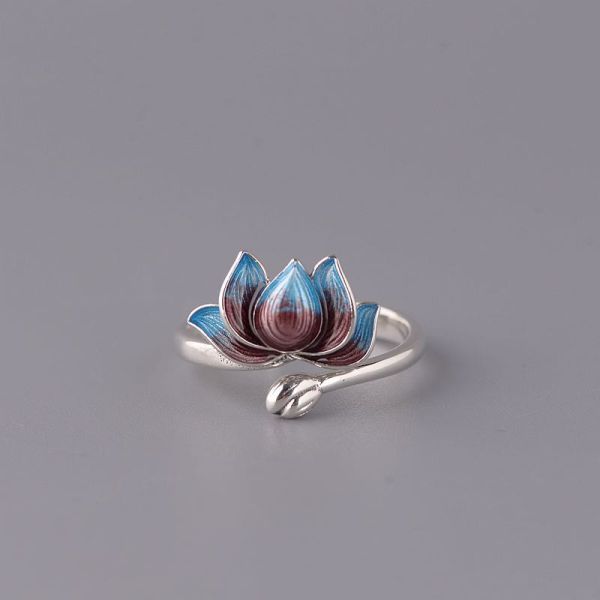 Buddha Stones 925 Sterling Silver Lotus Flower New Beginning Adjustable RingSpecial Price $138.59 Regular Price $192.49
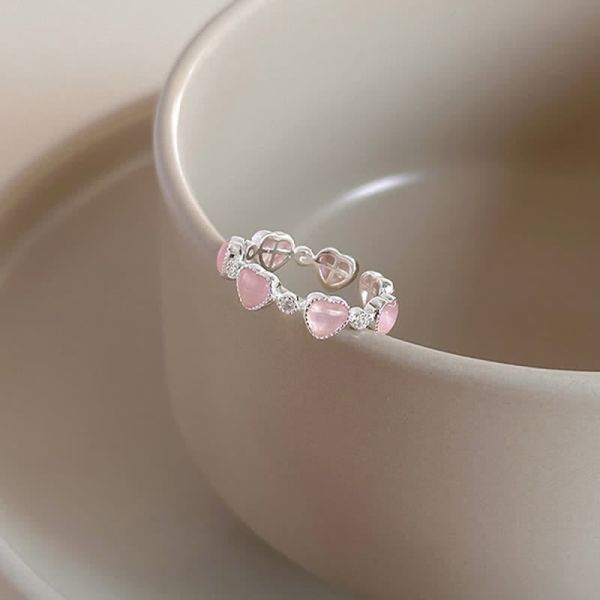 Buddha Stones 925 Sterling Silver Pink Cat's Eye Heart Design Adjustable Love RingSpecial Price $49.59 Regular Price $66.12
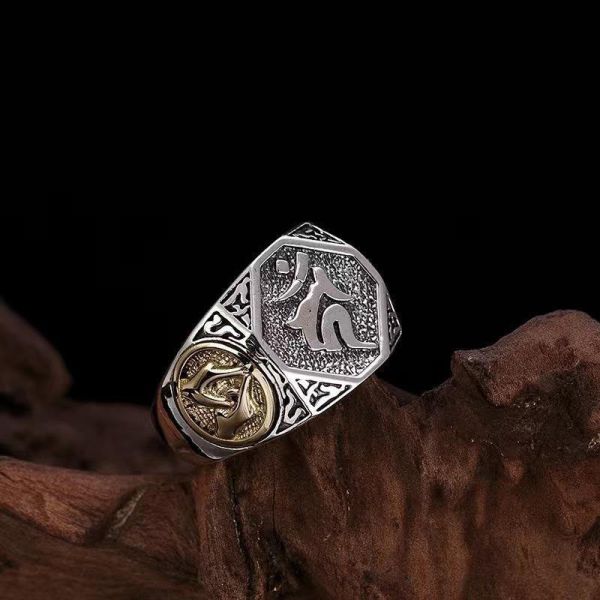 Buddha Stones 925 Sterling Silver Sanskrit Design Carved Protection Adjustable RingSpecial Price $298.59 Regular Price $403.50