
54 Bead Mala Guide: The Meaning of a Shorter Strand
Buddhist practitioners passed prayer beads through their fingers, marking a recitation with each bead. The strand kept the count as the same words were spoken again. Its purpose lay in that repeated action: a bead, a recitation, then the next bead.
This 54 bead mala guide begins with the traditional meaning: a shorter counting strand containing half the familiar 108 beads. Two rounds can therefore mark 108 recitations. Associations with luck, wealth, or protection belong to belief and tradition; these objects cannot guarantee those results.
A 54 bead mala guide starts with the count
The shorter strand preserves a relationship to 108 without requiring the same number of beads. A practitioner can complete one round of 54, or continue for another round when a practice calls for 108 repetitions. The arithmetic is straightforward. The religious meaning depends on the tradition in which the mala is used.
Across Buddhist communities, explanations of 108 differ. It is often connected with the afflictions or attachments addressed in Buddhist teaching. That does not make a 54-bead strand half a teaching, or a less worthy object. Its smaller count provides another format for repeated recitation.
A recitation may contain several words. In common counting practice, a bead marks one repetition of the chosen mantra or prayer, rather than a separate word. Establish what counts as a repetition before beginning. The shorter strand then has a defined task, and the relationship between the spoken words and the counted beads stays clear.
A mala may also have a larger terminal bead, often called a guru bead, which marks a beginning or turning point. When checking a count, distinguish the beads used for recitation from that terminal bead and from decorative spacers. Appearance alone cannot establish how a strand was intended to be counted.
We approach the number through use before symbolism. If you follow a teacher or community, their instructions take priority over a general description. There is no need to combine several traditions into one set of rules simply because their beads look similar.
Craft traditions: giving a count a physical form
Before a strand can pass from bead to bead, someone has to arrange its parts. In mala construction, the counting sequence matters alongside the appearance. A change in bead size, a spacer, or a knot can make a division visible, but the maker’s intended arrangement still needs to be understood.
Some malas have knots between beads; others use different spacing or stringing arrangements. A tassel or terminal bead may finish the strand. These details are not a universal certificate of religious authenticity. Different communities have their own forms, and a simple strand can serve a counting purpose without elaborate decoration.
The craft question is therefore specific: which parts belong to the count? If a strand is described as 54 beads, ask whether that means 54 counting beads plus a terminal bead. A clear answer is more useful than an elaborate story about an undocumented origin.
Nor does the number reveal who made a mala, where it was assembled, or how its beads were produced. We keep those questions separate. The old practice of moving through a sequence gives the object its context; facts about an individual product still require their own description.
When the counting strand becomes jewelry
A mala can be carried for practice, worn as jewelry, or used in both ways, depending on personal and community customs. The decision to wear it does not erase its association with recitation. Learning that association gives the choice more context than treating the bead count as a decorative label.
Fifty-four beads do not establish a necklace length or guarantee that a strand will wrap around a wrist. Bead dimensions, spacing, and construction affect the finished fit. Check the actual measurements rather than translating a count into a promised way of wearing it. Our article on wearing mala beads discusses the practical choices in more detail.
Keep the name of a symbol separate from a promised result, too. A gift can express a wish for good fortune without making a claim about the recipient’s future. For us, that distinction allows traditional language to be used plainly and respectfully.
Products for jewelry and everyday carrying
Our selection below includes a beaded bracelet and accessories for carrying everyday belongings. Their descriptions give concrete details for choosing among them. None is described here as a 54-bead mala, and a floral or geometric product name does not establish a Buddhist ritual meaning.
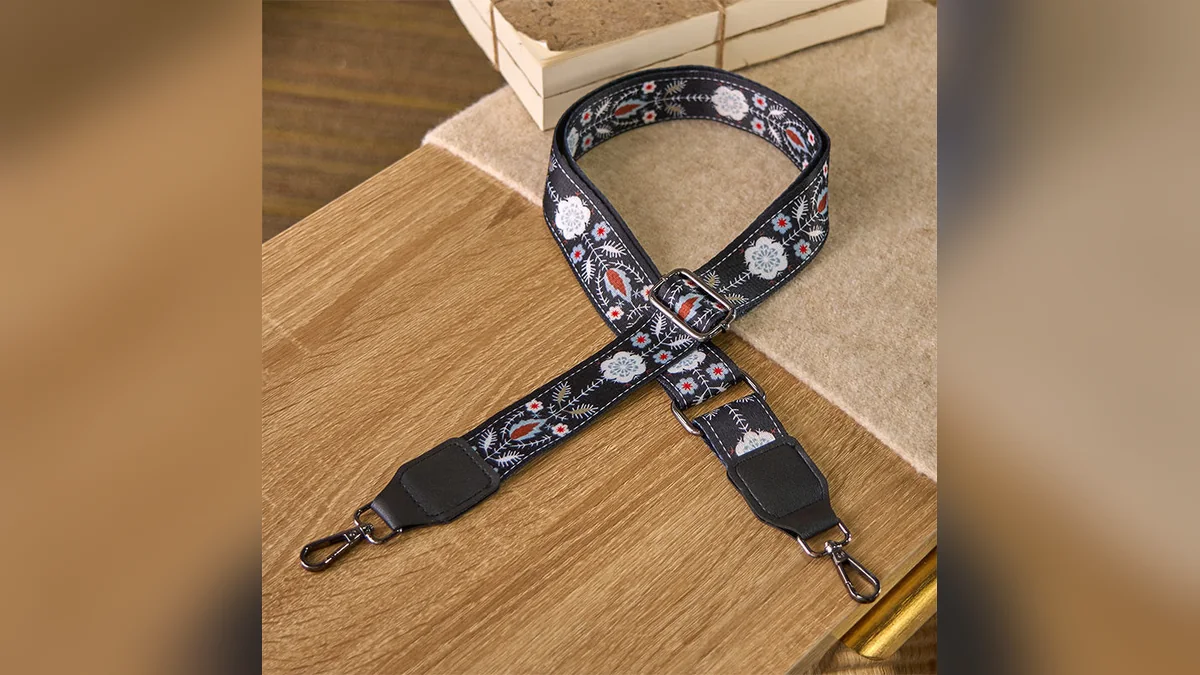
The Buddha Stones Boho Black Flower Geometric adjustable bag strap is polyester. Its strap length is About 29.53-57.09 in (75-145 cm), and its width is About 1.50 in (3.8 cm). It is adjustable, and the package contains one bag strap. The position of the pattern is random.
The Buddha Stones Bohemian Red Mandara Geometric adjustable bag strap is also polyester, with a strap length of About 29.92-53.54 in (76-136 cm) and a width of About 1.97 in (5 cm). The package contains one adjustable bag strap. Pattern placement is random. Its name alone should not be read as evidence of a particular religious design tradition.
The Buddha Stones PU Leather Sweet Kitten Long Zip Around Purse has a zipper closure and multiple interior compartments. Its size is Approx. 19 cm × 2 cm × 10 cm / 7.48 in × 0.79 in × 3.94 in. The material is PU Leather, there is no strap or handle, and the package contains one bag.
For a jewelry option, the Buddha Stones Green Aventurine Four-leaf Clover Luck bracelet uses Green Aventurine and Alloy, with 8mm beads and Premium Elastic String. It is sized for a wrist measuring 5.9–6.3 in (15–16 cm). One bracelet is included. Slight variations in color, details, and overall appearance may occur. “Luck” expresses a traditional wish in the name, rather than a prediction.
FAQ: understanding the shorter count
Is 54 a complete mala?
Yes. A 54-bead mala is a recognized shorter format. It can be used for a round of 54 recitations, while two rounds make 108. Follow your tradition’s counting instructions.
Does the guru bead count?
Commonly, the guru bead marks the start and finish rather than a recitation. Confirm the arrangement of a particular strand, especially when it includes spacers or additional decorative beads.
Is any beaded bracelet a mala?
No. Beaded jewelry does not automatically have a prayer count. The Green Aventurine bracelet above has no stated bead count. The historical practice begins with a deliberate sequence: one recitation, one counting bead.
Shop the story
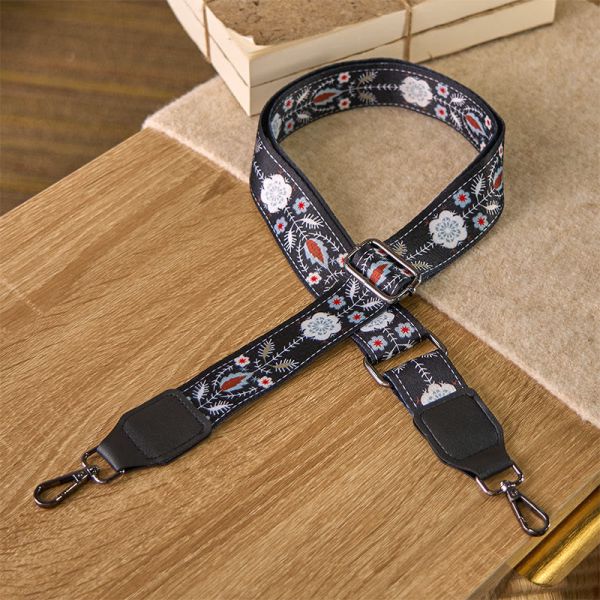 Buddha Stones Boho Black Flower Geometric Adjustable Handbags Crossbody Shoulder Bag Straps ReplacementSpecial Price $19.59 Regular Price $26.47
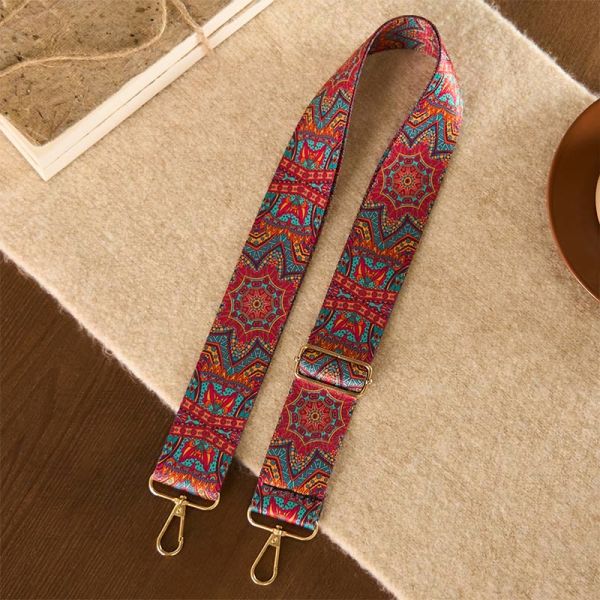 Buddha Stones Bohemian Red Mandara Geometric Adjustable Handbags Crossbody Shoulder Bag Purse Straps ReplacementSpecial Price $19.59 Regular Price $26.84
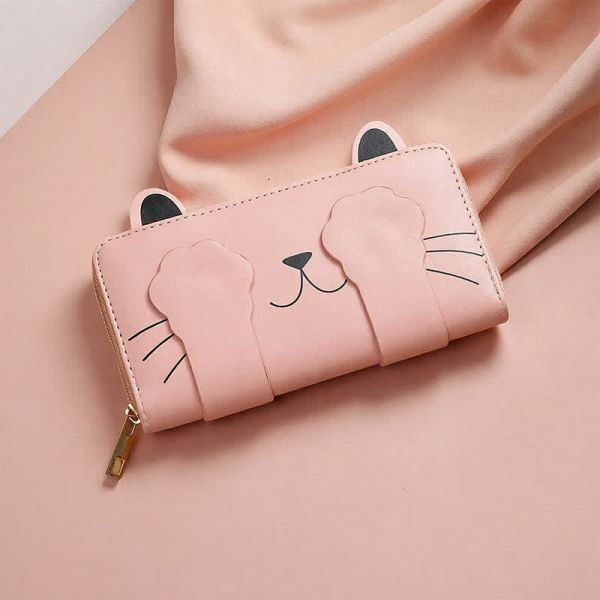 Buddha Stones PU Leather Sweet Kitten Long Zip Around PurseSpecial Price $23.59 Regular Price $33.23
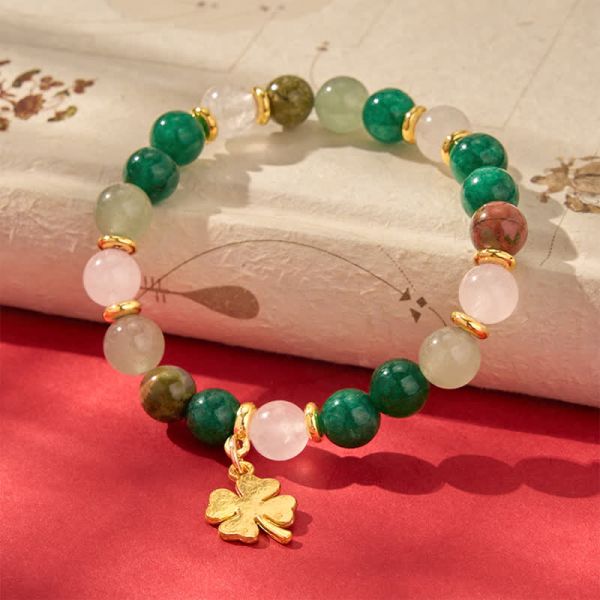 Buddha Stones Green Aventurine Four-leaf Clover Luck Round Beaded BraceletSpecial Price $25.59 Regular Price $34.58