
Zisha vs Porcelain Teapot: A Practical Care Manual
Tea stains often collect beneath a teapot lid and around the spout. The practical difference in zisha vs porcelain teapot care begins with the surface: unglazed zisha clay can retain aromas, while glazed porcelain is easier to wash free of tea residue. This manual compares those two common finishes and explains how to prepare, rinse, dry, inspect, and store your pot.
Check the actual finish before choosing a cleaning method. A glazed clay pot needs different treatment from an unglazed one, and porcelain may have unglazed areas beneath its base. We recommend starting with the maker’s care instructions whenever they are available.
Tools and materials for a controlled cleanup
Prepare a clear working area before handling a wet pot. Remove cutlery and other dishes from the sink, then place a folded towel beside it. Keep the lid on that towel while washing the body.
- Plain water: Use warm water for routine rinsing, avoiding sudden temperature changes.
- A soft brush: Choose one that reaches the lid groove and spout entrance without forcing it into narrow openings.
- A soft sponge: Reserve it for teaware so it does not carry grease or food odors.
- Mild dish soap: Keep this for suitable glazed porcelain, following any supplied care directions.
- A clean drying cloth: Use it to absorb surface water, then let the interior air-dry.
For unglazed zisha, keep a separate brush and use plain water during ordinary cleaning. Avoid sharing tools with oily cookware.
Zisha vs porcelain teapot: the step-by-step routine
-
Inspect before filling. Look around the rim, handle attachments, spout, and lid. Check for chips, new lines, or loose parts. Make sure the lid sits properly without pressing it into place. If the pot has been stored, check that the interior is dry and free of an unfamiliar smell.
-
Prepare a new pot gently. Rinse away loose dust with warm water. Use a soft brush where necessary, and follow any supplied first-use instructions. For glazed porcelain, wash with mild dish soap if permitted, then rinse thoroughly. For unglazed zisha, begin with plain water; elaborate boiling or soaking routines are unnecessary unless the maker specifically calls for them.
-
Warm the vessel gradually. A pot taken from a cold cupboard should not receive an abrupt fill of very hot water. Let it approach room temperature, then warm it with warm water before brewing. Keep ceramic teapots away from direct stovetop heat unless they are explicitly designed for that use.
-
Choose your tea with future cleaning in mind. Glazed porcelain suits switching between different teas because its interior washes clean readily. With unglazed zisha, dedicating a pot to one broad tea style helps limit lingering aromas from previous brews. Avoid adding milk, sugar, or oily flavorings to an unglazed pot; prepare additions separately in your serving cup.
-
Empty leaves after the session. Once the pot is comfortable to handle, remove the leaves with a gentle shake or a suitable soft utensil. Do not scrape the interior with a metal spoon. Check beneath the lid and around the strainer openings for trapped fragments. Tip leaves into a waste container rather than pushing them down the drain.
-
Wash according to the surface. Rinse unglazed zisha thoroughly with warm water, using the dedicated brush for loose residue. Wash suitable glazed porcelain with a soft sponge and mild dish soap, then rinse until no soap remains. Support the body while cleaning the handle and spout. If residue stays in a narrow passage, repeat gentle rinsing instead of inserting a sharp tool.
-
Dry before putting away. Drain the pot, blot accessible water, and leave the lid off while the interior dries. Set the lid separately on a secure surface. Once both parts are fully dry, store them in a clean cupboard with room around the spout and handle. Avoid sealing a damp pot in a box or pouch.
Use the same sequence after an occasional session or a daily brew. A brief, complete cleanup is easier to maintain than leaving wet leaves until the next use.
Cleaning shortcuts to leave out
Do not chase a spotless appearance with abrasive tools. Steel wool, scouring powders, and hard scraping can damage surfaces. A gradual change in an unglazed pot’s color does not automatically call for stronger cleaning. Check for removable residue and odors separately from appearance.
Avoid washing a hot pot under cold running water. Let it cool gradually, and do not place it straight onto a cold, wet surface. Handle the lid separately so it cannot slide off while you turn the body.
Do not use scented soap on unglazed zisha or apply oils, waxes, or polish to create shine. These additions can leave unwanted residues. Tea left standing inside is not a substitute for seasoning or care.
Use hand washing when dishwasher suitability is unknown. Also avoid stacking lids inside pots, wedging a brush through the spout, or tapping the rim to dislodge stubborn leaves.
When a pot should leave brewing service
Retire a pot from hot-water use if it leaks, has a crack through the body, or develops movement at a handle attachment. A chipped drinking edge on a cup also warrants taking that cup out of use. Do not test a suspected crack by repeatedly filling the vessel with boiling water.
A stained interior alone is different from structural damage. Inspect a clean, dry piece under good light. If you cannot distinguish a surface mark from a crack, set the piece aside until it can be assessed.
A lingering musty smell after cleaning and complete drying is another reason to pause use. Do not try to hide it with strongly scented tea.
Keep repaired pieces for display unless the repair is specifically suitable for food contact and repeated hot-water use. Retiring a damaged pot does not require discarding it; a dry shelf display may be appropriate.
Products for serving beside your teapot
Our serving cups below have different stated capacities. Plan your pours around those capacities, leaving space below the rim. The material specification for these options is ceramic/dark iron body and unique glaze.
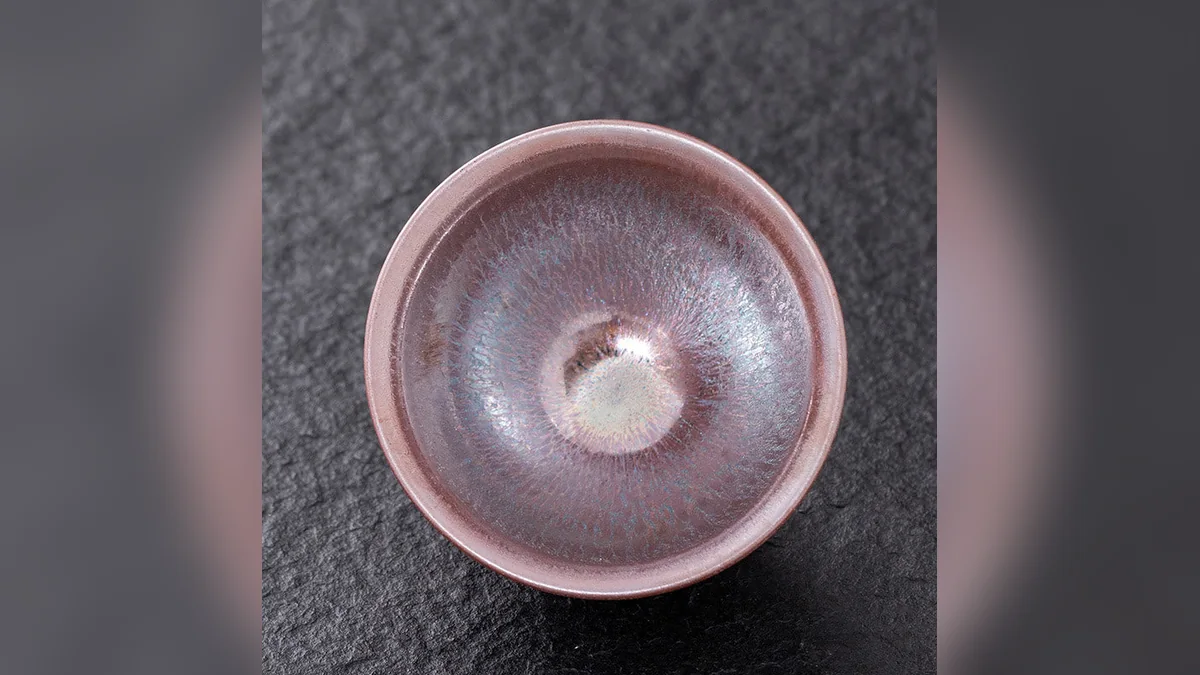
- Chinese Pink Gold Jianzhan Porcelain Teacup: This cup has a capacity of 135 milliliters. Its stated size is 8.7cm*5.2cm*135ml(Diameter*Height).
- Chinese Green Ice Crack Design Jianzhan Teacup: The 65-milliliter capacity provides a smaller serving option. Size: 7cm*3.6cm*65ml(Diameter*Height).
- Vintage Chinese Silver Blue Jianzhan Teacup: Allow for its stated 150-milliliter capacity when dividing a pot of tea. The dimensions are given as 9cm*6cm*150ml(Diameter*Height).
- Vintage Purple Rainbow Chinese Jianzhan Teacup: This option holds 140 milliliters, with a stated size of 9cm*6cm*140ml(Diameter*Height).
Put the next brew away dry
Keep your routine tied to the surface you are caring for: plain-water cleaning for ordinary unglazed zisha care, and gentle washing for suitable glazed porcelain. Remove leaves promptly, protect projecting parts, and let the lid and body dry separately. Before the next brew, a quick inspection should confirm that the pot is clean, dry, and sound.
Shop the story
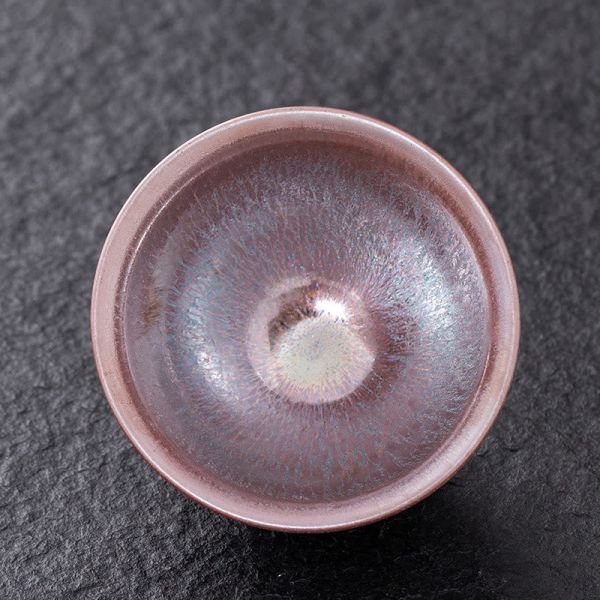 Buddha Stones Chinese Pink Gold Jianzhan Porcelain Teacup Kung Fu Tea CupSpecial Price $21.59 Regular Price $29.99
 Buddha Stones Chinese Green Ice Crack Design Jianzhan Kiln Change Porcelain Teacup Kung Fu Tea CupSpecial Price $21.59 Regular Price $28.79
 Buddha Stones Vintage Chinese Silver Blue Jianzhan Kiln Change Porcelain Teacup Kung Fu Tea CupSpecial Price $22.59 Regular Price $30.53
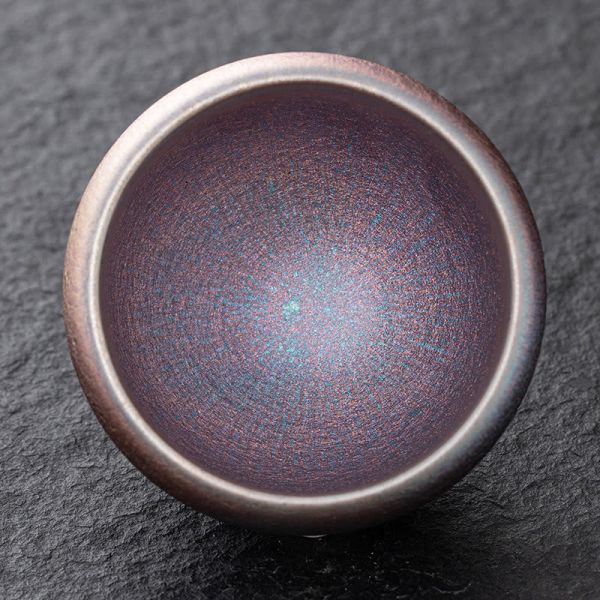 Buddha Stones Vintage Purple Rainbow Chinese Jianzhan Kiln Change Porcelain Teacup Kung Fu Tea CupSpecial Price $22.59 Regular Price $30.95