
Yin Yang Deeper Meaning: A Guide to Reading the Motif
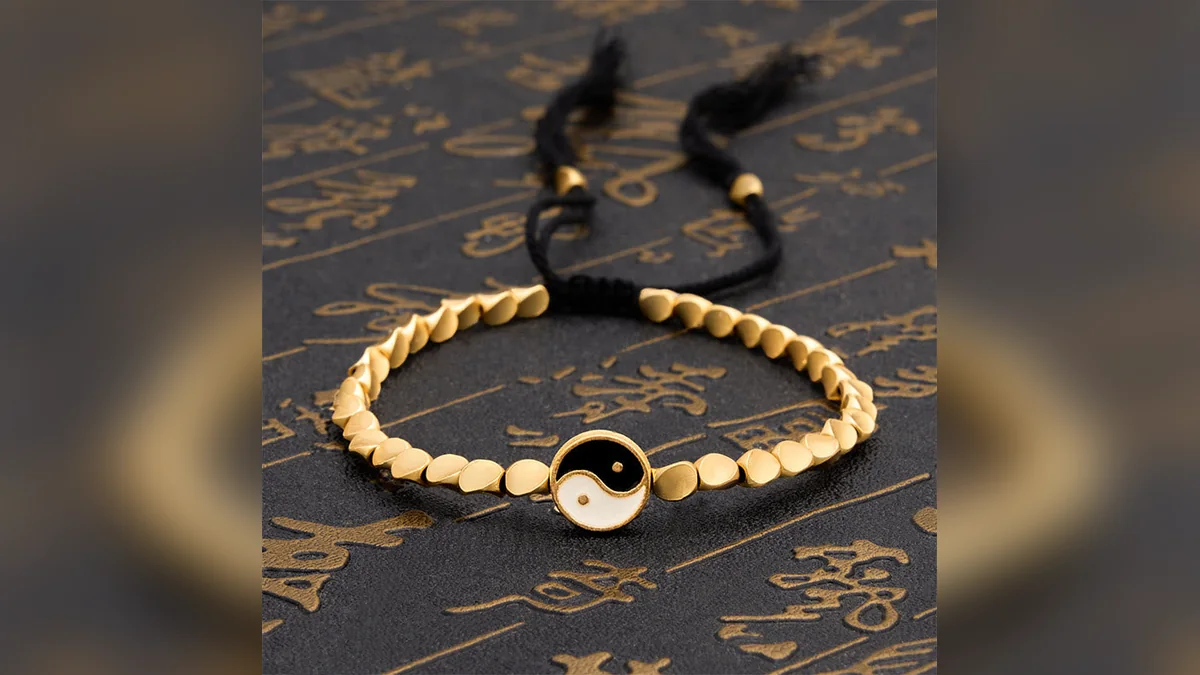
A white dot punctuates the dark half of a circular yin yang design. If you are looking for yin yang deeper meaning, begin with that small detail: in traditional Chinese thought, contrasting qualities depend on one another, contain aspects of their opposites, and change within a shared whole. Associations with luck, wealth, or protection belong to traditional belief. Wearing or displaying the motif guarantees none of these things.
This field guide follows the visible clues, from the outer circle to the smallest dot. At Buddha Stones, we describe the symbolism as tradition and keep product details separate from symbolic wishes.
How to recognize the motif
Begin with the outline, then examine the division and the dots. A familiar yin yang design usually combines these five cues:
- One enclosing circle. The contrasting areas belong to a single round form. Read the boundary as part of the design: it holds both qualities within the same whole.
- Two interlocking areas. The light and dark portions fit together without a gap. Neither area stands outside the circle or exists as a separate emblem.
- A curved central division. An S-shaped boundary gives the composition a turning appearance. Its curve is useful for recognizing the motif when the design is small.
- A contrasting dot in either half. A pale dot appears within the dark area, and a dark dot appears within the pale area. These details carry an important part of the traditional reading.
- Comparable visual weight. In the familiar form, the two main areas occupy equal portions of the circle. Different colors or decorative borders may change the presentation while retaining this basic arrangement.
On a small jewelry element, check whether the dots remain visible. A simple two-color circle may resemble the motif, but the curved division and contrasting dots make its familiar structure easier to identify.
Yin yang deeper meaning in Chinese tradition
Yin and yang are relational concepts in Chinese philosophy, closely associated with Daoist thought. Familiar pairings include shade and sunlight, darkness and light, or stillness and movement. These comparisons describe qualities in relation to one another. They do not assign a permanent moral value to either side.
Traditionally, the dark area represents yin and the light area represents yang. Calling one side bad and the other good misses the relationship the image expresses. Shade has meaning alongside light; movement can be described alongside stillness. The circle brings the paired qualities into one composition.
The dots make the reading more specific. Each contrasting mark represents the presence of the other quality within its counterpart. The design therefore suggests more than two separate halves placed together. It presents difference, connection, and the possibility of change in a single image.
The curved boundary also supports a traditional reading of transition. Day gives way to night, and seasons change. Although the familiar graphic divides its circle equally, balance in this philosophical setting need not mean that every situation stays fixed at an exact midpoint.
When we use words such as balance or harmony around this motif, we are naming symbolic ideas. The jewelry does not establish those conditions for its wearer. A personal interpretation may also differ from a traditional explanation; keeping that distinction clear lets you describe what the symbol means to you without presenting it as a promised effect.
Where the design appears and what to examine
Scale and surrounding details change how easily you can read the motif. Use the same sequence wherever it appears: circle, division, dots, then the surrounding composition.
| Where you see it | How it usually appears |
|---|---|
| Bracelets and anklets | A small motif incorporated into the jewelry design; examine the curved division and dots closely enough to distinguish them. |
| Pendants and other jewelry | A circular emblem presented on its own or within a larger setting, sometimes using contrasting materials or colors. |
| Decorative objects | A central design or repeating detail, with the surrounding pattern contributing to the overall composition. |
| Bagua diagrams | A yin yang circle sometimes placed at the center, surrounded by eight trigrams that add a separate symbolic structure. |
A border, knot, or neighboring symbol may add another layer of meaning. Identify those elements individually before combining their interpretations. A circular yin yang motif and an eight-trigram arrangement are related in some traditional settings, but their visible components deserve separate attention.
Four cord jewelry options from Buddha Stones
Our product details provide concrete points for comparison: materials, cord colors, available sizes, and bracelet or anklet options. The names Balance and Harmony refer to symbolic themes. Use the specifications below to distinguish the products rather than assuming that similar names mean identical sizing.
Copper beads with black string
The Tibetan Yin Yang Copper Beads Black String Balance Bracelet uses string, copper, and alloy, with an adjustable cord band. Its available size choices are 5.9 in (15 cm), 6.3 in (16 cm), 6.7 in (17 cm), 7.1 in (18 cm), 7.5 in (19 cm), and 7.9 in (20 cm). The package contains one bracelet. Among the products described here, this option specifically names copper beads and black string.
Sterling silver with bracelet or anklet sizing
The 925 Sterling Silver Yin Yang Protection Bracelet Anklet combines string and 925 sterling silver with an adjustable cord. Color options are Black String, Dark Red String, and Red String. Bracelet circumference is 5.5–7.1 in (14–18 cm); anklet circumference is 6.3–10.2 in (16–26 cm). The package contains one bracelet or one anklet, according to the selected option. “Protection” in its name expresses a traditional wish. It provides no guarantee of safety or any other result.
Copper Balance bracelet with three cord colors
The Copper Yin Yang Red String Balance Bracelet has string and copper materials and an adjustable cord band. Its wrist circumference is 5.5–6.7 in (14–17 cm). Despite Red String appearing in the name, the available cord options include Black String, Dark Red String, and Red String. One bracelet is included. When comparing this option with the Harmony bracelet below, pay attention to their different circumference specifications.
Copper Harmony bracelet with a different size range
The Copper Yin Yang Red String Harmony Bracelet uses string and copper and has an adjustable cord band. Wrist circumference is 5.5–7.1 in (14–18 cm). Its cord choices are Black String, Dark Red String, and Red String, and the package includes one bracelet. Harmony is the symbolic theme expressed by the name; the product facts establish the materials, adjustment type, and dimensions available for your comparison.
Return to the small contrasting dots when reading any version of this motif. They help explain why its traditional meaning extends beyond a simple division into light and dark. The whole circle, the connected halves, and the presence of one quality within the other work together. Those visible relationships give you a precise way to recognize the design and speak about its symbolism while choosing jewelry on the basis of its stated details.
Shop the story
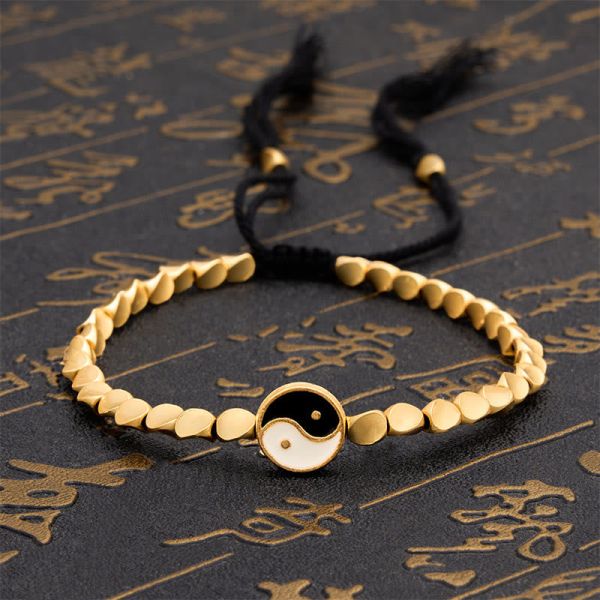 Buddha Stones Tibetan Yin Yang Copper Beads Black String Balance BraceletAs low as $25.59 Regular Price $34.58
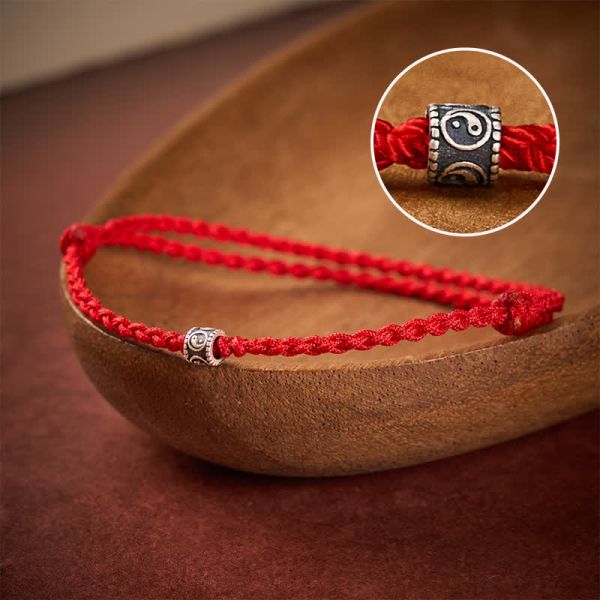 Buddha Stones Black Red String 925 Sterling Silver Yin Yang Protection Bracelet AnkletAs low as $25.59 Regular Price $34.58
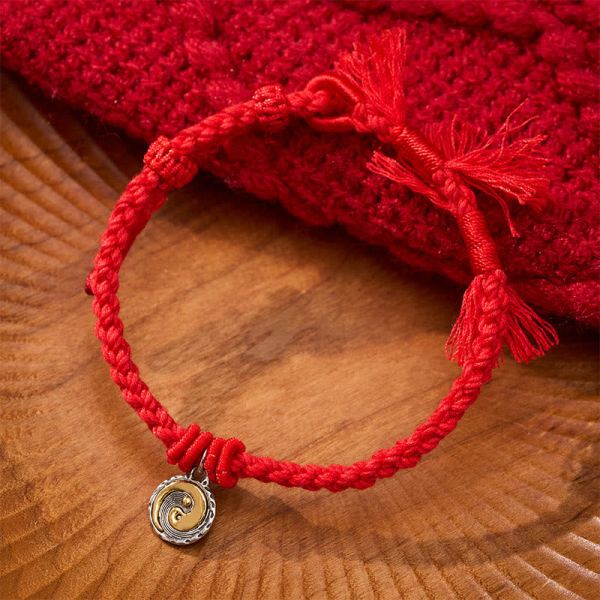 Buddha Stones Copper Yin Yang Red String Balance BraceletAs low as $25.59 Regular Price $35.54
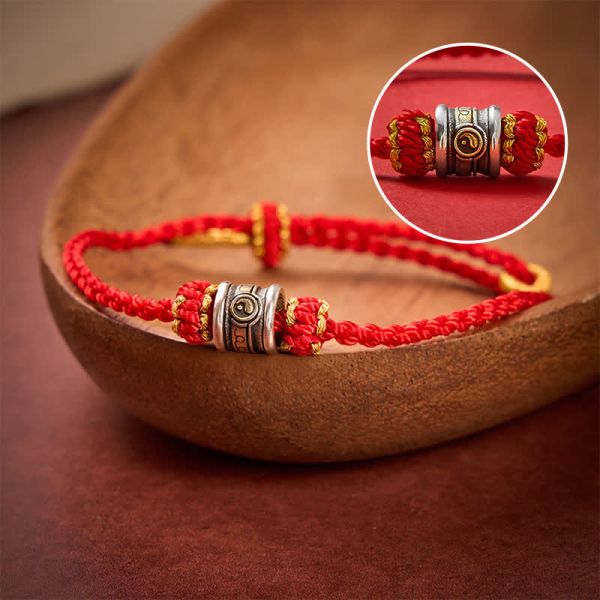 Buddha Stones Copper Yin Yang Red String Harmony BraceletAs low as $25.59 Regular Price $34.12