
Xiangyunsha Silk Care: A Manual for Bags and Fans
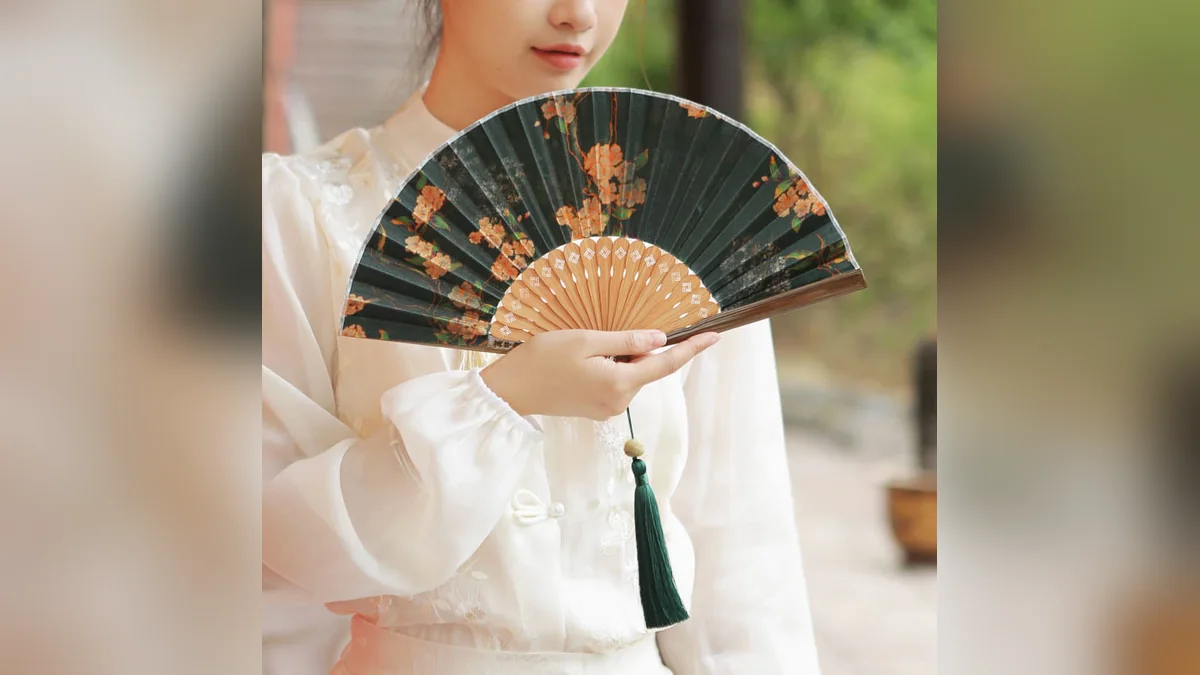
Dust can collect along a bag opening or between the folds of a silk fan. Xiangyunsha silk care starts with gentle handling: remove loose dust, blot accidental spills, and let damp surfaces dry before storage. This manual explains how to do those tasks, avoid unnecessary washing, and recognize damage that calls for repair or retirement.
At Buddha Stones, we recommend checking the complete item before choosing a cleaning method. A silk surface may sit beside leather, bamboo, metal, embroidery, or tassels, so fabric advice alone cannot establish how to clean the finished accessory.
Tools and materials for a gentle care session
Prepare a clean, dry work surface away from food, drinks, and direct sunlight. Remove rings or bracelets that could catch a thread before handling the fabric.
- Clean white cloths: Choose smooth, lint-free cloths for lifting loose dust and blotting spills. Avoid cloths carrying furniture polish or cleaning residue.
- A clean towel: Lay it beneath the accessory to cushion hardware and keep the surface underneath dry.
- Plain, unprinted tissue: Use it loosely inside a bag when needed to support its shape without stretching the fabric.
- A breathable storage cover: Choose one that leaves enough room for handles, folds, and decorative details.
Keep any attached care instructions nearby. Do not prepare a wash basin unless those instructions specifically permit washing the finished item.
A step-by-step xiangyunsha silk care routine
- Empty and inspect. Remove the contents of a bag and check its opening, seams, handle attachments, and clasp. Examine a fan while it is supported on the towel. Look for loose threads, lifting fabric, sharp edges, or parts that resist movement. Address those problems before cleaning or continued use.
- Support the structure. Hold a bag underneath while you inspect it instead of suspending its full weight from a decorative detail. Open a folding fan slowly through its normal range. If the ribs catch or the fabric pulls unevenly, stop; forcing the movement can worsen an existing fault.
- Lift away loose dust. Use a dry white cloth with light contact on accessible, smooth areas. Work around raised embroidery rather than rubbing across it. Do not drag the cloth through tassels or bead attachments. Leave stubborn particles alone if removing them would require scraping or pulling.
- Blot a fresh spill. Rest a clean, dry cloth against the wet area and lift it away. Repeat with a fresh part of the cloth as needed. Avoid rubbing, squeezing, or spreading the liquid. Support the affected area so that pressure does not distort the fabric or its attachments.
- Check before using moisture or cleaner. Follow the finished item's care label. If instructions are absent or unclear, stop after dry dust removal and spill blotting. Water can leave marks, and a cleaner suitable for one component may be unsuitable for another. Seek advice from a cleaner experienced with silk accessories before treating a remaining stain.
- Allow damp areas to dry. Place the accessory in a shaded, ventilated location with its weight supported. Keep wet surfaces from pressing against other belongings. Do not close a damp fan tightly or put a damp bag into its storage cover. Wait until the folds and seams are dry too.
- Store without pressure. Empty the bag, add loose tissue support if needed, and arrange straps without tight bends. Close a dry fan gently along its existing folds. Keep the accessory away from sharp objects and items that could crush its shape. Arrange tassels loosely so they are not trapped beneath hardware.
Before carrying a bag again, check that its contents fit without stretching the opening. Keep pens capped and liquids securely contained. When using a fan, move it by its handle area rather than gripping or pulling the silk.
What not to do when cleaning or carrying
Do not assume that silk means washable. A finished accessory combines fabric with seams, attachments, and sometimes other materials. Permission to wash a separate silk garment does not establish a suitable method for a bag or fan.
- Do not machine-wash, tumble-dry, soak, wring, or scrub without explicit care instructions permitting the method.
- Keep bleach, stain-removal mixtures, alcohol sprays, and household cleaning wipes off the accessory.
- Do not iron or steam the finished piece without guidance covering its fabric, decoration, and structural components.
- Avoid direct heat from a hair dryer, radiator, or hot car when drying or storing it.
- Do not tug loose embroidery, use tassels as handles, or pull a fan open by its fabric.
Apply perfume and other sprays before picking up the accessory, allowing them to dry first. Avoid repeated rubbing against rough clothing, exposed zippers, or abrasive surfaces. Set bags down on clean surfaces rather than placing the fabric directly against a dirty floor.
When to repair, replace, or retire a piece
A small cosmetic mark does not automatically require replacement. Decide according to the condition of the fabric and structure, and whether continued use would enlarge the damage.
Pause carrying a bag if a handle attachment loosens, a seam opens under load, or hardware develops an edge that catches the fabric. Stop operating a fan if a rib splits, a joint becomes unstable, or the silk separates where movement pulls on it. Keep loose beads or detached decorations together for a repair assessment.
Ask about repair before cutting threads, applying glue, or replacing hardware yourself. If the structure cannot reliably support ordinary use, retire the accessory from carrying or opening. A stable piece may be kept for display, provided its support does not strain the damaged area. There is no fixed replacement schedule based only on age.
Our bags and fan: details that guide handling
A folding fan with bamboo and tassels
Our Flower Persimmon Bamboo Leaves Xiangyunsha Silk Folding Fan combines Xiangyunsha silk, bamboo, and tassels. Its folded length is 21cm, and its unfolding size is 38cm. Options include Bamboo Leaf, Blooming Blue Purple, Blooming Flower, Persimmon, and Yellow flower. During storage, leave room around the folded fan so nearby objects do not press into the fabric.
A shoulder bag with several materials
The Fish Flower Phoenix Embroidery Xiangyunsha Silk Shoulder Bag measures 53*14*36cm and has a magnetic clasp. Its materials include mulberry silk, Xiangyunsha silk, cow split leather, polyester, and metal. Fish Flower Embroidery and Phoenix Embroidery options come in Black or SaddleBrown. Treat cleaning as a question about the complete bag, especially where different materials meet.
A smaller bag with decorative attachments
Our Plum Flower Bamboo Branches Embroidery Tassel Xiangyunsha Silk Shoulder Bag measures 16*16*16cm, with a 15cm handle, a non-adjustable strap, and a magnetic clasp. Its materials include Xiangyunsha silk, tassels, metal, a bamboo pendant, and bead accessories. Arrange those decorative attachments before putting the bag away so they do not become tangled or trapped.
A bag whose silk varies by option
The Retro Flower Butterfly Bird Embroidery Bead Tassel Silk Shoulder Bag measures 18*17*17cm, with a 23cm handle and a magnetic clasp. GreenYellow Bird and PaleTurquoise Butterfly options specify mulberry silk; Chocolate, SeaGreen Flowers Leaves, Yellow Lotus Flowers, and YellowGreen Flowers options specify Xiangyunsha silk. Confirm the selected option when seeking cleaning advice.
Finish with a dry, supported place to rest
Keep the routine modest: inspect, remove loose dust, blot spills, and store only when dry. Check care instructions before adding water or cleaning products. A brief check of seams, folds, and attachments gives you a practical basis for deciding when to use the accessory again and when to set it aside for repair.
Shop the story
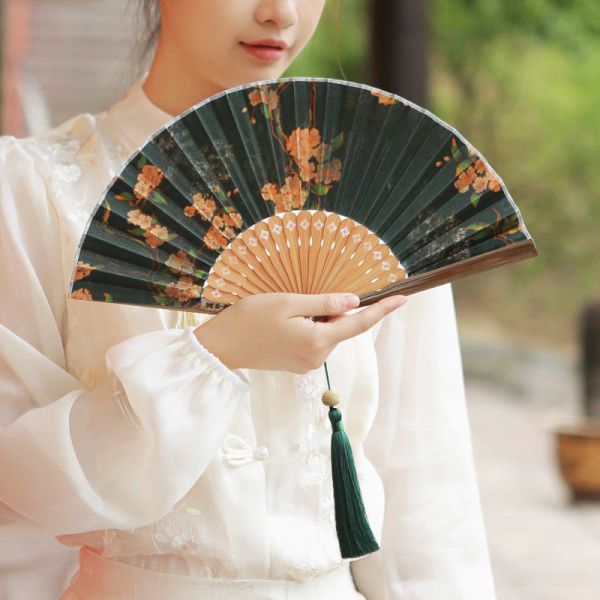 Buddha Stones Flower Persimmon Bamboo Leaves Xiangyunsha Silk Handheld Bamboo Folding FanAs low as $116.59 Regular Price $155.45
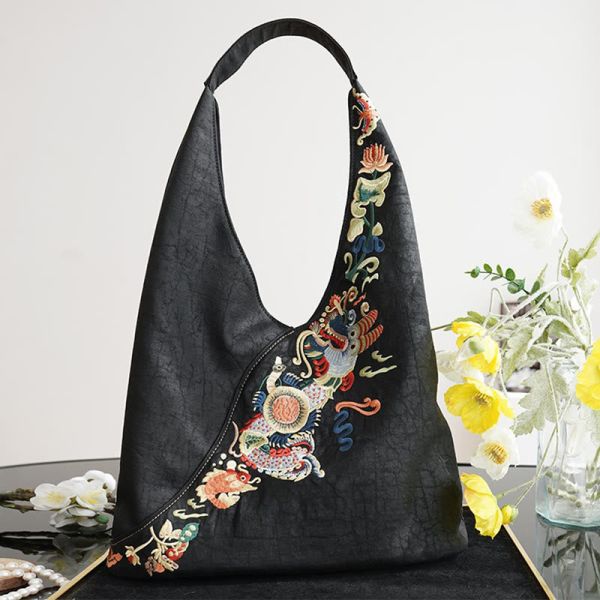 Buddha Stones Fish Flower Phoenix Embroidery Xiangyunsha Silk Shoulder BagAs low as $149.59 Regular Price $199.45
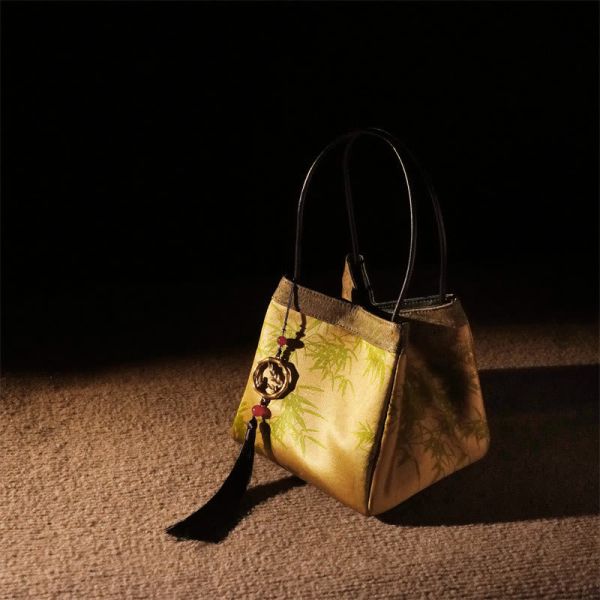 Buddha Stones Plum Flower Bamboo Branches Embroidery Tassel Xiangyunsha Silk Shoulder Bag HangbagsAs low as $229.59 Regular Price $306.12
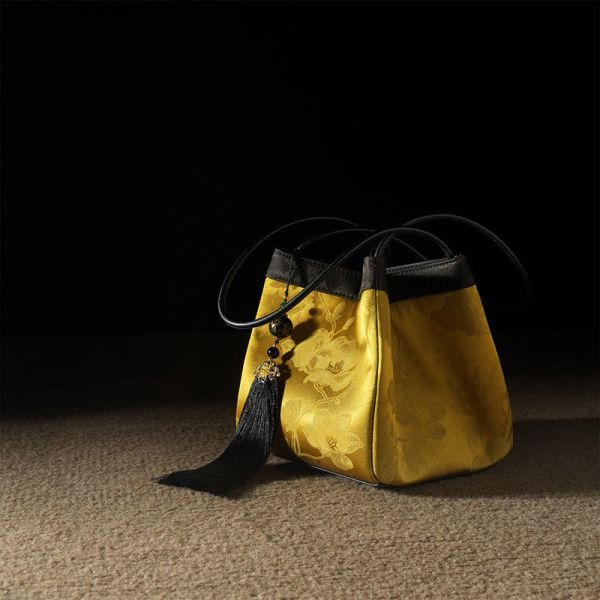 Buddha Stones Retro Flower Butterfly Bird Embroidery Bead Tassel Mulberry Silk Jacquard Xiangyunsha Silk Shoulder Bag HangbagsAs low as $237.59 Regular Price $321.07