
Wooden Mala Guide: Wood, Seeds, Grain, and Care
Wood grain changes direction across the surface of a rounded bead. This wooden mala guide starts with a material distinction: wooden beads come from timber, while bodhi seed beads come from seed material. Both are used in Buddhist malas and bracelets, with beads serving as counters for repeated prayers or recitations. At Buddha Stones, we distinguish the material named on a product page from details that the page does not establish, such as an exact botanical species or a particular finish.
A wooden mala guide to material names
A familiar name can describe a material without identifying its precise botanical source. Green sandalwood, small leaf red sandalwood, and ebony wood are the names supplied for the wood products discussed here. We use those names as given; they do not provide enough information to assign a scientific name to a particular item.
This matters when comparing beads. A shared word in two material names does not establish that the materials come from the same tree. Color alone is also insufficient to confirm identity. Begin with the written material specification, then check whether the seller supplies further identification. If an exact species matters to your choice, leave that question open until it is documented.
Bodhi seed belongs in a separate material category from wood. In Buddhist usage, bodhi refers to awakening, and seed beads have an established place in prayer strands. That religious association does not identify the plant behind an unspecified bodhi seed product. Our white bodhi bracelet identifies its material as Bodhi Seed, without a botanical species.
From a blank to a strung bead
In general beadmaking, wood is cut into small blanks, drilled, shaped, and sanded. A lathe can turn a blank around an axis while a cutting tool forms the rounded profile. The hole provides a route for cord; smoothing the surface and hole openings helps remove rough edges. These are common production steps, not a description of the manufacturing method used for a particular Buddha Stones item.
Seed material requires preparation suited to its form. Depending on the material, beads may retain parts of the seed’s original outline or be shaped into a more regular profile. A bead described as seed material should not automatically be treated as a miniature turned wooden ball.
Once prepared, beads are threaded onto cord or elastic. Knots and the way the strand is joined depend on its design. A mala intended for counting needs beads that can be moved individually along the strand. A bracelet also needs an appropriate fit and a sound closure. The material name alone tells you neither the bead count nor the construction details.
Reading grain, scent, and a changing surface
Grain is the visible pattern of wood structure. Because beads expose wood at different angles, neighboring beads can show different lines or patches of color. Matching every bead perfectly is not a useful expectation for a material with its own variation. Grain can help describe appearance, but it cannot independently verify a botanical identity.
Do not assume that a wood name promises a particular fragrance or its duration. The supplied specifications do not describe scent for the products below. Adding scented oil to create an aroma would also change the surface and introduce a care question that the material name cannot answer.
Some changes are expressly described. Our two green sandalwood bracelet pages say the wood may begin yellow and gradually turn green with light exposure. The white bodhi seed bracelet’s care note describes possible grain and color variation and a richer patina with wear. These statements allow for change; they do not establish a timetable or a final shade.
Care for beads, surfaces, and string
Use a dry, clean, soft cloth for routine dusting. Work gently around bead holes and between beads rather than pulling the strand tight. If dirt remains in a narrow opening, a soft, dry brush can help reach it. Stop if cleaning catches the cord or loosens surface material.
- Water: Remove wood and seed bracelets before bathing, swimming, or washing dishes. Avoid soaking beads or using a running tap as a cleaning method. If a strand gets damp, blot it and let it dry at room temperature with air around it.
- Oils: Do not apply furniture polish, cooking oil, perfume, or essential oil as routine care. Finishes differ, and an added substance may darken a bead or leave residue. Use a treatment only when instructions for that particular item support it.
- Sunlight and heat: Choose storage away from prolonged direct sun, heaters, and hot windowsills. Do not accelerate drying with a hair dryer. Color change described in a specification is not a reason to expose beads to intense light.
- String: Check for fraying, loose knots, and elastic that no longer returns to shape. Roll an elastic bracelet gently over the hand instead of stretching one section sharply. Arrange repair or restringing when the cord shows wear.
For storage, use a clean pouch or a lined compartment that prevents rubbing against neighboring jewelry. Put beads away dry. These are general wood and seed care practices; any more specific instructions supplied for an item take priority.
Our wood and seed pieces: details to compare
The products below include bracelets and a decoration range. Compare their stated materials and dimensions according to their intended use. A decoration is not a counting strand, and a bracelet specification should not be read as a full-length mala specification.
White bodhi seed bracelet
Our White Bodhi Seed Yin Yang Peace Bracelet uses Bodhi Seed beads measuring 11×12mm and Premium Elastic String. It is intended for a wrist circumference of 6.7–7.1 in (17–18 cm). The package contains one bracelet. Its material note allows for differences in color, details, and overall appearance, mentions patina developing with wear, and directs you to keep it away from water.
Ebony wood or green sandalwood bracelet
The Ebony Wood Green Sandalwood Natural Grain Unisex Bracelet offers Ebony Wood and Green Sandalwood options. The bead size is 8mm, the band uses Premium Elastic String, and the wrist circumference is 6.3–6.7 in (16–17 cm). One bracelet is included. For green sandalwood, the specification describes yellow-to-green color change with light exposure and advises avoiding water and prolonged direct sunlight.
Round green sandalwood beads
Our Green Sandalwood Meditation Round Bead Bracelet has 8mm and 10mm bead options. Premium Elastic String is specified, along with wrist circumferences of 5.9–6.3 in (15–16 cm) / 6.3–6.7 in (16–17 cm). The supplied information does not pair a particular bead size with a particular circumference. One bracelet is included. Its care note also calls for keeping it away from water and avoiding prolonged direct sunlight.
Wooden animal and heart decorations
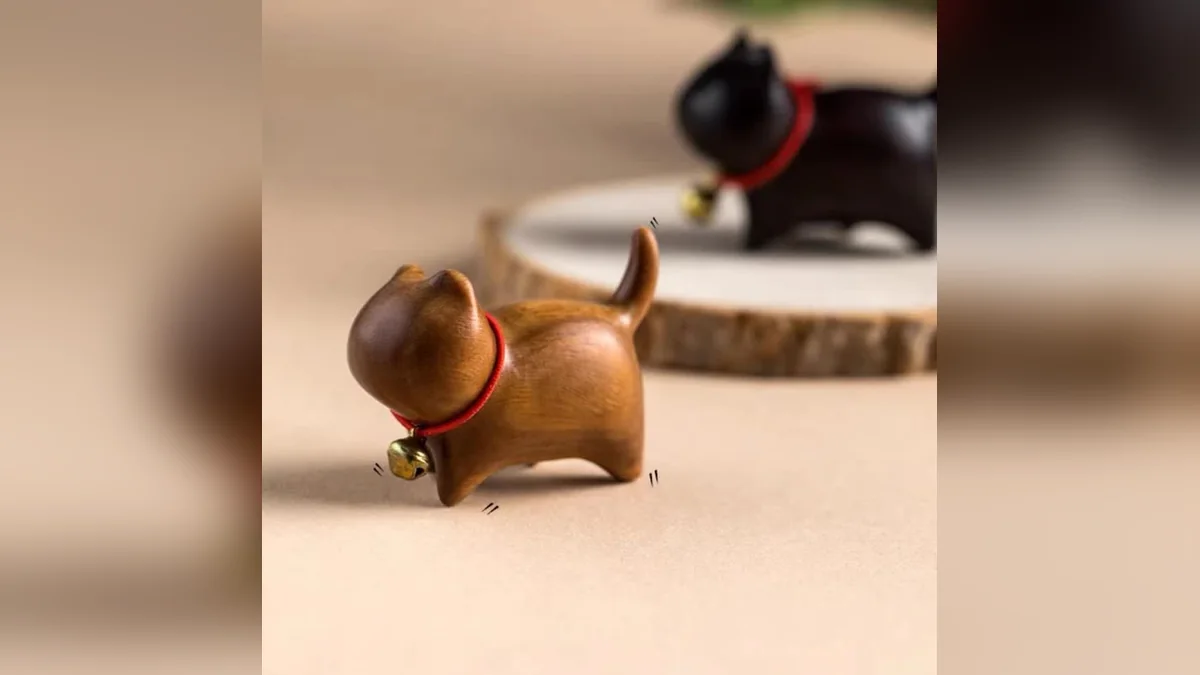
The Green Sandalwood, Small Leaf Red Sandalwood, and Ebony Wood Decorations offer several forms. Some options include ebony wood cats and deer, green sandalwood cats, deer, a dolphin, a hippo, dogs, and a love heart. A Small Leaf Red Sandalwood Deer option is also available. These are decorations, so compare the chosen form and material separately from the bracelet measurements.
Let the material description set expectations
A useful choice begins with what is documented: wood or seed, the named material, bead dimensions, fit, and care instructions. Leave room for the variation a product page describes. Grain and patina give you something to observe over time, while gentle handling and attention to the string provide a practical basis for caring for a mala or bracelet.
Shop the story
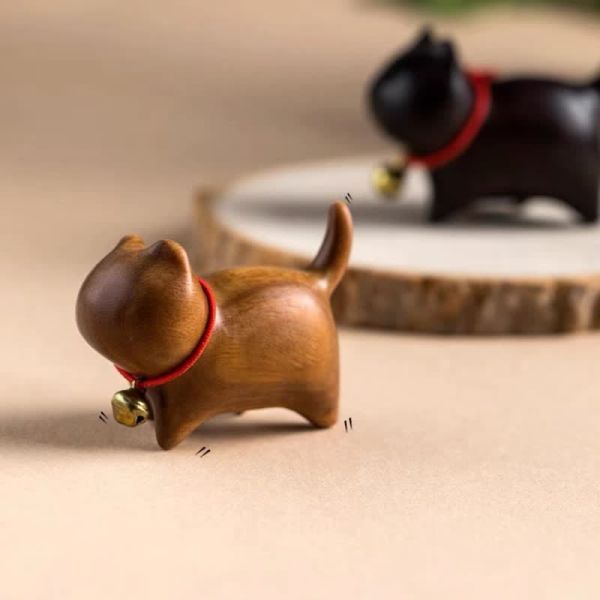 Buddha Stones Green Sandalwood Small Leaf Red Sandalwood Cute Cat Animals Soothing Peace DecorationAs low as $25.59 Regular Price $36.04
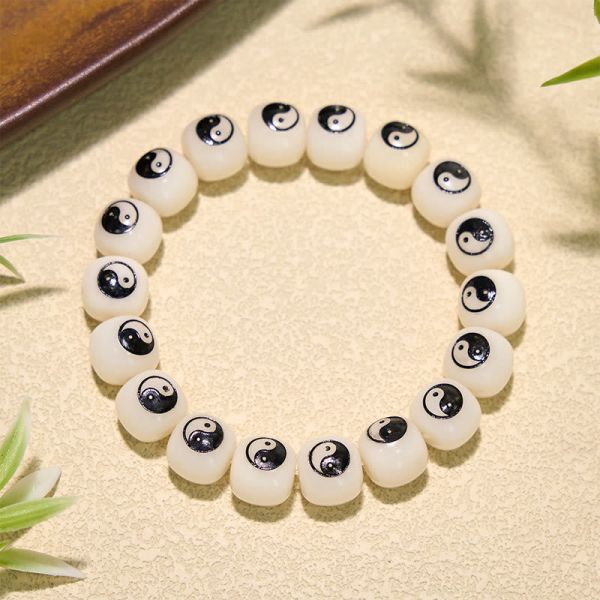 Buddha Stones White Bodhi Seed Yin Yang Peace BraceletSpecial Price $25.59 Regular Price $34.12
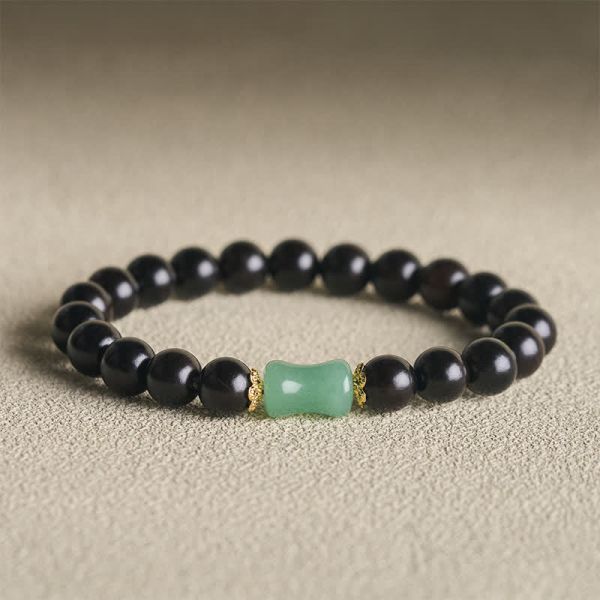 Buddha Stones Ebony Wood Green Sandalwood Natural Grain Unisex BraceletAs low as $25.59 Regular Price $35.54
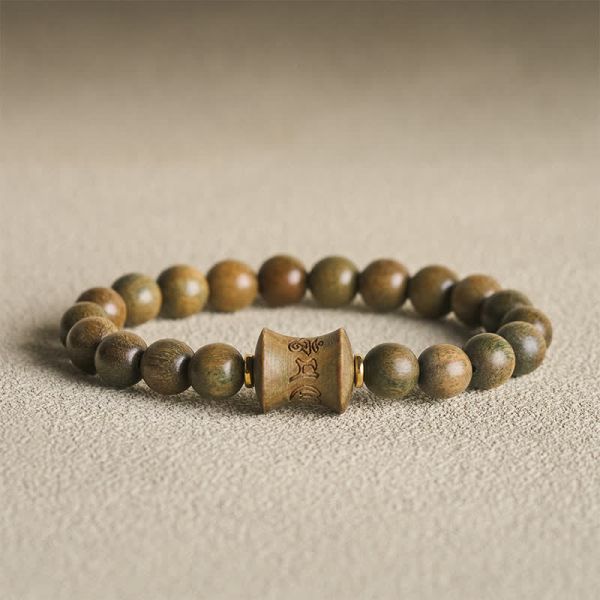 Buddha Stones Green Sandalwood Meditation Round Bead BraceletAs low as $25.59 Regular Price $34.12