
Wooden Hairpin Guide: Daily Care and Safe Storage
Hair product residue can leave a wooden hairpin feeling tacky. This wooden hairpin guide explains how to inspect, wipe, dry, and store a pin, and how to recognize damage that means it should leave regular use. At Buddha Stones, we recommend starting with the least involved care your piece needs. A dry wipe may be enough; adding water, polish, or oil without knowing the finish can create another problem.
Keep the maker's care instructions with the pin if you have them. Wood species, surface coatings, glued decorations, and metal fittings can require different treatment. When those details are unknown, keep cleaning gentle and avoid experimenting on the visible surface.
Wooden hairpin guide: tools and materials
Set up a clean, dry area where you can see the point, shaft, and any decorative join clearly. You do not need a polishing kit for routine inspection and dust removal.
- A clean, lint-free cloth: Choose one without old polish, grit, or cleaning chemicals on it.
- A soft brush: Use gentle bristles to lift loose dust from accessible recesses without digging into them.
- A second dry cloth: Keep this ready if the maker permits a slightly damp wipe.
- A padded sleeve or divided box: Give the pin room to lie without pressure on its tip or decoration.
- Good light: Turn the piece slowly so surface changes and gaps at joins are easier to notice.
Leave household cleaners and abrasive pads out of the setup. If the finish is unidentified, postpone any treatment beyond dry cleaning until you have suitable care directions.
A step-by-step routine from removal to storage
- Remove the pin without pulling against resistance. Support the hairstyle while easing the pin along its insertion path. If strands catch, loosen them before moving farther. Do not twist the decoration to free a stuck shaft.
- Check it before wiping. Look along the shaft and around the tip. Examine joins for gaps, and check for splinters, chipped coating, or a loose ornament. Set aside a damaged pin before it returns to your hair.
- Lift away loose debris. Remove caught strands gently with your fingers. Brush accessible grooves lightly, directing dust away from fittings. Avoid forcing a tool into a narrow seam or beneath a decoration.
- Wipe with the grain. Support the shaft and use light strokes with a dry cloth. Work on a small area at a time. Stop if the surface catches the cloth, sheds flakes, or leaves color behind.
- Treat residue cautiously. If the maker allows damp cleaning, use a barely damp section of cloth on the affected area, then wipe dry promptly. Do not wet the whole pin to remove one mark. Leave persistent residue alone rather than escalating to solvents.
- Let it dry before putting it away. Rest it on a clean, dry surface away from direct sunlight and heaters. Keep it out of a closed sleeve while any moisture remains, including around fittings.
- Store without pressure. Place it in its own compartment or sleeve. Check that the point cannot push through the fabric and that closing the box does not press on the ornament.
Use a brief inspection before wearing, too. Hair products should have dried before the pin goes in. If a hairstyle requires force to insert or remove the shaft, loosen and reshape the hair instead of using the pin as a lever.
After travel, check the pin again before use. A crowded pouch can put pressure on a narrow shaft even when the outside of the pouch looks undamaged.
What not to do when the surface changes
Do not soak, rinse under a faucet, or leave the pin on a wet sink edge. Prolonged moisture can swell wood and affect joins or coatings. A bathroom counter exposed to repeated splashes is a poor permanent storage place.
Do not scrub with toothpaste, baking soda, scouring powder, or a rough sponge. These can abrade a surface. Alcohol, acetone, bleach, and household sprays can also affect finishes or adhesives; they are not substitutes for care instructions.
Avoid applying cooking oil, fragrance oil, furniture polish, or wax by default. A dull patch does not tell you which finish is present, and an added substance may leave residue or alter the appearance. Use a maintenance product only when the maker specifically recommends it for that pin.
Do not bend a wooden shaft to test its strength, sharpen its point, or sand away a snag and immediately return it to use. Those changes can alter the shape or remove a coating. Keep a questionable piece out of your hair until its condition is resolved.
When to replace a pin or retire it from wear
Remove a hairpin from regular use if you find a crack, splinter, broken tip, loose fitting, or a rough area that catches strands. A split at the base of an ornament also deserves attention, even if the shaft still looks straight.
Distinguish a change in appearance from a failure of the structure. A smooth, gradual color change alone does not establish that a pin is damaged. A new gap, lifting finish, sharp edge, or recurring snag is a reason to stop using it.
If repair seems possible, ask the maker or a repair professional familiar with wooden accessories to assess it. Do not rely on household glue for a part that must withstand pressure during wear. A sentimental pin can remain a display object after it is retired; keep a damaged point enclosed.
Products with wood details in our range
The following items serve different purposes from a hairpin. Their materials and product-specific notes help explain why care instructions should stay with the item they describe.
A bag with a wood handle
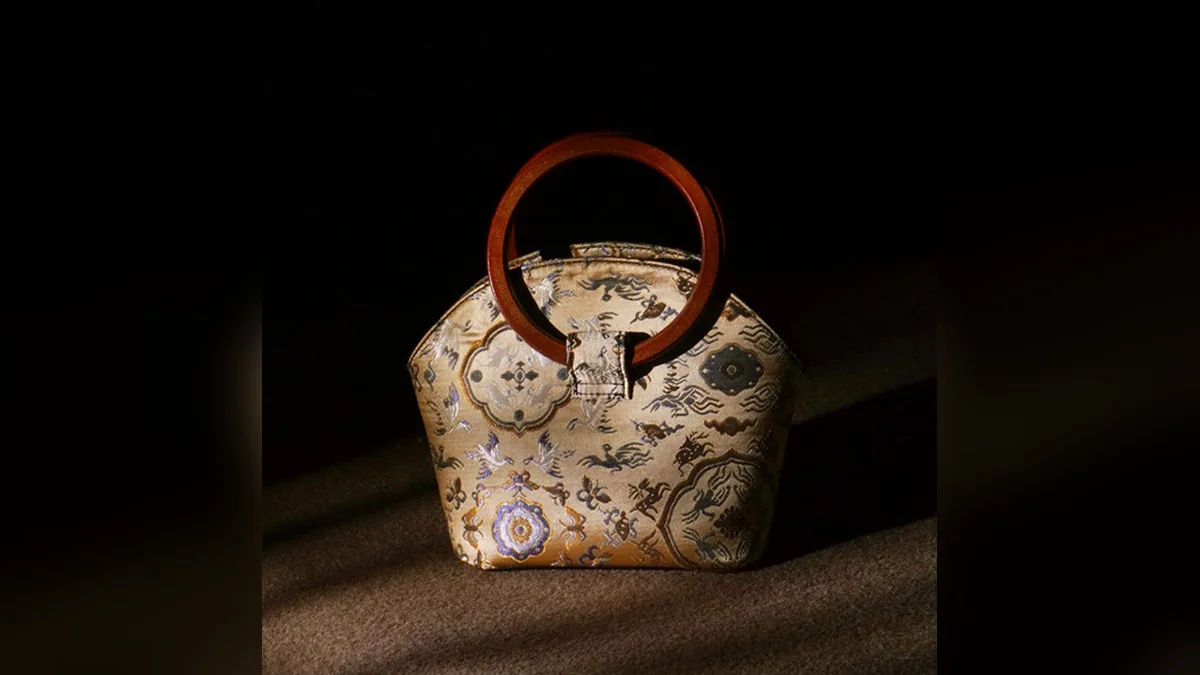
Our Crane Deer Seawater Wave Wood Handle Bag combines polyester, metal, and a wood handle, with a zipper closure. Options include DarkMagenta Seawater Wave Metal Chain, Khaki Crane Deer, and Khaki Crane Deer Change Purse. Check the selected option when comparing the chain and change-purse versions.
A koi incense burner with base options
The Wooden Base Koi Fish Incense Burner uses wood and iron. Options pair a head-up or head-down koi with a long or short base. It is compatible with incense sticks; the package contains one incense burner, and incense is not included.
A peach wood keychain
The Peach Wood Lotus Pod Tassel Keychain combines peach wood, copper alloy, and a synthetic luminous bead. Its care notes say to avoid water exposure and allow for variations in grain and color. Fortune wording in the full product name expresses a traditional wish, not a guaranteed result.
A lotus necklace with mixed materials
Our Sappanwood Lotus Enamel Inlaid Braided Rope Necklace combines sappanwood, teak, rope, and enamel. The necklace length is Approx. 22 in / 56 cm. Its care notes advise avoiding water exposure and explain that the wood may develop a patina with wear.
Finish with a dry pin and a clear decision
Before putting a wooden hairpin away, decide whether it is ready to wear, needs further care advice, or should be retired. Keep uncertain pieces apart from those ready for use. A short inspection, gentle cleaning when needed, and storage without pressure make a practical routine you can repeat.
Shop the story
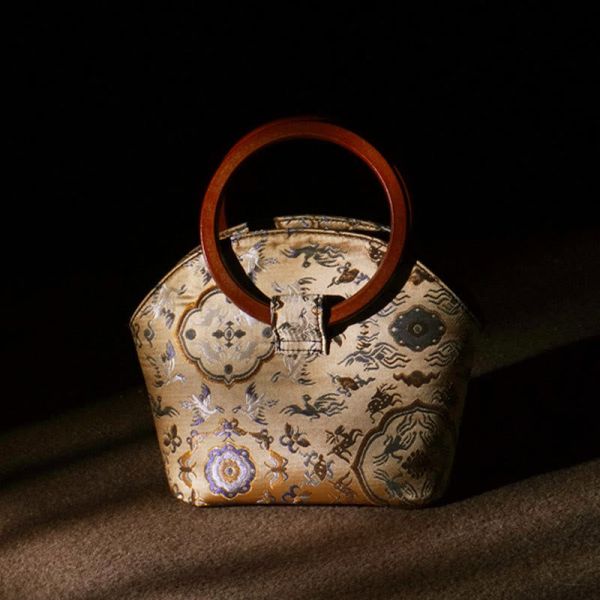 Buddha Stones Crane Deer Seawater Wave Wood Handle Metal Chain Change Purse Crossbody Bag HangbagsAs low as $114.59 Regular Price $161.39
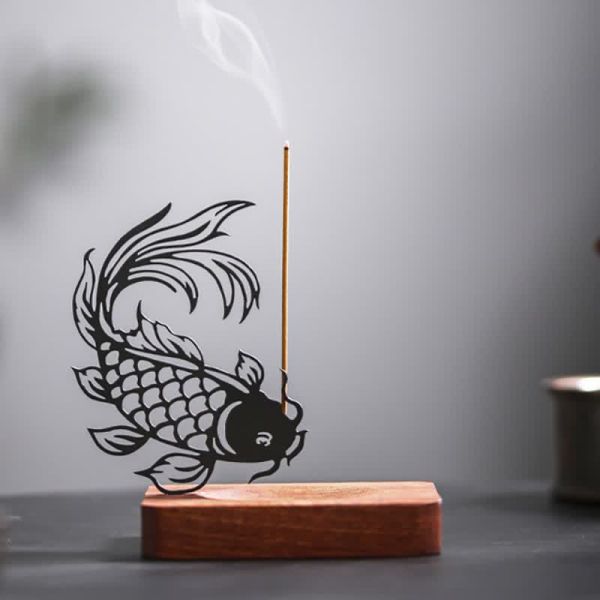 Buddha Stones Wooden Base Koi Fish Success Zen Incense BurnerAs low as $46.59 Regular Price $62.12
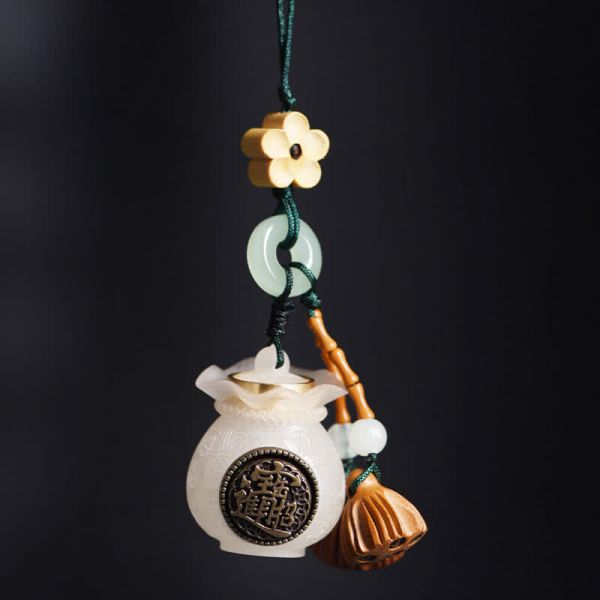 Buddha Stones Good Fortune Money Bag Attract Wealth Peach Wood Lotus Pod Tassel KeychainsSpecial Price $25.59 Regular Price $35.05
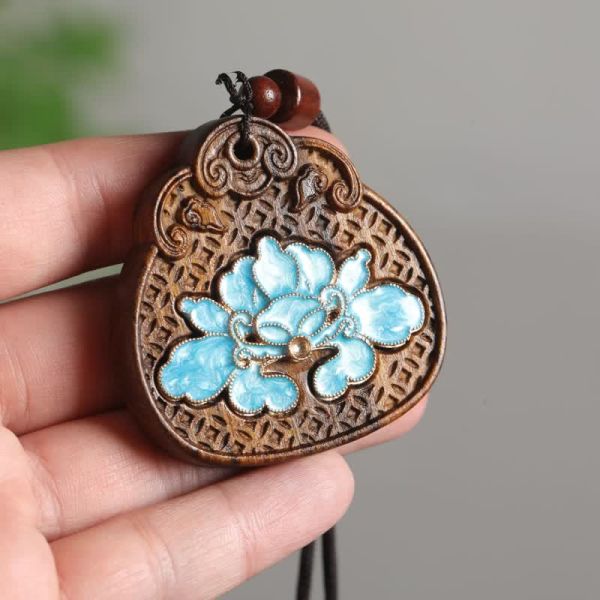 Buddha Stones Sappanwood Lotus Purity Enamel Inlaid Braided Rope NecklaceSpecial Price $25.59 Regular Price $34.58