
Wooden Buddha Statue Guide: Choose, Place, and Care
The material description is your starting point for choosing a wooden Buddha statue. This wooden Buddha statue guide explains how to identify the figure, inspect its condition, choose a stable display spot, handle it safely, and care for its surface. We recommend starting with the object’s actual construction and care instructions, then considering the religious traditions associated with its display.
Step 1 in our wooden Buddha statue guide: identify the figure
Read the name supplied with the statue before interpreting its appearance. Buddhist figures have different identities, and a seated pose alone does not identify a particular Buddha. Hand positions, clothing, accompanying objects, and inscriptions can help, but a seller’s description should explain what the figure represents.
Ask for clarification if the title and description disagree. Avoid choosing a figure solely because someone assigns a promised result to it. Religious significance belongs to a tradition and its teachings; it is not a product performance specification.
Decide how you intend to display the statue. A religious image used in Buddhist practice calls for attention to your community’s customs. If your interest is decorative, you can still treat the figure respectfully and learn its identity. This decision helps you choose an appropriate setting without turning the purchase into a claim about future outcomes.
Step 2: Check the wood, finish, and condition
Look for a clear material description. A wood-colored surface does not establish that an object is wood, and a photograph cannot reliably identify a wood species. If the description is incomplete, ask what the main body and base are made from and whether a surface coating has been applied.
Review photographs of the front, back, underside, and base. Look for visible splits, loose components, chipped edges, or a base that appears uneven. Grain variation and changes in color may be part of wood’s appearance, but they do not establish age, rarity, or quality by themselves.
Request care instructions for the actual finish. Painted, coated, and unfinished surfaces may require different treatment. For an older or valuable religious object, seek advice from a qualified objects conservator before attempting repairs. Do not use an unknown finish as a reason to experiment with oils or household polish.
Step 3: Match the display space to the base
Measure the available shelf or tabletop before selecting a statue. Compare the stated dimensions with the space, allowing room around projecting details. Height alone is insufficient: the entire base needs support, and the figure should remain clear of shelf edges and cabinet doors.
Choose a level surface away from direct sunlight, radiators, air vents, and damp areas. Wood can change as surrounding moisture conditions change, while strong light can alter surface color. Avoid placing the statue where splashes, steam, or a nearby flame could reach it.
Keep the immediate area uncluttered so that you can lift the object without catching nearby items. A clean, raised surface is a respectful choice for a Buddhist image. Follow the placement customs of your own Buddhist community where applicable, rather than treating an online direction chart as a universal rule.
Step 4: Lift from the base and plan any move
Clear the destination before lifting the statue. Use clean, dry hands, support the base, and steady the main body without gripping projecting fingers, ornaments, or other narrow details. If the object is too heavy or awkward for you to control securely, arrange suitable help.
Examine the underside before setting it down. Grit beneath a base can scratch furniture or prevent even contact. Avoid adding adhesive pads directly to an unfamiliar surface; their removal could disturb the finish.
For transport, choose packaging that supports the base and prevents movement without pressing on fragile details. Keep packing materials from rubbing against delicate surfaces. A shoulder bag’s dimensions alone do not establish that it can carry a statue safely. Check the object’s weight, shape, finish, and packing needs separately before deciding how to move it.
Step 5: Remove dust and monitor changes
Follow the maker’s care directions first. For routine dust removal, a clean, soft brush can reach recesses without wetting the wood. Work lightly, support the object, and stop if paint, powder, or surface fragments come away. Never force bristles into a narrow opening.
Do not soak the statue, rinse it under a faucet, or apply a cleaning spray directly. Avoid alcohol, abrasive cleaners, and scented oils unless the maker specifically approves them for that finish. More cleaning is not necessarily better; leave a stable surface alone once loose dust is removed.
Occasionally check for new cracks, loose parts, or changes in the base’s contact with the shelf. Take reference photographs if you need to track a visible change. If damage develops, pause handling and seek appropriate repair advice instead of filling a gap or gluing a component immediately.
Mistakes to avoid with a wooden Buddha statue
- Guessing from color: Confirm the material rather than assigning a wood species from a photograph.
- Buying by height alone: Check the base footprint and clearance around projecting details.
- Using a damp display spot: Keep the object away from splashes, steam, and persistent moisture.
- Lifting by narrow features: Support the base and main body during a move.
- Polishing without instructions: Establish what the finish permits before applying any substance.
- Treating wear as proof of age: Surface appearance alone cannot authenticate an antique.
Canvas bag products: sizes, straps, and pockets
Our canvas bag options are described below by their stated specifications. These details do not establish suitability for carrying a wooden statue.
Embroidered flowers canvas tote and shoulder bag
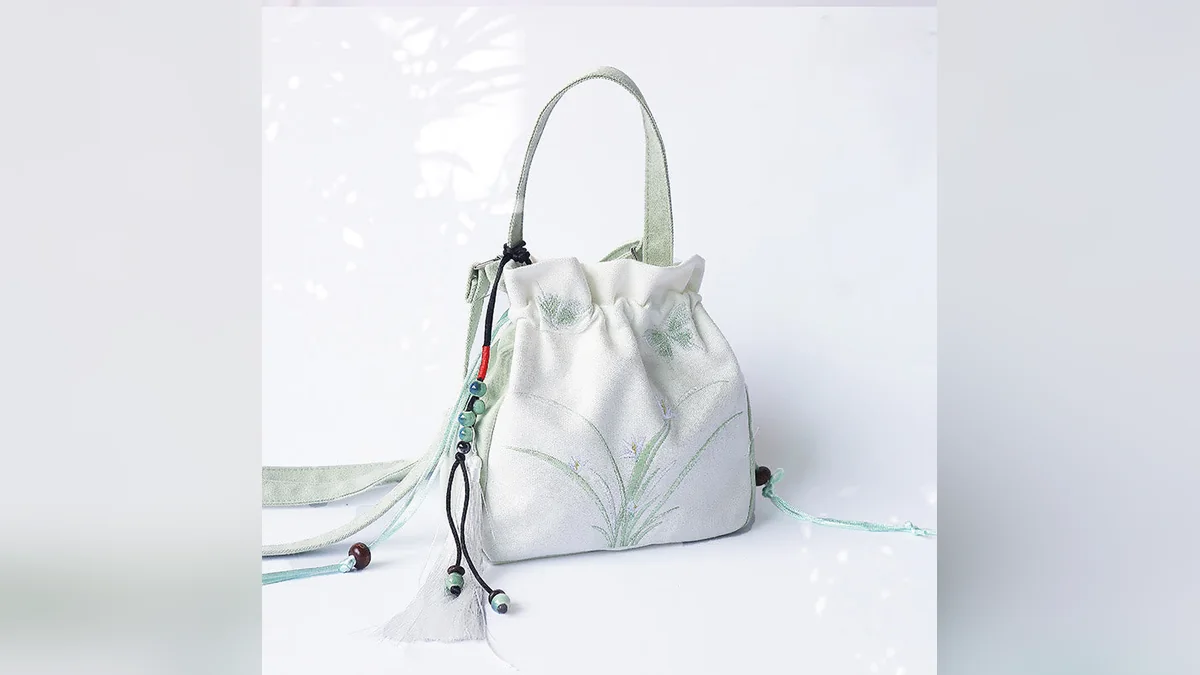
The Handmade Embroidered Flowers Canvas Tote Shoulder Bag uses Canvas Fabric and measures 20*20cm. Its shoulder strap length is 65cm, and its tote strap length is 8cm. It has an adjustable strap, a strap closure, one main pocket, one hidden pocket, and one back zipper pocket. Options include Blue White Lotus 20*20cm and Green White Lotus 20*20cm.
Tibetan camellia canvas crossbody bag
The Tibetan Handmade Embroidered Camellia Canvas Crossbody Bag comes in Blue Camellia or Red Camellia. Its Canvas Fabric body measures 33*28cm, with one main pocket and a non-adjustable 130cm strap. The stated weight is 190g, and the package contains one bag.
Embroidered plum flowers canvas bag
The Handmade Embroidered Plum Flowers Canvas Crossbody Bag uses Canvas Fabric. Sizes are 17*19cm / 20*23cm, depending on the option. It has an adjustable strap with a stated length of 63cm, one main pocket, and one zipper pocket. The stated weight is 200g.
Embroidery pattern shoulder bag and tote set
The Handmade Embroidery Pattern Canvas Shoulder Bag Tote Bag Set includes one large bag and one small bag. Materials are Canvas Fabric, Chenille Fabric, and Nylon. The large size is 31cm*11cm*38cm (Length*Width*Height); the small size is 32.5*20.4cm. Straps are non-adjustable, and closure types are Buckle/Zipper. Options are Blue Flower and Multicolored Flower.
Keep the next care decision simple
Confirm the figure and material, provide full support beneath the base, and follow instructions for the finish. A respectful display and a restrained cleaning routine give you a practical starting point. When a detail remains uncertain, establish the facts before changing the surface or moving the object.
Shop the story
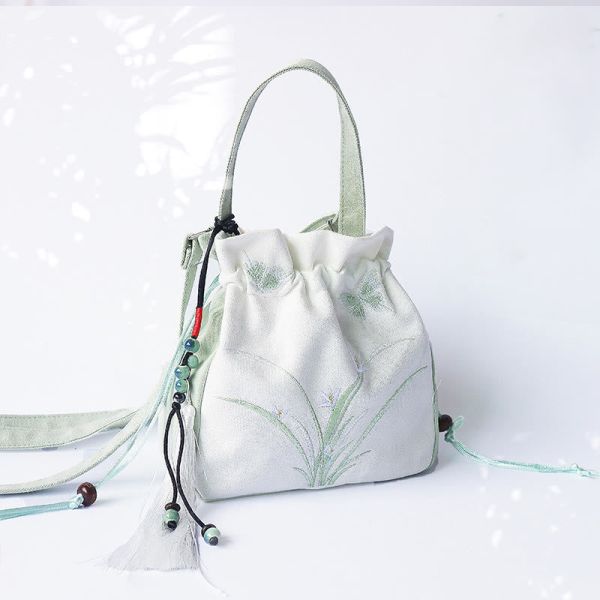 Buddha Stones Handmade Embroidered Flowers Canvas Tote Shoulder Bag HandbagAs low as $26.59 Regular Price $36.93
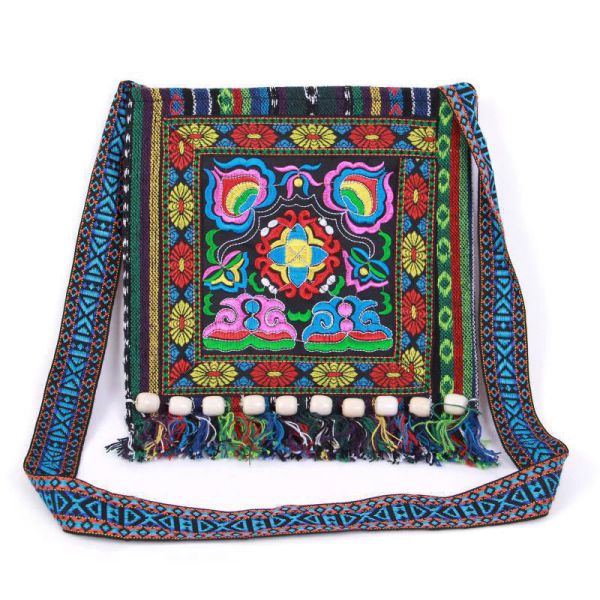 Buddha Stones Tibetan Handmade Embroidered Camellia Canvas Shoulder Bag Crossbody BagAs low as $17.59 Regular Price $24.77
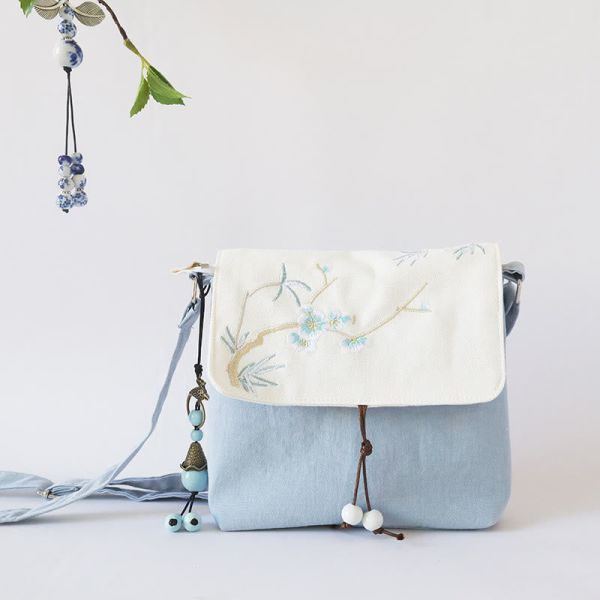 Buddha Stones Handmade Embroidered Plum Flowers Canvas Crossbody Bag Shoulder Bag HandbagAs low as $26.59 Regular Price $36.42
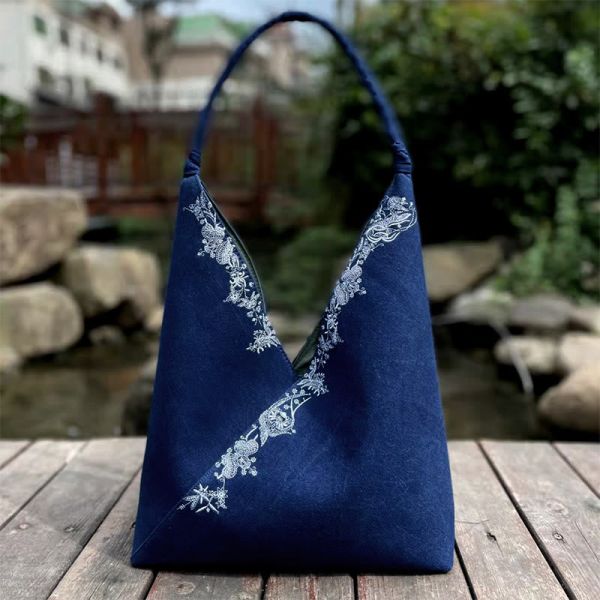 Buddha Stones Handmade Embroidery Pattern Canvas Shoulder Bag Tote Bag SetAs low as $52.59 Regular Price $70.12