
Where to Place a Ganesha Statue at Home: A Q&A Guide
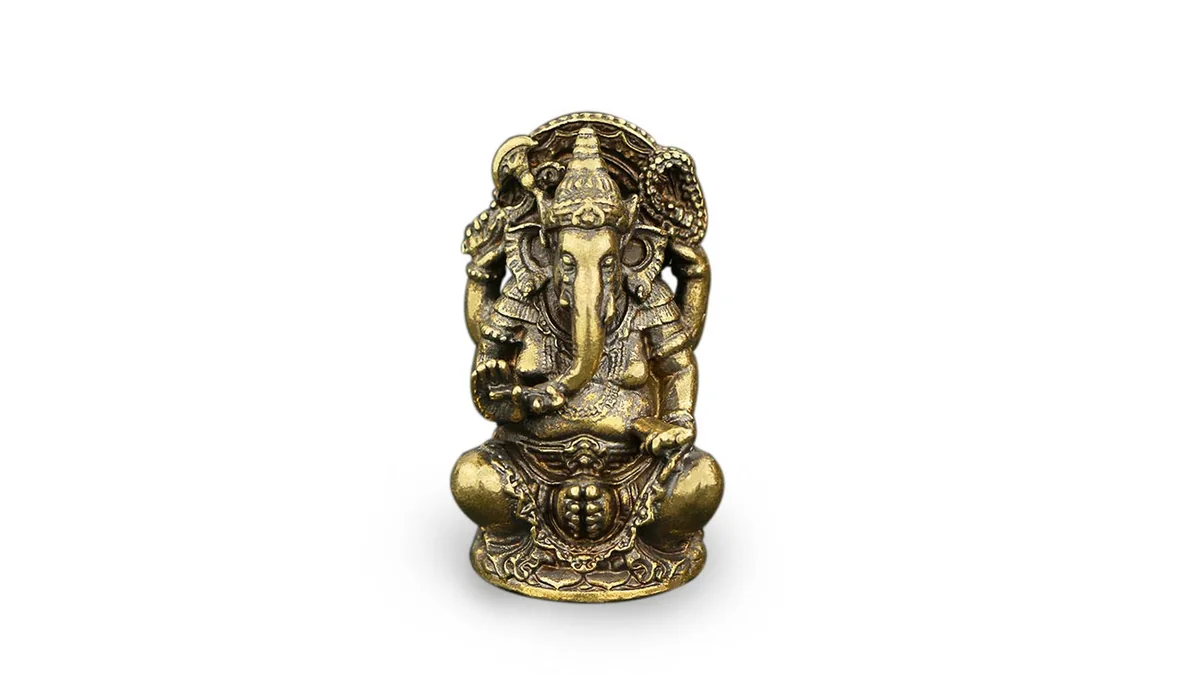
An elephant-headed figure with a wide belly, one broken tusk, a small sweet called a modak in his palm, and a mouse at his feet is honored across Hindu households before a new beginning: a new house, a new venture, a new school term. Ganesha, also called Ganesh or Ganpati, is regarded as the remover of obstacles and the patron of beginnings, learning, and the arts, and tradition holds that he is the son of Shiva and Parvati. Once a statue of him is in hand, the first practical question is usually where to place a Ganesha statue at home.
That question has a few common answers, shaped more by custom than by fixed rule, and a related figure, Vinayaka, also appears in some Buddhist traditions, though the two traditions describe him somewhat differently, and the account here follows Hindu tradition. What follows is a short set of questions people tend to ask when they bring a Ganesha statue into their own space, covering the room, the direction, and the size that suits a shelf, a desk, or an altar.
Where to place a Ganesha statue at home
Where is the best spot for a Ganesha statue in a home?
Many households follow Vastu guidance and set the statue in the northeast area of a room, or simply in whatever corner already serves as a prayer or meditation space. What matters more than the compass direction is the shelf itself: a clean surface, free of clutter, with the statue at or above eye level rather than on the floor. A dedicated altar works well, but a simple wall shelf or the top of a cabinet is just as common in smaller homes.
Which direction should the statue face?
Common Vastu advice suggests facing the statue into the room rather than toward a wall, so it looks out over the space it sits in. Near a front door, some households turn it to face inward, greeting anyone who enters; others keep it facing the room itself. Guidance on this varies by region and family custom, so treat it as a starting point rather than a strict requirement, and place it in a way that feels settled to you.
Are there places people generally avoid?
A few spots come up often as ones to skip: the bathroom, the space under a staircase, and shelves next to shoes, laundry, or a trash bin. Facing the statue directly toward a bathroom door is also commonly avoided. None of these are enforced anywhere, but they reflect a general preference for keeping the statue away from areas associated with mess or waste, and closer to spaces used for calm, focused activity.
Does the direction of the trunk matter?
Ganesha is shown with his trunk curved to one side, and this detail gets asked about often. A left-turned trunk is the form most commonly recommended for home use, and it's the version you'll see on many statues made for everyday decor. Right-turned forms exist too, but in some traditions they're treated as requiring more particular worship routines. If you're simply decorating a shelf rather than following a specific ritual practice, a left-turned trunk is the easier, more common choice.
Can a Ganesha statue sit on a desk?
Yes, a desk is one of the more common spots for a smaller statue, especially for anyone who associates Ganesha with the start of a project or a school term. Keep the same basic habits you'd use elsewhere: a clear patch of desk rather than a pile of papers, and the statue facing out toward the room rather than wedged against a monitor. A compact piece suits a desk better than a large one simply because of the space available.
How big should a Ganesha statue be?
This depends entirely on where you plan to put it. Our smallest piece, the copper Ganesh statue, measures about 3 by 3 by 5 centimeters and weighs around 70 grams in a bronze tone, small enough for a desk, a bookshelf, or a travel bag. The transparent white resin statue is close in scale at 6 by 6 by 9 centimeters. A step up is the resin statue available in bronze, golden, or red, at 8.5 by 5 by 11.5 centimeters and about 255 grams, suited to a side table or altar shelf. For a more substantial presence, the larger resin statue comes in at 16 by 14 by 16 centimeters, better suited to a console table or a dedicated corner than a crowded shelf.
Does it matter if the statue is sitting or standing?
Most home statues show Ganesha seated, often with one leg tucked and the other foot resting on the ground, a pose generally read as settled and steady, which is part of why it's favored for a fixed shelf or altar. Standing forms exist as well and tend to feel more active, sometimes paired with a dancing pose in temple carvings. For home decor, the choice is mostly aesthetic. A seated figure fits a quiet corner; a standing one can suit a more open display spot.
How should I clean and care for the statue?
Dust it gently with a soft, dry cloth on a regular basis, and avoid anything abrasive. Beyond that, care depends on the material. A copper piece can develop a natural patina over time with handling and air exposure, which some owners like and others prefer to wipe down to slow; avoid soaking it in water. A resin statue just needs occasional dry dusting and should be kept out of direct, prolonged sun since long sun exposure can fade painted finishes unevenly. Set it down gently rather than letting it knock against other objects on the shelf.
Can a Ganesha statue be given as a gift?
Yes, this is one of the more traditional uses for a Ganesha statue. It's commonly given for a housewarming, a new business opening, the start of a school year, or simply as a gesture when someone close to you is beginning something new. Size is worth considering here too: a small copper piece travels well and suits a desk at a new job, while a larger resin statue makes more sense as a housewarming piece meant to stay in one spot. Either way, it's a gift associated with new beginnings rather than any specific occasion.
The simplest rule, if you want one: keep the spot clean, keep the statue at a respectful height rather than on the floor, and set it down with some intention rather than as an afterthought. Beyond that, where to place a Ganesha statue at home is really a matter of what the room allows and what feels right to you, and the tradition leaves enough room for both.
Shop the story
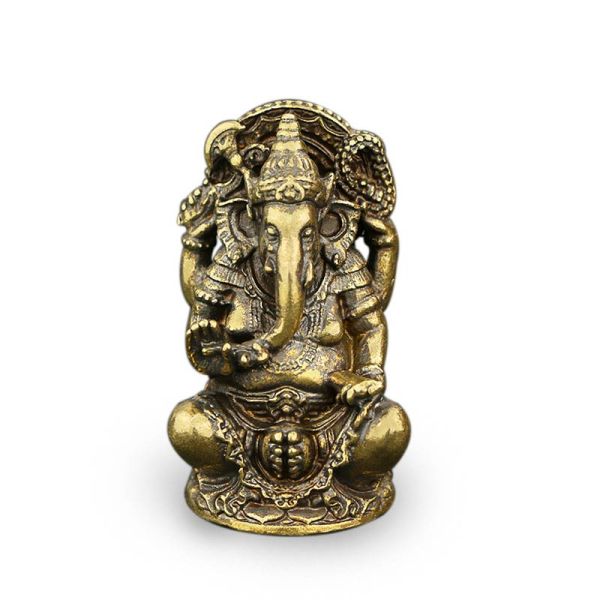 Buddha Stones Ganesh Ganpati Elephant Statue Wealth Home DecorSpecial Price $28.59 Regular Price $38.12
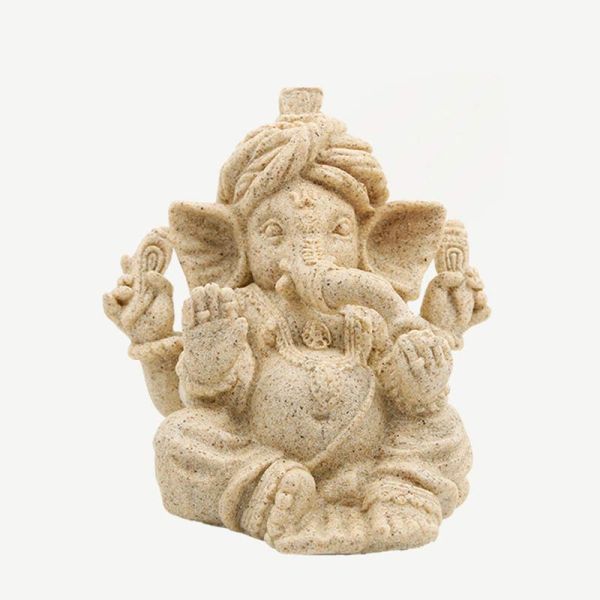 Buddha Stones Ganesh Ganpati Elephant Statue Blessing Protection Home DecorationSpecial Price $79.59 Regular Price $112.10
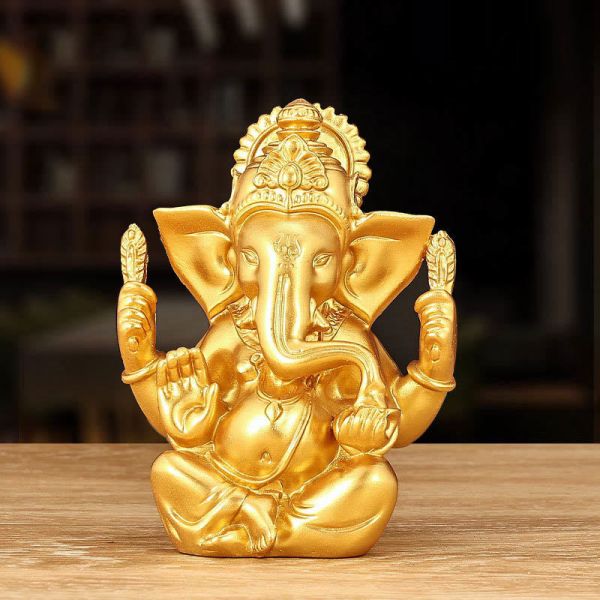 Buddha Stones Ganesh Ganpati Elephant Statue Transformation Home Resin DecorationAs low as $54.59 Regular Price $74.78
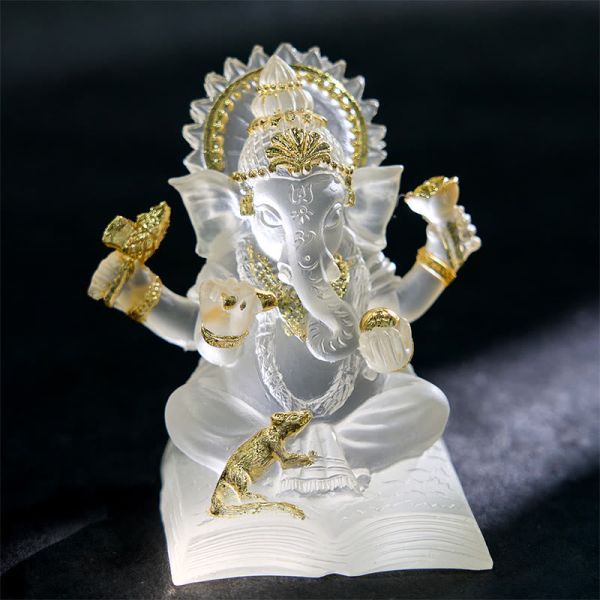 Buddha Stones Transparent White Ganesh Ganpati Elephant Statue Protection Home Resin DecorationSpecial Price $34.59 Regular Price $48.72