What Is Sandalwood? A Field Guide to Wood and Motifs
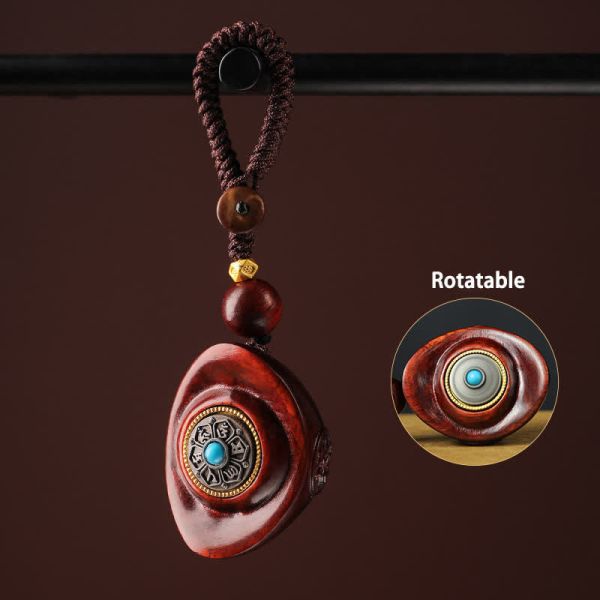
A wooden money-bag motif narrows at the neck and widens into a rounded pouch below. Its outline tells you about the symbol; its grain tells you about the material. So, what is sandalwood? Sandalwood is aromatic wood used for beads, devotional objects, and incense. In Buddhist devotional traditions, it is associated with reverence and offerings. Luck, wealth, and protection are matters of traditional belief; none is guaranteed by owning a sandalwood object. This field guide separates the wood, the shape, and the accompanying details so you can read a design more clearly.
How to recognize the motif
Sandalwood itself is a material, rather than a single motif. A sandalwood object might take the form of a bead, an animal, a pouch, or an ingot. Start with the silhouette, then examine the surface and the smaller elements around it.
- Wood grain: Look for lines and changes in tone across the surface. On a rounded bead, the grain may follow a different direction from the bead beside it. Grain provides a visual clue, but it cannot establish a wood species by itself.
- Color variation: Compare lighter and darker areas instead of expecting a perfectly uniform shade. Product names such as red sandalwood and green sandalwood need their own material descriptions; color alone cannot confirm botanical identity.
- A recognizable outline: A money bag usually has a full lower body and a narrowed opening. A yuanbao resembles a boat-shaped ingot with raised ends. These shapes carry meanings separate from the wood used to make them.
- Words or characters: A design may include Om Mani Padme Hum alongside its central shape. Read lettering as another element of the composition, rather than treating it as evidence of the material.
- Attachments and surrounding details: Rope, cord, tassels, beads, and metal fittings help distinguish a necklace from a keychain or hanging accessory. Check the selected option because a shared product title may cover several arrangements.
A photograph can help you compare outlines and visible details. It cannot establish scent, wood species, or every component in an option. At Buddha Stones, we recommend reading the material specification alongside the image, especially when a page offers more than one wood or attachment style.
What is sandalwood associated with in tradition?
Sandalwood has a place in Buddhist and Hindu devotional customs, including offerings and incense. Its use in religious objects gives it associations with reverence and dedication. Those associations describe a cultural setting and a way of honoring practice, rather than an effect the wood produces for its owner.
The shape of an accessory adds another layer. In Chinese decorative tradition, a money bag can express a wish for prosperity or sufficient resources. A yuanbao refers to an ingot form associated with wealth. Neither symbol needs to be read as a prediction about the person carrying it.
Om Mani Padme Hum belongs to Buddhist devotional practice. When it appears beside a money bag or yuanbao, the words and the prosperity motif remain distinct elements. The presence of one does not turn the other into a universal Buddhist symbol.
Words such as Luck, Wealth, Blessing, Fortune, and Protection in product names express traditional wishes. An accessory cannot guarantee prosperity, good luck, or protection.
You can appreciate the design through its material, its religious context, or its decorative form. Keeping those layers separate allows a more precise description than assigning one fixed meaning to every wooden accessory.
Where the wood and its symbols appear
The same material can serve different purposes, while the same motif can appear in different materials. This table offers a quick visual reference; it does not identify the composition of a particular item.
| where you see it | how it usually appears |
|---|---|
| Bead strands | Repeated wooden beads, sometimes accompanied by a tassel or another bead material; the sequence makes differences in grain easier to notice. |
| Pendant necklaces | A central wooden form suspended from a cord or chain, with the outline carrying much of the design’s symbolism. |
| Keychains and hanging accessories | A money bag, yuanbao, or another compact shape attached to a ring, loop, cord, or tassel arrangement. |
| Incense and devotional settings | Wood chips, powder, or incense containing sandalwood; the finished form may reveal little recognizable wood grain. |
For a useful comparison, consider three questions: What is the material called? What shape does it take? What words or additional symbols accompany it? That sequence helps prevent a familiar motif from being mistaken for proof of composition.
Four sandalwood designs in our selection
Our examples below place sandalwood in a necklace and several keychain designs. Compare their stated dimensions and option names as well as their symbolic outlines. The measurements retain the approximate wording supplied for the relevant products.
A cat necklace with black obsidian
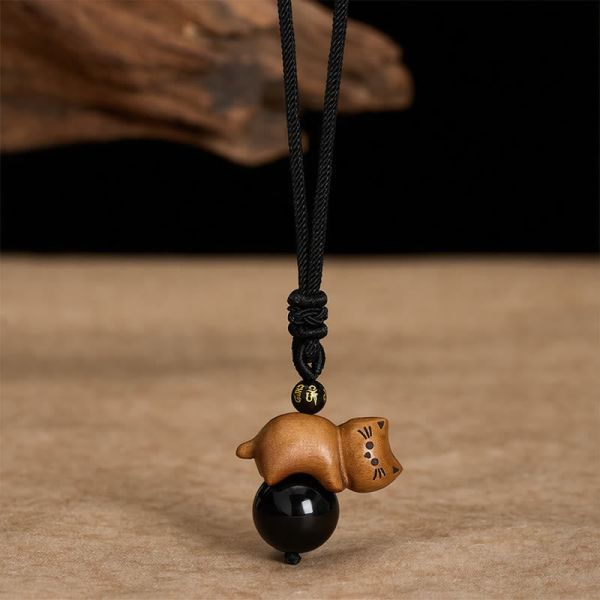
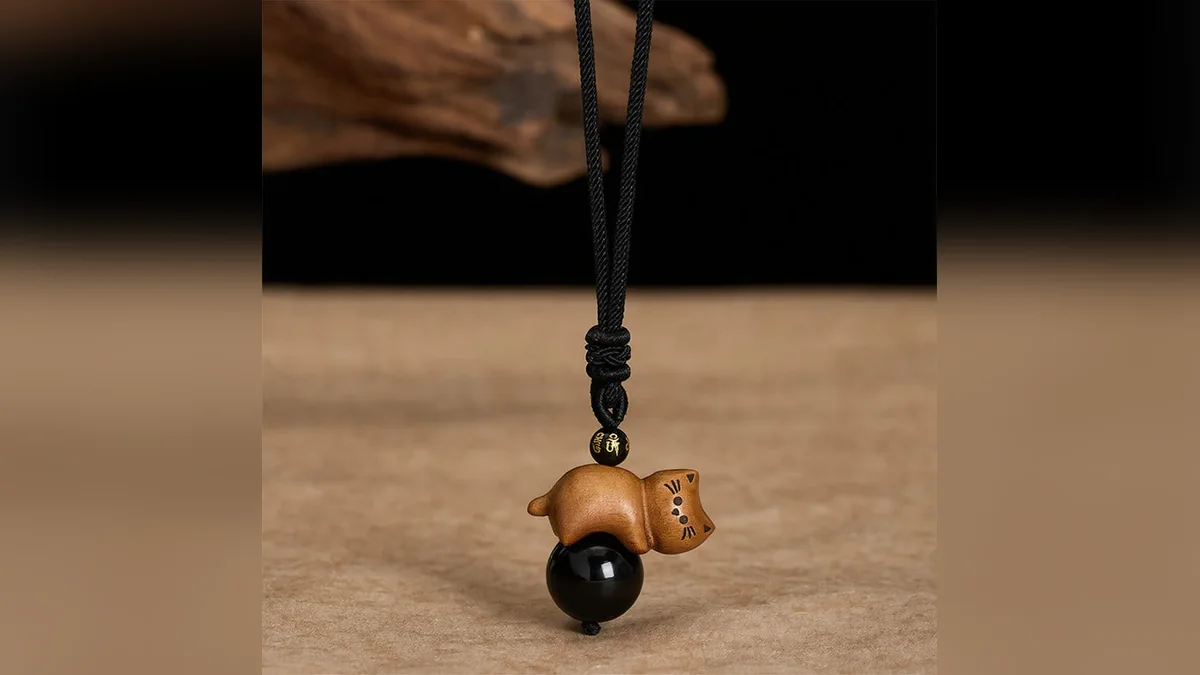
The Sandalwood Cat and Black Obsidian Rope Necklace combines sandalwood, black obsidian, and rope. Its necklace length is Approx. 18 in / 45 cm; the pendant size is Approx. 1.18 × 1.30 in / 3 × 3.3 cm. The bead size is Approx. 0.63 in / 16mm.
Here, the cat design distinguishes the pendant from the money-bag and ingot forms below. The product information allows for variations in color, details, and appearance. It also notes that sandalwood grain and color can vary, a richer patina may develop over time, and water exposure should be avoided.
A money-bag design with several options
The Sandalwood Chinese Coin and Money Bag Accessories page offers green sandalwood, red sandalwood, and sandalwood options, with keychain and phone-hanging choices. The specified size is Approx. 38*29*15mm, and the keychain length is Approx. 10-13cm.
Some options therefore differ in both the named wood and the attachment format. Check those two details together when comparing the choices. The product information says green sandalwood may gradually shift from yellow to green with light exposure, while advising against water and prolonged sun exposure. A changing shade should be considered alongside that material note.
A red sandalwood money bag
The Red Sandalwood Money Bag Keychain comes in Money Bag Tassel and Simple Money Bag options. Its specified materials are red sandalwood, cord, and copper alloy. Size is Approx. 2.5*9cm, with a weight of Approx. 14-16g.
The pouch motif supplies the traditional prosperity reference. The product information describes possible grain and color variation and a patina developing with wear. It also advises avoiding water exposure. Compare the option names to distinguish the tassel version from the simple version.
A yuanbao with simple or tassel options
The Red Sandalwood Yuanbao Keychain offers Simple Yuanbao and Tassel Yuanbao options. Its materials are red sandalwood and rope. The size is Approx. 2.5 cm × 9 cm / 0.9 in × 3.5 in, and its weight is 17 g.
The ingot form gives this design a different silhouette from a gathered pouch. Its wood may vary in color and grain, and the color can deepen over time with wear. Those material variations are separate from the traditional meaning of the yuanbao shape.
Keep the material and the symbol in view
A useful reading begins with visible details: grain across a surface, the curve of a pouch, the raised ends of an ingot, or lettering beside a bead. Then match those observations to the stated materials and selected option. The wood name describes composition; the motif carries a cultural association; the attachment determines how the accessory is used. Reading those details together gives you a clear way to describe a sandalwood object while respecting the traditions represented in its design.
Shop the story
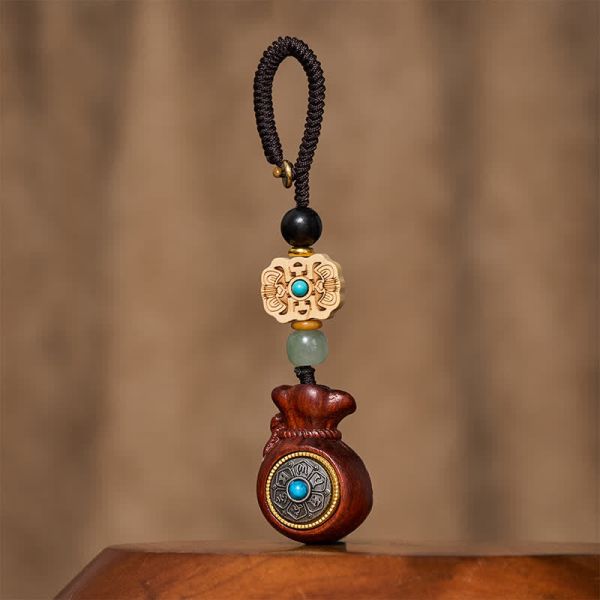 Buddha Stones Red Sandalwood Green Sandalwood Om Mani Padme Hum Blessing Chinese Coin Money Bag Design Serenity KeychainsAs low as $25.59 Regular Price $34.58
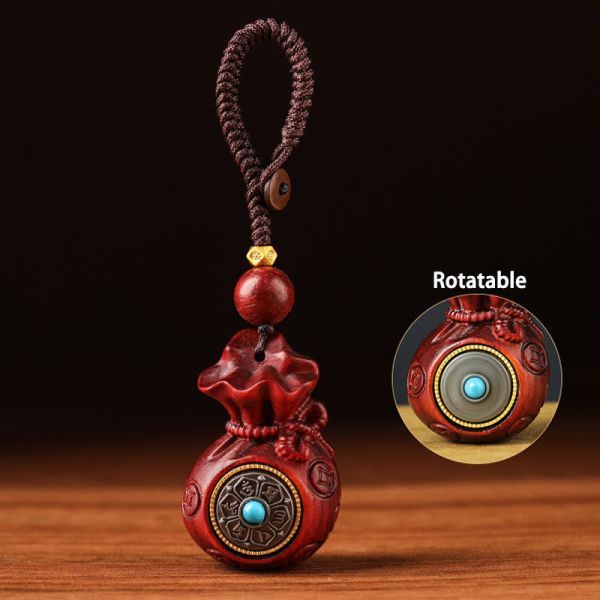 Buddha Stones Red Sandalwood Money Bag Om Mani Padme Hum Wisdom Fortune KeychainsAs low as $25.59 Regular Price $35.54
 Buddha Stones Red Sandalwood Om Mani Padme Hum Yuanbao Wisdom KeychainsAs low as $25.59 Regular Price $36.04