
What Is a Crane? A Visual Guide to Decorative Motifs
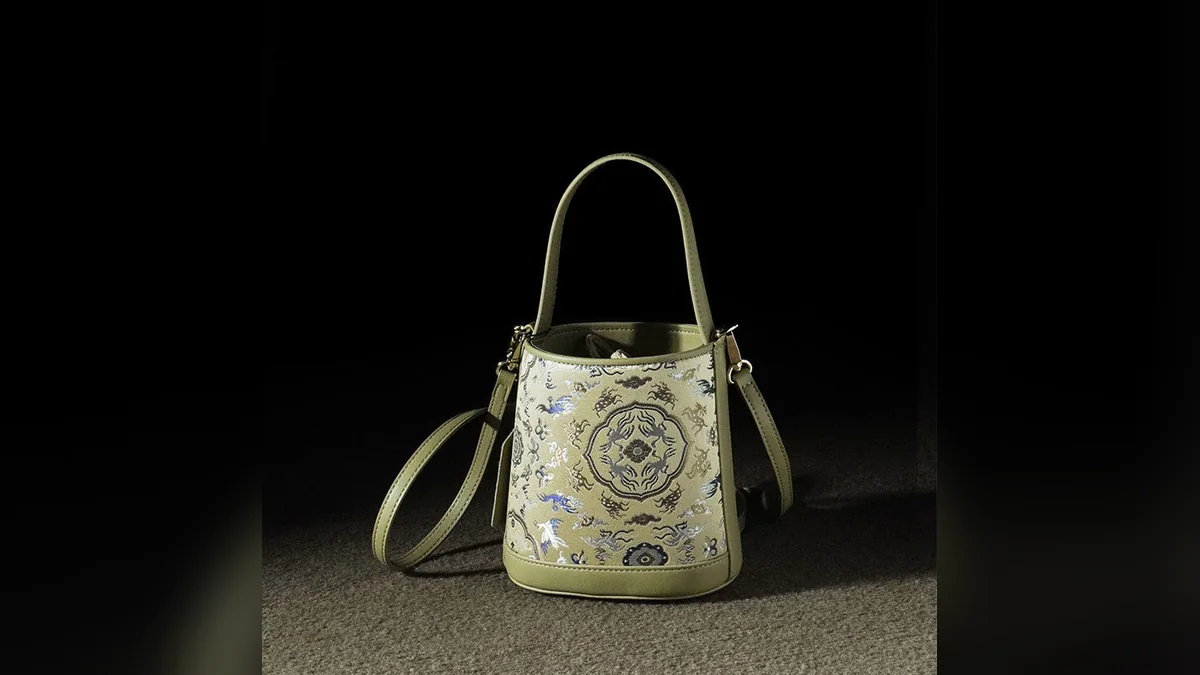
A white bird stretches across a patterned field, its thin legs trailing behind its wings. For readers searching “what is crane,” the decorative motif represents a long-legged bird traditionally associated in Chinese art with longevity and dignity. Associations with luck, wealth, or protection belong to cultural belief; owning the design guarantees none of them. At Buddha Stones, we approach this image through the details you can see: the neck, beak, wing shape, surrounding plants, and neighboring animals. This field guide helps you recognize the bird before interpreting the scene.
How to recognize the motif
Start with the outline. Textile patterns can compress a bird into a few marks, while a larger decorative scene leaves room for feathers and landscape. A useful identification comes from several features together, rather than one isolated detail.
- A long, narrow neck. The neck may curve while the bird stands or extend forward in flight. Follow the line from the shoulder to the head; it should remain distinct from the broad body.
- Thin, extended legs. Standing cranes often show long legs beneath a relatively compact body. In flight, the legs can trail behind. Pattern repeats sometimes hide the feet, so check neighboring repetitions for a clearer view.
- A straight, pointed beak. The beak usually reads as a narrow projection from a small head. Together with the neck and legs, it helps distinguish the crane from short-necked decorative birds.
- Broad wings and restrained tail detail. Open wings may spread into separate feather shapes, but the tail generally lacks the long ornamental sweep associated with a phoenix. Follow where the wing ends before deciding which bird you see.
- Contrasting body markings. White areas with black accents, sometimes accompanied by a red crown, can suggest a red-crowned crane. These colors are helpful clues, but stylized designs may use a completely different palette.
A long neck alone is not enough: herons and other wading birds can share a similar outline. Nor does every crane design include a red mark. When the pattern is simplified, use the product’s option name alongside the visible features. Read “crane” as the intended motif, without assuming the artist has depicted a particular species accurately.
What is crane imagery understood to mean in tradition?
In Chinese decorative traditions, the crane commonly expresses a wish for longevity. Its upright stance also supports associations with dignity and refinement. These are cultural readings of an image, rather than properties of the object carrying it. We describe them as tradition so that the symbolism remains clear without becoming a promise.
The surrounding scene adds context. A crane beside a pine tree often belongs to longevity imagery. Clouds may place it in an imagined celestial setting, while reeds keep the composition close to a waterside landscape. A crane and deer together can form an auspicious animal grouping. You do not need to assign a separate fixed message to every leaf or feather.
Two birds may create a paired composition, but a pair does not establish one universal interpretation. A repeating textile pattern may simply need balanced shapes to fill its surface. Consider the whole arrangement, and allow some details to serve the design without treating them as a coded instruction.
A traditional wish remains a wish. A crane design cannot guarantee that the hopes associated with it will be fulfilled.
Four surfaces where the outline changes
The same bird can look quite different when the available space changes. Use this comparison to decide where to look first.
| Where you see it | How it usually appears |
|---|---|
| Patterned bags and textiles | Birds may repeat between plants or other animals. Seams and folds can interrupt a neck or wing, so follow the pattern across the visible surface. |
| Folding fan leaves | The broad fan shape can hold a standing bird or a flying group. Ribs divide the scene into narrow sections; read across those divisions. |
| Paintings and screens | A larger scene may show the feet, water, and surrounding trees. Those details help separate the bird’s outline from its setting. |
| Small decorative objects | The motif may become a silhouette or a compact emblem. Neck, beak, and leg proportions can be more useful than individual feather details. |
Compare posture before color. A pale crane against a dark background and a dark silhouette against a pale one may share the same recognizable structure. This is especially useful when a design uses colors chosen for the overall pattern.
Crane details on our brocade bags and folding fans
Our product names and option labels help narrow the search. The two bag designs have different sizes and closures, while the fan ranges include options beyond crane imagery. Select the named option carefully when the bird is your main reason for choosing a design.
A drawstring bag with crane and deer motifs
Our Retro Crane Deer Song Brocade Crossbody Bag measures 15*10*16cm. Its materials are mulberry silk, Song Brocade, cow split leather, and metal. It has a drawstring closure and an adjustable strap with a stated length of 105cm. The fabric specification is about 20 Momme. For a visual comparison, use the crane and deer named in the design as separate forms to identify, rather than reading the entire pattern as one animal.
A larger bag with distinct pattern options
The Handmade Flower Crane Deer Butterfly Song Brocade Crossbody Bag comes in Black Butterfly, LightSkyBlue Deer Flowers, and SteelBlue Crane Deer options, at 29*23*12cm. SteelBlue Crane Deer is the relevant option for this guide. Materials are mulberry silk, Song Brocade, top-grain leather, and alloy metal, with about 38 Momme specified. A magnetic clasp closes the bag, and the adjustable strap has a stated length of 100cm. The option names matter here: the broader product name does not mean every option features a crane.
Cloud crane options on a bamboo folding fan
The Vintage Cloud Crane Pattern Handheld Bamboo Folding Fan uses polyester and bamboo. Its folded length is 21cm, and its unfolding size is 38cm. Cloud Crane Beige and Cloud Crane Brown are among its named options. For identification, keep the cloud shapes separate from the bird’s wings; both may curve, but the crane should still resolve into a head, neck, body, and legs. Check the selected option rather than relying only on the range’s title.
Two crane choices within an animal motif range
Our Dragon Phoenix Tiger Crane Eagle Wolf Koi Fish Folding Fan includes Green Bamboo Crane and Reed Crane options. Its materials are cloth fabric and plastic. The folded length is 26cm, the unfolding size is 47cm, and the folded size is 26*3*2cm. These option names provide a starting point for comparing the bird with its surrounding plants. Other named options feature different animals, so choose the crane option when that is the motif you want.
Let the bird’s outline lead
Begin with the neck, locate the beak, and trace the legs before reading the surrounding scene. Then consider the plants, clouds, or companion animals as context. This order makes a dense pattern easier to examine and keeps identification separate from interpretation. The crane’s traditional associations can add meaning to your choice, while the visible design and stated product details give you concrete points to compare.
Shop the story
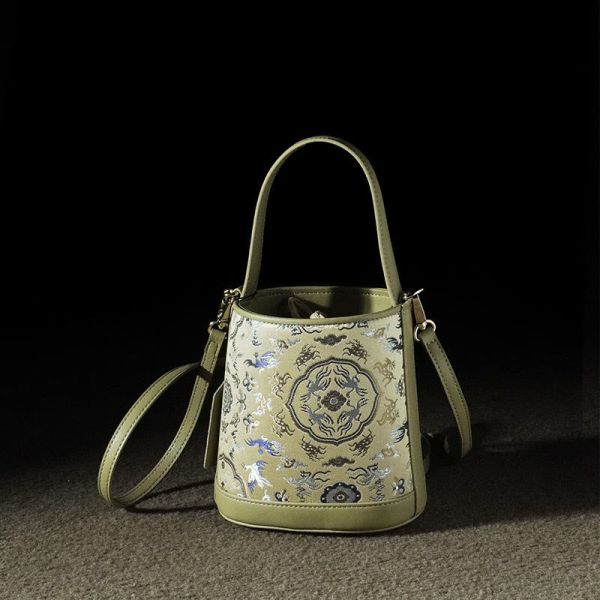 Buddha Stones Retro Crane Deer Song Brocade Crossbody Bag HangbagsSpecial Price $198.59 Regular Price $264.79
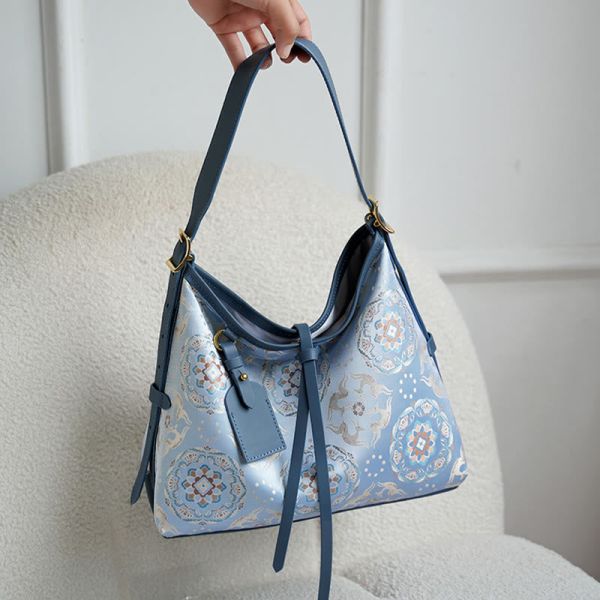 Buddha Stones Handmade Flower Crane Deer Butterfly Song Brocade Crossbody Bag HangbagsAs low as $459.59 Regular Price $629.58
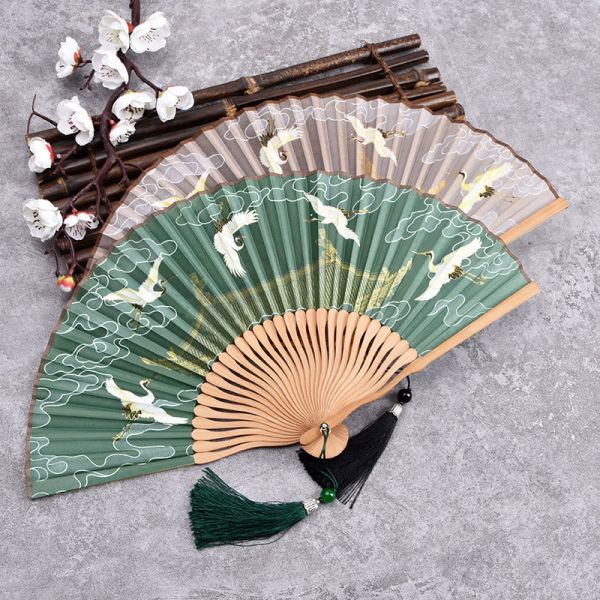 Buddha Stones Vintage Cloud Crane Pattern Handheld Bamboo Folding FanAs low as $18.59 Regular Price $24.79
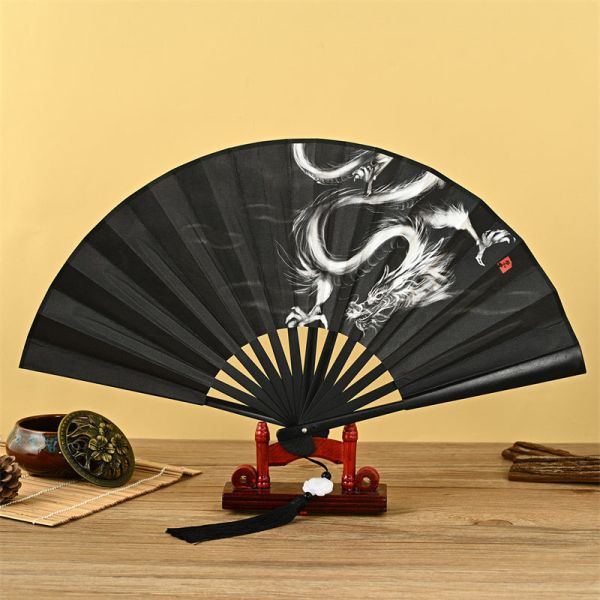 Buddha Stones Dragon Phoenix Tiger Crane Eagle Wolf Koi Fish Handheld Folding Fan Lotus Tassel FanAs low as $15.59 Regular Price $21.96