
What Is Chrysanthemum? A Flower in Art and Daily Life
Tao Yuanming picked chrysanthemums beside an eastern hedge and looked toward distant mountains in a poem about country life. The autumn flower became closely associated with the poet. For readers asking “what is chrysanthemum,” it is a flowering plant known for its many-petaled blooms. In Chinese tradition, it symbolizes longevity, endurance, and dignity. Associations with luck, wealth, or protection belong to cultural belief; those wishes carry no guarantee. Its place in poetry and painting helps explain why the flower still appears on jewelry, textiles, and objects used around the home.
What Is Chrysanthemum? Festivals and Brush Traditions
In Chinese painting, chrysanthemum joins plum blossom, orchid, and bamboo as the Four Gentlemen. These subjects connect plants with seasons and admired qualities. Chrysanthemum belongs to autumn, when many other flowers have faded. Its late flowering made it a fitting subject for endurance. A painter could express that association through a stem and a few blooms, without adding a written explanation. Knowing the convention changes how we read the flower: the petals are decorative, but they can also carry a message about character.
In Chinese brush painting, artists study the flower through repeated strokes, arranging petals around a center and balancing blossoms with leaves. The subject is recognizable across many styles, from spare ink compositions to more detailed color paintings. A chrysanthemum does not need an elaborate setting to carry its seasonal meaning. That ability to remain recognizable in a small space also helps explain its use on cups, fabric, and jewelry.
The flower has a place in the Double Ninth Festival, observed on the ninth day of the ninth lunar month. Chrysanthemum viewing and outings to higher ground are among its traditional customs. The festival is associated with longevity and respect for older people. Here, the bloom belongs to a shared occasion: it marks autumn and accompanies wishes for a long life. These are cultural meanings, rather than promises attached to a flower or an object bearing its image.
Japan also has a longstanding tradition of appreciating chrysanthemums, including seasonal displays and carefully trained flowering plants. A stylized chrysanthemum serves as an imperial emblem. That formal use differs from an autumn blossom painted on a household cup. The same flower can belong to public ceremony, garden practice, or domestic decoration, with its meaning shaped by the setting.
Context matters beyond East Asia, too. Chrysanthemums are associated with remembrance and funerals in some European countries. A gift that suggests an autumn celebration in one place may carry a different association elsewhere. If the flower is intended for a particular occasion, the recipient's customs matter more than a universal list of flower meanings. We describe these traditions separately because there is no single interpretation that fits every chrysanthemum design.
From an Autumn Poem to a Jewelry Motif
Modern jewelry gives the chrysanthemum a smaller surface. A pendant, earring, or bracelet ornament can suggest the flower through petals radiating from a center. Detailed designs may retain the crowded appearance of a full bloom; simpler versions use fewer lines. These are general design approaches, and a floral shape alone does not establish which flower the maker intended.
When choosing a chrysanthemum motif, start with its identification and the information supplied for the particular item. Check the material, dimensions, fastening, and care instructions where available. A symbolic name does not answer those practical questions. Nor does a flower motif establish a connection to Buddhist practice simply because it appears in a store that carries Buddhist objects.
You might choose the flower for its autumn association, its connection with endurance, or its petal pattern. A gift can include a short explanation of the meaning you intend, leaving room for the recipient's own understanding. At Buddha Stones, we treat symbolism as cultural context. It does not establish an object's performance or promise a result for the person wearing it.
The movement from painting to jewelry also changes how the flower is seen. A painted stem can show the season through leaves and surrounding space. A small ornament often relies on the blossom alone. Recognizing that difference helps you appreciate a design without expecting it to reproduce the whole tradition.
Chrysanthemum Products at Buddha Stones
The flower also appears among our incense accessories, bags, and teacups. The options below place it alongside other named motifs, so the selected option matters when choosing a chrysanthemum design.
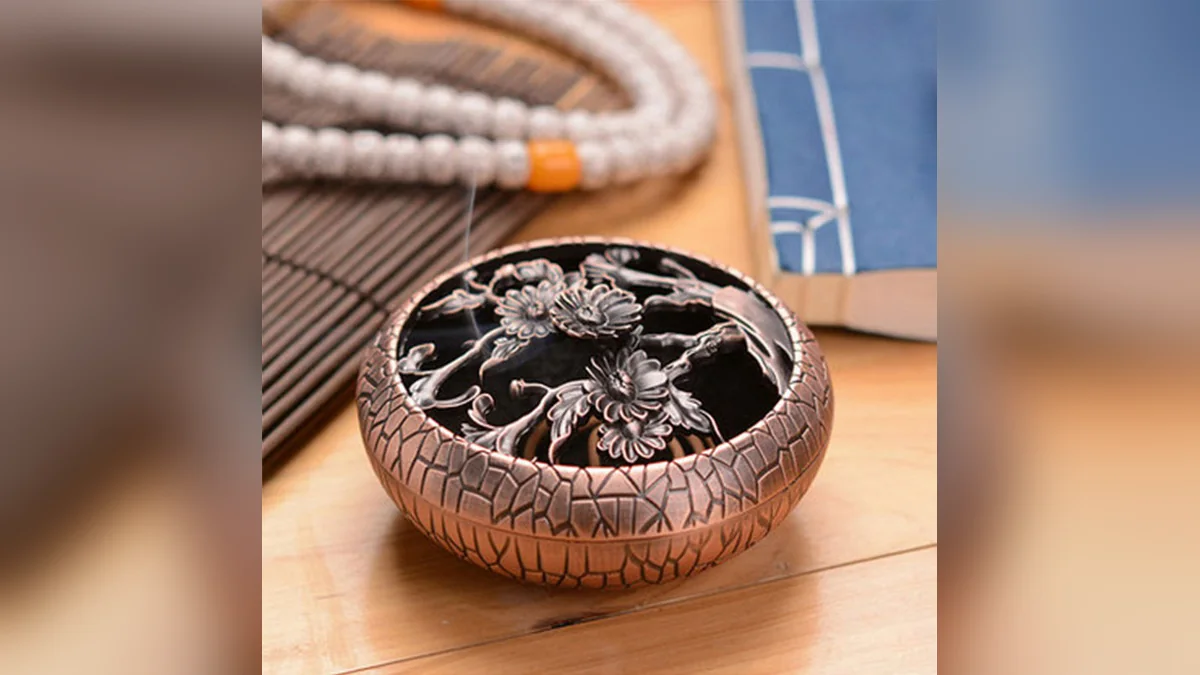
Our Plum Flower, Orchid, and Chrysanthemum Pattern Incense Burner is an alloy decoration, ornament, and incense burner weighing 300g. Its options are Chrysanthemum, Orchid, and Plum Flower. The package contains one incense burner; incense is not supplied. The word “Peace” in its full name expresses a wish, rather than a promised outcome.
The Galsang Embroidery Canvas Shoulder Bag includes a Phoenix Chrysanthemum option among its floral and bird designs. Its materials are canvas fabric and polyester, and its size is 36*9*34cm(Length*Width*Height). It has one main pocket, one interior pouch, a zipper closure, and non-adjustable straps. The bag weighs 245g, and the package contains one bag. The named chrysanthemum option distinguishes it from the peony and camellia options.
Our Vintage Lotus, Peony, Plum Blossom, and Chrysanthemum Ceramic Teacup has four size options: 5.8cm*4cm*65ml, 5.8cm*6.1cm*95ml, 7.5cm*5cm*140ml, and 7.8cm*5cm*120ml. The material is ceramic, with capacities ranging from 65 to 140 milliliters. Use the selected size to distinguish the available capacities; the product name alone does not specify which size has been chosen.
The Vintage Plum, Orchid, Bamboo, and Chrysanthemum Ceramic Kung Fu Teacup offers a Chrysanthemum option at 8.5cm*3.5cm*60ml. This ceramic cup holds 60 milliliters. Other options include bamboo, lotus, and koi fish motifs. Accessories appearing beside the cup in product photographs serve as display items and do not come with the cup.
Chrysanthemum FAQ: Meaning and Tradition
What does chrysanthemum symbolize?
In Chinese tradition, it commonly represents longevity, endurance, and dignity. Its autumn flowering underlies those associations. Other cultures give it different meanings, including remembrance, so the occasion and local customs matter.
Is chrysanthemum a Buddhist symbol?
It has broader cultural uses and is not exclusively Buddhist. Its appearance on jewelry or teaware does not by itself make an item a ritual object. Read the motif in its particular artistic or cultural setting.
Does the flower promise good luck?
No. An auspicious interpretation expresses a traditional hope. A chrysanthemum motif can communicate that intention as a gift or decoration, but it cannot guarantee luck, wealth, protection, or any other result.
Shop the story
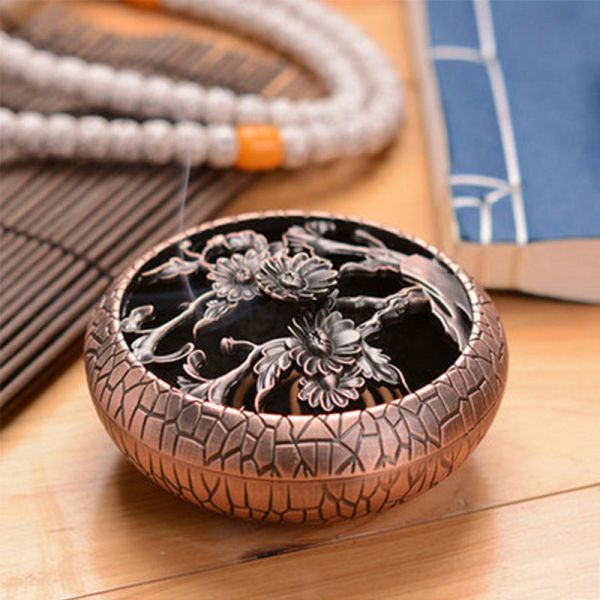 Plum Flower Orchid Chrysanthemum Pattern Peace Incense Burner DecorationAs low as $50.59 Regular Price $70.26
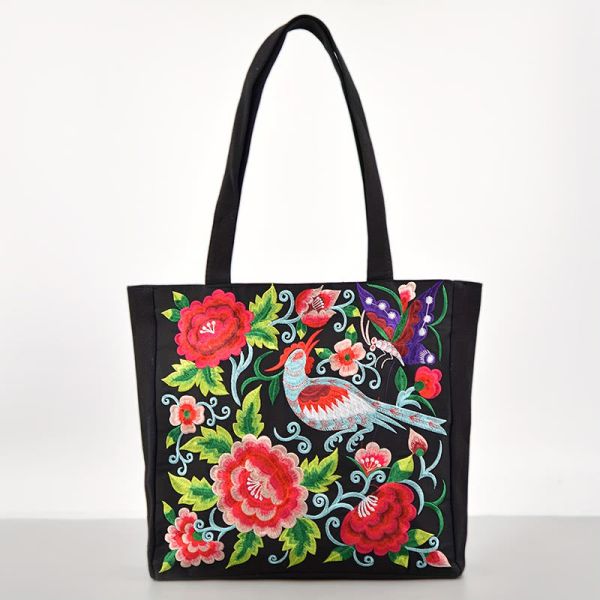 Buddha Stones Galsang Magpie Peony Camellia Chrysanthemum Embroidery Canvas Shopping Purse Handbag Shoulder BagAs low as $23.59 Regular Price $32.32
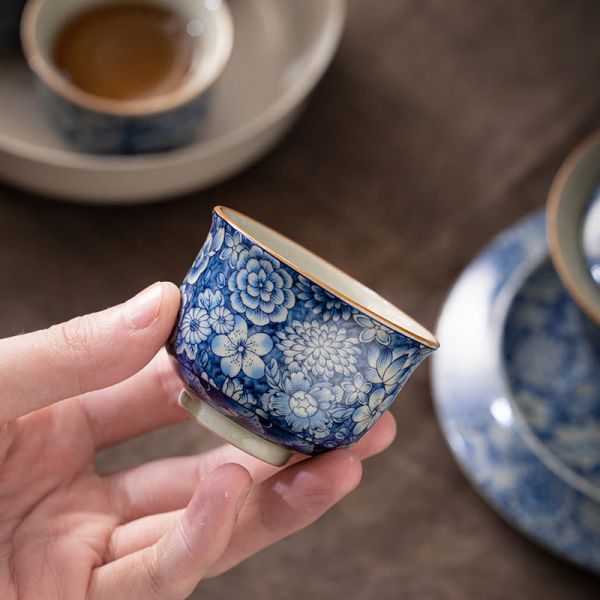 Buddha Stones Vintage Lotus Peony Plum Blossom Chrysanthemum Ceramic Teacup Tea CupsAs low as $21.59 Regular Price $29.58
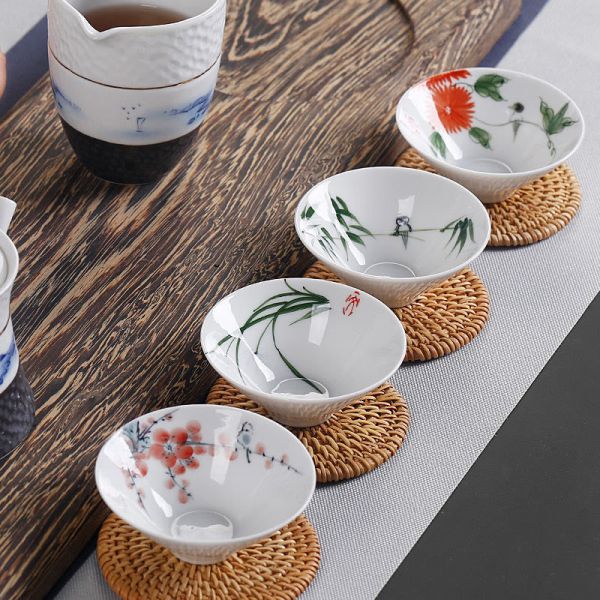 Buddha Stones Vintage Plum Orchid Bamboo Chrysanthemum Lotus Koi Fish Ceramic Teacup Kung Fu Tea CupsAs low as $21.59 Regular Price $30.41