
Chinese Wedding Jewelry: A Care and Storage Manual
Bracelet clasps often collect traces of lotion after a wedding. Chinese wedding jewelry includes the rings, bracelets, necklaces, earrings, and other ornaments worn or exchanged for a Chinese wedding. This manual explains how to inspect them, remove surface residue cautiously, manage outfit changes, and put them away afterward. A wedding occasion does not make different metals, stones, pearls, and cords suitable for the same cleaning treatment.
Tools and materials for Chinese wedding jewelry care
Prepare a clear work surface before opening a clasp or taking off an earring. Cover it with a clean, smooth cloth so loose parts are easier to see. Work away from an open sink, where a backing or ring could disappear down the drain.
- A clean, soft, lint-free cloth for gently lifting surface marks.
- A shallow tray to keep jewelry together during inspection.
- Individual pouches or a divided jewelry case for transport and storage.
- A second dry cloth for handling a piece without adding fresh fingerprints.
- The original care instructions, if available, especially for mixed-material jewelry.
Keep cleaning liquids out of the setup until you know what the piece contains. A metal setting may surround a delicate stone, and a clasp may connect to cord or adhesive. If identification is uncertain, limit home care to a gentle dry wipe and ask a jeweler about further cleaning.
A step-by-step routine around the ceremony
- Inspect before dressing. Open and close clasps over the cloth-covered surface. Look for bent hooks, missing earring backs, loose settings, gaps between components, and frayed stringing. Do not tug on a necklace to test its strength. Put anything questionable aside for repair before deciding what to wear.
- Remove loose surface residue. Support the piece in your hand or on the cloth. Wipe exposed surfaces lightly with a clean section of cloth. Move around raised settings instead of pushing into them. Stop if threads catch, a stone moves, or a surface coating appears to lift.
- Follow the material-specific directions. Use a cleaner only when its instructions and the jewelry’s care guidance agree. Do not assume a treatment for solid metal suits plated surfaces, pearls, porous stones, or a piece assembled with adhesive. When instructions conflict, leave further treatment to a jeweler.
- Put jewelry on after preparing your outfit. Allow applied cosmetics and fragrance to dry before adding jewelry. Fasten necklaces with chains lying freely rather than twisted around clothing. Check that earrings, pendants, and bracelet catches do not catch on lace, embroidery, or bag straps.
- Plan removal during outfit changes. Place a jewelry case within reach before changing clothes. Remove anything likely to snag before pulling fabric over your head or arms. Lay necklaces separately and fasten their clasps when practical to help limit tangling. Keep earring pairs and their backs together.
- Pack for the trip home. Return removed pieces to separate compartments or pouches. Place the case inside your bag without forcing the bag shut. Keep keys and loose metal objects outside the jewelry compartments. Check that a chain has not slipped across the case edge before closing it.
- Complete the after-wear check. Wipe accessible surfaces gently, then inspect clasps and settings again. Let any damp piece dry fully according to its care instructions before enclosing it. Store necklaces without tight bends and keep a short written note of repairs that need attention.
For borrowed or family jewelry, agree on handling instructions before the event. Ask which components have been repaired and whether the owner has specific storage preferences. A photograph of the fastening can also provide a useful reference when several similar pieces are being returned.
What not to do at the cleaning tray
Do not soak an unidentified piece. Water tolerance depends on more than the main stone or visible metal. String, glue, finishes, and hidden fittings also matter. Avoid using a kitchen recipe as a universal jewelry cleaner.
Do not scrub with toothpaste, abrasive powders, or a stiff brush. Do not polish every surface simply because one section looks dull; textured and intentionally darkened details may be part of the design. Avoid steam and ultrasonic equipment unless a jeweler confirms that the complete piece can tolerate that method.
Keep cleaning work separate from the wedding bag. Our bag care directions prohibit soaking. Empty the bag before checking its interior, blot fresh surface moisture gently without rubbing the embroidery, and seek suitable textile-care advice for a persistent mark. Do not apply jewelry polish to the fabric or use heat to hurry drying.
When a piece needs repair, replacement, or retirement
Pause wear when a clasp opens unexpectedly, an earring post bends, a setting shifts, or stringing shows visible fraying. A missing component can make continued use more likely to result in loss. Keep the piece and any detached parts together in a closed container until a jeweler can inspect them.
Repair may be appropriate for a damaged fastening or worn stringing. Replacement may make more sense for an ordinary component that cannot be repaired reliably. Ask about compatibility before fitting a new clasp or earring back yourself.
Retirement can mean keeping an heirloom for display or occasional handling instead of wearing it through a busy ceremony. Record what is damaged and store it separately from pieces ready to wear. For a bag, stop carrying valuables if its closure no longer holds or a strap attachment begins to loosen.
Our floral bags for wedding-day essentials
These accessories accompany an outfit; use a separate jewelry case inside your chosen bag when carrying removed ornaments. Exterior dimensions do not establish usable interior space, so check the fit without pressing against the closure.
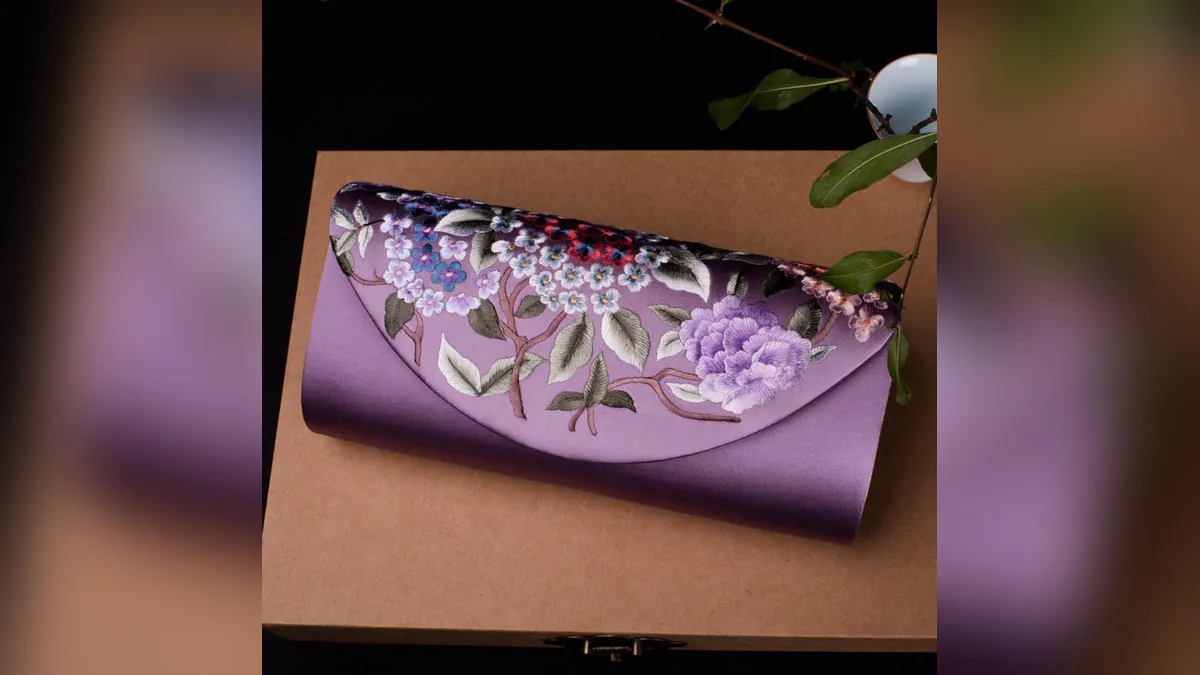
Hydrangea Su Embroidery bag
Our Buddha Stones Hydrangea Su Embroidery wedding bag is polyester and measures 24*5.5*11cm (Length*Width*Height). It has one main pocket and a metal magnet buckle. Color options include Black, Champagne, Deep Red, Gray, and Light Blue, with Hydrangea in the option names.
Magnolia Su Embroidery bag
The Buddha Stones Magnolia Su Embroidery wedding bag has polyester construction. Its specification dimensions are 24*5.5*12cm and 28*8*14cm (Length*Width*Height). Some options are labeled Medium and others Large. Choose by the selected option, then check your intended contents against that size.
Peony Tulip Su Embroidery bag
The Buddha Stones Peony Tulip Su Embroidery wedding bag measures 24*5.5*11cm (Length*Width*Height) and uses polyester. Options include Chinese Red (Peony), Champagne (Tulip), and Gold (Tulip). Its strap specification gives a 120cm metal strap and a 60cm pearl strap.
Plum Bossom Tulip Su Embroidery bag
Our Buddha Stones Plum Bossom Tulip Su Embroidery wedding bag is polyester, with dimensions of 24*5.5*11cm (Length*Width*Height). One main pocket and a metal magnet buckle are specified. The package contains one bag and a box; the stated weight of about 800g includes the box.
Leave the next wearing ready
Finish by separating pieces ready to wear from those awaiting repair. Keep care instructions with the appropriate jewelry, and empty the wedding bag before putting it away. A checked clasp, an untangled chain, and a clearly labeled repair container make the next occasion easier to prepare for.
Shop the story
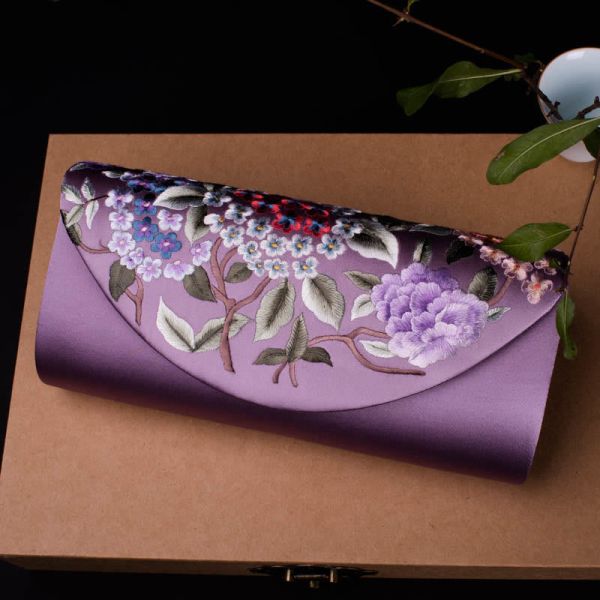 Buddha Stones Hydrangea Su Embroidery Wedding Shopping Wallet Purse Handbag Crossbody BagAs low as $147.59 Regular Price $204.99
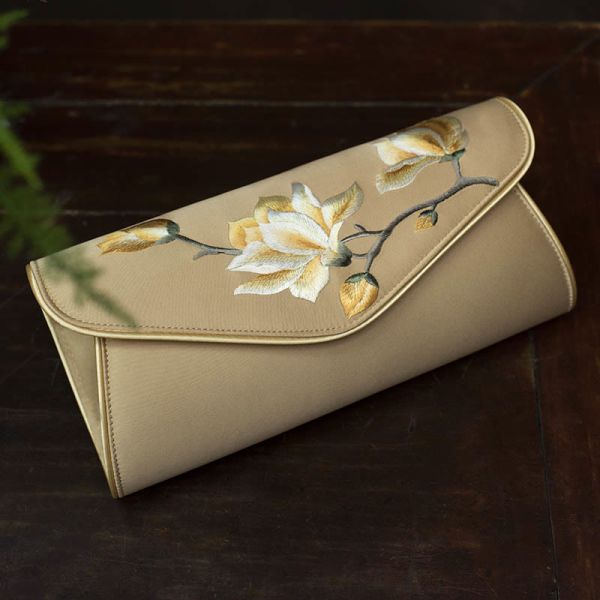 Buddha Stones Magnolia Su Embroidery Wedding Shopping Purse Handbag Crossbody BagAs low as $181.59 Regular Price $242.12
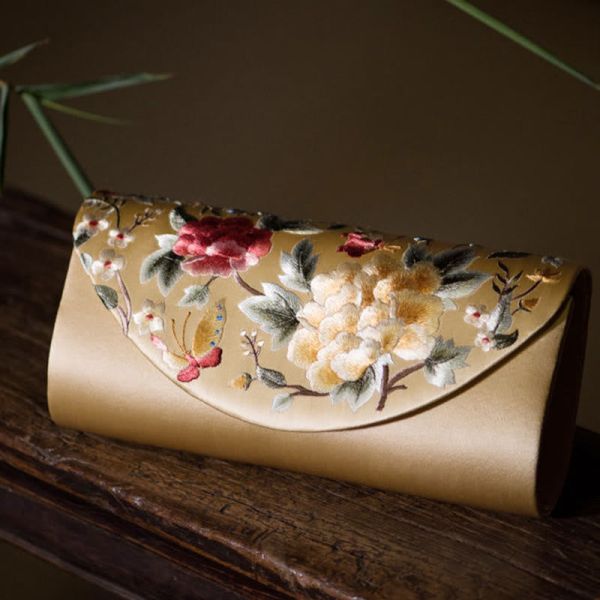 Buddha Stones Peony Tulip Su Embroidery Wedding Shopping Purse Handbag Crossbody BagAs low as $147.59 Regular Price $207.87
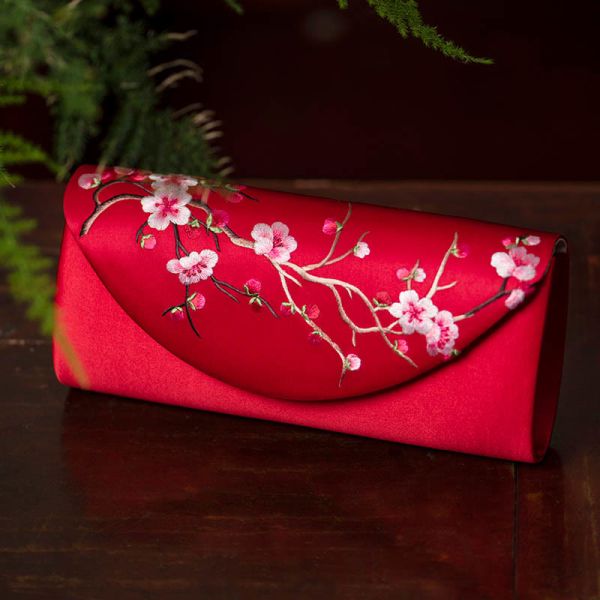 Buddha Stones Plum Bossom Tulip Su Embroidery Wedding Shopping Purse Handbag Crossbody BagSpecial Price $154.59 Regular Price $208.91