
Wall Hanging Decor Guide: Plan, Position, and Mount
Above an entry console, a wall hanging gives the open wall a clear focal point while leaving the surface available for daily essentials. Its placement needs to work with the furniture, nearby doors, and the way the room is used. This wall hanging decor guide walks through choosing a location, checking proportions, and mounting securely. In Buddhist display traditions, sacred images generally receive a clean, elevated position out of respect. Decorative animal motifs can be arranged as ordinary wall art; their symbolism does not establish a required compass direction.
Step 1: Give one wall a clear purpose
Start by deciding what the hanging should relate to: an entry console, a seating area, or a small display shelf. Choose a wall visible from the place where you normally enter or sit. Check that an opening door, coat hook, or tall cabinet will not cover the design or strike it.
Keep the surrounding arrangement simple enough that its purpose remains clear. A wall above everyday storage can support a decorative focal piece. If you display an image regarded as sacred in your tradition, follow that tradition’s expectations for respectful placement. An elephant motif alone does not identify an artwork as a Buddhist religious image.
Step 2: Use this wall hanging decor guide to check scale
Measure the usable wall area and the furniture beneath it. Then compare those measurements with the dimensions of the specific size option you intend to order. Read the full dimensions, including thickness, rather than judging scale from a product photograph.
Make a paper rectangle matching the proposed width and height, and attach it temporarily with a method suitable for your wall finish. The rectangle shows the outer footprint, even when the actual artwork has open spaces. View it from the doorway and your usual seat. If it crowds a shelf or looks disconnected from the console below, change the size or location before making holes.
For a group of hangings, lay out the entire arrangement on paper first. Include the gaps between pieces in the total width.
Step 3: Set the height around furniture and use
Choose the hanging’s position in relation to what sits below it. Above a console, leave room for the objects you actually need there. Above seating, account for people sitting down, standing up, and reaching behind the furniture. Avoid a position where someone could regularly brush against the piece.
Mark the proposed center lightly, then check the outline with a level. Furniture, ceiling lines, and nearby frames can make a level piece appear misplaced, so assess the whole wall before committing. A centered arrangement usually refers to the furniture beneath it, although an intentionally offset layout can suit an uneven wall.
For a tea corner, keep wall art clear of splashes and rising steam. Let the tabletop remain usable for pouring and setting down cups.
Step 4: Match the mounting method to the wall
Identify the wall construction before choosing fasteners. Drywall, plaster, masonry, and wood require different approaches. Choose hardware rated for the actual weight of the hanging and compatible with both the wall and the artwork’s attachment points. Thickness alone does not tell you how much a piece weighs.
Our supplied product specifications do not identify mounting hardware or product weight for the wall decorations below. Confirm those details before installation. Follow the fastener manufacturer’s directions, including any restrictions on wall surfaces or overhead placement.
Check for concealed wiring and pipes before drilling. If you cannot establish a suitable fixing location, ask a qualified installer. Adhesive hooks also have surface and load limits; do not select them solely because a decoration looks thin.
Step 5: Hang, inspect, and keep the area accessible
Once the supports are installed, place the hanging on its intended attachment points and check that it sits securely. Use a level again, then remove temporary layout marks. Keep hands supported around the piece while checking its position, and avoid pulling on decorative details.
Review nearby movement: open the door fully, move a chair, and check access to switches. Keep loose straps and frequently handled accessories away from the artwork. For routine dust removal, use a dry, gentle method appropriate to the surface and follow any product care instructions. Avoid assuming that an indoor decoration can tolerate outdoor exposure, steam, or cleaning sprays.
Common mistakes to catch before installation
- Choosing from a close-up photo: compare the selected dimensions with a paper outline on your own wall.
- Buying fasteners before checking weight: establish the load and wall construction first.
- Filling every gap: leave visible wall around the hanging so nearby objects do not obscure its outline.
- Treating symbolic placement as a promise: traditional associations do not guarantee luck or another result.
- Mixing storage with display supports: give bags their own suitable storage rather than adding them to the artwork’s mounting points.
Products for the wall and the console below
At Buddha Stones, we distinguish wall decorations from the everyday accessories that might be stored nearby. Choose the artwork for its footprint and motif, then organize the console separately.
The Lucky Elephant Feather Flower Pattern Iron Metal Wall Decor is iron wall art. One size option is Approx. 25cm x 24.70cm x 0.1cm / 9.84in x 9.72in x 0.04in. The package contains one wall art piece. “Lucky” in its name expresses a traditional wish, with no promised result.
The Minimalist Elephant Head Line Design Iron Metal Wall Decor is also made of iron. Its options include Approx. 20.97cm x 25cm x 0.1cm / 8.26in x 9.84in x 0.04in. Use that taller footprint when testing a narrow wall area. One wall art piece is included.
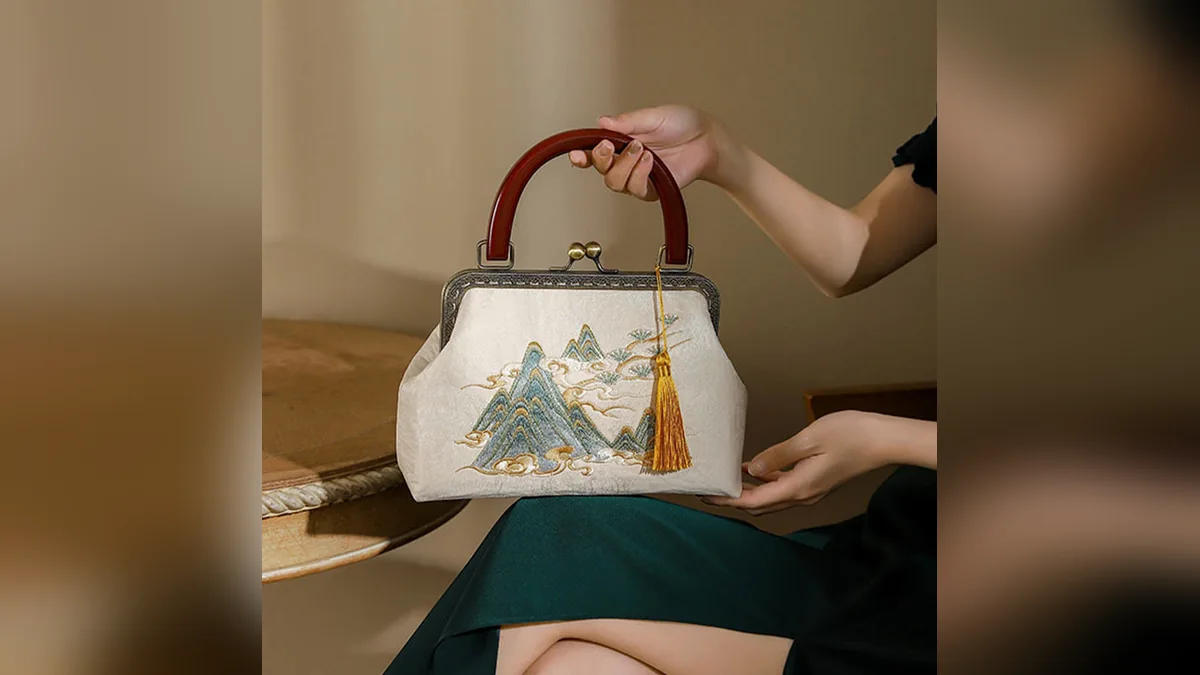
For nearby storage, the Landscape Painting Jacquard Handbag Crossbody Bag uses jacquard fabric, polyester, and wood. It has a buckle closure, one main pocket, and one interior pocket. Keep it on a suitable shelf or dedicated bag support, allowing the wall arrangement its own space.
The cotton Kitten Paw Print Pattern Snap Button Wallet has a snap button closure, a detachable strap or handle, and an open interior. Its size is Approx. 13 cm × 10 cm / 5.12 in × 3.94 in. Options include individual kitten patterns and a two-piece wallet option; check the selected option when organizing console storage.
FAQ: Finishing your wall arrangement
Does elephant wall art need to face the entrance?
There is no universal direction for decorative elephant wall art. Placement customs vary. If you follow a particular household tradition, use it as a cultural preference while keeping the hanging secure and clear of moving doors.
Can I hang a piece without drilling?
Possibly, if a mounting system suits the wall surface, attachment points, and verified weight. Follow its instructions. When those details are unavailable, resolve them before choosing adhesive supports or another method.
How can I tell whether the wall looks too crowded?
View the paper layout from the doorway and the main seating position. Check whether the artwork’s outline remains distinct from lamps, shelves, and doorframes. Remove one nearby object or widen the spacing, then reassess before installing the supports.
Shop the story
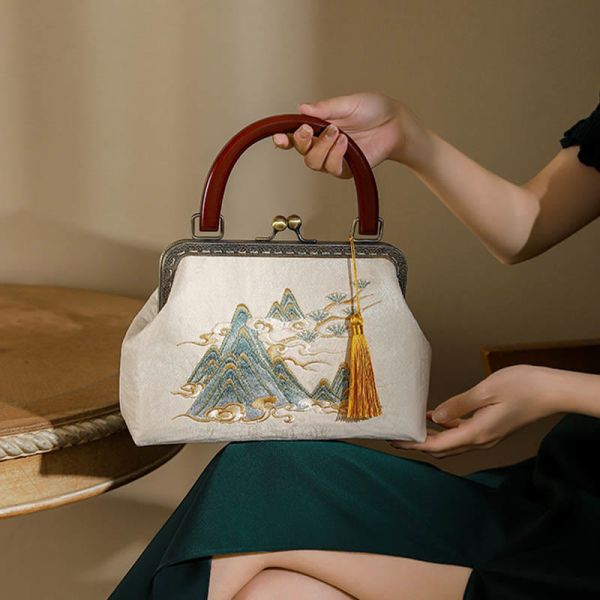 Buddha Stones Landscape Painting Jacquard Handbag Crossbody BagSpecial Price $59.59 Regular Price $79.45
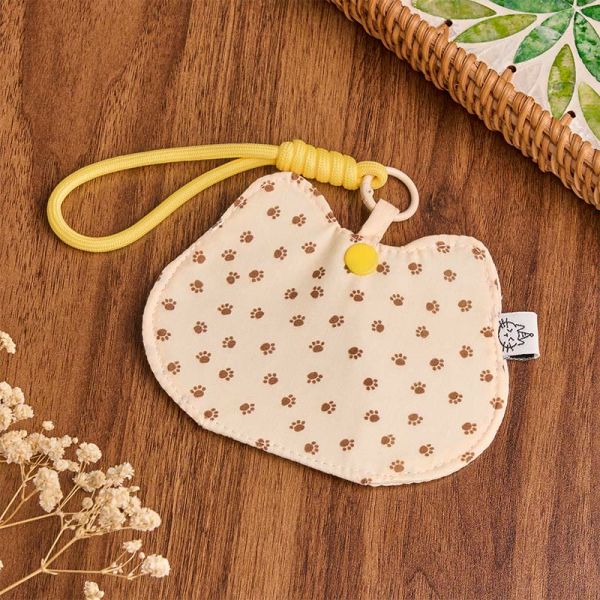 Buddha Stones Yellow White Kitten Paw Print Pattern Cute Snap Button WalletAs low as $15.59 Regular Price $21.36
 Buddha Stones Lucky Elephant Feather Flower Pattern Iron Metal Wall DecorAs low as $25.59 Regular Price $35.05
 Buddha Stones Minimalist Elephant Head Line Design Iron Metal Wall DecorAs low as $28.59 Regular Price $40.27