Turtle Care Tips for Beads, Cord, and Metal Details
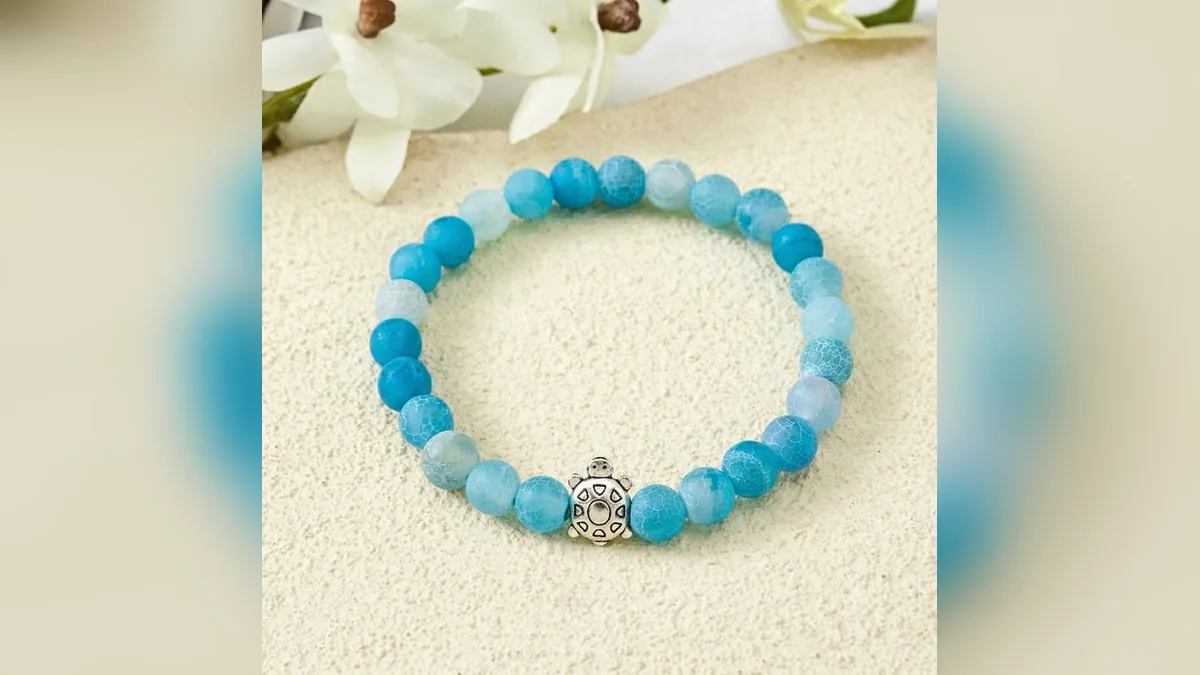
Dust can collect beside a turtle charm while the beads still look clean. Our turtle care tips cover jewelry: how to remove surface dirt, handle elastic or adjustable cord, check for wear, and decide when a bracelet needs repair. Start with dry cleaning, use very little water only where needed, and inspect the string before putting the piece back on.
A bracelet combines parts that need different attention. Stone beads, copper alloy details, and string should be checked separately. A clean bead does not tell you whether the cord is sound, so include both appearance and construction in your routine.
Tools and materials for a gentle cleanup
Prepare a clear work area before removing the bracelet. A folded towel keeps beads from knocking against a hard tabletop and makes small loose parts easier to notice. Work away from an open sink or a table edge.
- A clean, soft, lint-free cloth for wiping beads and metal.
- A second dry cloth for removing remaining moisture.
- A small amount of lukewarm water for lightly dampening a cloth when dry wiping is insufficient.
- A soft pouch or lined compartment for storage after the bracelet is dry.
Keep the cloth free of grit, which can drag across a surface as you wipe. You do not need a polishing compound for routine care. If a mark resists gentle wiping, stop and ask a jewelry repair professional about the particular material before choosing a stronger cleaner.
Turtle care tips: a step-by-step bracelet routine
- Check before you clean. Lay the bracelet on the towel. Look at the cord between beads, around the turtle detail, and beside any knot. Check for loose components, chipped edges, or thread that looks thinner than neighboring sections. Stop handling a damaged section until you can arrange repair.
- Remove loose dust first. Support one bead or metal detail at a time and wipe gently with the dry cloth. Turn the bracelet gradually, keeping the string relaxed. Use the folded edge of the cloth around accessible details; do not push a pointed tool into gaps.
- Address remaining surface dirt locally. Lightly dampen a clean corner of the cloth and squeeze out excess water. Wipe only the affected accessible surface. Keep moisture away from bead holes, knots, and cord as far as practical. Do not immerse the bracelet or run it under a faucet.
- Dry before putting it away. Blot damp areas with the second cloth. Leave the bracelet on the towel in a ventilated place, away from direct heat, until dry. If the string became wet, allow it to dry fully before enclosing the piece in a pouch.
- Put it on without unnecessary tension. For elastic string, gently roll the bracelet over your hand instead of pulling one side outward. For adjustable cord, loosen the opening before passing your hand through, then adjust gently. Stop if the cord catches; pulling harder can worsen a snag.
- Check the fit and store thoughtfully. The bracelet should sit without requiring force to put on or remove. Take it off before washing, swimming, or tasks likely to catch the string. After removal, lay it flat in its own pouch or compartment so another item cannot hook the cord.
Use a brief visual check whenever you put the bracelet on. A fuller cleanup is useful when visible dirt appears or after accidental contact with a substance. Repeated wet cleaning on a fixed schedule adds handling even when the piece is already clean.
What to avoid around stone, metal, and string
Do not use bleach, household sprays, toothpaste, or abrasive pads. Avoid applying metal polish to a mixed-material bracelet without specific guidance: a product intended for metal may also touch the stone and string. Apply cosmetics and fragrance before putting jewelry on, and let those products dry first.
Skip steam and ultrasonic cleaning unless a qualified professional has assessed the complete bracelet. Material names alone do not establish the suitability of those methods. Do not use a hair dryer, radiator, or hot windowsill to speed drying.
Never pull the turtle detail to stretch the bracelet or tighten an adjustable cord. Avoid twisting the string to reach a hidden mark. If dirt remains in a tight opening, leave it for professional attention rather than prying the components apart.
When to replace the string or retire a piece
Arrange repair when elastic stays stretched, a cord begins to fray, a knot slips, or a component becomes loose. Stop wearing a bracelet with a sharp chip or broken metal detail. Keep loose parts together in a closed container so they can be assessed without further loss.
A change in surface color alone does not tell you whether replacement is necessary. Compare it with the bracelet’s earlier appearance and check for roughness, cracks, or loose connections. Natural material variations described on our product pages should not be confused with newly developed damage.
If you want to keep the original beads or turtle detail, ask a repair professional whether restringing is practical. Retire the bracelet from wear if damaged parts cannot be secured. You may keep it as a personal object in a small box; there is no need to continue wearing an unreliable string.
Four turtle bracelets and their care checkpoints
Our Blue Crackle Agate Turtle Bracelet combines blue crackle agate and copper alloy with premium elastic string. Its beads measure 8 mm. Wrist circumference: Approx. 5.9–6.3 in (15–16 cm). Include the elastic between the beads in your inspection, along with the bead surfaces.
The Green Agate and Green Aventurine Turtle Bracelet uses premium elastic string with green agate, green aventurine, and copper alloy. Bead sizes are 8mm Green Agate and 8mm Green Aventurine; wrist circumference is 5.9–6.3 in (15–16 cm). Support the bracelet while wiping so the cleaning motion does not stretch the string.
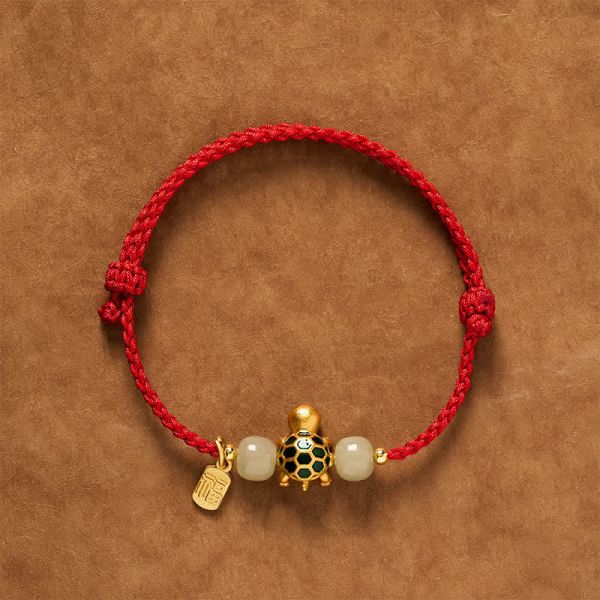
Our Hetian Jade Fu Character Turtle Bracelet has adjustable cord and materials of red string, Hetian jade, and copper alloy. Green and Red options are offered; wrist circumference is 5.5–7.1 in (14-18 cm). Check the adjustable section for fraying and loosen it gently before removal.
The Jade Fu Character Turtle Red String Bracelet uses adjustable cord, red string, jade, and copper alloy. Its wrist circumference is 6.3–7.1 in (16-18 cm). Check that size separately from the Hetian jade version when choosing a fit. Success and Luck in the full product names express traditional wishes. A bracelet cannot ensure luck or success.
Make inspection part of putting jewelry away
Keep the routine small: check the string, wipe visible dirt gently, dry any damp areas, and give the bracelet a separate storage space. If something catches, loosens, or changes suddenly, pause wearing it and inspect the affected part. Care is most useful when it helps you notice a repair before a component comes free.
Shop the story
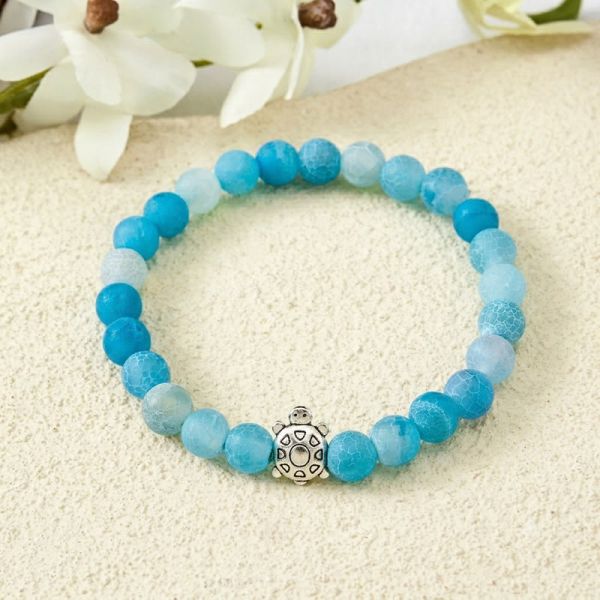 Buddha Stones Blue Crackle Agate Turtle Calm Beaded BraceletSpecial Price $25.59 Regular Price $34.12
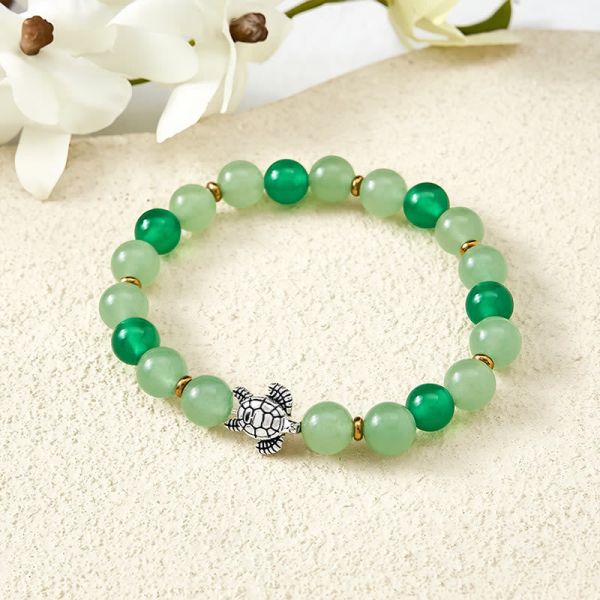 Buddha Stones Natural Green Agate Green Aventurine Turtle Design Success Beaded BraceletSpecial Price $25.59 Regular Price $35.54
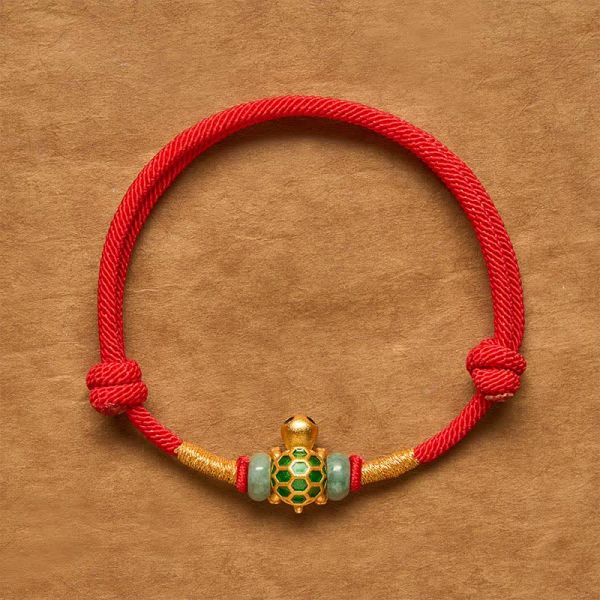 Buddha Stones Copper Turtle Jade Fu Character Luck Red String BraceletSpecial Price $25.59 Regular Price $35.05