
Travel Altar Guide: Pack and Set Up a Small Kit
A folded cloth gives your travel altar a defined place to sit. This travel altar guide explains how to choose a few practice objects, pack them for transport, arrange them on a temporary surface, and put them away between stops. At Buddha Stones, we suggest starting with the practice you intend to continue while away. Let that decide what goes into your bag, rather than trying to reproduce a larger arrangement.
Your kit can stay modest. A cloth, a familiar image, and a prayer text may be enough for the practice you follow.
1. Travel altar guide essentials: choose a short packing list
Write down what you plan to do at the altar: read a passage, recite a prayer, or make an offering according to your tradition. Then identify which objects that activity actually requires. Separate required items from optional additions before choosing a carrying bag.
Use these groups to make your first list:
- Base: a clean cloth that defines the temporary arrangement.
- Reference: an image or practice text you already use.
- Practice object: a mala or another object required by your established routine.
- Packing supplies: separate wraps or containers suited to the objects.
There is no single packing list for every Buddhist tradition. Follow any guidance you have received about handling sacred images, texts, or ritual implements. Leave optional objects at home when their size or care requirements make transport impractical.
2. Lay out the kit before selecting a bag
Arrange your chosen objects on the cloth, then fold and wrap them as they will travel. Judge the packed bundle rather than the open display. A bag needs room for the wrapping as well as its contents, and its opening must let you remove objects without pulling against them.
Keep rigid objects from pressing directly against paper images or texts. Use a firm folder for loose paper and separate wrapping around objects that could knock together. Keep liquids in a separate, closed container if your practice requires them, and empty offering vessels before packing.
Compare the bundle with the stated bag dimensions. A two-dimensional size does not establish the depth or usable interior capacity. Do not assume that a small statue or bowl will fit from its height alone; account for its width, base, wrapping, and the bag opening.
3. Pack in the order you will unpack
Place the altar cloth where you can reach it first. You can then spread it on a suitable surface before removing the remaining objects. Keep the practice text accessible too, particularly if you will read from it while the rest of the kit stays packed.
Give loose accessories a separate pouch or compartment so they do not scatter through the bag. Keep keys, pens, toiletries, and food outside the altar bundle. If the same bag carries ordinary travel items, establish a clear division between those items and your wrapped practice objects.
Close the packed bag and check that nothing protrudes or forces the closure. Lift it gently over a clear surface and listen for objects knocking together. If you hear movement, reopen it and adjust the wrapping or placement. Do not solve a crowded fit by pressing the contents down.
4. Set up on a suitable temporary surface
Choose a clean, stable surface away from a table edge, spilled drinks, and frequently handled luggage. Leave enough space to open your text and remove objects without stacking them precariously. In shared accommodation, agree on the space you will use before spreading out the kit.
Lay down the cloth and arrange the image, text, and practice objects according to your tradition. Keep the arrangement small enough that you can put it away when the surface is needed for another purpose. Leave frequently used travel belongings elsewhere so you do not repeatedly reach across the altar.
Plan a version of your routine that does not require flame or smoke. Read or recite from your text as appropriate to your practice, and avoid adding unfamiliar ritual steps simply because you are away from home. Ask your teacher about adaptations when your usual routine requires specific implements.
5. Close the arrangement and repack deliberately
Finish your practice according to your usual instructions before beginning to pack. Check that offering vessels are empty and dry. Fold the cloth only after removing the other objects, keeping loose threads or folds from catching on small details.
Rewrap items individually and return them to the same places in the bag. A repeatable order makes the final inventory straightforward: image, text, practice object, cloth, and any separate accessories. Adjust that checklist to match your actual kit.
Inspect the surface and nearby floor before leaving the room. Check under the cloth for small objects and look inside any drawer used during your stay. If something is damp, allow it to dry before enclosing it for transport. Avoid packing wet fabric against paper or other objects.
Mistakes to avoid when carrying a temporary altar
- Choosing the bag first. Decide what your practice requires, prepare the wrapped bundle, and then compare dimensions.
- Counting pockets as cushioning. A pocket organizes contents; provide separate wrapping wherever objects could strike one another.
- Packing a full display. Extra objects add handling steps and take up space. Include them only when you have a clear use for them.
- Leaving loose paper against rigid objects. Give images and texts their own flat storage so corners do not catch during unpacking.
- Assuming embroidered imagery determines ritual use. Choose a bag for its stated construction and your packing needs. Follow your tradition for the altar itself.
- Rushing the final check. Use the same inventory before departure, even when you have only opened part of the kit.
Four Buddha Stones bags: dimensions and pocket details
The following details describe our bags and their included contents.
Embroidered flowers tote and shoulder bag
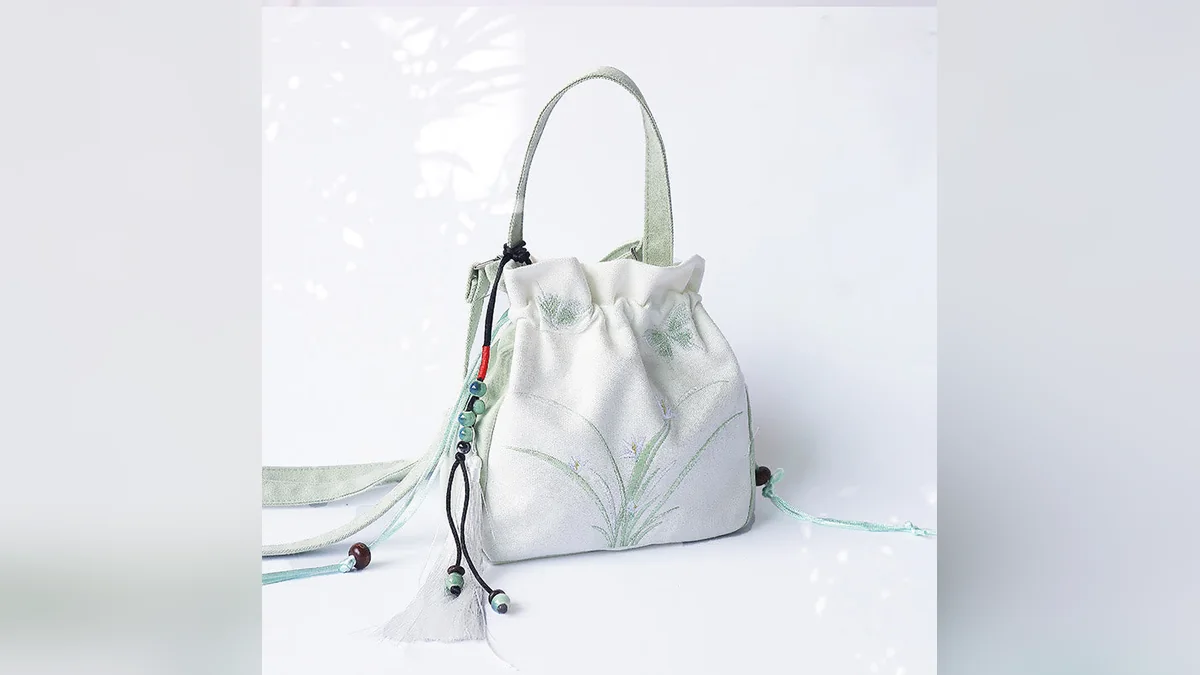
Our Handmade Embroidered Flowers Canvas Tote Shoulder Bag uses canvas fabric and measures 20*20cm. It has one main pocket, one hidden pocket, and one back zipper pocket. Specifications give a shoulder bag strap length of 65cm, a tote bag strap length of 8cm, an adjustable strap, and a strap closure. Its weight is 200g, and the package contains one bag. Options include Blue White Lotus 20*20cm and Green White Lotus 20*20cm.
Camellia canvas crossbody bag
The Tibetan Handmade Embroidered Camellia Canvas Crossbody Bag is canvas fabric, measures 33*28cm, and has one main pocket. Its non-adjustable strap is 130cm long. Blue Camellia and Red Camellia are the available options. The stated weight is 190g; one bag is included.
Plum flowers canvas bag
Our Handmade Embroidered Plum Flowers Canvas Crossbody Bag has size specifications of 17*19cm / 20*23cm, with size depending on the option. The canvas fabric bag has one main pocket, one zipper pocket, and an adjustable strap with a stated length of 63cm. It weighs 200g, and the package includes one bag.
Embroidery pattern shoulder and tote bag set
The Handmade Embroidery Pattern Canvas Shoulder Bag Tote Bag Set includes one large bag and one small bag. Materials are canvas fabric, chenille fabric, and nylon. The large size is 31cm*11cm*38cm (Length*Width*Height); the small size is 32.5*20.4cm. The large bag has one main pocket. The small bag has one main pocket and one zipper interior pocket. Specifications state non-adjustable straps, buckle/zipper closures, and a weight of 500g. Options are Blue Flower and Multicolored Flower.
Keep the next setup straightforward
Keep your packing list with the kit. Before leaving, confirm that the contents match the practice you plan to follow and that everything has a secure place. A manageable bundle makes setting up, checking, and putting away your temporary altar a straightforward part of travel.
Shop the story
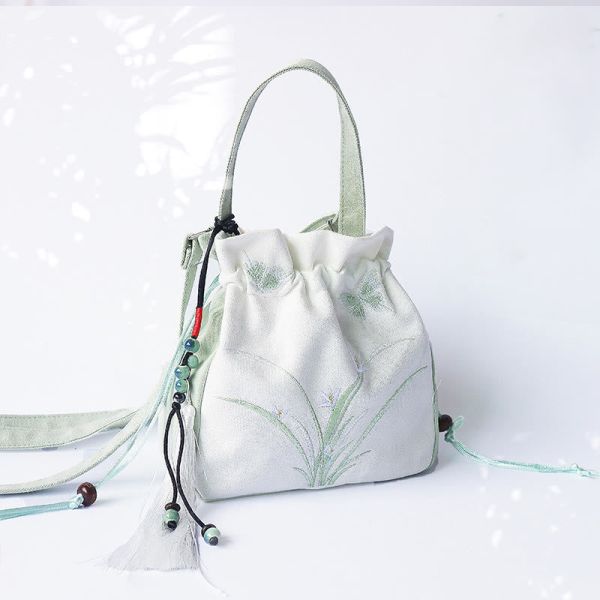 Buddha Stones Handmade Embroidered Flowers Canvas Tote Shoulder Bag HandbagAs low as $26.59 Regular Price $36.93
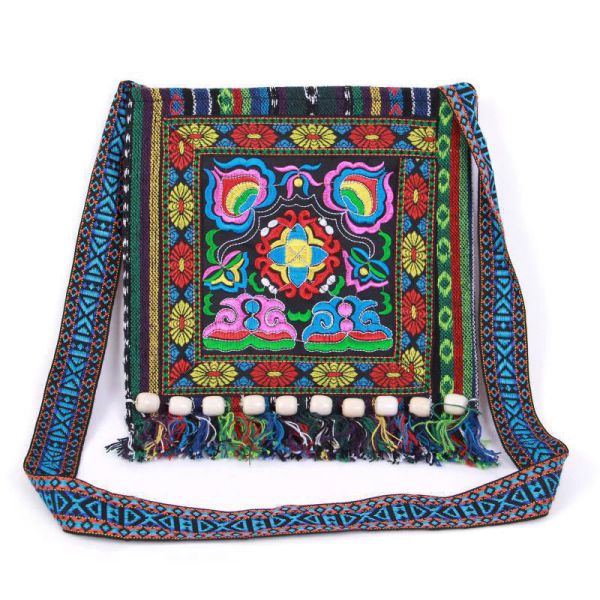 Buddha Stones Tibetan Handmade Embroidered Camellia Canvas Shoulder Bag Crossbody BagAs low as $17.59 Regular Price $24.77
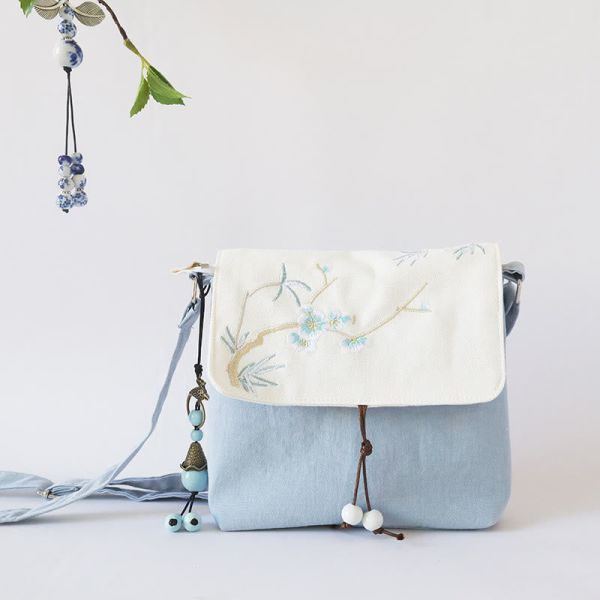 Buddha Stones Handmade Embroidered Plum Flowers Canvas Crossbody Bag Shoulder Bag HandbagAs low as $26.59 Regular Price $36.42
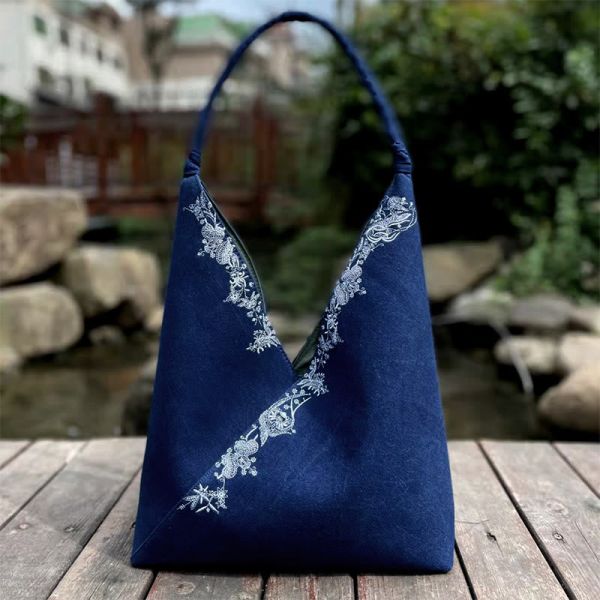 Buddha Stones Handmade Embroidery Pattern Canvas Shoulder Bag Tote Bag SetAs low as $52.59 Regular Price $70.12