
Tote Bag Care: Cleaning, Storage, and Everyday Use
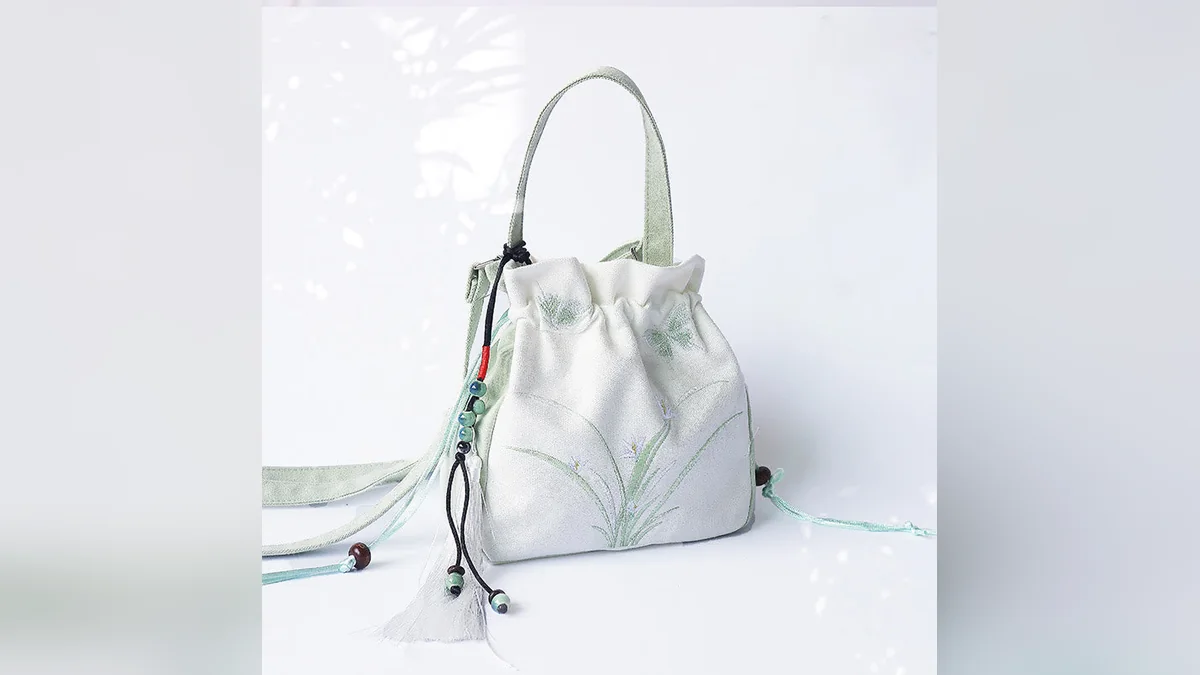
Bag handles often darken where your hands grip them, while dust collects along the bottom seams. Tote bag care means removing loose dirt, treating small marks gently, drying thoroughly, and checking the parts that carry weight. This manual explains how to do those jobs without unnecessary scrubbing or soaking, with extra attention to embroidered surfaces.
Start with any care label attached to your bag. We recommend treating the routine below as a cautious starting point: the supplied product specifications do not establish machine-washing instructions, dye stability, or suitable stain treatments.
Tools and materials for a gentle clean
Gather a few simple supplies before wetting the fabric. Keeping separate cloths for cleaning and rinsing helps you avoid spreading loosened dirt.
- A soft brush for loose dust on plain fabric.
- Clean white cloths that let you see any transferred color.
- Cool water and a small amount of mild liquid detergent suitable for washable fabric.
- A clean towel for absorbing moisture.
- Plain white tissue or a clean, dry cloth for lightly supporting the bag during storage.
Do not assume a detergent is suitable because it smells mild or has a pale color. Check its directions and test the diluted solution on a concealed area first. Let that area dry before comparing its color and texture with the surrounding fabric. If color transfers, the surface changes, or a ring appears, stop before treating a visible panel.
A step-by-step tote bag care routine
-
Empty the bag completely.
Open every pocket and remove receipts, crumbs, pens, and small accessories. Check behind pocket edges with your fingers. Hold the opening over a wastebasket and gently tip out loose debris. Avoid turning the bag inside out if doing so pulls hard on seams or embroidery.
-
Inspect before cleaning.
Look at handle attachments, strap edges, bottom corners, closures, and stitched decoration. A loose thread can catch on a brush or cloth. Leave it alone until you can identify whether it belongs to a seam or the embroidery; pulling it may unravel more stitching.
-
Remove dry dirt first.
Brush plain fabric lightly, moving dirt toward an edge. Around embroidery, use a soft cloth with a lifting motion instead of dragging bristles across raised threads. If mud is still wet, let it dry before gently removing the loose surface dirt.
-
Spot-clean only after testing.
Dampen a white cloth with the tested cleaning solution and wring it out well. Blot the mark with a clean part of the cloth, working from its outer edge inward. Use light pressure and pause to check the result. Repeated hard rubbing can roughen the fabric or disturb decorative threads.
-
Lift away detergent residue.
Use a second cloth dampened with plain cool water. Blot the treated area, changing to a clean section as needed. Keep moisture controlled rather than saturating the panel. If the mark persists, stop and reassess instead of adding stronger cleaners or more detergent.
-
Dry with support.
Press a clean towel against damp fabric without twisting it. Open the bag and let air circulate in a shaded, ventilated place. Support its shape without stretching the opening. Avoid hanging a wet bag by its straps, and leave pockets open until their interiors are dry.
-
Repack with the seams in mind.
Once the bag is fully dry, return only what you need. Put pointed items in a separate pouch and close liquid containers securely. Spread weight across the bottom instead of letting one dense object pull against a corner. Reduce the load if the opening distorts or strap attachments pull visibly.
After ordinary use, emptying crumbs and checking for fresh marks may be enough. Clean when the bag needs it; repeated wet treatment is not a substitute for careful daily handling.
What not to do with fabric and embroidery
Do not put an embroidered bag in a washing machine or dryer unless its own care instructions explicitly permit it. Canvas describes a fabric construction; it does not tell you how dyes, threads, seams, or other components will respond to a wash cycle.
- Avoid soaking by default. Prolonged wetting can affect different components unevenly.
- Skip bleach, solvents, and abrasive powders. Do not experiment with them on an unknown finish or embroidered panel.
- Do not wring or scrub embroidery. Raised stitches can snag, loosen, or become distorted.
- Keep drying bags away from direct heat. Avoid radiators, hair dryers, and strong sunlight.
- Do not force a zipper. Ease trapped fabric away before gently trying the slider again.
For storage, empty the bag, make sure it is dry, and support it loosely. Avoid tight folds through embroidered areas and heavy objects stacked on top. Store it away from damp walls and prolonged direct sunlight.
When to repair, replace, or retire a bag
Fading and small surface scuffs do not automatically mean a bag needs replacing. The more useful question is whether its fabric, seams, and attachments can still hold the intended contents securely.
Stop carrying a load when a handle attachment separates, a seam opens, or fabric tears beside stitching. A repair professional can assess a localized problem before it spreads. Do not cover a failing attachment with decorative stitching and assume its carrying strength has been restored.
Retire the bag from carrying duties if the fabric around a proposed repair is broadly thin or continues tearing. A clean bag with sound sections might serve as a lightweight organizer. Persistent dampness or visible mold calls for a separate assessment; do not pack belongings into it or simply cover the affected area.
Product details to check before cleaning
Use our product specifications to identify pocket layouts and strap types before beginning. Dimensions describe the bag, not a recommended carrying load.
Flowers canvas tote and shoulder bag
The Buddha Stones Handmade Embroidered Flowers Canvas Tote Shoulder Bag Handbag uses Canvas Fabric and measures 20*20cm. It has an adjustable strap, a shoulder bag strap length of 65cm, and a tote bag strap length of 8cm. Empty its main pocket, hidden pocket, and back zipper pocket before cleaning. Its closure type is Strap.
Camellia canvas crossbody bag
The Buddha Stones Tibetan Handmade Embroidered Camellia Canvas Shoulder Bag Crossbody Bag comes in Blue Camellia and Red Camellia. Its Canvas Fabric body measures 33*28cm, with one main pocket and a non-adjustable strap measuring 130cm. Check the full strap and its attachment points during your inspection.
Plum flowers canvas bag
The Buddha Stones Handmade Embroidered Plum Flowers Canvas Crossbody Bag Shoulder Bag Handbag has Canvas Fabric construction, an adjustable strap, and a strap length of 63cm. Sizes are 17*19cm / 20*23cm, depending on the option. Check both its main pocket and zipper pocket for forgotten contents.
Embroidery pattern tote bag set
The Buddha Stones Handmade Embroidery Pattern Canvas Shoulder Bag Tote Bag Set includes one large bag and one small bag. Materials are Canvas Fabric, Chenille Fabric, and Nylon. The large bag measures 31cm*11cm*38cm (Length*Width*Height); the small bag measures 32.5*20.4cm. Straps are non-adjustable, and the closure specification is Buckle/Zipper. Assess a concealed test area on any different surface before extending cleaning beyond it.
Finish with a dry bag and a lighter load
Keep tote bag care straightforward: remove loose dirt, test before spot-cleaning, and allow thorough drying. Between cleanings, watch the seams and carry only what the bag can hold without distortion. Addressing a small mark or loose attachment promptly gives you a clearer choice between continued use, repair, and retirement.
Shop the story
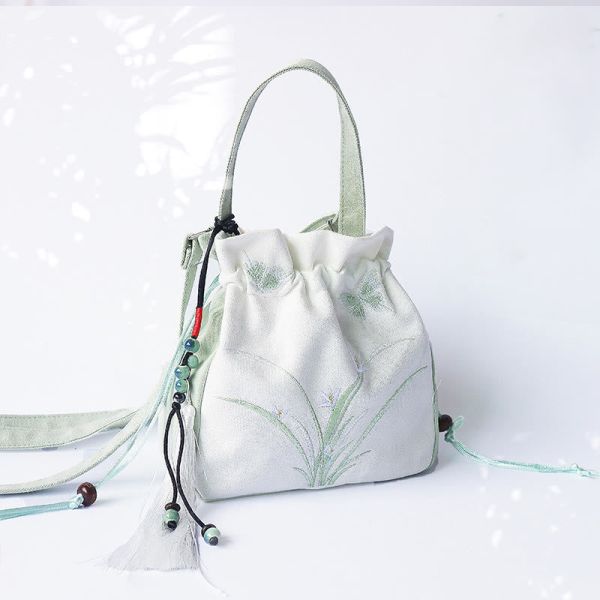 Buddha Stones Handmade Embroidered Flowers Canvas Tote Shoulder Bag HandbagAs low as $26.59 Regular Price $36.93
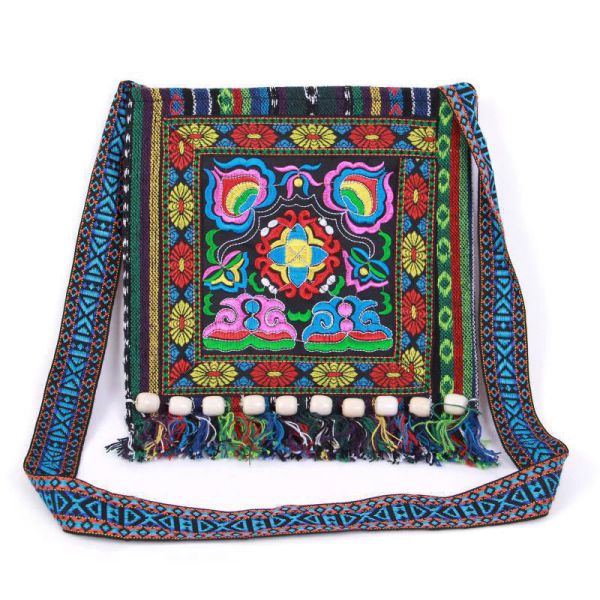 Buddha Stones Tibetan Handmade Embroidered Camellia Canvas Shoulder Bag Crossbody BagAs low as $17.59 Regular Price $24.77
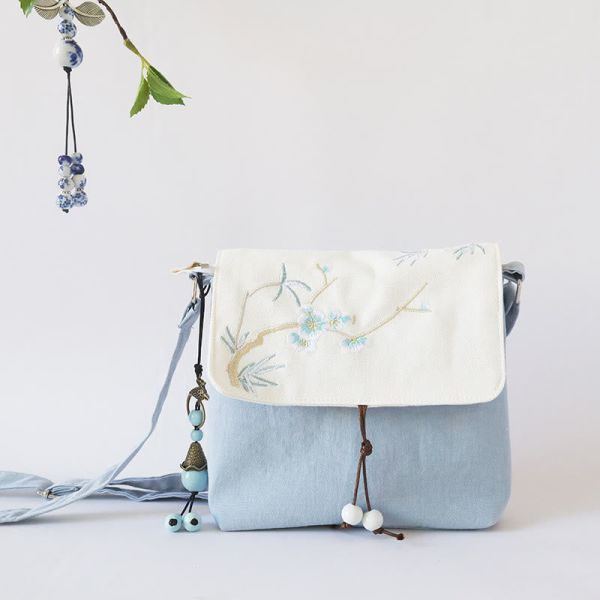 Buddha Stones Handmade Embroidered Plum Flowers Canvas Crossbody Bag Shoulder Bag HandbagAs low as $26.59 Regular Price $36.42
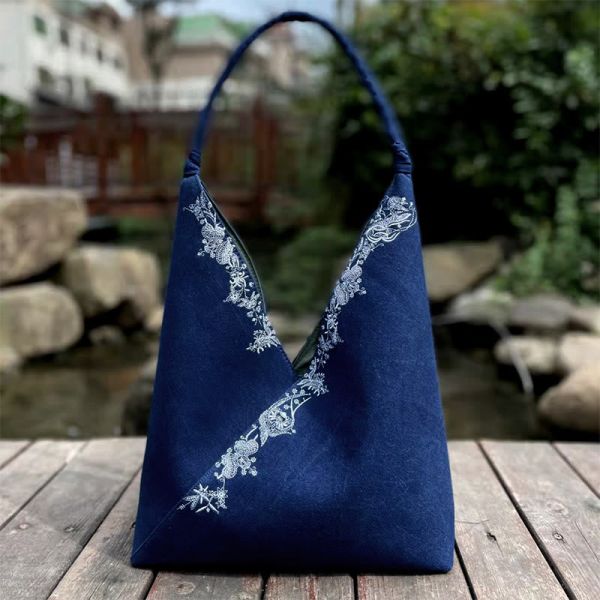 Buddha Stones Handmade Embroidery Pattern Canvas Shoulder Bag Tote Bag SetAs low as $52.59 Regular Price $70.12