
Tiger Jewelry Guide: Daily Care and Safe Storage
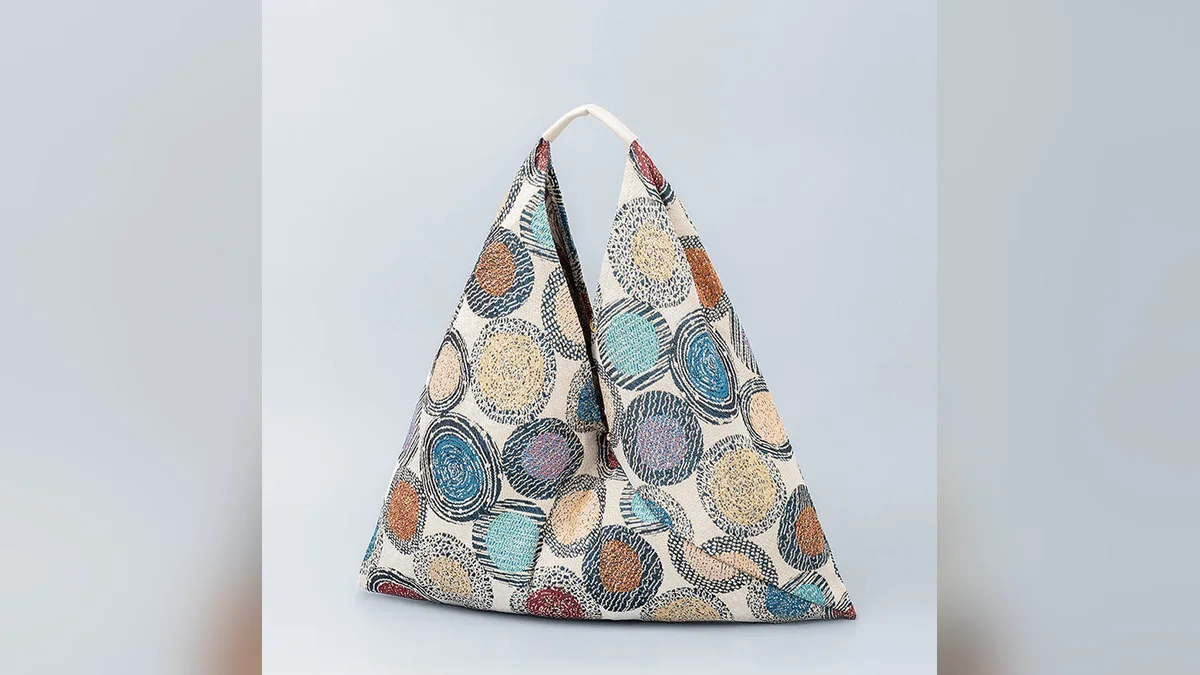
Dust can collect between bracelet beads and around metal details during ordinary wear. This tiger jewelry guide explains how to inspect, put on, wipe, dry, and store tiger eye bracelets, plus how to care for a coordinating tiger-print bag. At Buddha Stones, we recommend choosing your routine around the complete material combination: beads, metal components, string, and fabric need different handling. Start with a dry wipe, use very little moisture when necessary, and stop if you find damage.
Tools and materials for a gentle care session
Prepare a clear surface before removing jewelry. A folded towel helps keep round beads from rolling if a string breaks. Use good light so you can examine bead holes, metal edges, and the spaces between components without pulling anything apart.
- A clean, lint-free cloth: Choose a plain cloth without polishing compounds. Keep a second cloth dry for finishing.
- A little room-temperature water: Dampen a corner of the cloth only when a dry wipe cannot remove a surface mark.
- A separate pouch or divided box: Give bracelets their own space so loose objects cannot rub against them.
- A small tray: Use it to contain a damaged bracelet or any detached parts awaiting repair.
Check that the cloth itself is free of grit. A dirty cleaning cloth can drag particles over beads and metal. For a bag, reserve another clean cloth so you do not transfer marks from hardware to fabric.
Your tiger jewelry guide: the step-by-step routine
- Inspect before putting it on. Look for a cracked bead, a rough metal edge, exposed string, or a gap that was not previously present. Examine visible string without stretching the bracelet to reveal more. Set aside anything that appears close to breaking.
- Finish getting ready first. Apply cosmetics and let lotions dry before adding jewelry. Put bracelets on after dressing so sleeves and fasteners are less likely to catch them. Remove them before washing, bathing, swimming, or activities involving repeated knocks.
- Roll an elastic bracelet over your hand. Bring your fingers together and ease the beads over gradually. Avoid pulling one side outward to make a large opening. If it takes force to pass your hand, stop and reconsider the fit rather than repeatedly stretching the string.
- Wipe after removal. Support the bracelet on the towel and move the dry cloth gently around the accessible bead surfaces. Wipe exposed metal lightly. Do not tug a decorative component or force cloth into tight spaces between beads.
- Address a mark locally. Try a barely damp cloth on the affected surface, keeping moisture away from string openings and joins. Follow immediately with the dry cloth. If the mark persists, seek material-specific care advice before trying a stronger cleaner.
- Dry before putting away. Leave the bracelet resting on a clean, dry surface away from direct heat. Check the spaces around components before closing its storage pouch. Arrange it loosely rather than hanging it from the string.
For a printed bag, empty the main pocket before checking the fabric, strap attachments, and closure. Lift loose dust with a dry cloth. If a damp wipe is necessary, test an inconspicuous area first and stop if color transfers. Mixed fabric, leather, and metal construction calls for care that considers every component; do not assume the whole bag can be washed like a plain cotton item.
Before carrying it again, check that the closure engages and that nothing inside presses sharply against the fabric. Keep bracelets in a separate pouch instead of dropping them loose beside keys or other hard objects.
What not to do when a piece looks dull
Do not treat dullness as permission to scrub. A surface film, worn plating, and a scratch can look similar at first glance, but cleaning will not correct them in the same way. Start with a light wipe and inspect the result.
- Avoid soaking mixed-material bracelets. A bead's tolerance for water does not establish what its string or metal fittings can tolerate.
- Skip abrasive household mixtures. Toothpaste, gritty powders, and rough pads can alter finishes. Do not use metal polish across an assembled bracelet.
- Keep heat out of the routine. Do not use a hair dryer, radiator, or sunny windowsill to hurry drying.
- Do not use ultrasonic or steam equipment without specific approval. The complete assembly needs to be suitable, including any plating and string.
- Never test strength by pulling. Stretching an elastic bracelet repeatedly is not a useful condition check.
For the bag, avoid machine washing, tumble drying, or solvent cleaning unless separate care instructions explicitly permit the method.
When to replace a part or retire a piece
Pause wear when elastic shows fraying, remains elongated, or no longer holds the beads together as it did before. Replacing the string may allow intact components to remain in use. Keep the bracelet contained and ask a jewelry repair professional to assess it before attempting to dismantle it.
A chipped bead with a sharp edge, a split component, or a damaged fitting also deserves attention. Do not keep wearing a bracelet simply because its string still holds. Cleaning cannot repair a crack or restore missing plating.
For a bag, stop carrying it if a strap attachment separates, a seam opens, or the closure no longer secures the pocket. Repair may be possible. If damaged components cannot be made serviceable, retire the item from regular use. Cosmetic wear alone does not require replacement; distinguish an appearance change from a failing part.
Product details to match with your care routine
A tiger-print bag with mixed materials
Our Geometry Tiger Flowers Leopard Stripes Print Underarm Triangle Shoulder Bag comes in several pattern options, including Tiger Flowers. Its materials are Cotton Fabric, Polyester, Leather, and Metal. The size is 58*5*58cm, with one main pocket, a non-adjustable strap, and a buckle closure. Use localized cleaning rather than treating these materials as interchangeable.
Blue tiger eye with jade and plated metal
The Blue Tiger Eye Hetian Jade Round Beads Bracelet combines Blue Tiger Eye, Jade, and Gold Plated Copper on Premium Elastic String. Bead options are 6mm and 8mm. Use a plain cloth on the plated components and avoid polishing compounds that could wear away the finish.
A faceted bracelet with distinct options
The Tiger Eye Hematite Faceted Strength Bracelet has 8mm beads and Premium Elastic String. Options are named Black Onyx, Blue Tiger Eye, and Yellow Tiger Eye; its material specification includes Tiger Eye, Hematite, Blue Tiger Eye, and Black Agate. Check the selected option before planning care.
Protection wording in an option name expresses a traditional wish. It does not guarantee a result.
Blue tiger eye with a turtle detail
The Blue Tiger Eye Copper Turtle Bracelet uses Blue Tiger Eye and Copper Alloy with Premium Elastic String. Bead sizes are given as 6mm, 8mm. Treat the metal according to that alloy description rather than assuming it is pure copper.
Make inspection part of putting jewelry away
A useful routine ends with a brief condition check. Remove surface dust, let any damp areas dry, and put the item in its designated space. At the next wear, inspect the parts that carry tension or receive repeated contact. Gentle handling and timely repairs give you a practical basis for deciding what can stay in use.
Shop the story
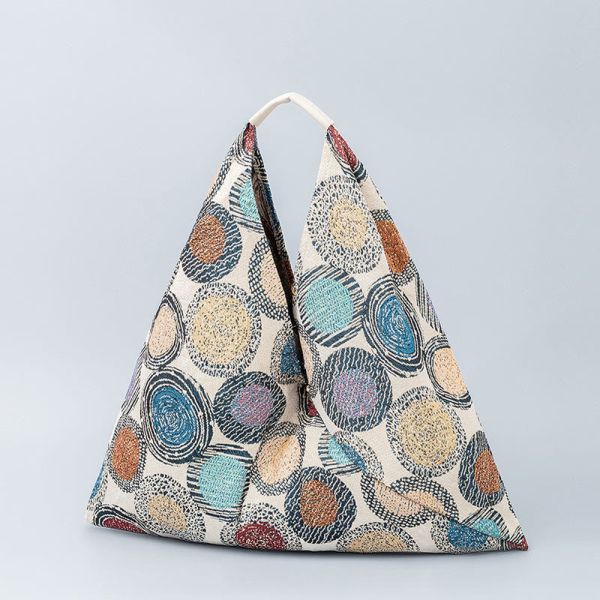 Buddha Stones Geometry Tiger Flowers Leopard Stripes Print Underarm Triangle Shoulder BagAs low as $35.59 Regular Price $50.13
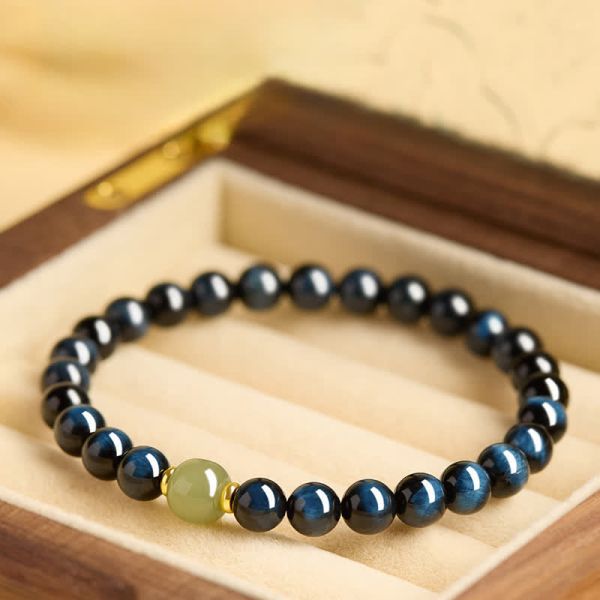 Buddha Stones Blue Tiger Eye Hetian Jade Round Beads Intuition BraceletAs low as $39.59 Regular Price $52.79
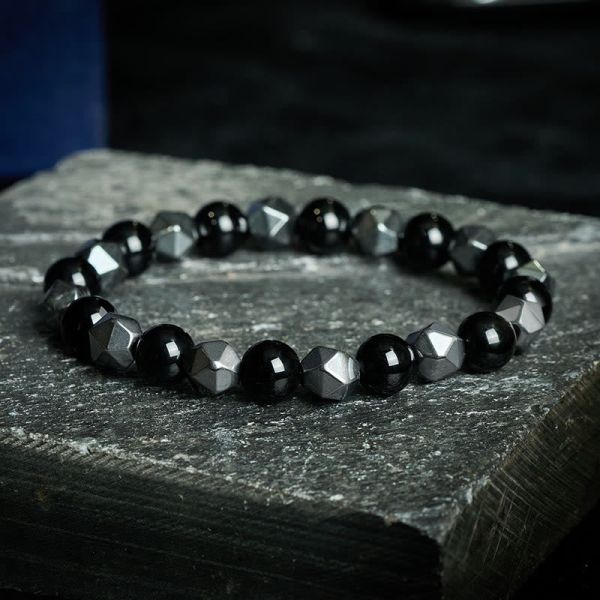 Buddha Stones Tiger Eye Hematite Faceted Strength BraceletAs low as $25.59 Regular Price $34.12
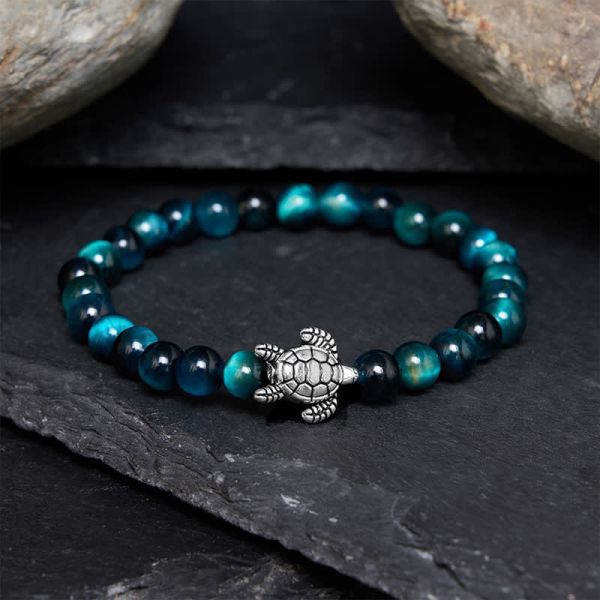 Buddha Stones Blue Tiger Eye Copper Turtle Powerful BraceletAs low as $25.59 Regular Price $35.54