
Tiger Eye vs Hawks Eye: A Bracelet Care Manual

Dust and hand lotion can leave a dull film between bracelet beads. For tiger eye vs hawks eye, the practical distinction starts with color: tiger eye usually has golden to brown bands, while hawk’s eye, also called blue tiger’s eye, is typically blue-gray. Both can show a moving band of reflected light. This manual explains how to clean, inspect, wear, and store your bracelet, paying attention to its string and metal components as well as its beads.
Tools for tiger eye vs hawks eye care
We recommend starting with a dry wipe. Color does not call for a different cleaning routine; the bracelet’s construction and any material-specific instructions matter more. A mixed-material design needs a method suitable for its more delicate components.
- Two clean, lint-free cloths: keep one dry and use the other only slightly damp when needed.
- A small dish of room-temperature water: use it to dampen a corner of the cloth, without immersing the jewelry.
- A padded tray or folded towel: work over it so a dropped bracelet lands on a cushioned surface.
- A separate pouch or divided jewelry box: give the bracelet its own space so beads and fittings do not rub against other jewelry.
Choose plain cloths without polishing compounds. Put away abrasive pads and pointed tools before you begin.
A step-by-step routine from removal to storage
- Remove the bracelet before wet or messy tasks. Take it off before washing, swimming, applying lotion, or using household cleaners. Let applied products dry before putting jewelry back on. Set the bracelet away from the sink edge, where a loose bead or a dropped piece could disappear into the drain.
- Check the construction while it is dry. Lay the bracelet on your padded surface. Look for fuzzy cord, stretched elastic, loose fittings, or a chipped bead. Examine the areas beside bead holes, where string passes through. Handle the bracelet gently; pulling it hard is not a useful way to test its condition.
- Wipe away loose dust. Support a bead between your fingers and move the dry cloth over its exposed surface. Work around the bracelet without tugging the string. Fold the cloth to a clean area as you go. Avoid scraping at deposits around holes or metal details.
- Use a little moisture only where needed. For a remaining surface smudge, wring out the damp cloth until it cannot drip. Wipe the affected bead lightly, keeping moisture away from string, knots, and metal joins. Follow immediately with the dry cloth. If the mark persists, leave it for a jeweler to assess instead of escalating to stronger cleaners.
- Let the assembly dry fully. Rest it flat on a clean, dry cloth at room temperature. Keep it away from a radiator, hair dryer, or sunny windowsill. Check between adjacent beads before enclosing it. If the cord became damp, allow it to dry completely before wearing or storing the bracelet.
- Put it on without unnecessary tension. For adjustable cord, open the bracelet enough to pass over your hand, then adjust it using the cord mechanism. For elastic string, ease the bracelet over your hand without pulling one section far outward. Remove it if the fit requires force or leaves the string visibly taut.
After ordinary wear, a dry wipe may be sufficient. Repeat the closer inspection after a snag or knock. Before choosing a size or fastening, read our guide to choosing a bracelet.
What not to do with beads, string, and fittings
Do not soak an assembled bracelet, even if the bead surfaces seem easy to rinse. Water can remain in holes and around knots, and the cleaning needs of a stone do not establish what is suitable for its string or metal components.
- Skip harsh cleaners: avoid bleach, solvents, toothpaste, scouring powders, and household metal polish.
- Avoid ultrasonic and steam cleaning: mixed materials, existing damage, and unknown treatments make these unsuitable default methods.
- Do not use salt or bury jewelry in soil: particles can lodge between beads and abrade surfaces or string.
- Keep jewelry out of impact-prone tasks: remove bracelets before lifting equipment, gardening, or work that could catch the band.
Do not treat a photograph as proof of a stone’s identity or treatment history. Lighting affects apparent color, and a blue-gray appearance alone cannot authenticate hawk’s eye. If identification matters, seek a qualified gemologist’s assessment.
When to replace a band or retire a piece
Stop wearing a bracelet if elastic stays stretched, cord frays near a bead hole, a knot loosens, or a fitting catches on fabric. Put it in a small container so any loose components remain together. A jeweler can assess whether restringing or another repair is appropriate; do not assume a visible knot can simply be tightened.
A chipped bead with a sharp edge, a cracked component, or a damaged fitting needs attention before further wear. Do not sand or drill stone beads at home. If a repair cannot provide a dependable assembly, keep the piece as a stored keepsake or retire it from use.
Color variation alone is different from damage. Compare a suspected change under similar lighting, then look for an actual surface defect. A dull patch may be residue, but repeated scrubbing is not a reliable diagnosis.
Our bracelet options and their care-relevant details
An adjustable cord design
Our Tiger Eye Black Magnetite Braided Adjustable Bracelet combines tiger eye, magnetite, and string. It has an adjustable cord and a wrist circumference of 5.9-7.9 in (15-20 cm). Check the cord and adjustment area during your dry inspection.
A double wrap with Pi Xiu
The Tiger Eye Silver Sheen Obsidian Pi Xiu Double Wrap Bracelet uses Premium Elastic String, with 6mm beads and a wrist circumference of 5.9–6.3 in (15–16 cm). Its specified materials are tiger eye, silver sheen obsidian, and copper alloy. Some options include Blue Tiger Eye Silvery Pi Xiu and Yellow Tiger Eye Golden Pi Xiu.
Tiger eye beside blue tiger’s eye
The Tiger Eye Blue Tiger’s Eye Black Obsidian Beads Bracelet contains tiger eye, blue tiger’s eye, black obsidian, and copper. It uses Premium Elastic String and 8mm beads; its wrist circumference is 6.3–6.7 in (16–17 cm). Include the copper components when checking for deposits or wear.
A mixed-stone arrangement
Our Citrine Tiger Eye Green Strawberry Quartz Beads Bracelet combines citrine, tiger eye, green strawberry quartz, and copper. Its Premium Elastic String carries 8mm beads, with a wrist circumference of 5.9–6.3 in (15–16 cm). Keep cleaning local to the surface that needs attention.
These product specifications allow for slight variations in color, details, and overall appearance. Use the selected option and its measurements when choosing a bracelet.
Keep the routine gentle and repeatable
For tiger eye vs hawks eye, the useful care distinction is usually the complete bracelet assembly. Start dry, add minimal moisture only for a surface mark, and inspect the string before wearing. Give the bracelet a separate place between uses. When damage appears, pause wear and arrange an assessment; a repair decision is easier before a strained band breaks.
Shop the story
 Buddha Stones Tiger Eye Black Magnetite Braided Confidence Adjustable BraceletSpecial Price $25.59 Regular Price $35.54
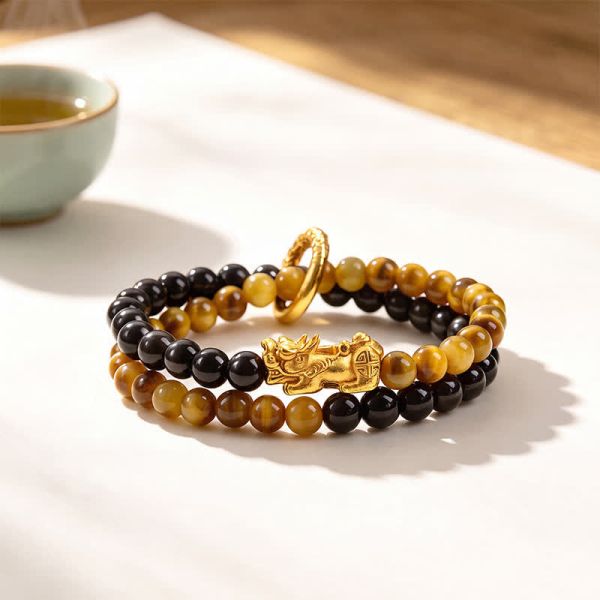 Buddha Stones Tiger Eye Silver Sheen Obsidian Pi Xiu Double Wrap Auspicioisness BraceletAs low as $28.59 Regular Price $38.12
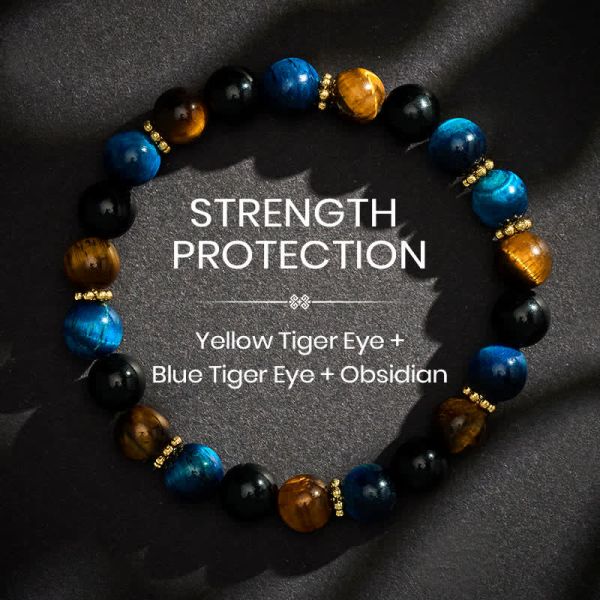 Buddha Stones Tiger Eye Blue Tiger's Eye Black Obsidian Beads Courage BraceletSpecial Price $25.59 Regular Price $34.12
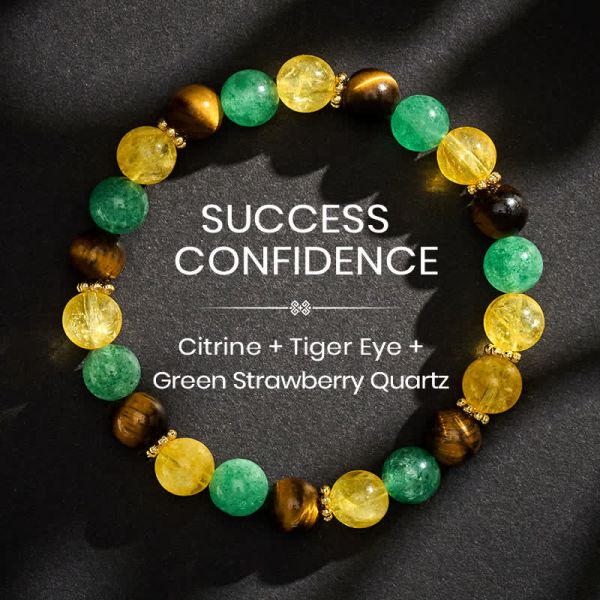 Buddha Stones Citrine Tiger Eye Green Strawberry Quartz Beads Happiness BraceletSpecial Price $25.59 Regular Price $34.12