
Tiger Buying Guide: Care for Beads and Printed Bags
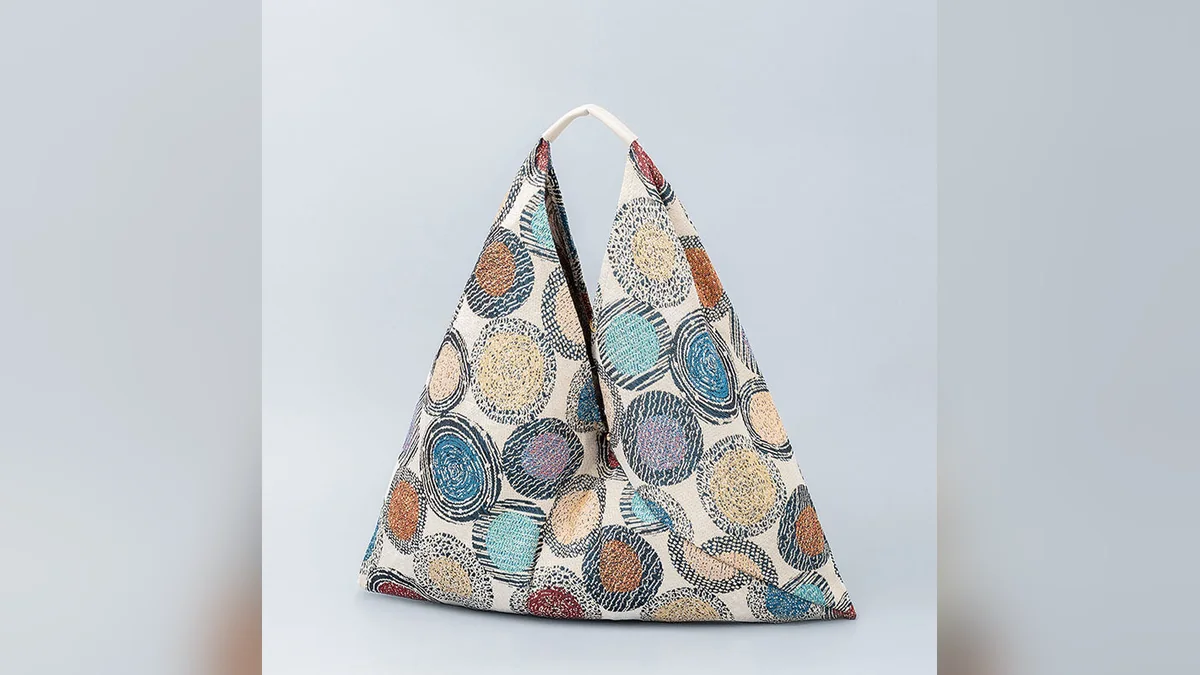
Dust can collect between bracelet beads and along a bag’s seams. This tiger buying guide explains how to choose between tiger eye jewelry and a tiger-print bag, check the relevant specifications, and care for mixed materials without unnecessary washing. At Buddha Stones, we recommend starting with fit, construction, and the cleaning routine you can maintain. A printed tiger motif and tiger eye beads require different handling, so identify what you are buying before choosing a care method.
Tools and materials for careful upkeep
Keep a small care kit ready so routine cleaning does not become an improvised scrub. Begin with dry tools; introduce moisture only where the material and care instructions allow it.
- Two clean, lint-free cloths: reserve one for wiping and one for drying any area you have lightly dampened.
- A soft brush: use gentle strokes to lift loose dust from accessible fabric seams without catching threads.
- A shallow tray: inspect a bracelet over it so loose components are easier to contain.
- A pouch or divided organizer: give jewelry its own space, away from bag hardware and loose keys.
- A small amount of clean water: keep it separate from the item rather than pouring or spraying directly onto it.
Avoid treating jewelry polish or fabric cleaner as an automatic part of this kit. Mixed materials need a compatible method, and an unidentified finish is a reason to keep cleaning minimal.
Your tiger buying guide: a step-by-step care routine
-
Read the specifications before choosing. For a bracelet, compare the supplied wrist measurements and bead size with your preferences. Elastic does not make fit unlimited. For a bag, check its dimensions, closure, pocket arrangement, and strap type. A non-adjustable strap offers no length adjustment, so consider that detail before purchase.
-
Inspect before use. Look around bead holes, between beads, and beside metal components for visible damage or exposed, worn string. On a bag, examine the strap attachments, seams, and buckle. Do not pull hard to test strength; a visual check and gentle handling are enough to identify obvious problems.
-
Put the item on with controlled movement. Ease an elastic bracelet over your hand without pulling one bead far away from its neighbors. Keep projecting details clear of sleeves. Close a bag’s buckle without forcing it, and arrange the contents so sharp corners do not press against the fabric.
-
Remove it before messy or wet tasks. Set bracelets aside before washing, swimming, applying cosmetics, or using household cleaners. Take off the bag before work that could expose it to splashes or abrasive surfaces. Put the item in a designated place rather than leaving it beside a sink.
-
Wipe lightly after use. Support a bracelet in your hand and wipe accessible bead surfaces without stretching the string. Empty the bag before brushing away loose dust. If fabric needs spot cleaning and its care instructions permit it, test a barely damp cloth on a hidden area first. Stop if color transfers or the surface changes.
-
Let any damp area dry before storage. Keep the item away from direct heat. Leave the bag open while it dries, and do not pack jewelry into a closed pouch while moisture remains. Return pieces to storage without compressing the bag’s strap or leaving a bracelet under tension.
What not to do during cleaning or wear
Do not soak a complete bracelet because the beads appear easy to wipe. The string and metal components also need consideration. Likewise, a bag containing fabric, leather, and metal should not be treated like a plain washable cloth.
- Skip abrasive methods. Toothpaste, scouring pads, and vigorous brushing can mark surfaces or catch fabric threads.
- Avoid machine washing and tumble drying unless specific care instructions expressly permit them.
- Keep steam and ultrasonic cleaners out of the routine when compatibility with the complete item has not been established.
- Do not stretch elastic for convenience. Hanging a bracelet from a hook under tension or repeatedly pulling it open adds avoidable strain.
- Do not assume dimensions establish carrying capacity. A bag’s measurements and weight do not tell you how much weight its strap can hold.
If dirt remains after gentle attention, pause. More pressure or a stronger cleaning mixture can turn a small mark into a repair problem.
When to replace a component or retire a piece
Inspect elastic for fraying, exposed strands, or a loose fit that was not present before. Stop wearing the bracelet if the string appears damaged or beads separate unusually. Have a jewelry repair professional assess restringing rather than tying an uncertain repair and continuing to wear it.
A cracked bead, sharp chip, or loose metal component also deserves attention before further use. Minor color variation alone is different from structural damage; compare the area under ordinary light without scraping or picking at it.
For a bag, stop carrying it if strap stitching opens, fabric tears near an attachment, or the buckle no longer holds securely. Repair may be possible. If a dependable repair is unavailable, retire it from carrying duties rather than concealing the damage and adding another load.
Products: compare construction before choosing
Use these specifications to narrow your choice, then apply the routine appropriate to the item. The product names identify designs; names such as Courage and Happiness do not promise personal outcomes. Traditional wishes associated with symbolic jewelry carry no guarantee.
A triangle shoulder bag with print options
The Buddha Stones Geometry Tiger Flowers Leopard Stripes Print Triangle Shoulder Bag combines cotton fabric, polyester, leather, and metal. Its dimensions are 58*5*58cm, and it weighs about 200g. It has one main pocket, a buckle closure, and a non-adjustable strap. Tiger Flowers is one option; other choices include Beige Geometry, Beige Stripes, Blue Stripes, Colorful Circles, Leopard Print, and White Black Triangles. Choose the intended print explicitly before ordering.
A double-wrap bracelet with smaller beads
The Buddha Stones Tiger Eye Silver Sheen Obsidian Pi Xiu Double Wrap Bracelet uses tiger eye, silver sheen obsidian, and copper alloy, with 6mm beads and premium elastic string. Its wrist measurements are 5.9–6.3 in (15–16 cm). Some options have blue or yellow tiger eye names, while Pi Xiu option names distinguish golden or silvery appearances. The material specification remains copper alloy; those option names do not establish precious-metal content.
A bracelet combining tiger eye and black obsidian
The Buddha Stones Tiger Eye, Blue Tiger’s Eye and Black Obsidian Courage Bracelet combines those stones with copper. It has 8mm beads, premium elastic string, and wrist measurements of 6.3–6.7 in (16–17 cm). Use those measurements when comparing fit rather than assuming it matches the double-wrap design.
A bracelet combining citrine and green strawberry quartz
The Buddha Stones Citrine Tiger Eye Green Strawberry Quartz Happiness Bracelet contains citrine, tiger eye, green strawberry quartz, and copper. Its 8mm beads are strung on premium elastic string, with wrist measurements of 5.9–6.3 in (15–16 cm). Our specifications allow slight differences in color, details, and overall appearance because of the natural materials.
Keep the routine simple enough to repeat
Choose by the specifications you can verify, then give cleaning and inspection separate attention. Wiping removes surface dirt; checking string, stitching, and closures helps you decide when to stop using an item. Keep the care tools accessible, avoid unnecessary treatments, and address visible damage before the next wear. A consistent routine begins with knowing the materials and respecting the construction.
Shop the story
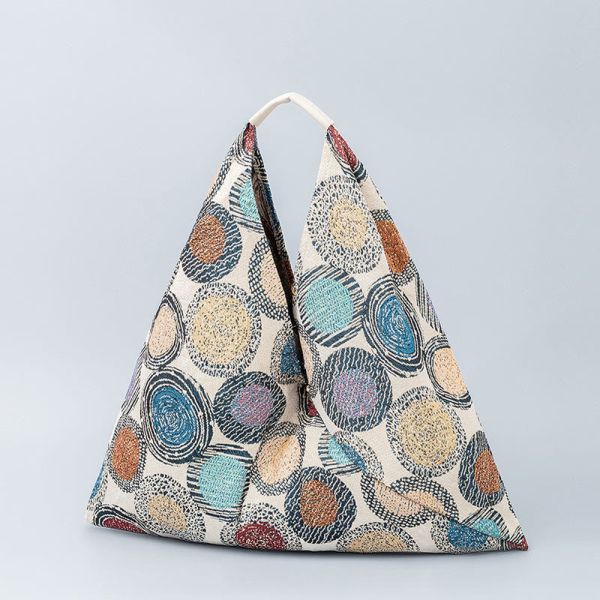 Buddha Stones Geometry Tiger Flowers Leopard Stripes Print Underarm Triangle Shoulder BagAs low as $35.59 Regular Price $50.13
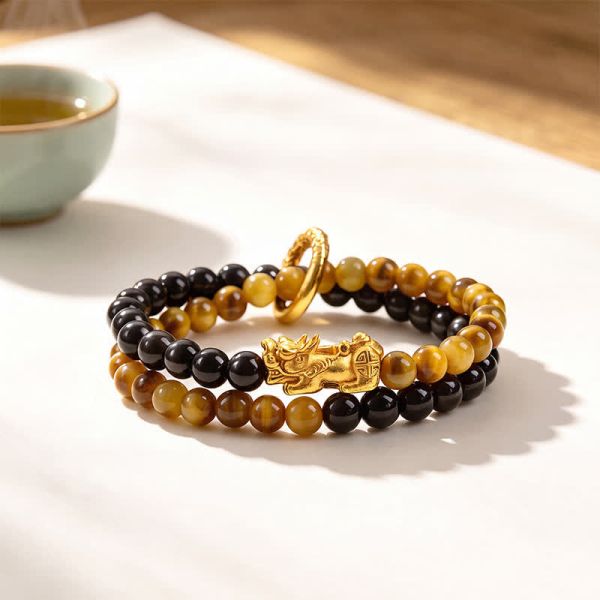 Buddha Stones Tiger Eye Silver Sheen Obsidian Pi Xiu Double Wrap Auspicioisness BraceletAs low as $28.59 Regular Price $38.12
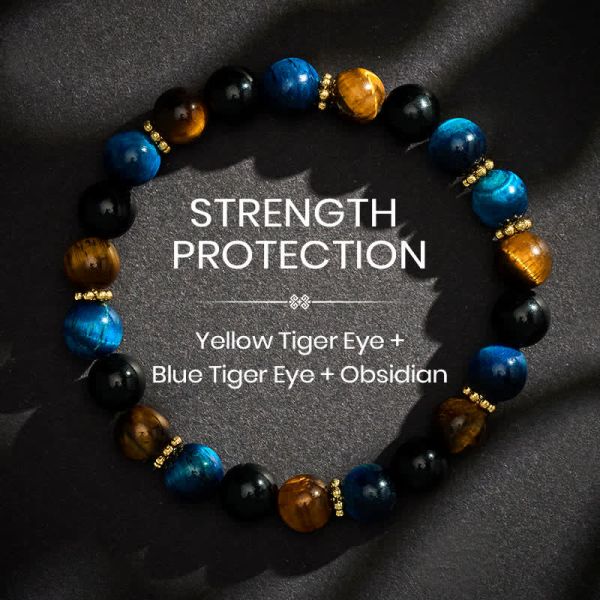 Buddha Stones Tiger Eye Blue Tiger's Eye Black Obsidian Beads Courage BraceletSpecial Price $25.59 Regular Price $34.12
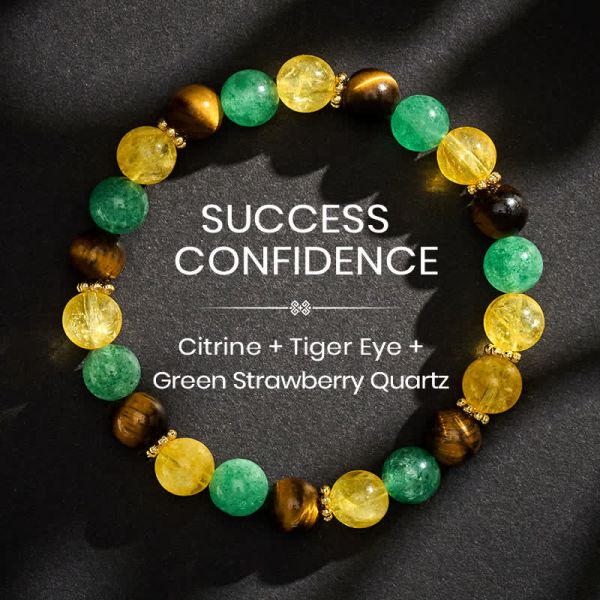 Buddha Stones Citrine Tiger Eye Green Strawberry Quartz Beads Happiness BraceletSpecial Price $25.59 Regular Price $34.12