Summer Scarf Guide: Care, Cleaning, and Storage
A scarf often needs attention where the folded edge rests against a collar. This summer scarf guide explains how to inspect that area, choose a suitable cleaning method, dry the fabric, and put it away without stretching or snagging it. We also cover careful use between washes and the signs that a piece needs repair or retirement. Our featured scarves and shawls have fall or winter names; consider them for cooler conditions and seasonal storage, and check the actual fabric before choosing a summer layer.
Tools and materials for a careful wash
Start with the care directions supplied with your scarf. Fiber content alone does not tell you whether a particular construction, finish, or trim can tolerate machine washing. If directions are missing, avoid guessing about bleach, dryer settings, or ironing temperatures. A professional cleaner can help assess a piece that has uncertain care requirements.
- A clean basin: Choose one large enough to move the scarf without packing it tightly.
- Mild laundry detergent: Use a product suitable for the fabric and follow its dilution instructions.
- Clean white cloths: Keep one for checking color transfer and another for blotting a mark.
- Clean towels and a drying surface: Have enough space to support the wet fabric.
- A smooth storage shelf or drawer: Check for rough edges, exposed fasteners, and anything that could catch threads.
Clear the area before adding water. A scarf should not share a basin with jewelry, pins, or other objects that could catch its edges. Remove any detachable fastener and set it aside.
Summer scarf guide: a step-by-step routine
- Inspect before cleaning. Unfold the scarf on a clean surface. Check the collar area, ends, hems, and any tassels for marks, loose threads, or stretched sections. Address a loose seam before washing, since movement in water can enlarge an opening.
- Decide what actually needs cleaning. A small fresh mark may need only local attention if the care directions permit it. Blot spills promptly with a clean cloth. Avoid spreading the mark across a larger area, and do not scrub a textured surface.
- Test an inconspicuous area. Before using a cleaning solution, try a little on a hidden section and blot with a white cloth. Let the area dry so you can check for a color change or visible ring. Stop if the test changes the fabric or transfers color.
- Wash according to the directions. If hand washing is permitted, dissolve the appropriate detergent in water before adding the scarf. Move the fabric gently through the water. Keep soaking brief, and avoid rubbing sections against one another. Use machine washing only when the care directions allow it.
- Rinse and remove excess water. Follow the prescribed rinse method. For a hand-washable piece, support the fabric as you lift it, then press gently to release water. Place it on a clean towel and roll loosely to absorb more moisture. Do not twist the roll.
- Dry with support. Follow the drying directions. Where flat drying is suitable, arrange the scarf on a clean towel or supported rack, easing it into its usual shape without pulling. Spread tassels apart gently. Change a saturated towel and allow the entire piece to dry before folding.
- Prepare for its next use. Inspect the dry scarf again. Fold it loosely, keeping decorative ends free of tight knots. Store it in a clean, dry space with enough room to lift it out without dragging it across other accessories.
Between washes, spread a dry scarf out after use before returning it to a drawer. Inspect contact areas for makeup, sunscreen, or food marks. Put the scarf on after applied products have dried, and keep its ends clear of meals, ink, and open containers.
For summer packing, give the scarf its own clean compartment or pouch. Keep damp swimwear and leaking toiletries separate. Pack only when the fabric is completely dry, and unpack it if it becomes damp during travel.
What not to do during wear or cleaning
Do not assume a summer outfit makes a winter accessory suitable for hot conditions. Check the fabric, construction, and amount of coverage before choosing it. A seasonal product name is useful context, but it does not supply a fabric weight or a temperature rating.
Avoid these habits when handling a scarf:
- Pulling out a snag: Tugging can distort nearby threads. Leave the loop alone until you can assess a suitable repair.
- Scrubbing tassels together: Friction can tangle loose ends. Separate them gently during inspection and drying.
- Adding extra detergent: More detergent can make rinsing harder. Follow the detergent instructions.
- Using unapproved heat: Keep the scarf away from radiators, and check care directions before ironing or tumble drying.
- Fastening through a damaged edge: A pin can enlarge an existing hole. Examine the attachment point before using one.
Keep loose ends away from moving machinery and open flames. When removing a scarf, loosen its knot or fastening first instead of pulling the fabric against jewelry or a zipper.
When to repair, replace, or retire a piece
A loose hem or detached tassel may be repairable. Set the scarf aside until the repair is complete, especially if normal handling keeps catching the damaged area. Small surface changes do not automatically mean the piece needs replacing.
Consider retiring it from wear when holes spread, seams repeatedly open, or stretched sections no longer hold their intended shape. Persistent staining may also change how you want to use it. There is no fixed replacement calendar: inspect its condition after cleaning and before storage. If you reuse the fabric for another purpose, remove loose trim and choose a task its condition can support.
Products to assess for cooler days and storage
Use the stated dimensions to compare the space a piece will need for drying and folding. These product details do not establish summer weight or washing-machine compatibility.
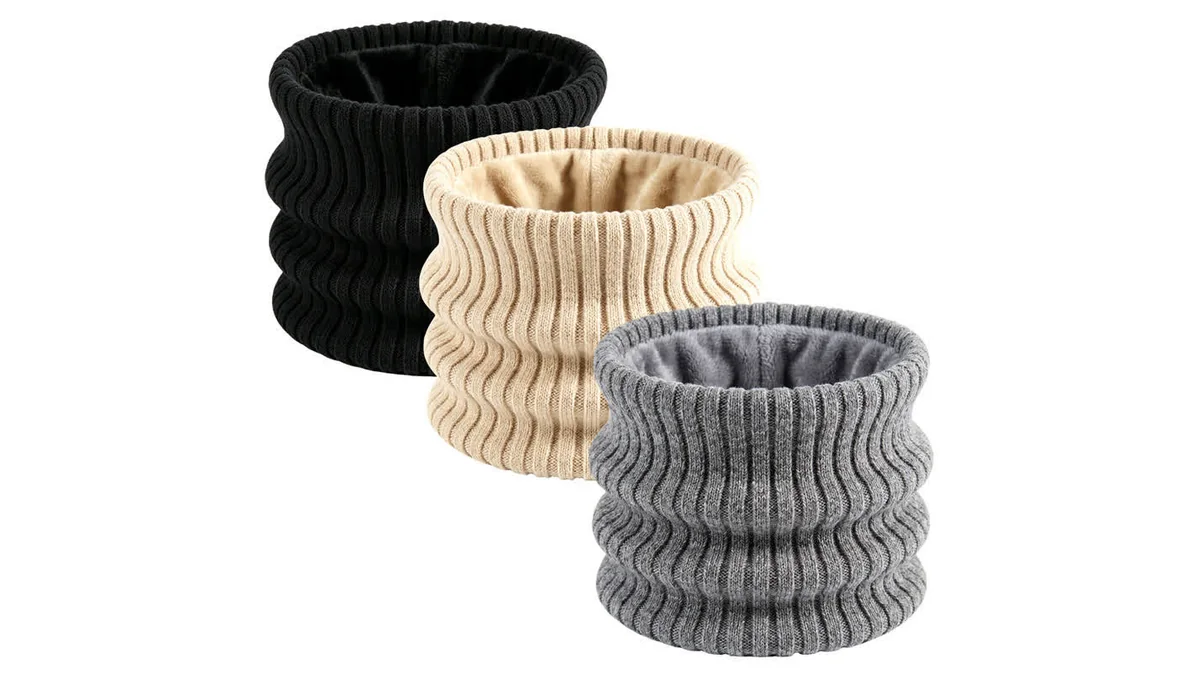
Ribbed neck gaiter
Our Winter Ribbed Knit Fleece Lined Neck Gaiter Men's Scarf is polyester and measures Approx. 26 cm × 22 cm / 10.2 in × 8.7 in. Color options include AntiqueWhite, Beige, Black, Crimson, DarkGray, DarkSlateGray, LightPink, and Navy.
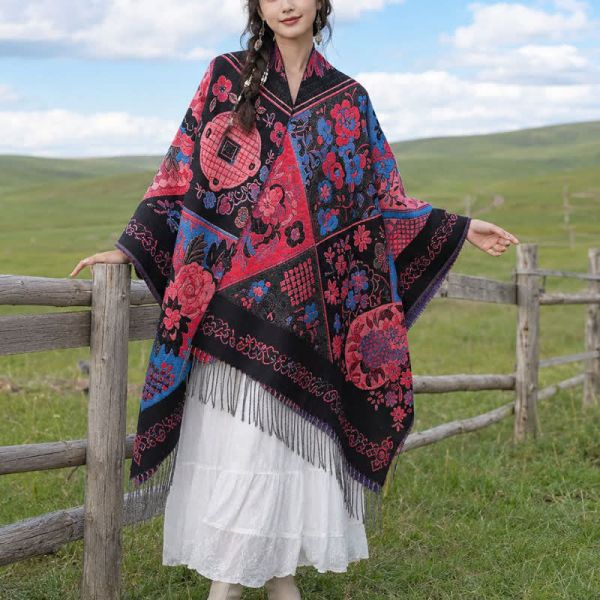
Floral patchwork shawl
The Fall Winter Boho Floral Patchwork Tassel Women's Shawl is polyester, with dimensions of Approx. 140 cm × 160 cm / 55.1 in × 63.0 in. Its options are Black, DarkRed, Orange, and Tan. Make room to support its full width during inspection.
Wavy stripes shawl
Our Fall Winter Boho Wavy Stripes Tassel Style Women's Shawl is polyester and measures Approx. 51.2 in × 59.1 in / 130 × 150 cm. The color options are Crimson, Khaki, RosyBrown, and Wheat. Check the tassel area before folding.
Black and gray check scarf
The polyester Fall Winter Classic Black Gray Check Wrap Men's Scarf measures Approx. 180 cm × 30 cm / 70.8 in × 11.8 in. Choose between Big Check and Mini Check. Support its length when lifting it wet, if washing is permitted.
Finish with a dry, loose fold
Before putting a scarf away, check its edges, confirm it is dry throughout, and leave space around the fold. Keep its care directions somewhere accessible. That gives you a clear starting point when the next mark appears or the season changes.
Shop the story
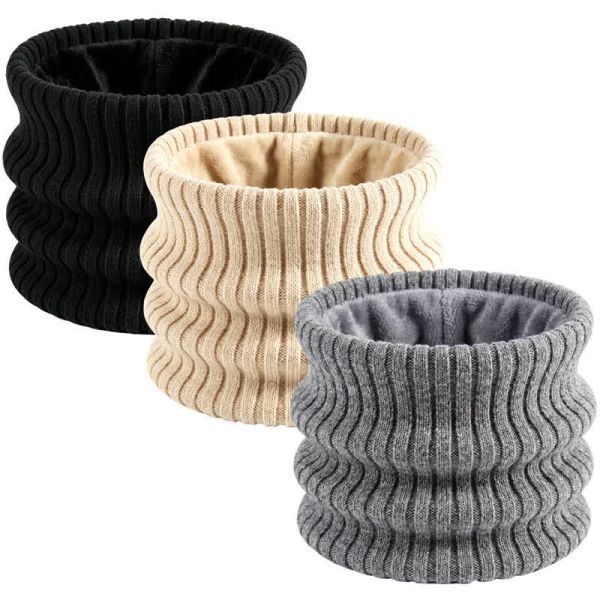 Buddha Stones Winter Ribbed Knit Fleece Lined Neck Gaiter Men's ScarfAs low as $17.59 Regular Price $24.43
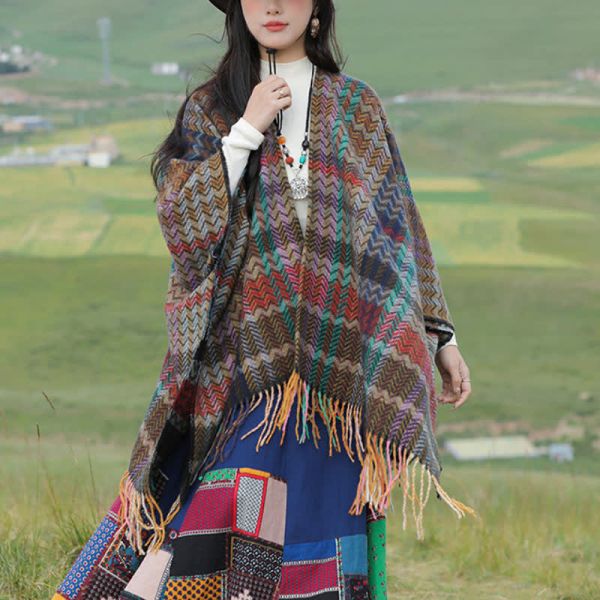 Buddha Stones Fall Winter Boho Wavy Stripes Tassel Style Women's ShawlAs low as $38.59 Regular Price $53.60
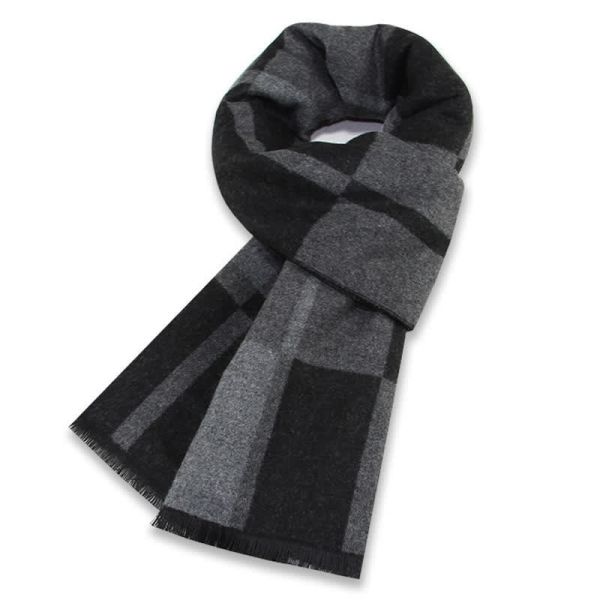 Buddha Stones Fall Winter Classic Black Gray Check Wrap Men's ScarfAs low as $21.59 Regular Price $28.79