Stacking Rings Guide: Choose a Stack That Fits You
A ring that fits comfortably on its own can feel crowded beside another band. Before choosing a third ring, check the space the first two occupy together. Ring stacking means wearing multiple rings on one finger or arranging coordinated groups across several fingers. This stacking rings guide explains how to choose a layout, compare materials, check the combined fit, and care for rings that touch. At Buddha Stones, we suggest starting with a small arrangement you can adjust, then adding another piece only when it serves a clear purpose.
Start with these questions
- Where will the rings sit? Choose one finger for a concentrated arrangement, or spread rings across your hand if neighboring bands feel crowded.
- Which ring leads? Select a focal ring first. Its width, height, and shape will help you decide what can sit beside it.
- How much space is available? Consider the combined width of the bands and the room between your knuckles, rather than counting rings alone.
- What will the rings touch? Think about adjacent settings, clothing, bag handles, and the objects you regularly hold.
- How much upkeep suits you? A simple arrangement with accessible surfaces is easier to inspect and clean than several tightly nested settings.
Your stacking rings guide to spacing and balance
Begin with one ring you want to keep in the arrangement. Add a plain band beside it, then look at the outline from above and from the side. A raised setting may allow another band beneath its edge; a low, wide setting may leave a gap. Neither arrangement needs to look perfectly flush.
If two shapes collide, move one ring to another finger. Adding more bands usually will not solve a mismatch between settings. For a curved companion band, compare its curve with the focal ring's outline before buying; a similar-looking curve does not establish an exact fit.
Choose one repeated detail, such as metal color, a rounded edge, or a similar band width. That gives the arrangement a connection without requiring identical rings. Leave some fingers bare if you want the individual shapes to remain easy to see.
Choose materials with contact in mind
Check the material description for every ring you intend to combine. Solid metal, plated metal, and rings with set stones can call for different care. A shared color does not mean two rings have the same construction, and a photograph cannot confirm the metal underneath a surface finish.
Repeated rubbing can mark finishes. Raised details and stone settings can also touch neighboring bands, so inspect the contact points when deciding on an arrangement. If a setting rests directly against another ring, consider separating them across fingers.
Mixing metal colors is a styling choice. You can repeat one color elsewhere in the arrangement or let a contrasting band stand alone. For rings with stones, check the care instructions for both the stone and its setting. Do not choose a cleaning method based only on the metal you can see.
Check the fit of the complete stack
Use your known ring size as a starting point, then assess the rings together. Several bands cover more of the finger than one narrow band, so the combined fit deserves its own check. There is no universal size adjustment that works for every stack.
With the proposed arrangement in place, bend and straighten your fingers, close your hand loosely, and check whether neighboring rings knock together. The stack should allow ordinary movement and come off without force. If it feels crowded, remove a band or distribute the rings differently.
For an online purchase, check the seller's sizing information and return terms before committing to a companion ring. A matching size label alone does not tell you how the complete arrangement will fit. Ask for missing band-width or setting details instead of estimating them from a styled image.
Care for rings that share space
Separate the rings before cleaning so you can reach the surfaces hidden between them. Follow the care instructions for each material, including any finish or set stones. Avoid using one jewelry cleaner across an entire mixed-material arrangement unless its instructions cover every component.
Before putting the stack back together, check for rough edges, loose settings, and visible wear where bands meet. Set aside a ring with a loose stone or damaged setting for assessment by a jeweler. A neighboring band should not be used to hold a damaged part in place.
Keep rings in individual compartments or pouches when they are off your hand. Remove raised or textured rings before handling fabric that might catch on them. If a thread catches, stop and gently release it instead of pulling the fabric away.
Scarf pairings for a ring-focused outfit
Scarf color and pattern can help you decide which ring details to repeat in an outfit. Choose the clothing first if its pattern will be prominent, then decide how much detail you want across your hands. These selections from our scarf range provide several color options; choose rings separately according to their own material and fit information.
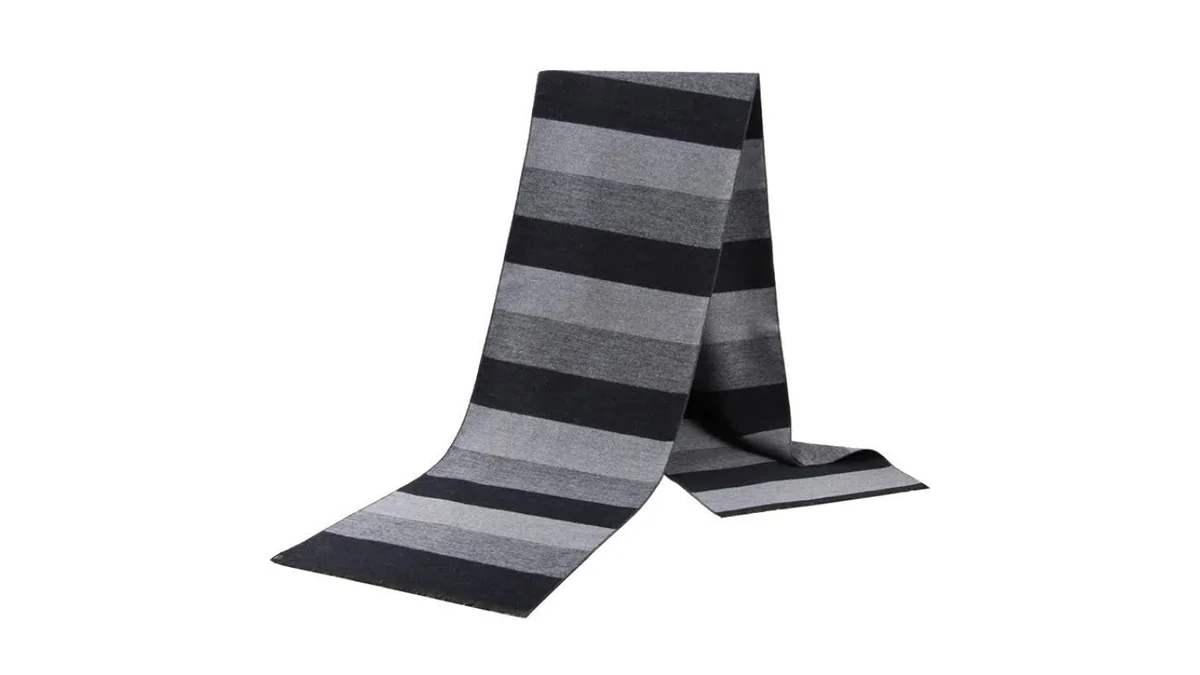
Our Classic Charcoal Stripe Fringe Men's Scarf is viscose, with a size of Approx. 180 cm × 30 cm / 70.8 in × 11.8 in. Its options are Beige, Black, Maroon, and Peru. Choose a color as your starting point, then decide whether to repeat a metal color across your rings.
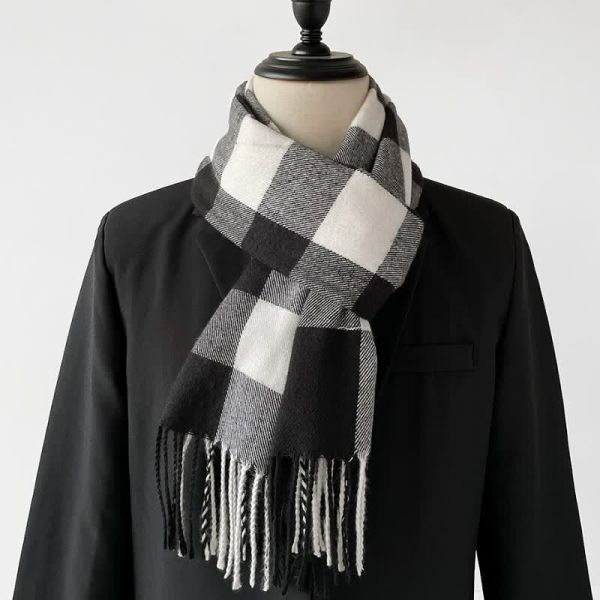
The Classic Gray Plaid Fringe Cozy Men's Scarf is viscose and measures Approx. 32 cm × 180 cm / 12.5 in × 70.8 in. Some options include Black, Blue Gray Plaid, Gray Black, and Gray Blue. A simple band arrangement can keep the outfit's pattern easy to distinguish.
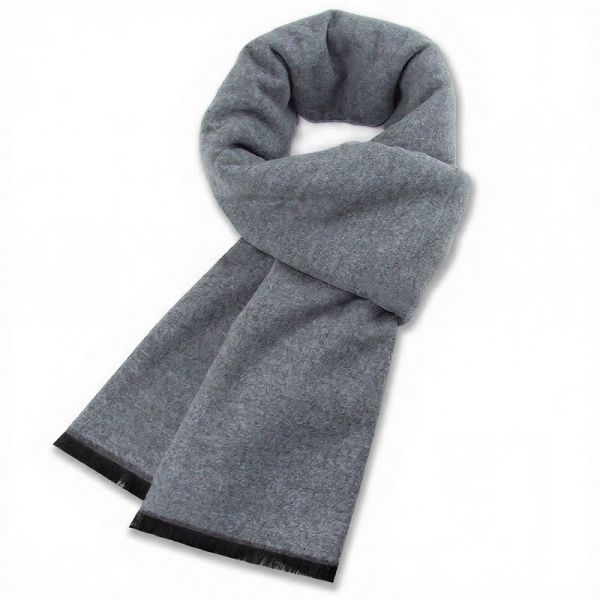
For another fabric proportion, the Dark Grid Tassel Layering Men's Scarf is polyester, sized Approx. 200 cm × 130 cm / 78.7 in × 51.1 in. The options are DarkSlateGray, DimGray, RosyBrown, and SaddleBrown. Consider one focal ring if you prefer a single clear jewelry detail alongside a grid pattern.
The Long Rectangular Plaid Fringed Men's Scarf is polyester, with dimensions of Approx. 180 cm × 32 cm / 70.9 in × 12.6 in. Its options are Beige, Black, Crimson, and SteelBlue. It is categorized as a shawl, and the package contains one shawl.
FAQ
How many rings should go in one stack?
Start with two and assess the combined width, movement, and contact between them. Add another only if there is room and it contributes to the arrangement. Ring count is less useful than checking how the actual shapes fit together.
Can I mix wide and narrow bands?
Yes. Let the wide band establish the main shape, then check whether a narrow companion has enough room beside it. If the combined width limits movement or crowds a knuckle, place the narrow band on another finger.
Do stacked rings need to match a scarf?
No exact match is necessary. You can connect the outfit through a repeated color or keep the ring arrangement visually separate. Before adjusting a scarf, check that raised settings and textured bands will not catch its fabric or fringe.
Shop the story
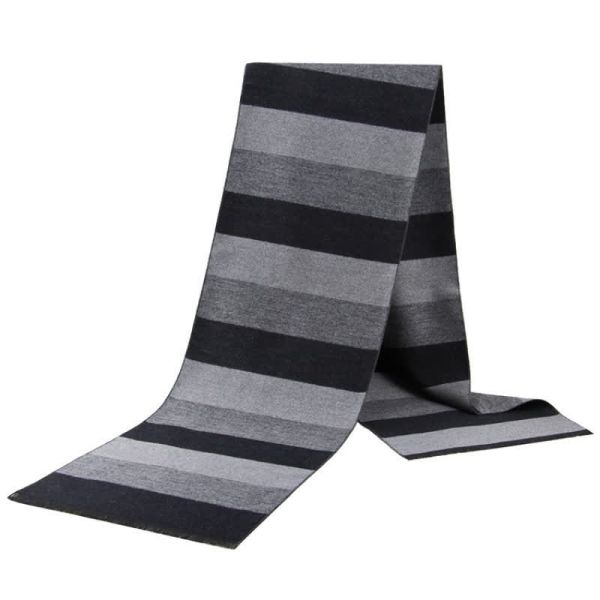 Buddha Stones Fall Winter Classic Charcoal Stripe Fringe Men's ScarfAs low as $21.59 Regular Price $30.41
 Buddha Stones Fall Winter Classic Grey Plaid Fringe Cozy Men's ScarfAs low as $22.59 Regular Price $30.95
 Buddha Stones Fall Winter Dark Grid Tassel Layering Men's ScarfAs low as $22.59 Regular Price $30.12